Home at Montclair — History & Analysis
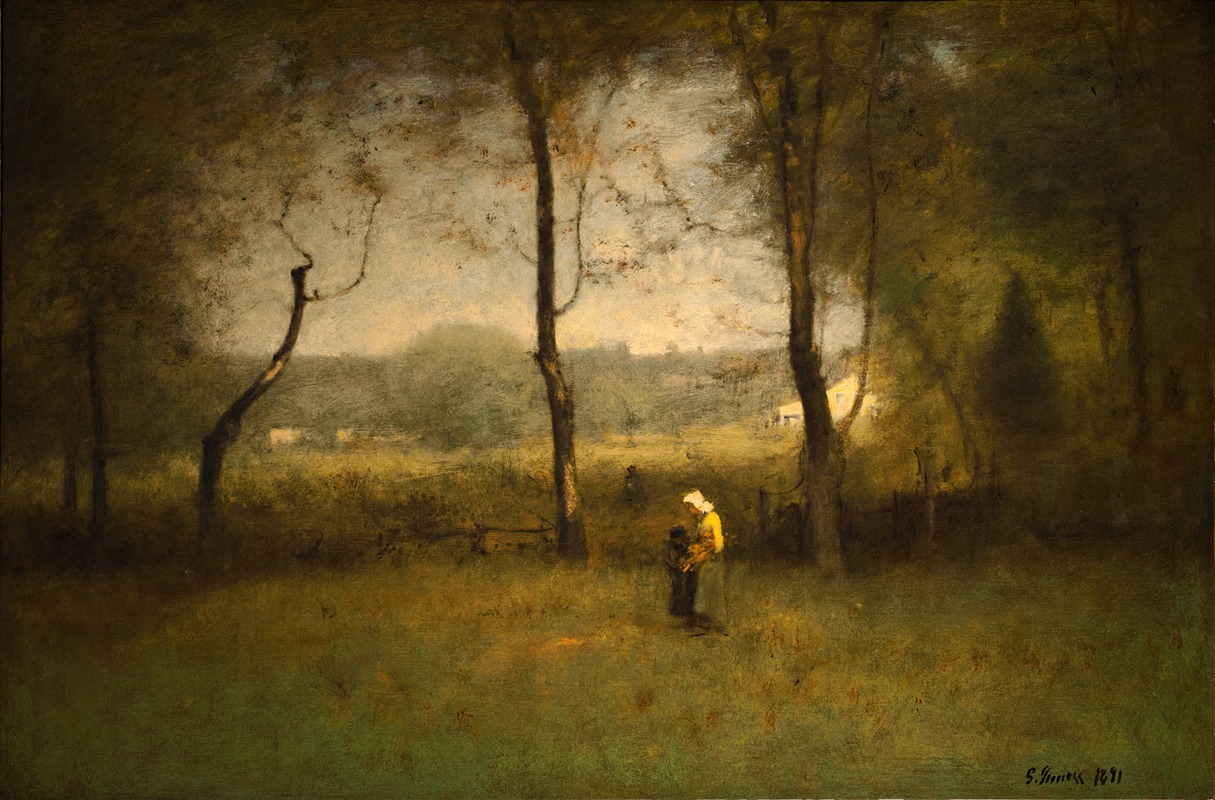
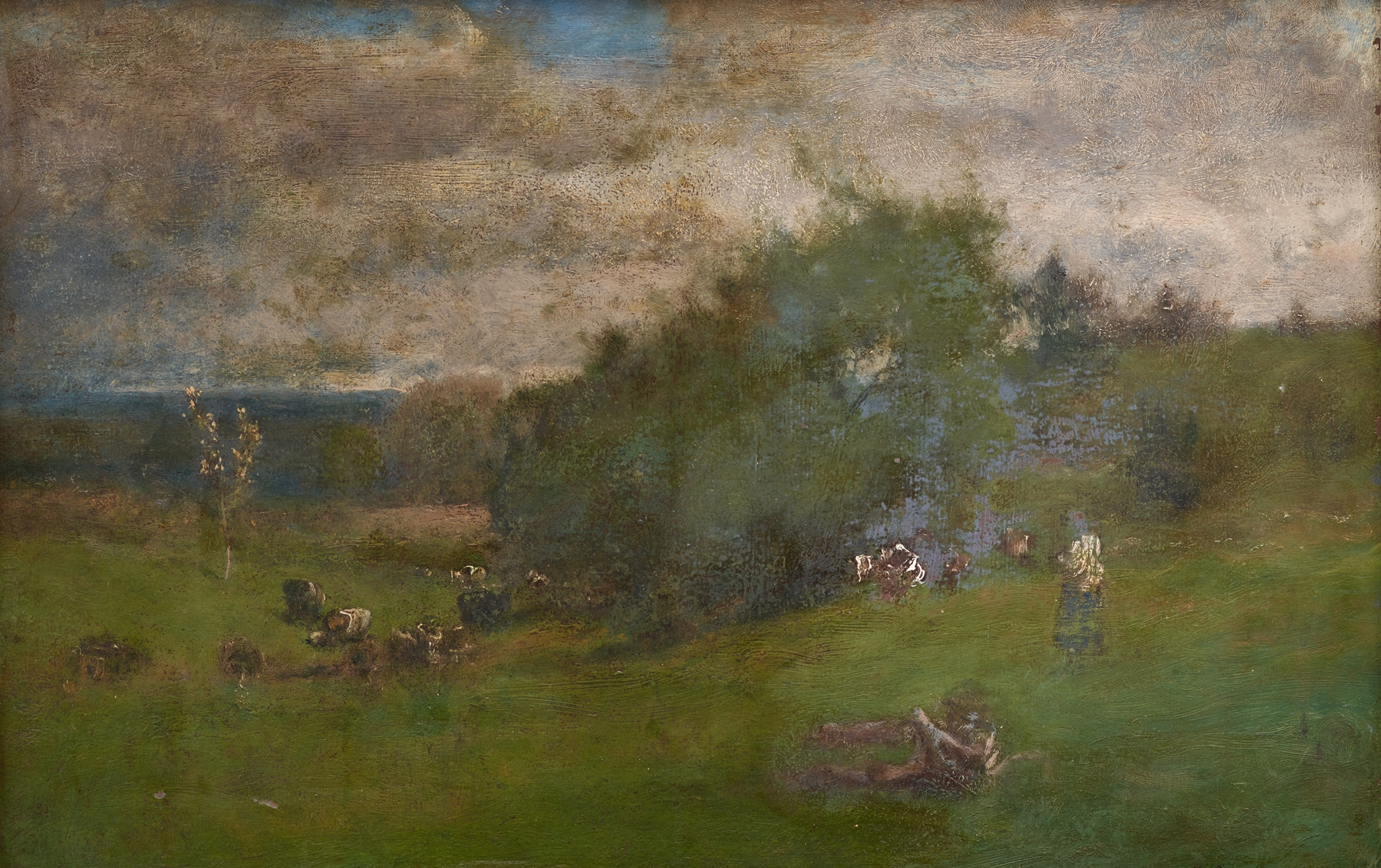
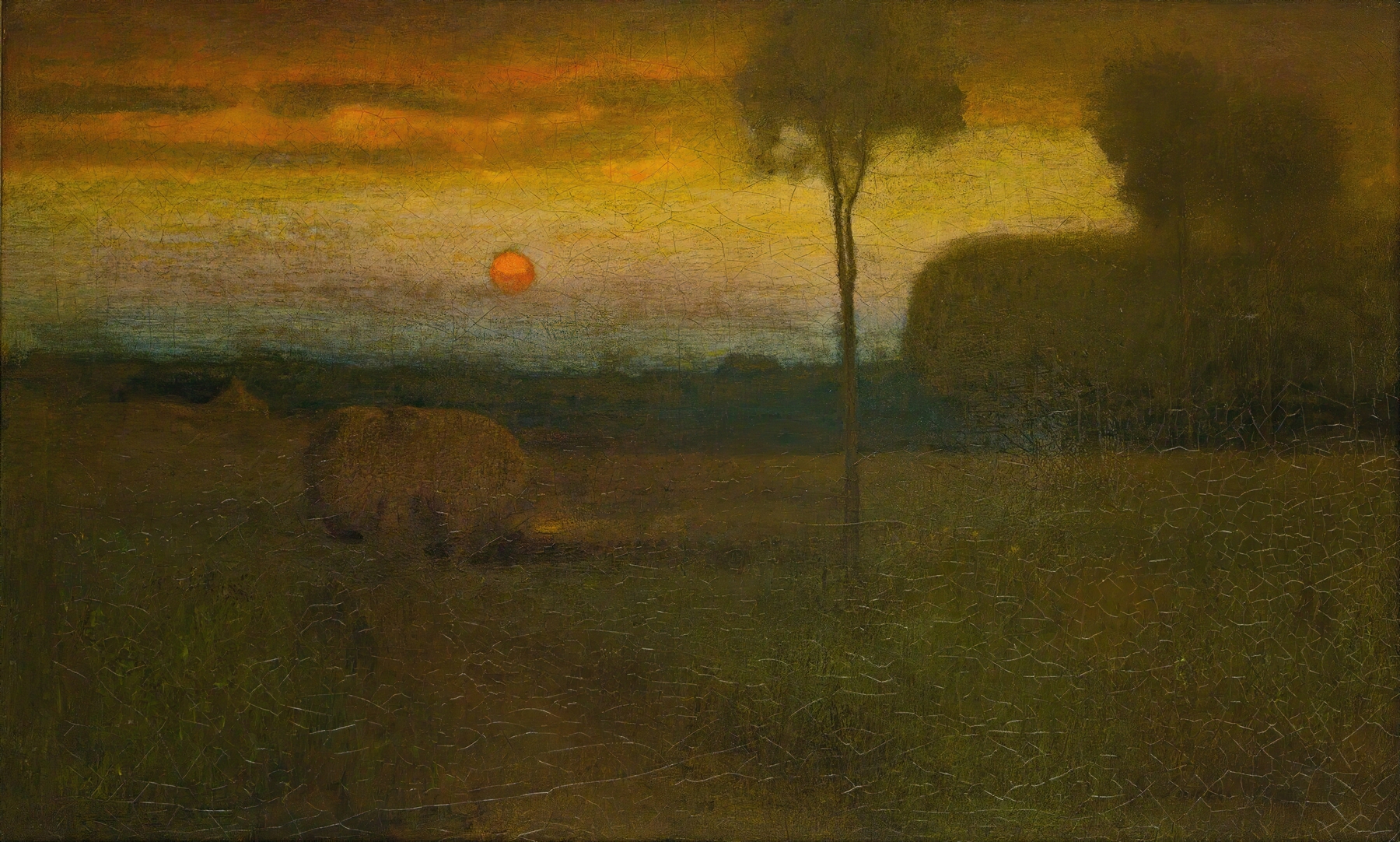
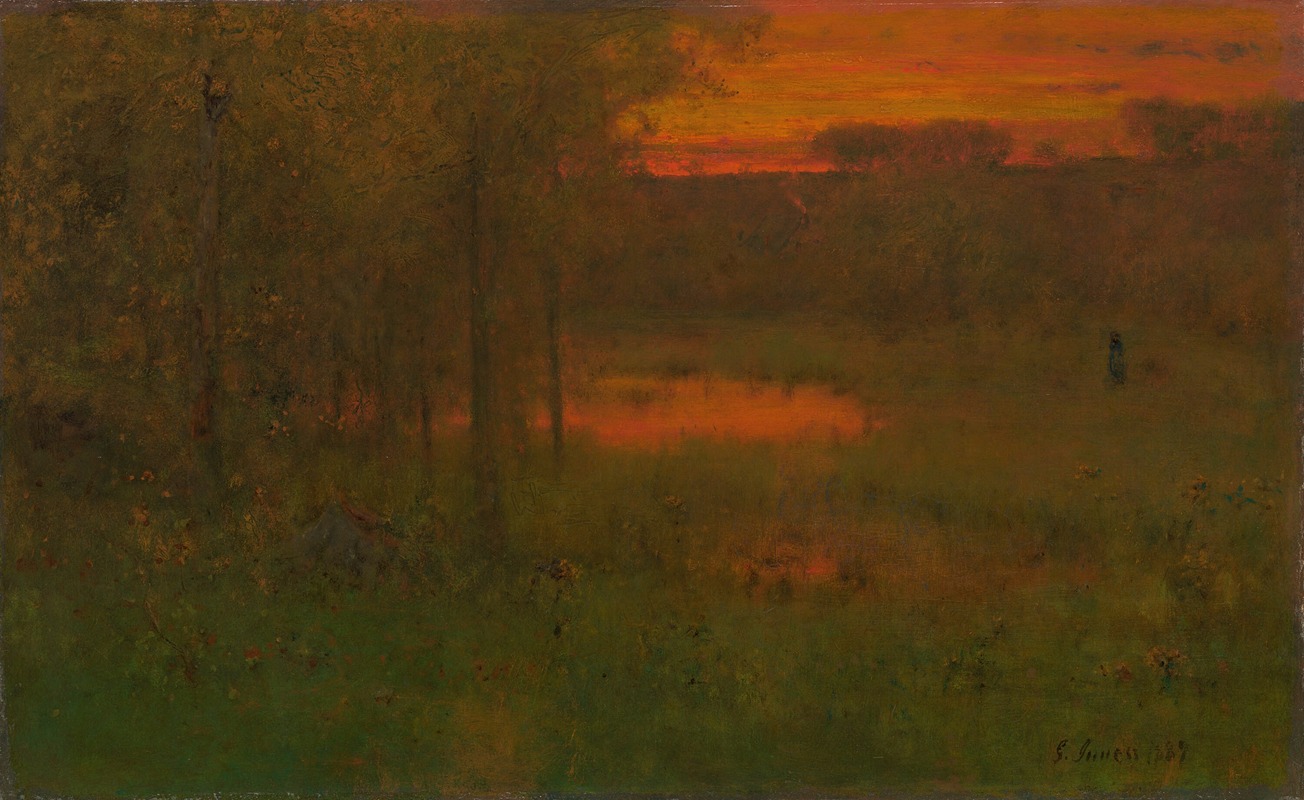
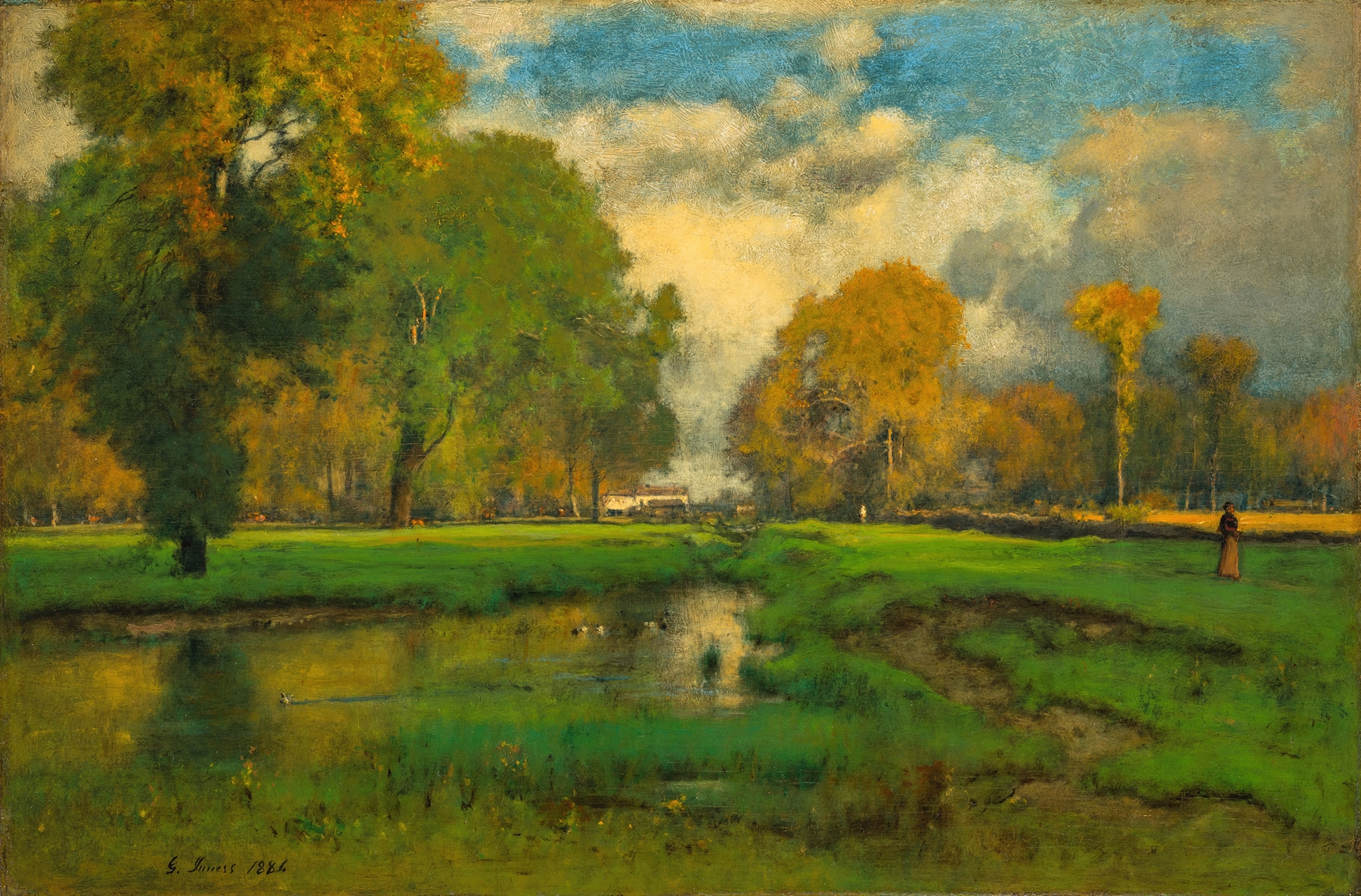
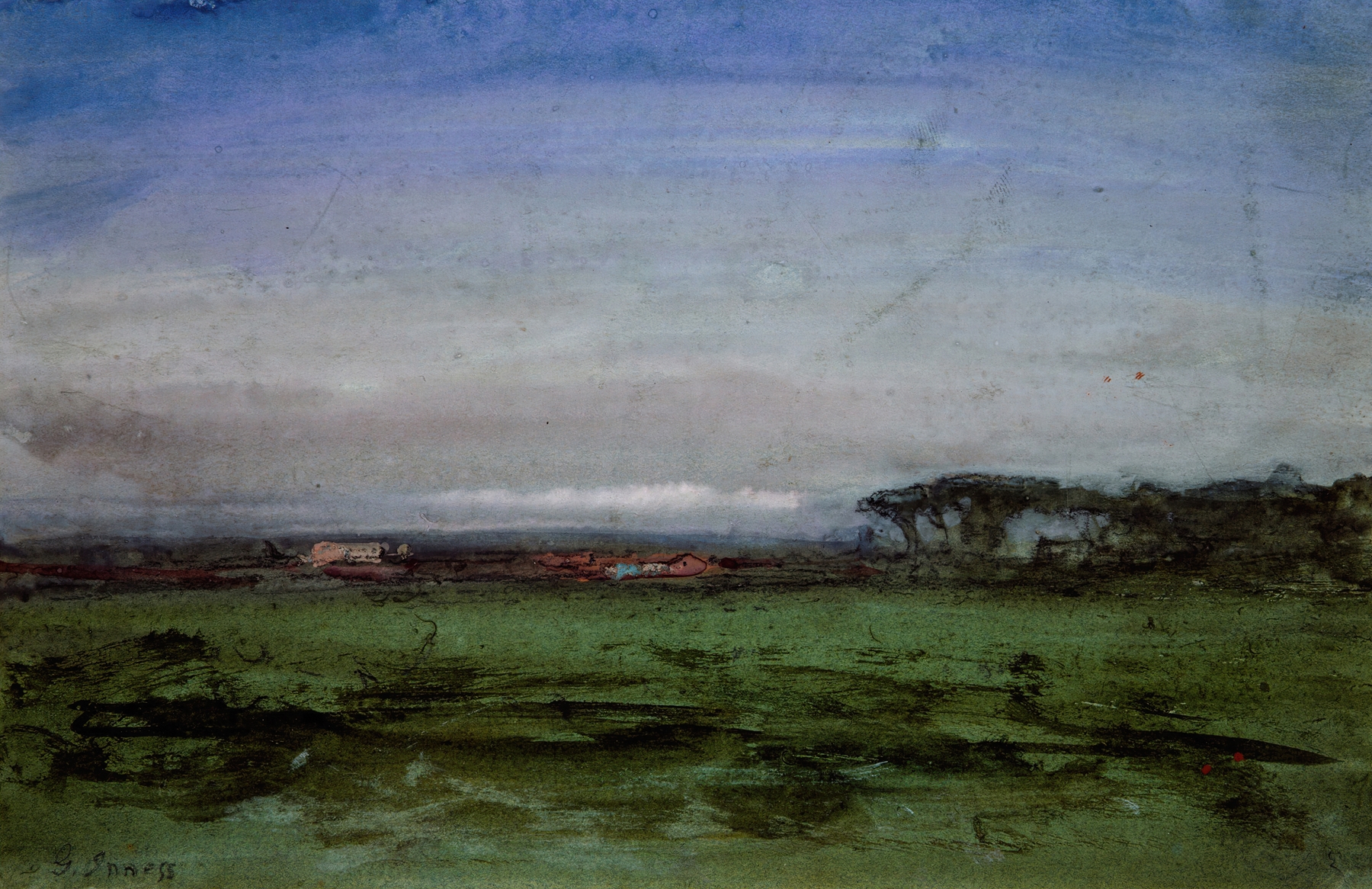
Can beauty exist without sorrow? In Home at Montclair, the answer resonates deeply within the lush, serene landscape. Look to the left, where the gentle curve of the pathway draws your gaze through a veil of rich greens and soft browns. Notice the interplay of light filtering through the trees, casting dappled shadows on the ground, creating a dance of illumination and shade that breathes life into the scene.
The subtle blending of colors reveals an exquisite technique, capturing not just the physical space but an ethereal quality, evoking nostalgia and a longing for belonging. Yet, amidst this tranquil beauty lies a tension—between the vibrancy of nature and the whispers of absence. The towering trees stand like silent sentinels, suggesting a history filled with memories both joyous and melancholic. Observe the tranquil pond; its stillness mirrors the quietude of the home just out of frame, hinting at the unfulfilled desire for connection and the bittersweet nature of reminiscence.
Each brushstroke reflects the artist's understanding of how landscapes can serve as vessels for human emotion. Created in 1892 in Montclair, New Jersey, the work encapsulates a significant period for Inness, known for his intimate landscapes infused with spiritual depth. At this time, he was exploring the connections between nature and emotion, reflecting a broader artistic shift towards impressionism and the symbolic use of light. The world was evolving as well, with rapid industrialization nudging the boundaries of traditional art, yet his focus remained firmly rooted in the beauty of the natural world, inviting viewers to pause and feel.