Intocht in Jerusalem — History & Analysis
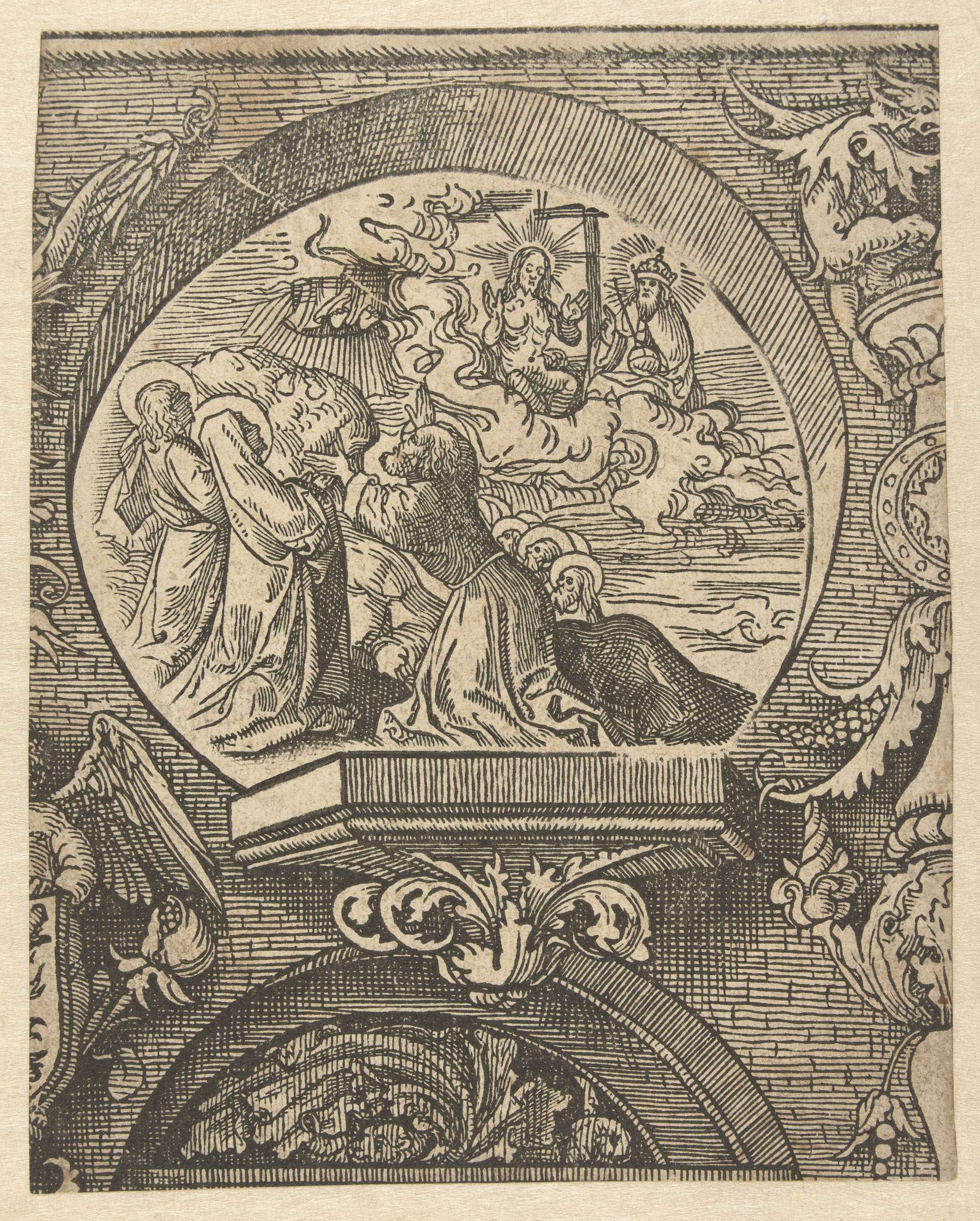
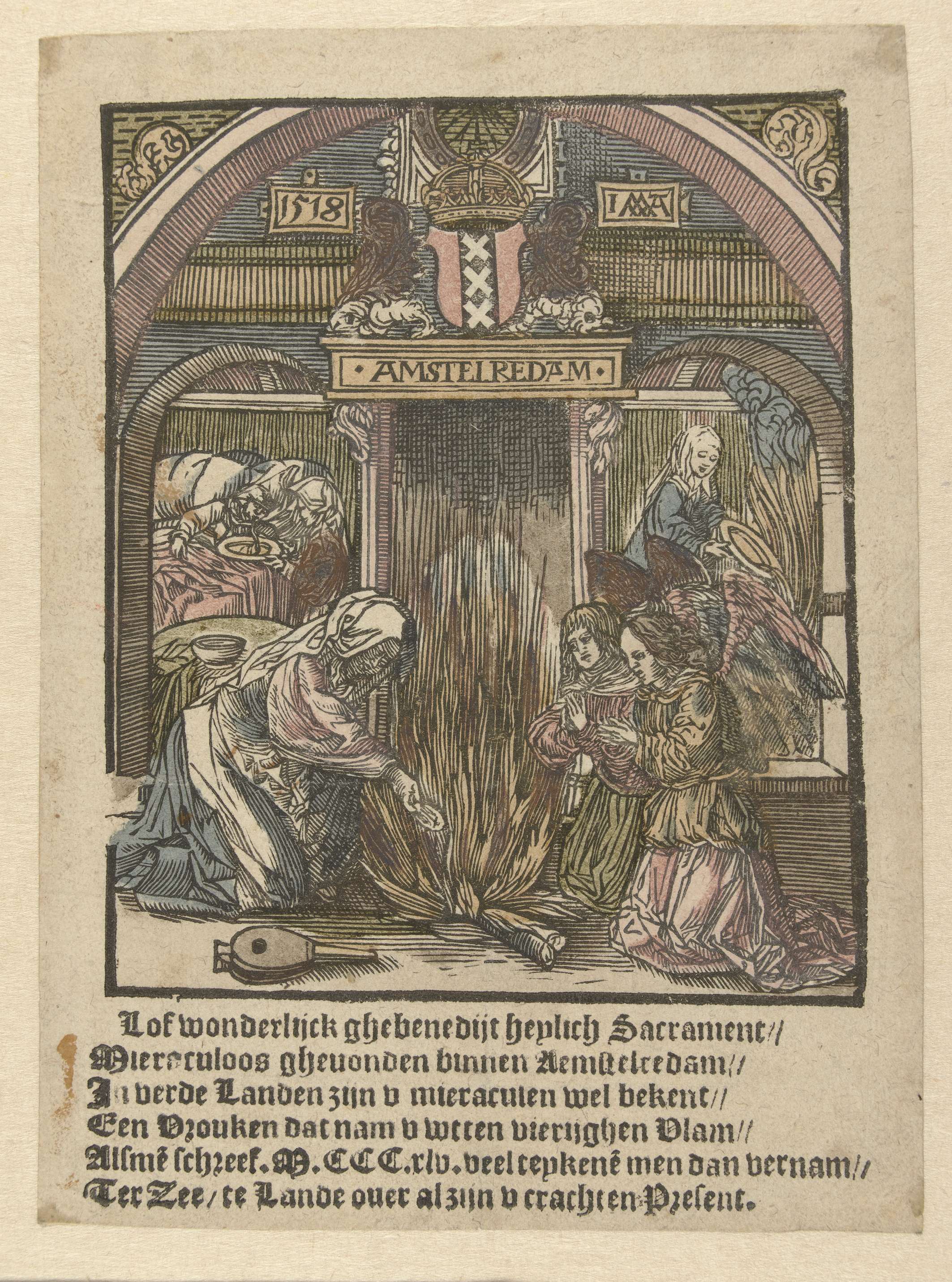
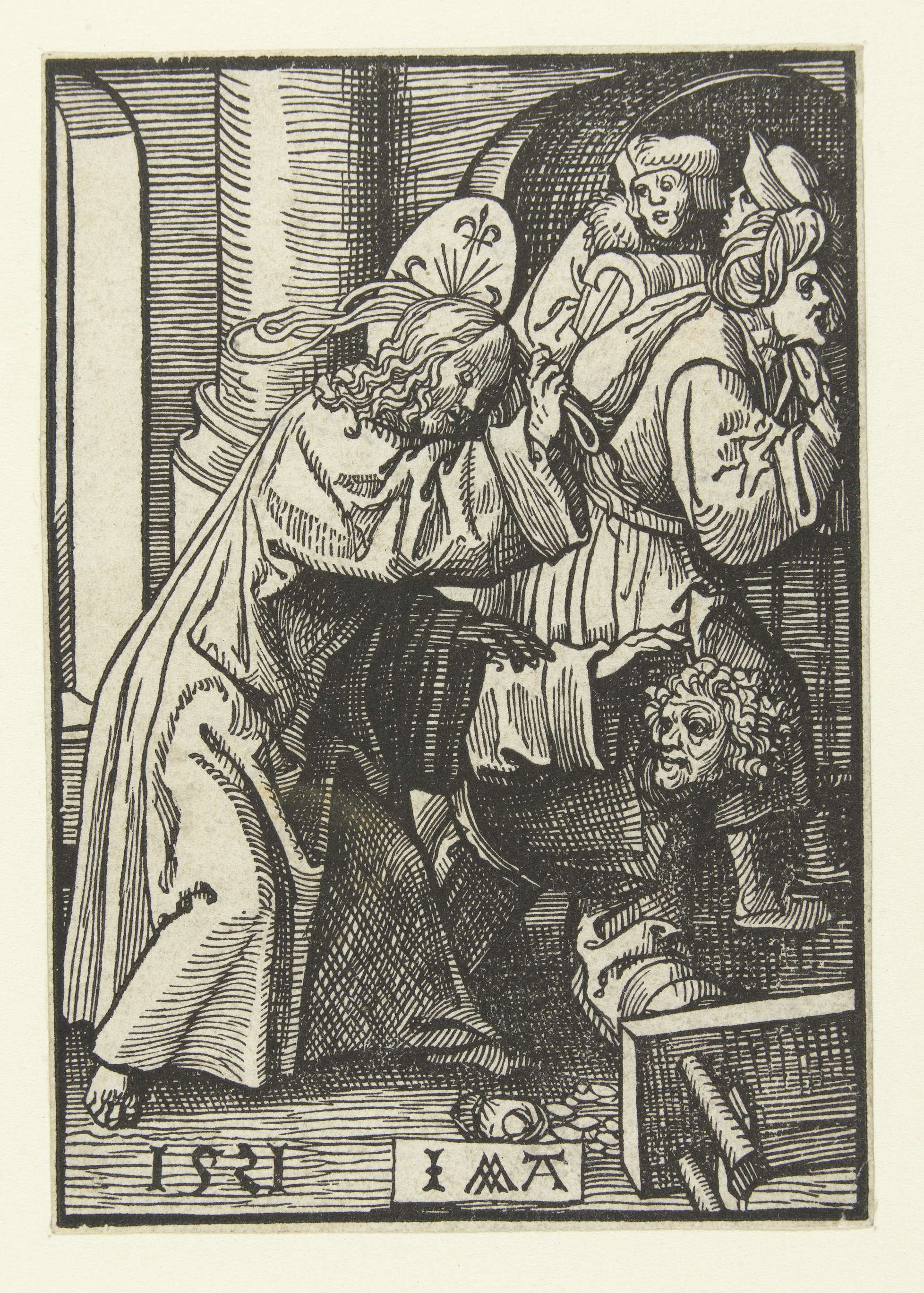
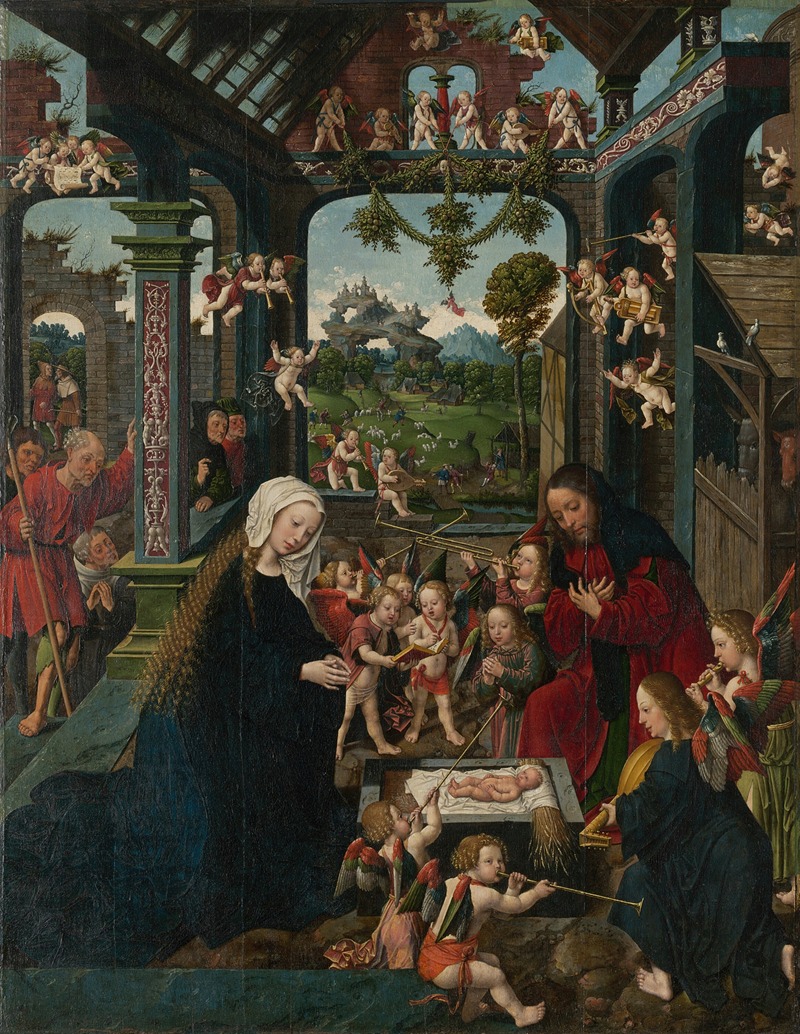
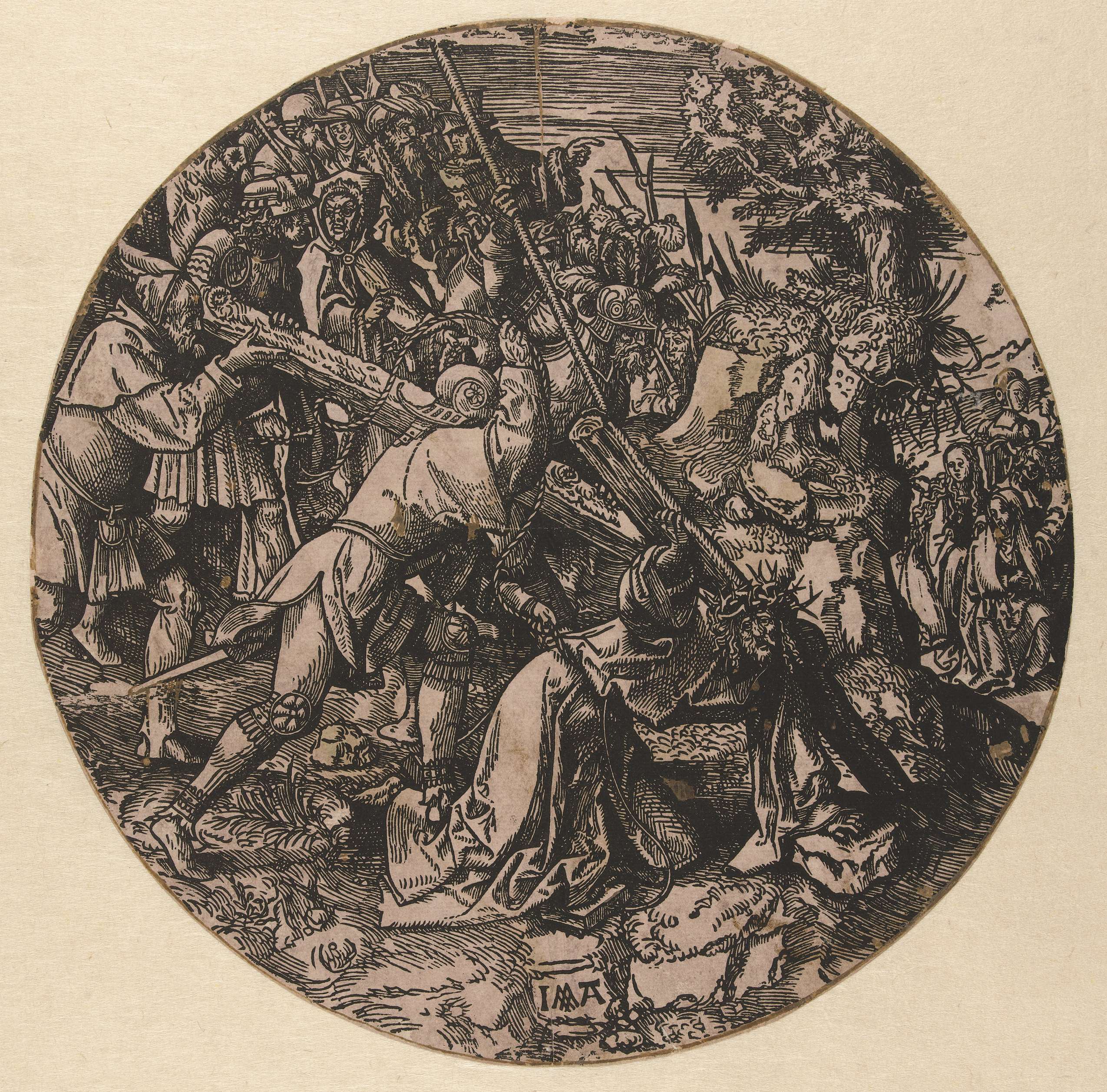
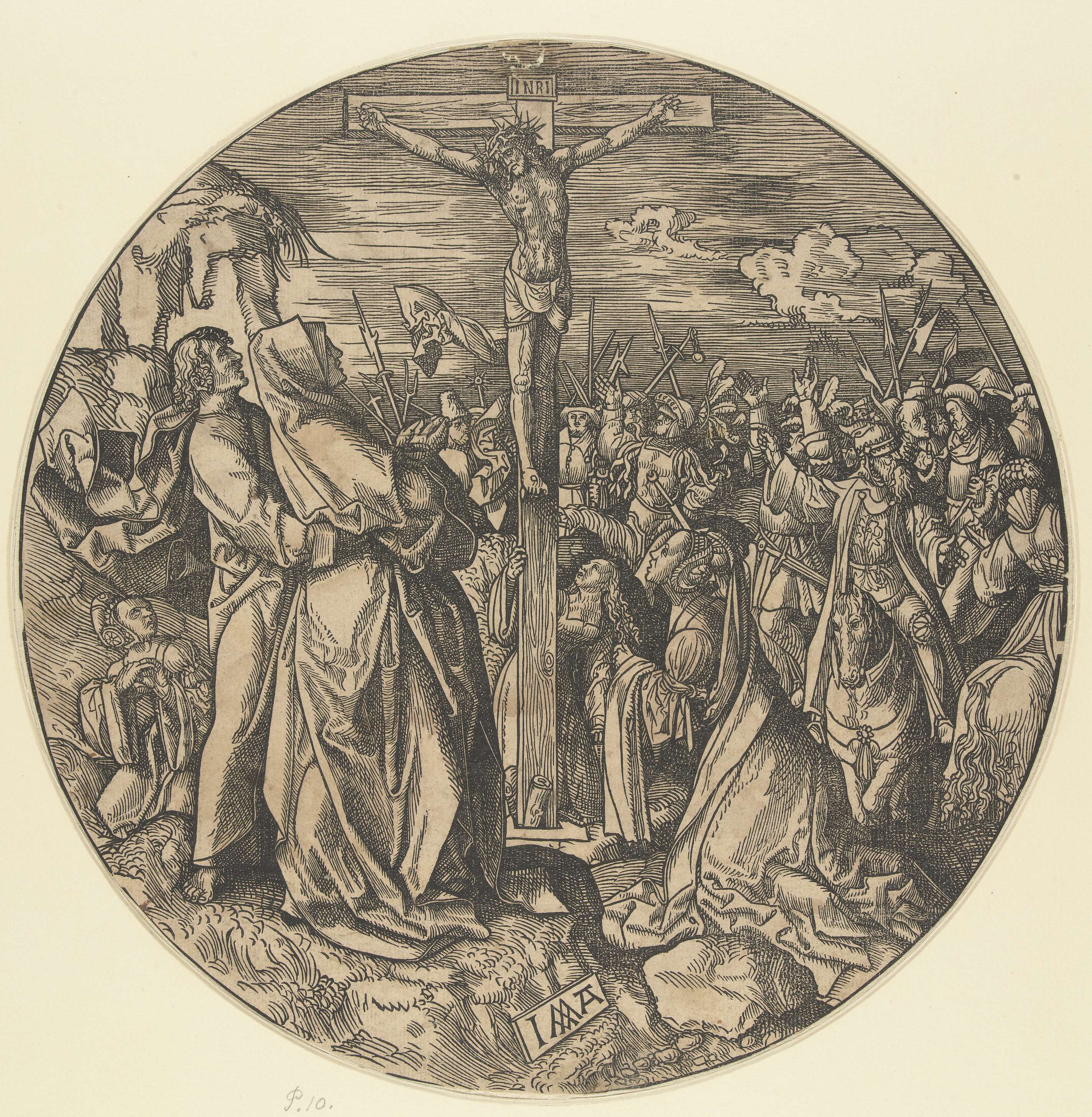
Who listens when art speaks of silence? In the hushed reverence of Intocht in Jerusalem, a profound awe envelops the viewer, inviting an exploration of the sacred in everyday life. Look to the center, where the majestic figure of Christ, draped in flowing robes, captures the eye. His presence radiates warmth and serenity, a stark contrast to the cold stone architecture framing the scene. Notice how the vibrant hues of blues and reds in the garments juxtapose with the muted earth tones of the crowd, highlighting the reverence and anticipation surrounding this moment of entry.
The delicate details of the figures, each with distinct expressions of wonder and respect, draw your gaze deeper into the narrative, unfolding layer by layer. The composition speaks volumes, revealing emotional tensions between the divine and the mundane. The onlookers, varied in age and demeanor, embody a spectrum of responses to the miraculous event—from sheer joy to contemplative stillness. This juxtaposition emphasizes the awe inspired by the sacred, reminding us that such moments transcend time and context.
Each figure, with their personal stories, converges within this sacred narrative, inviting contemplation of their individual significance amidst the communal experience. Created between 1520 and 1521, this work emerged during a period of significant transformation in both the artist's life and the broader realm of art. Working in Amsterdam, Jacob Cornelisz van Oostsanen was influenced by the Northern Renaissance's embrace of realism and detail. The socio-political climate of the time, marked by religious upheaval and a quest for new expressions of faith, shaped his artistic vision, ultimately leading to this poignant depiction of reverence and awe.