Kruisdraging — History & Analysis
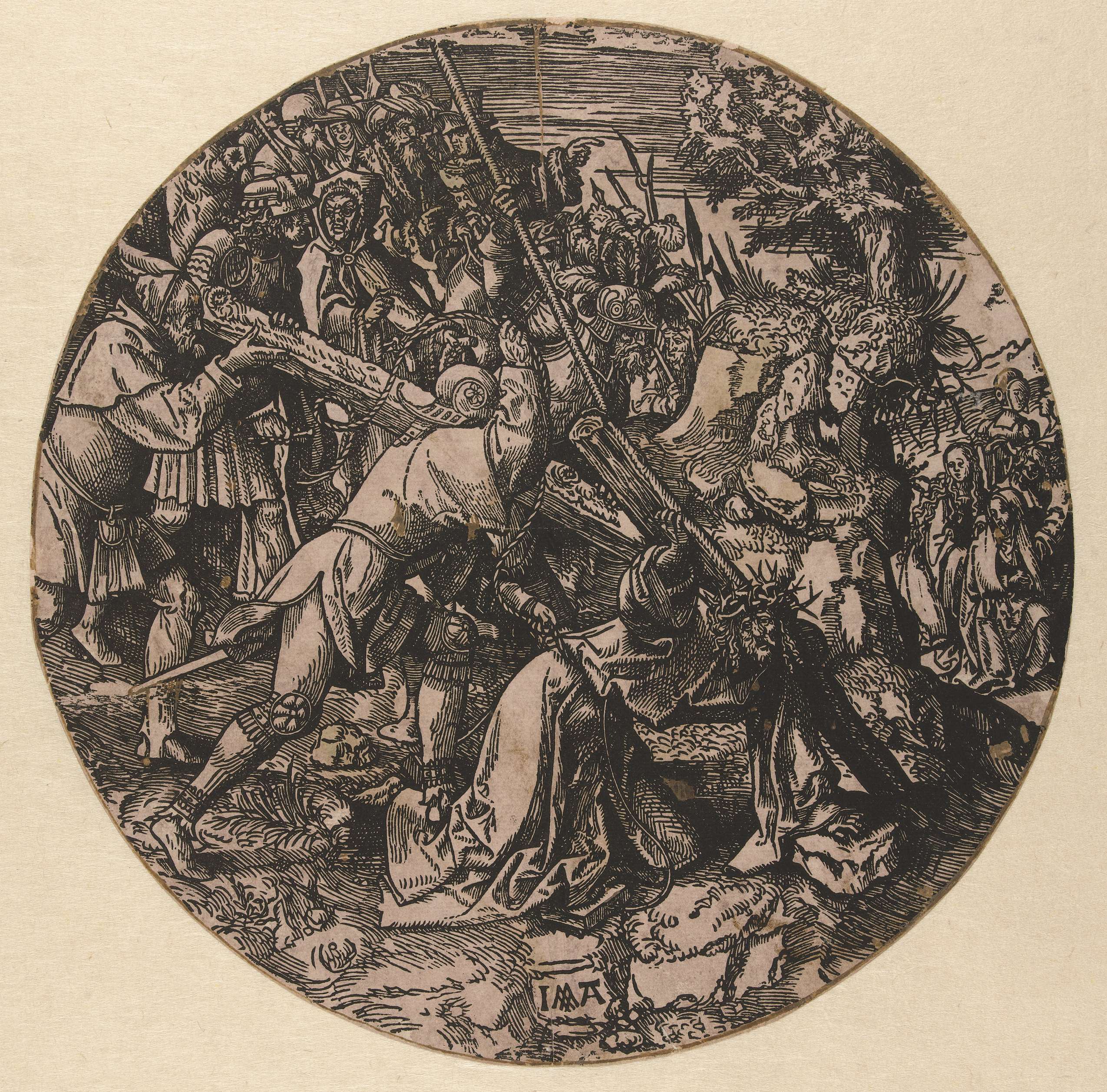
Can beauty exist without sorrow? In Kruisdraging, the delicate balance between reverence and melancholy unfolds in a haunting tableau that resonates with the weight of humanity's struggles. Look to the center where figures bear the cross with solemn determination. The somber hues of deep blues and rich earth tones envelop the scene, while ethereal highlights illuminate the faces of those in anguish.
Notice how the intricate folds of their garments cascade with a life of their own, drawing us into their shared burden. The composition, arranged like a procession, captivates with its dynamic interplay of light and shadow, echoing the strain of faith amidst despair. Within the details lie profound connections—the expressions of the mourners convey both devotion and desperation, while the cross itself stands as a symbol of sacrifice and hope. The contrast between the stillness of the surrounding landscape and the turmoil in the figures' faces speaks to an inner conflict that verges on revolution.
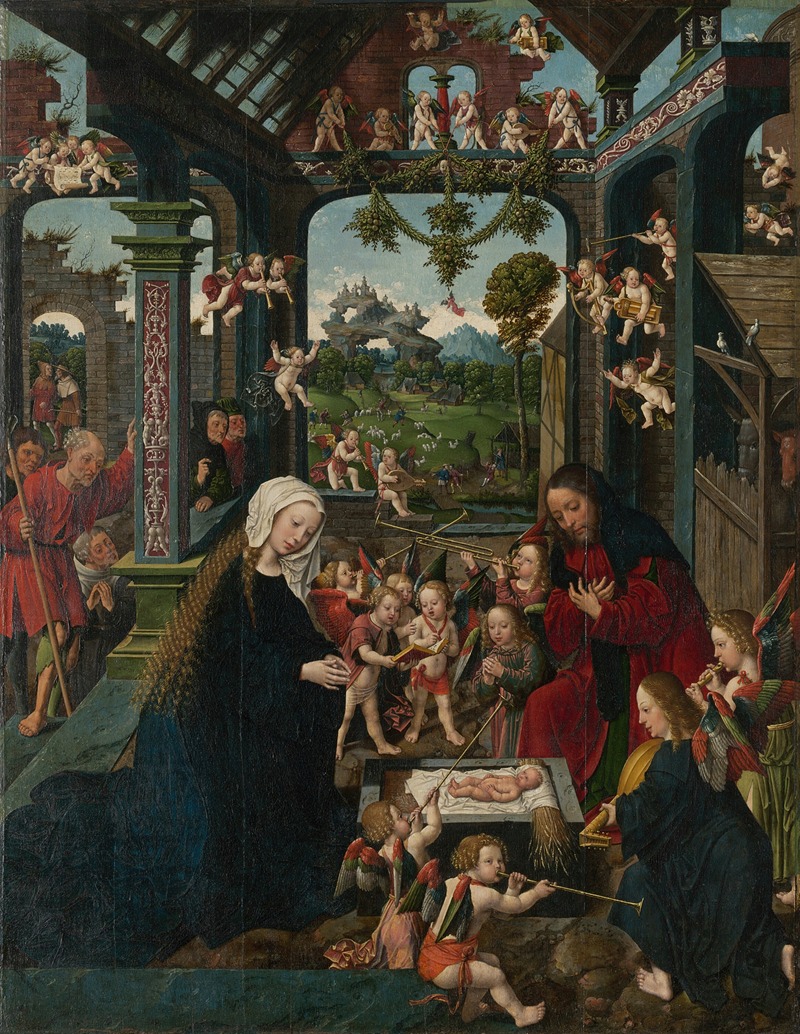
This tension prompts us to reflect on the cost of belief and the passionate struggles faced by those who challenge the fabric of their society. Created in the early 16th century, Kruisdraging emerged during a time when Jacob Cornelisz van Oostsanen was deeply embedded in the transition from the Late Gothic to the Northern Renaissance. Working in Amsterdam, he tackled themes of religious significance amid burgeoning humanism and evolving artistic expressions. This painting not only reflects his personal artistic journey but also encapsulates the societal tensions that were redefining art in his time.