Landscape with Figures — History & Analysis
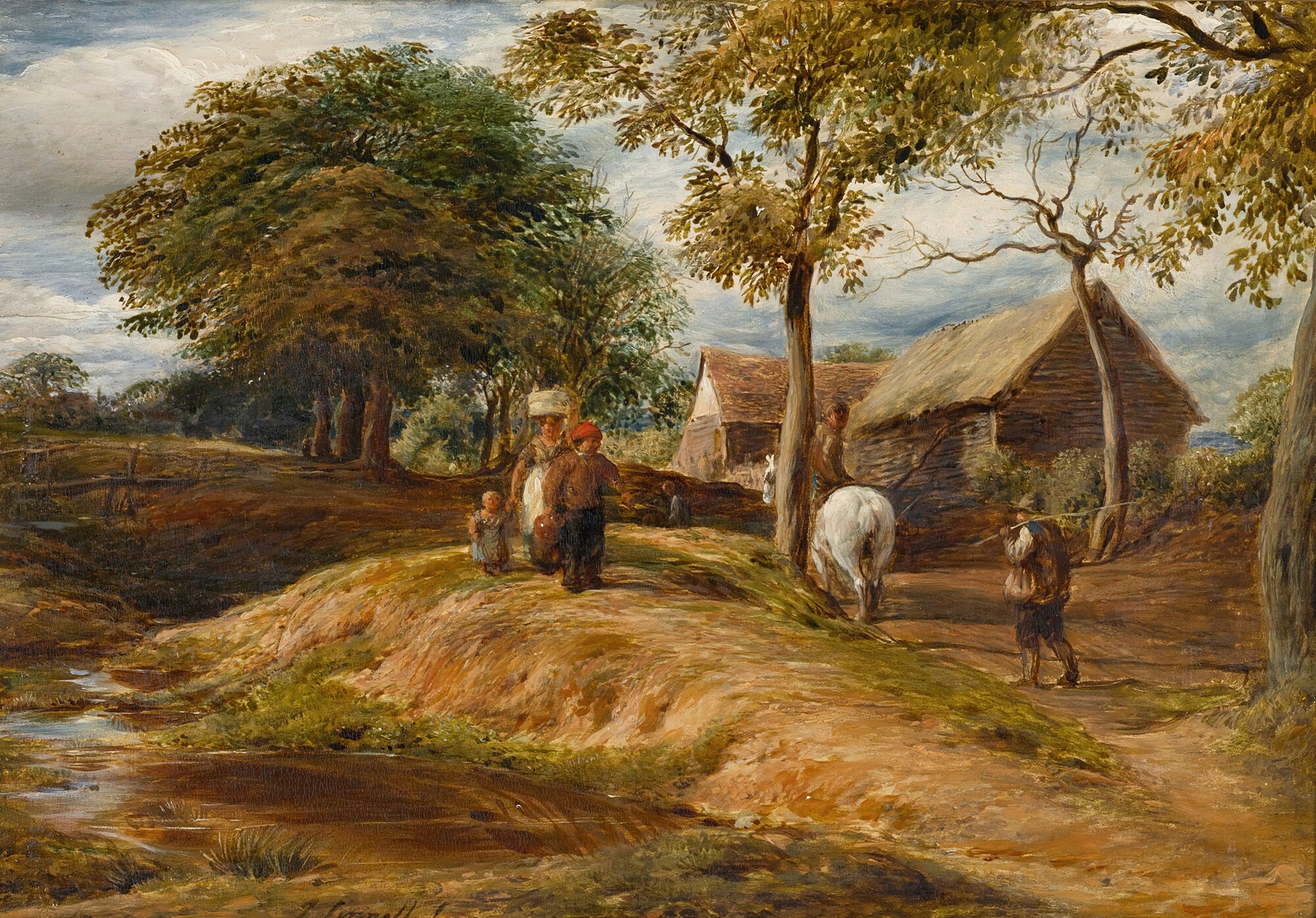
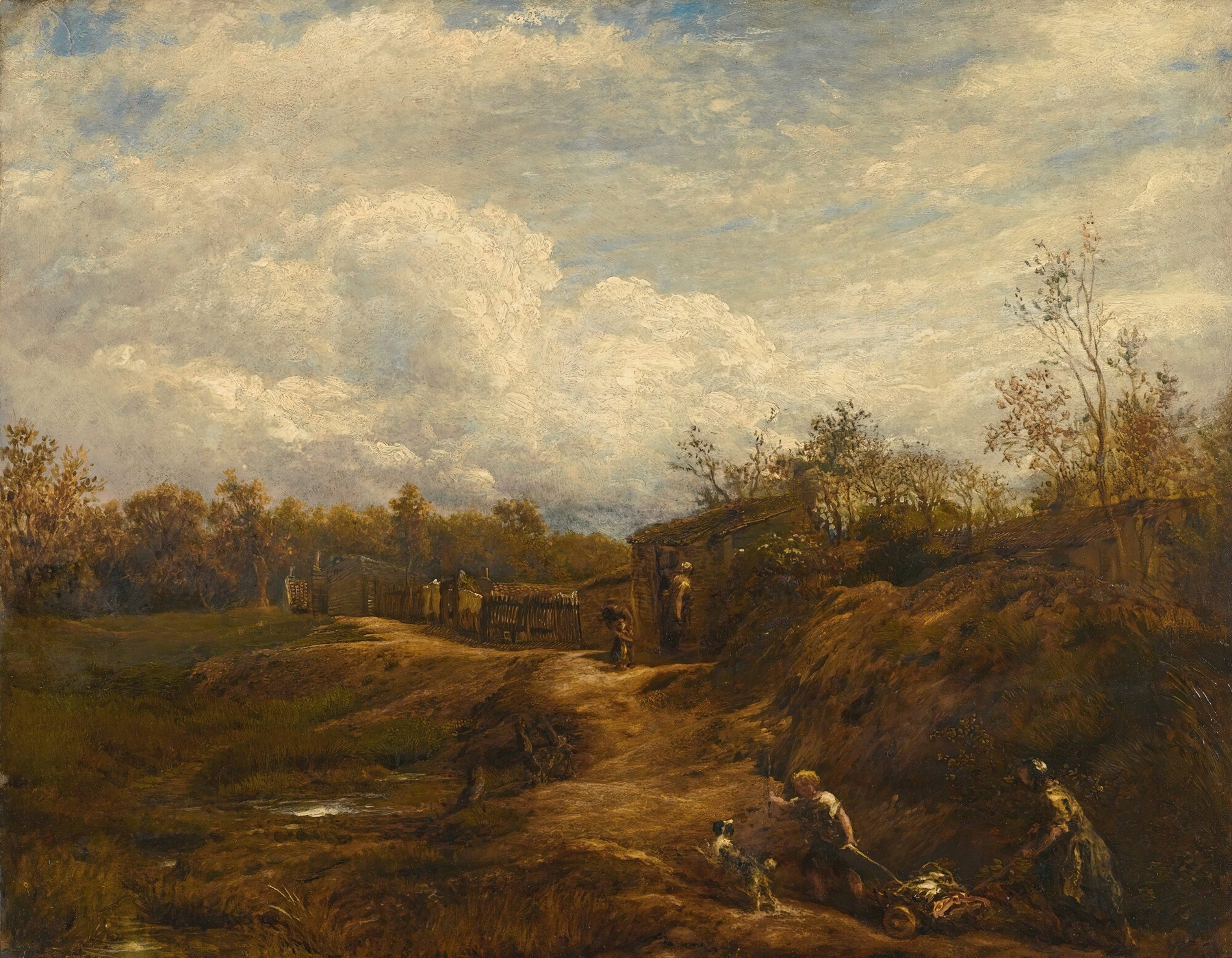
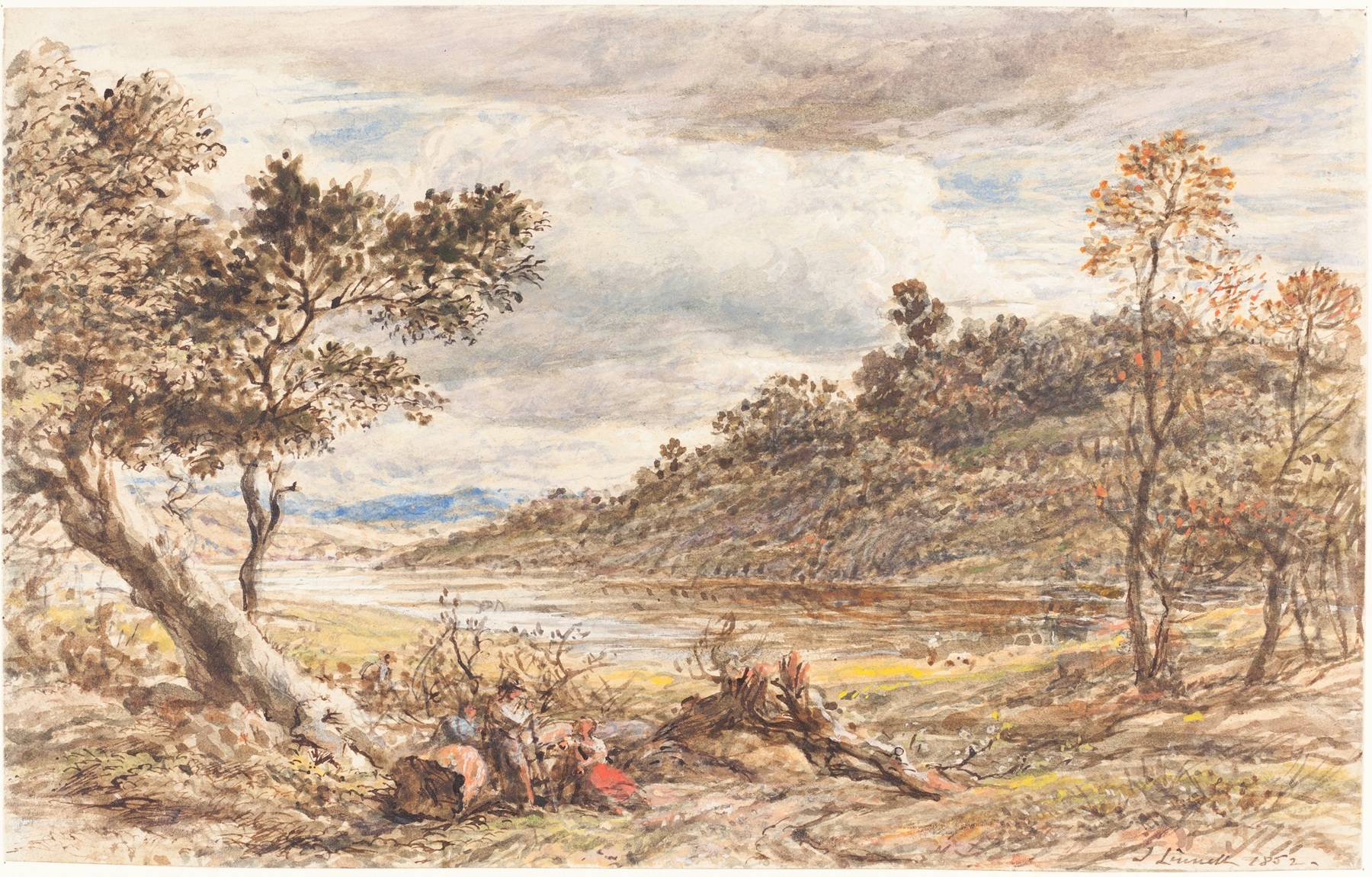
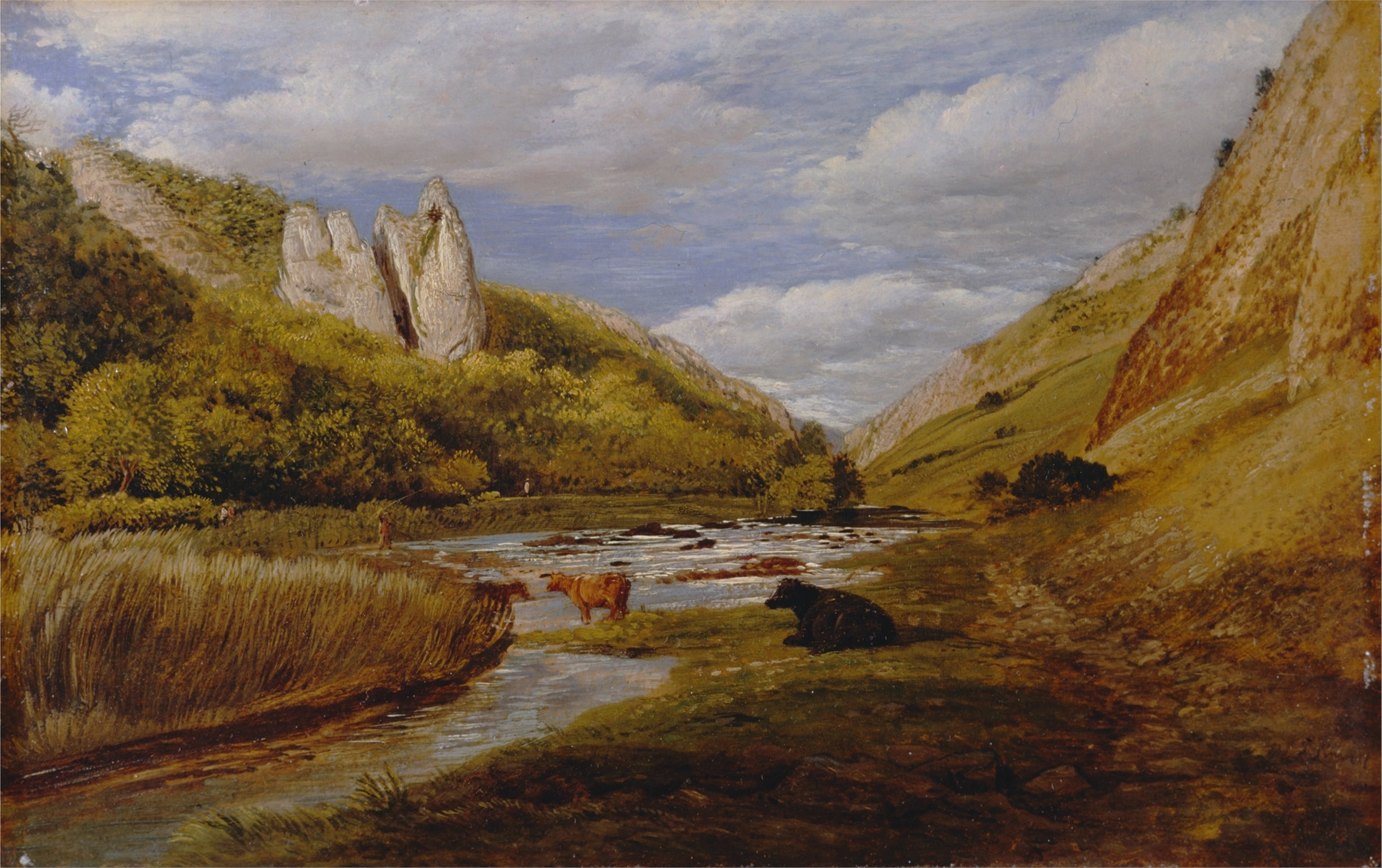
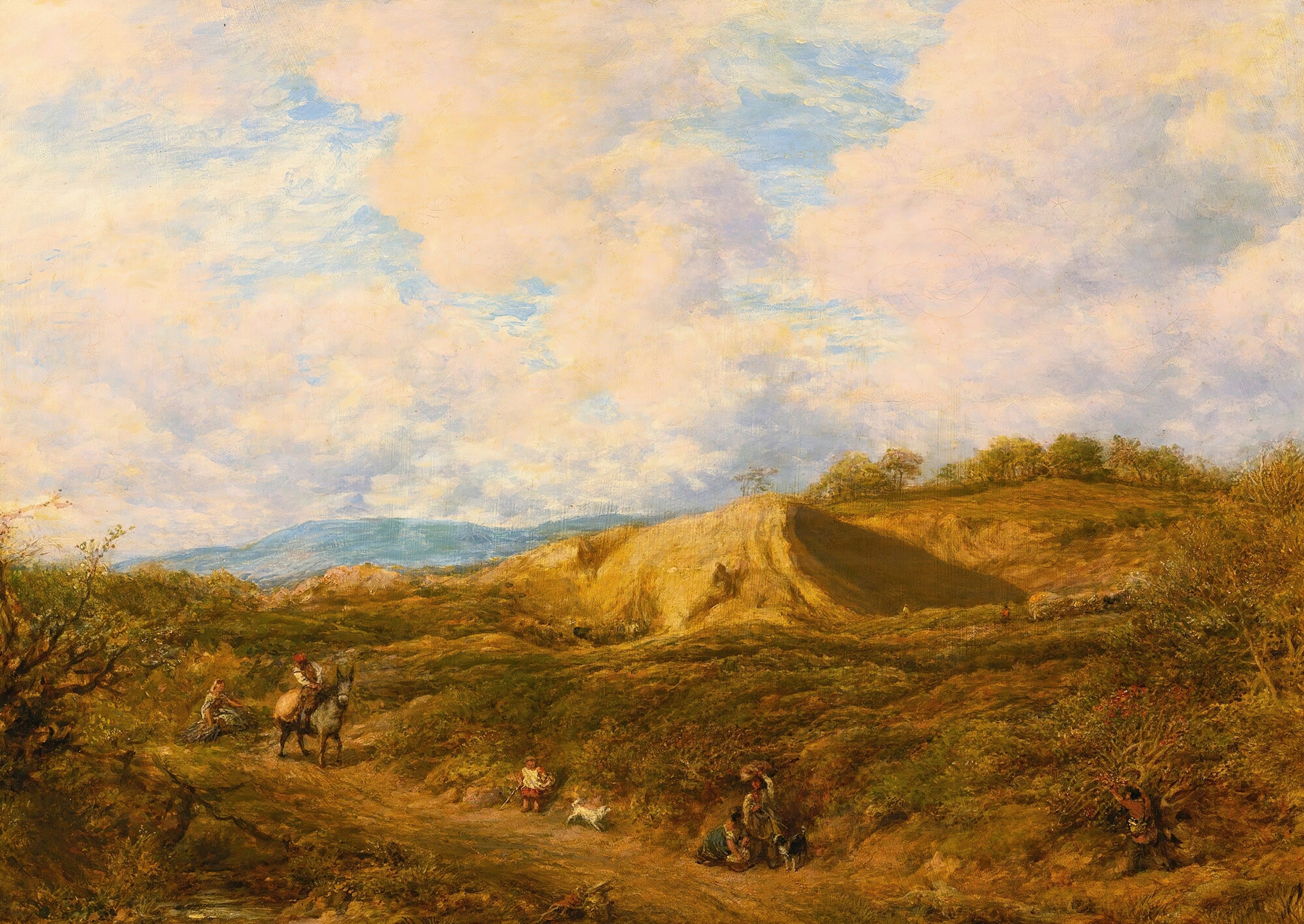
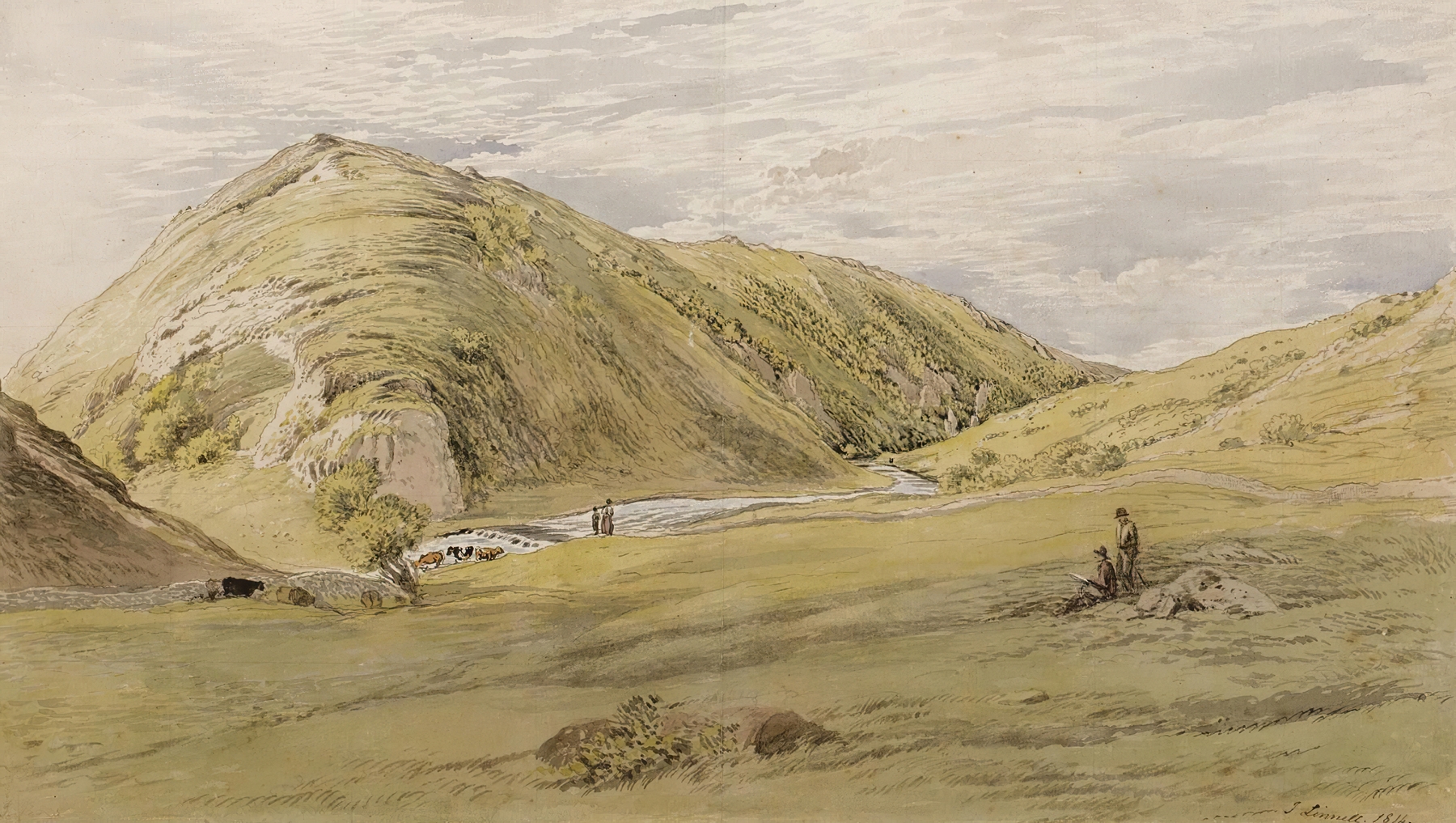
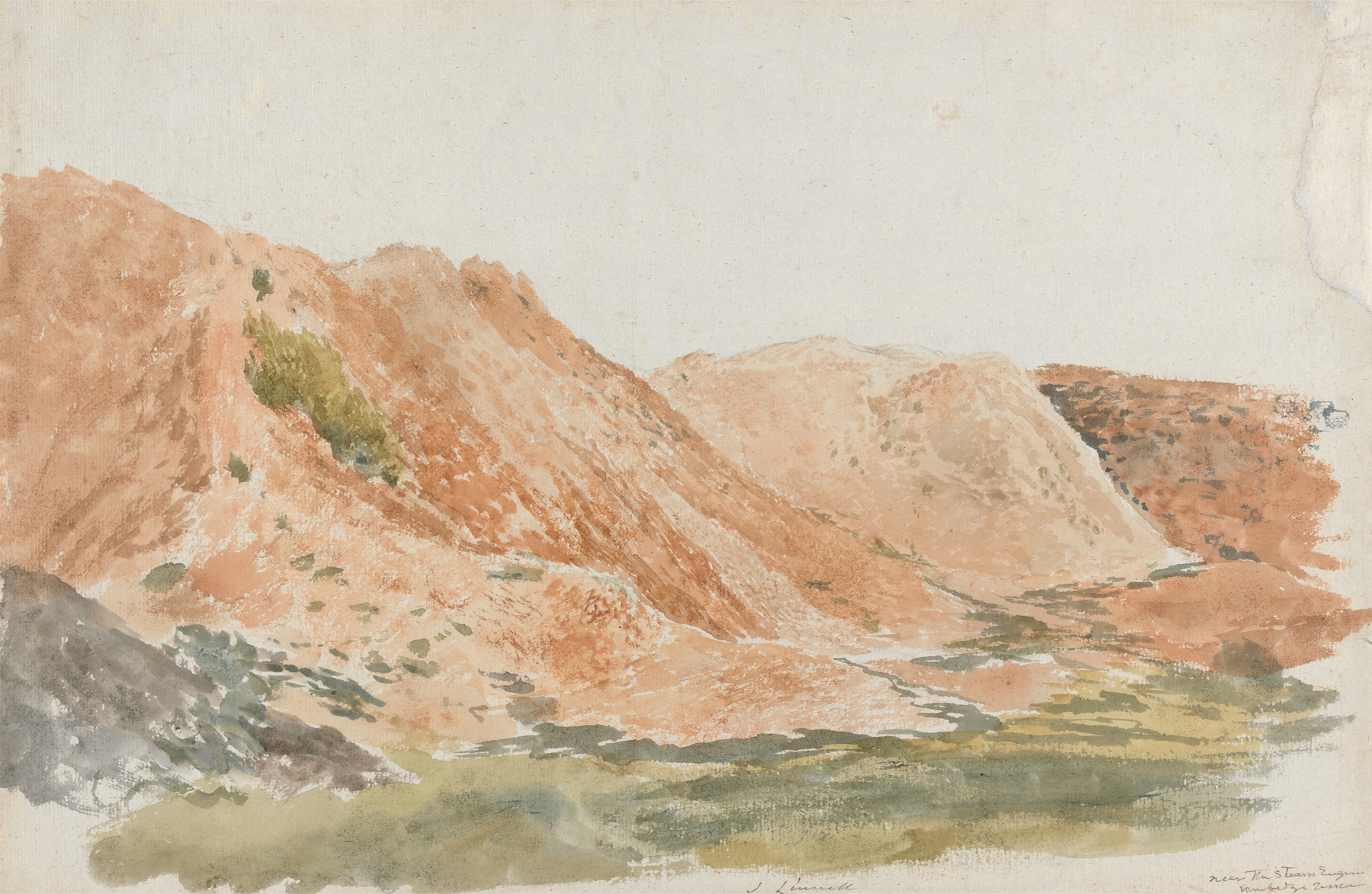
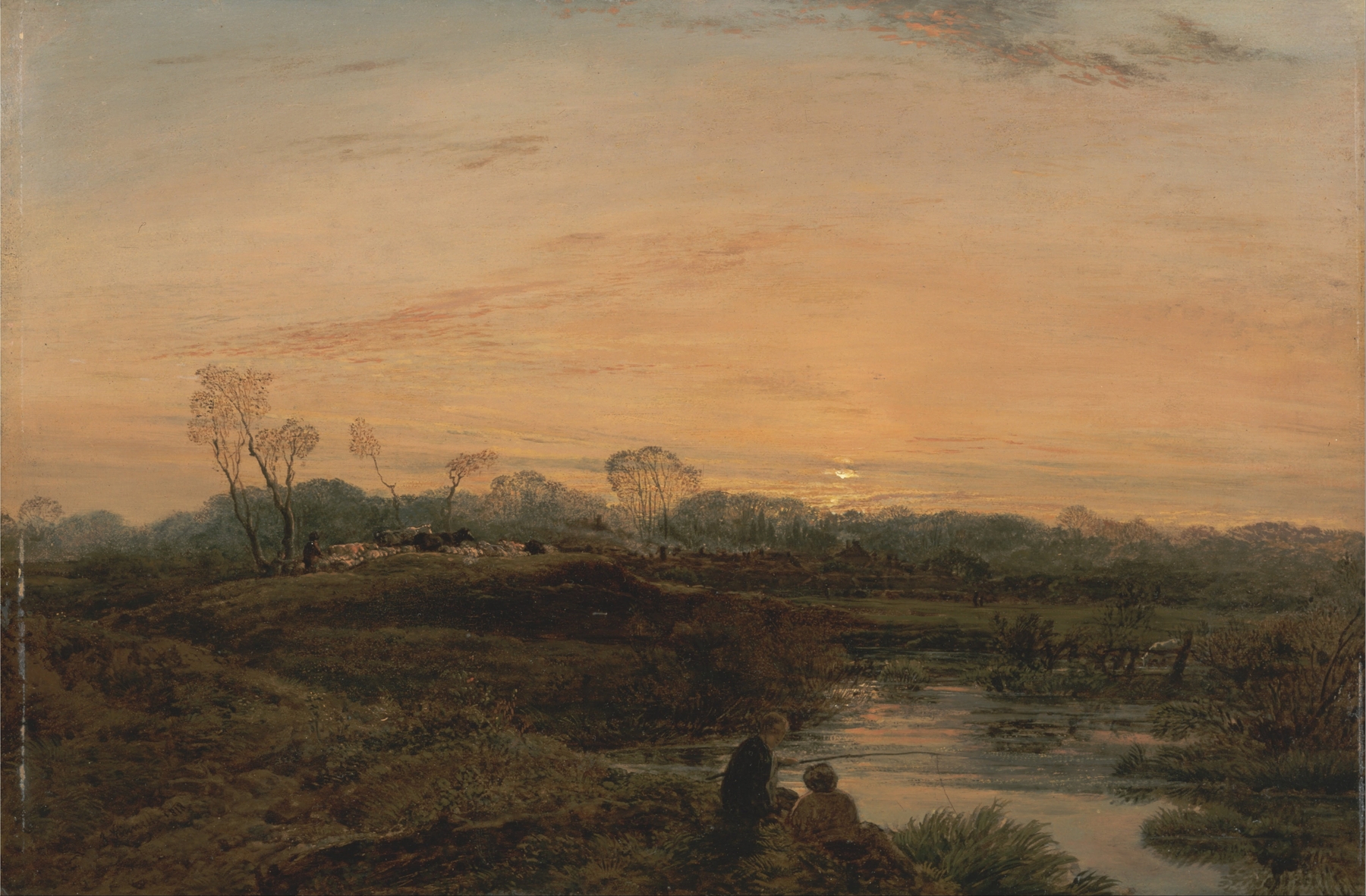
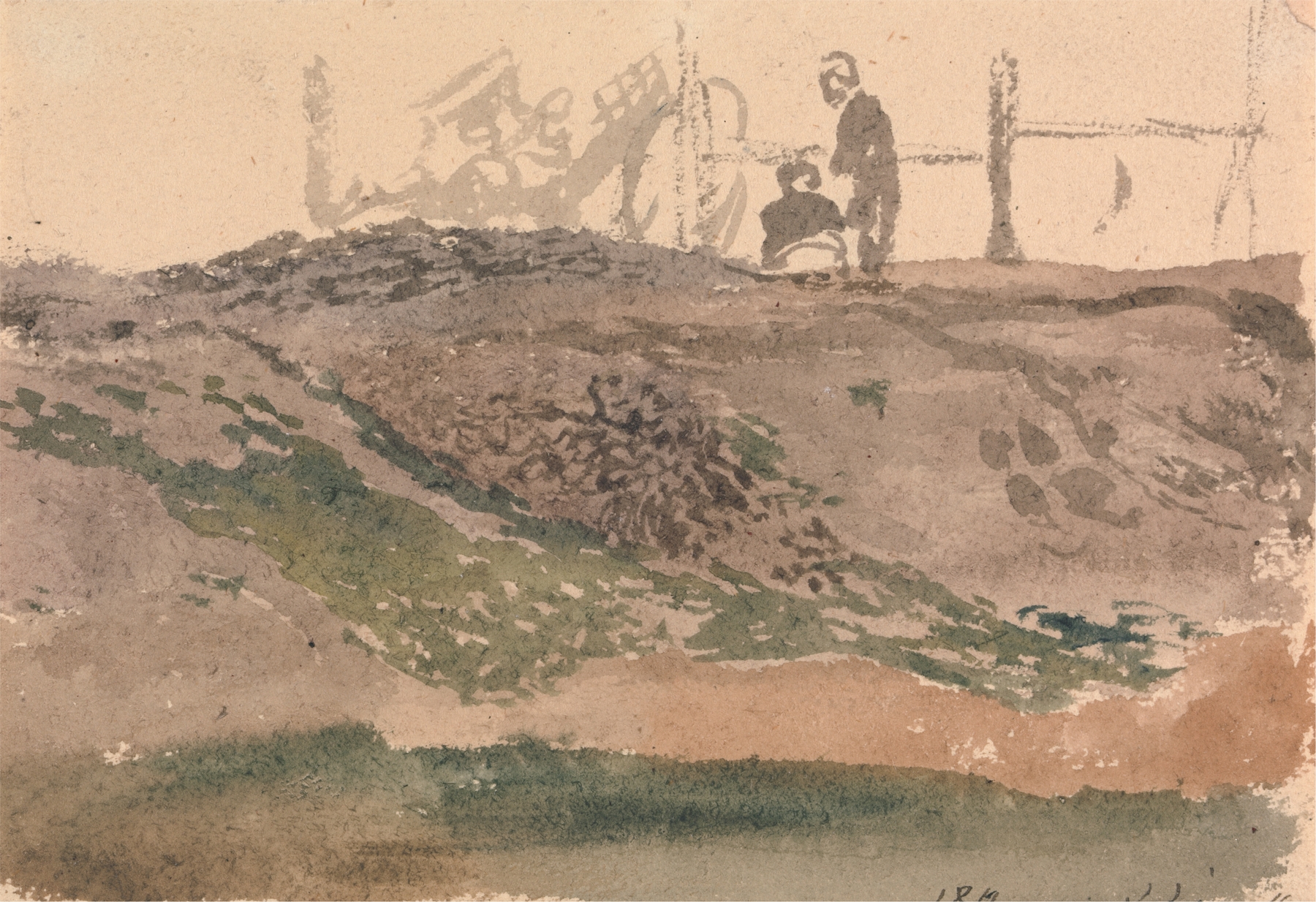
What if beauty was never meant to be finished? In Landscape with Figures, serenity unfolds in layers, whispering the timeless dialogue between humanity and nature. Focus first on the horizon, where rolling hills gently cradle the sky, inviting your gaze to wander deeper into the tranquil tableau. Notice how the soft greens and muted blues blend seamlessly, creating an atmosphere that feels both expansive and intimate. The figures scattered throughout the landscape, small yet significant, serve as a delicate reminder of our place within this vastness.
Their muted attire contrasts with the natural palette, emphasizing the harmony between man and surroundings while inviting contemplation. As you observe, consider the emotional tensions present in the work. The figures, seemingly at ease, evoke a sense of stillness, yet their very presence hints at an unseen story—what thoughts occupy their minds? The play of light and shadow across the scenery not only illustrates the artist's skill but also suggests a fleeting moment of tranquility within a possibly chaotic world.
This balance between humanity's serenity and the wildness of nature encapsulates a poignant harmony. In 1816, John Linnell painted this piece during a period where Romanticism was gaining momentum in art, imbued with a deep appreciation for the natural world. Living in England, Linnell found inspiration amidst the societal changes of the Industrial Revolution, exploring themes of nature's resilience and the human spirit’s connection to it. This work reflects his ongoing pursuit of capturing beauty in its most peaceful, unrefined form.