
Landschap met bomen op voorplan — History & Analysis
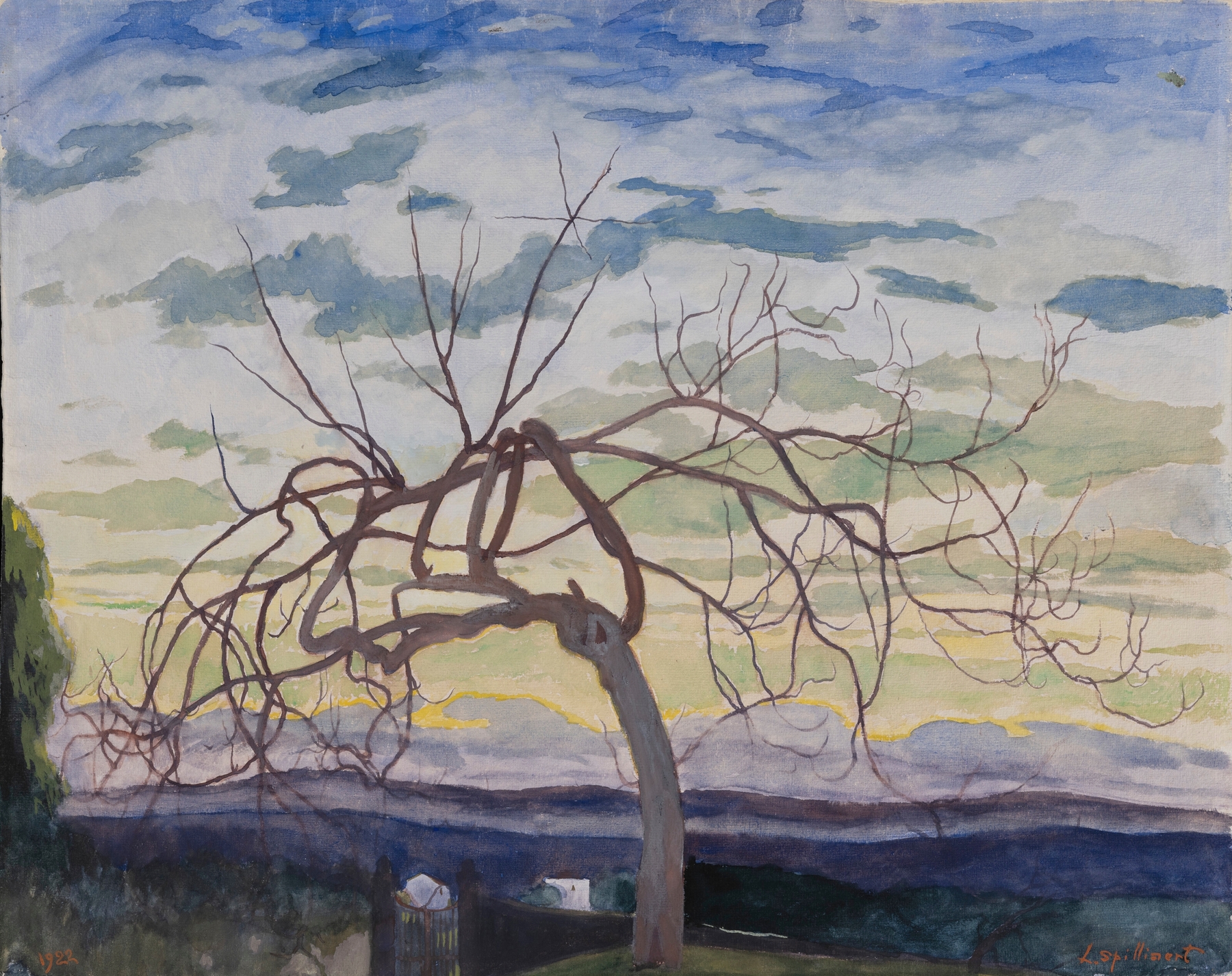
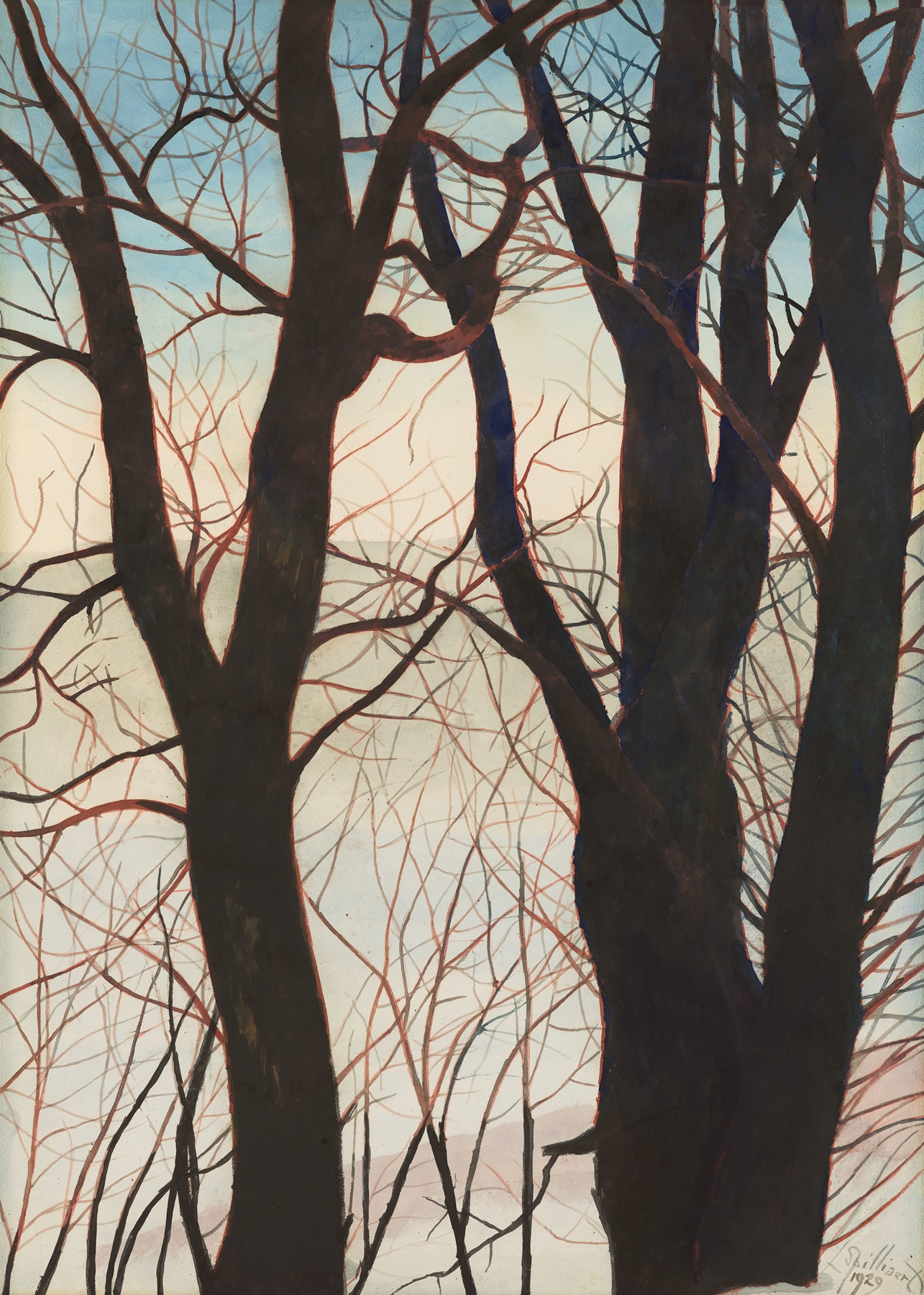
The canvas doesn’t lie — it simply waits. Each brushstroke invites us to reveal the hidden layers of meaning nestled within the foliage and light. Look to the right at the towering, dark trees that stretch upward, their branches reaching like fingers into the sky. Thick, expressive strokes of green and deep browns contrast sharply against a luminous backdrop of soft blues and gentle whites.
The play of light across the scene creates a sense of depth, drawing the eye to the delicate interplay between shadow and illumination. It’s as if the trees themselves harbor secrets, with the tranquil backdrop suggesting a world beyond their grasp. As you study the painting, notice the tension between the solid, grounded trunks and the ethereal quality of the sky. The juxtaposition of the robust forms of nature and the fragile, almost ghostly hues evokes a sense of contemplation and longing.
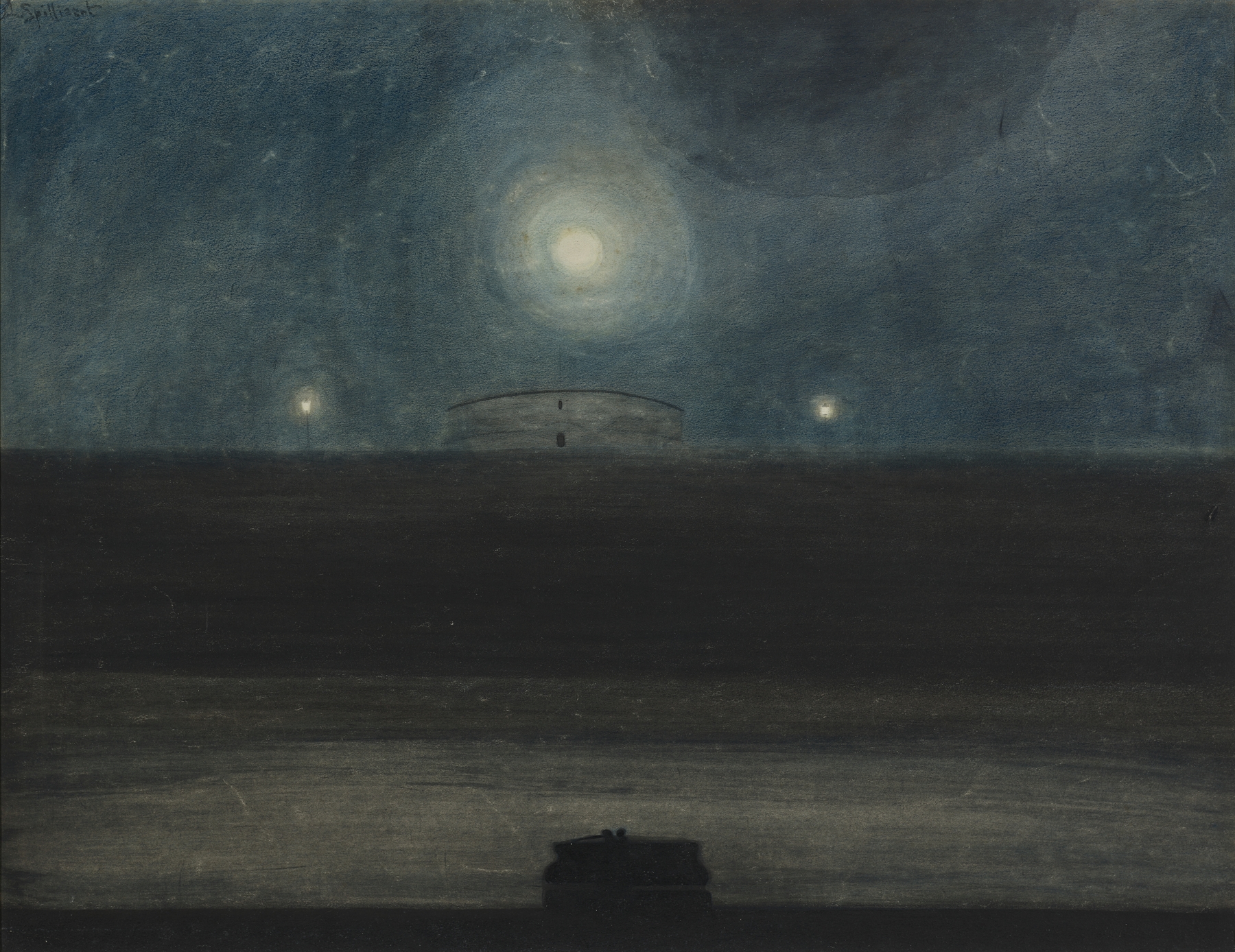
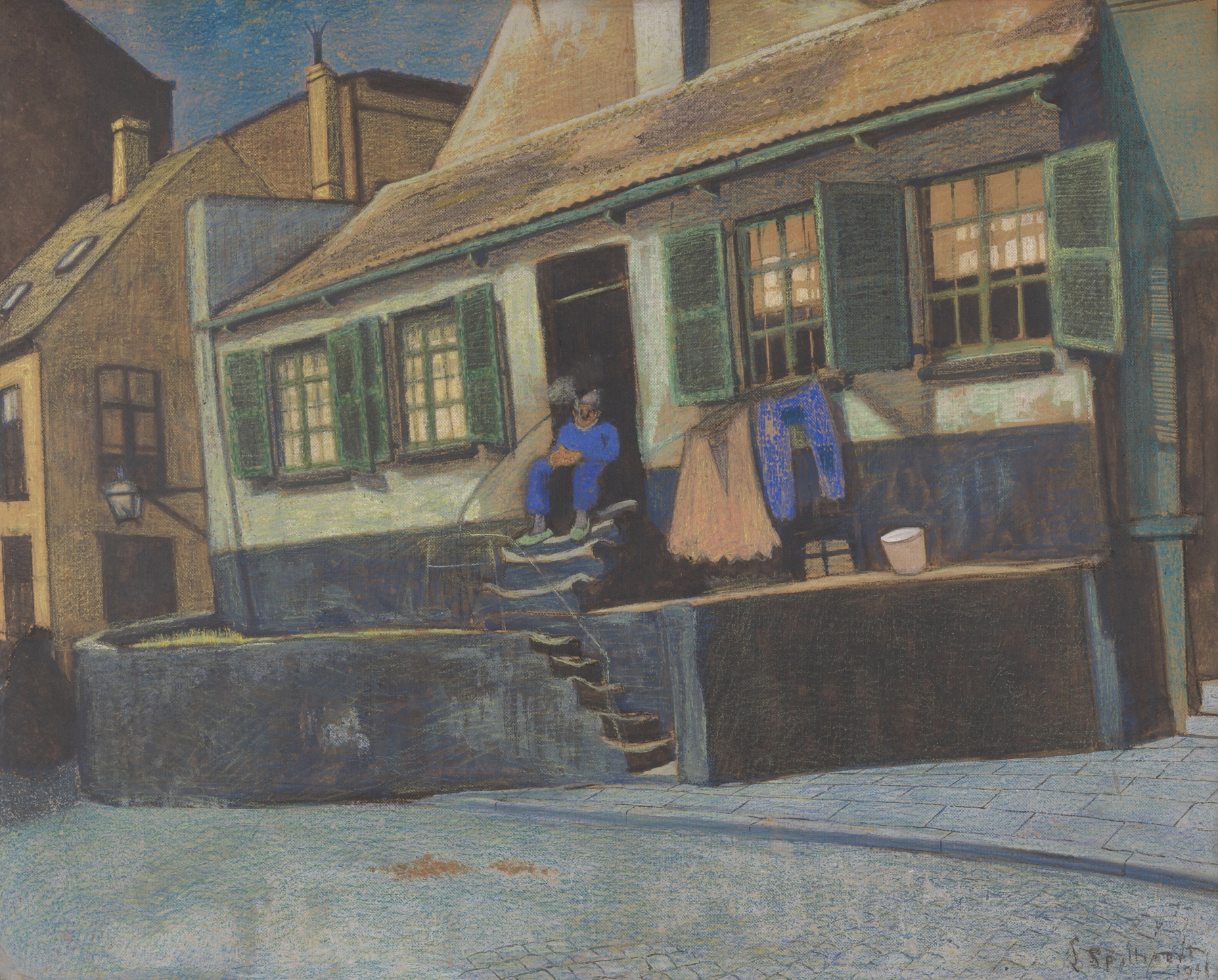
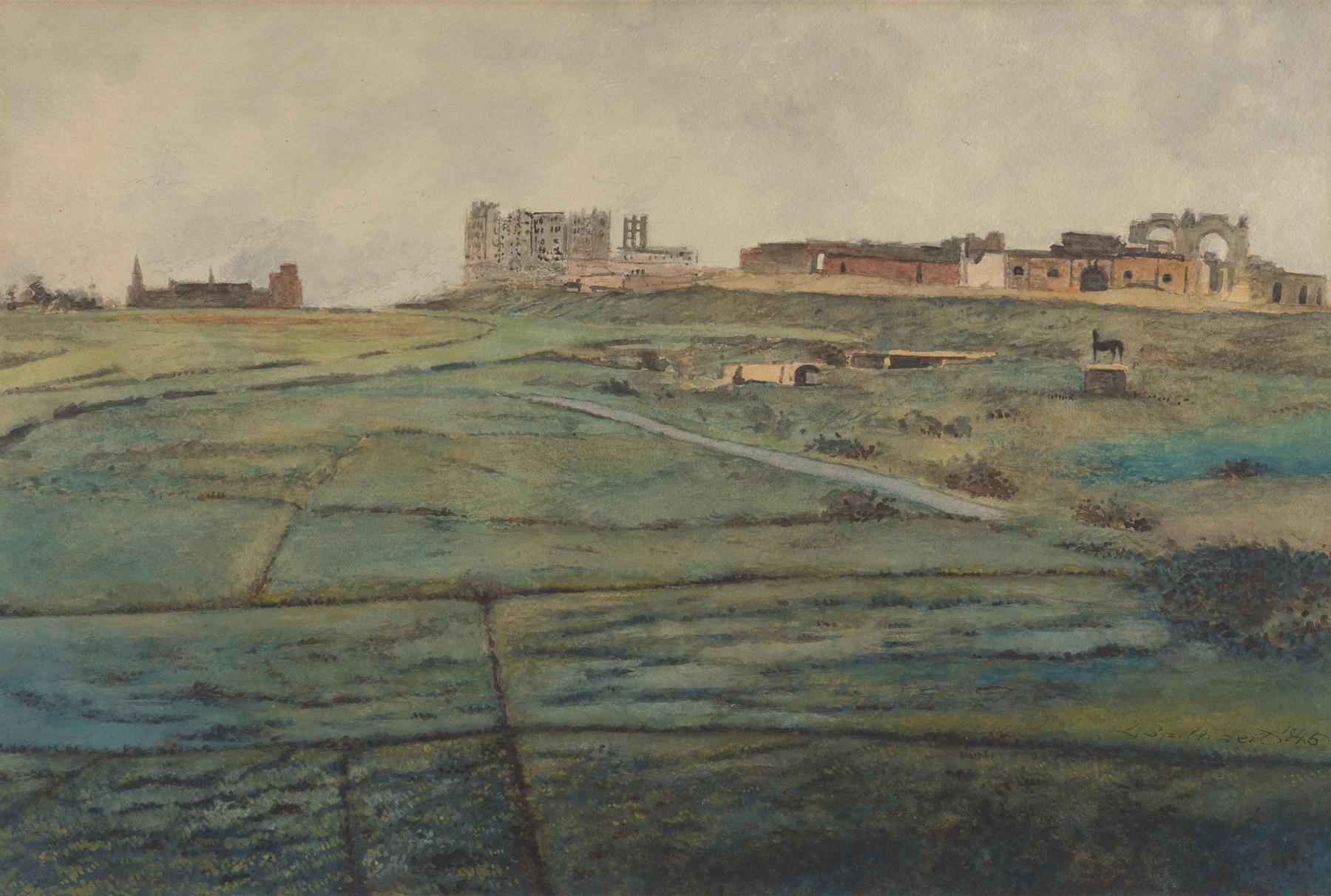
This gathering of trees, while static, seems to stir with an energy that whispers about the transience of life itself, prompting reflections on what lies within and beyond the frame. In 1925, while in Ostend, a pivotal moment in his career unfolded for Léon Spilliaert. At this time, he grappled with themes of isolation and introspection, exploring the interplay of light and darkness in a rapidly changing world. His fascination with the emotional resonance of landscapes reflected not only his personal journey but also a broader evolution in the art world, where expressive forms began to challenge traditional representation.
![Le Phare aux signaux [De vuurtoren], by Léon Spilliaert, public domain](https://froigstrpvutwqtqikzt.supabase.co/storage/v1/object/public/art-images/artworks/15c64ea88267bb2176f857ee48f253129140e660e1928d47acf6cab808d0226d.jpg)