
Landschap met boom op het voorplan — History & Analysis
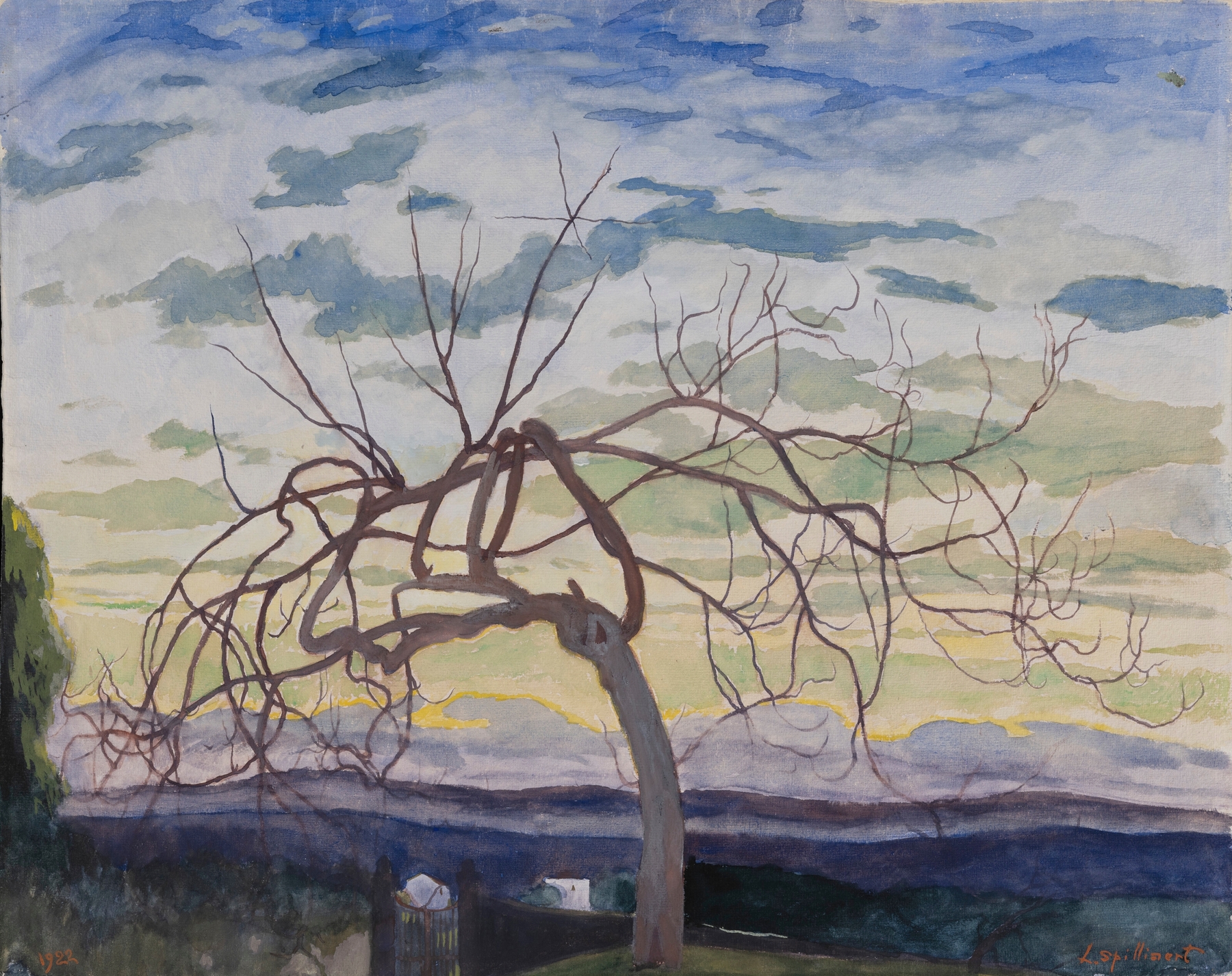
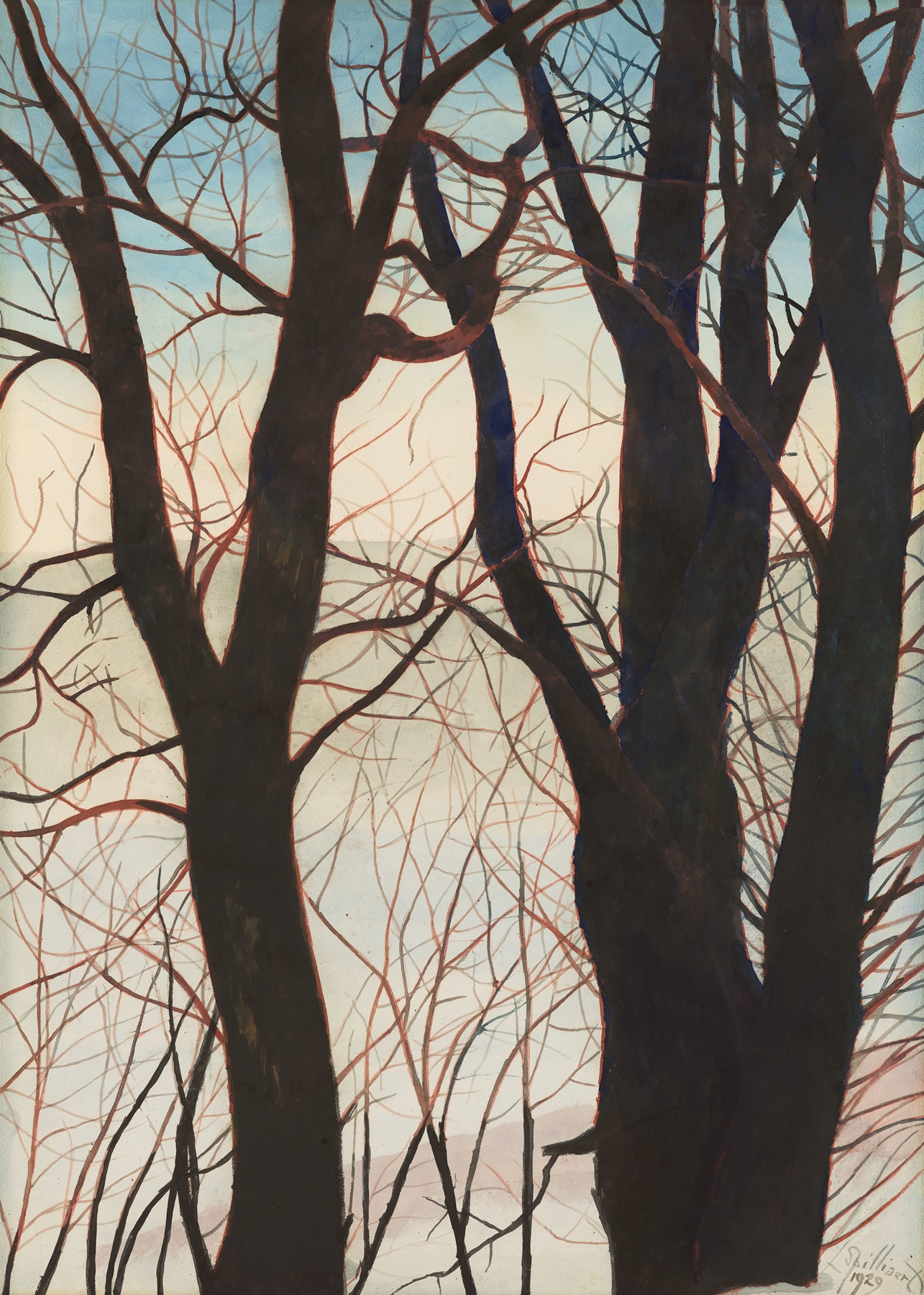
Could a single brushstroke hold eternity? In the tender embrace of Léon Spilliaert's Landschap met boom op het voorplan, the landscape speaks not just of nature, but of the fragile weight of emotion—betrayal lurking beneath its serene surface. Look to the left where a solitary tree rises, its gnarled branches stretching toward a milky sky that softly swirls with muted blues and greys. The composition draws you in with its careful balance of light and shadow, inviting contemplation.
Notice how the brushwork captures the texture of the bark with an almost haunting precision, while the delicate strokes of the horizon create a dreamlike quality, blurring the lines between reality and imagination. Within this scene, the stark contrast between the vibrant tree and the subdued background tells a complex story of isolation and longing. The tree stands as a symbol of resilience amidst an expansive emptiness, evoking a sense of betrayal not just from nature, but perhaps from within oneself. Each leaf seems to whisper secrets of past connections, while the looming clouds hint at unexpressed emotions, the kind that linger long after the moment has passed.
Created between 1929 and 1930, this work emerged during a period of introspection for Spilliaert, who was based in Ostend, Belgium. The artist was grappling with personal and artistic challenges, seeking a path through the shifting tides of modernism. This was a time when the world was on the brink of change, influencing his depiction of solitude and the profound depths of human experience captured in paint.
![Le Phare aux signaux [De vuurtoren], by Léon Spilliaert, public domain](https://froigstrpvutwqtqikzt.supabase.co/storage/v1/object/public/art-images/artworks/15c64ea88267bb2176f857ee48f253129140e660e1928d47acf6cab808d0226d.jpg)