Landschap met waterval en drinkend luipaard. Woest landschap (oosthoek van Java) — History & Analysis
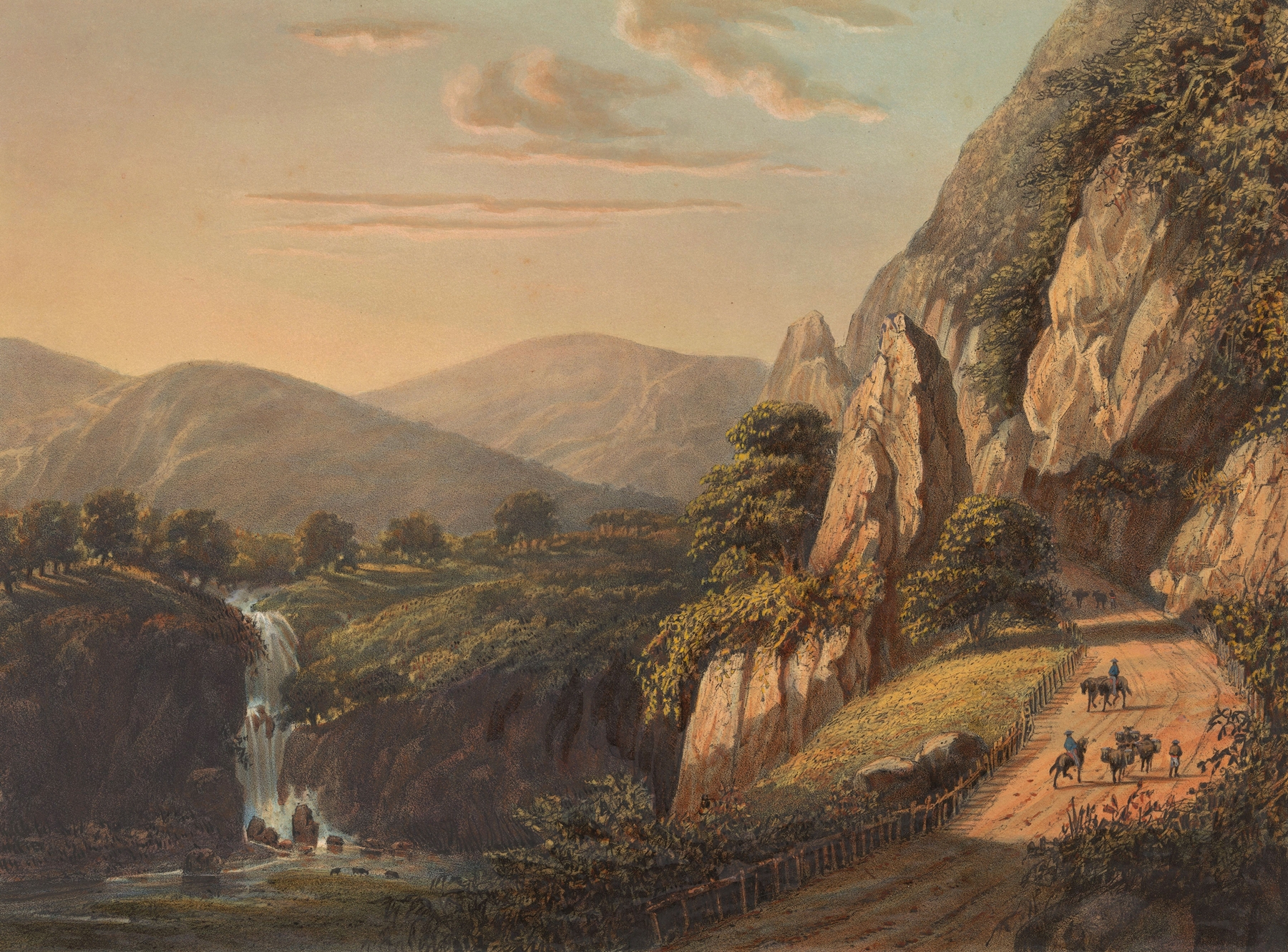
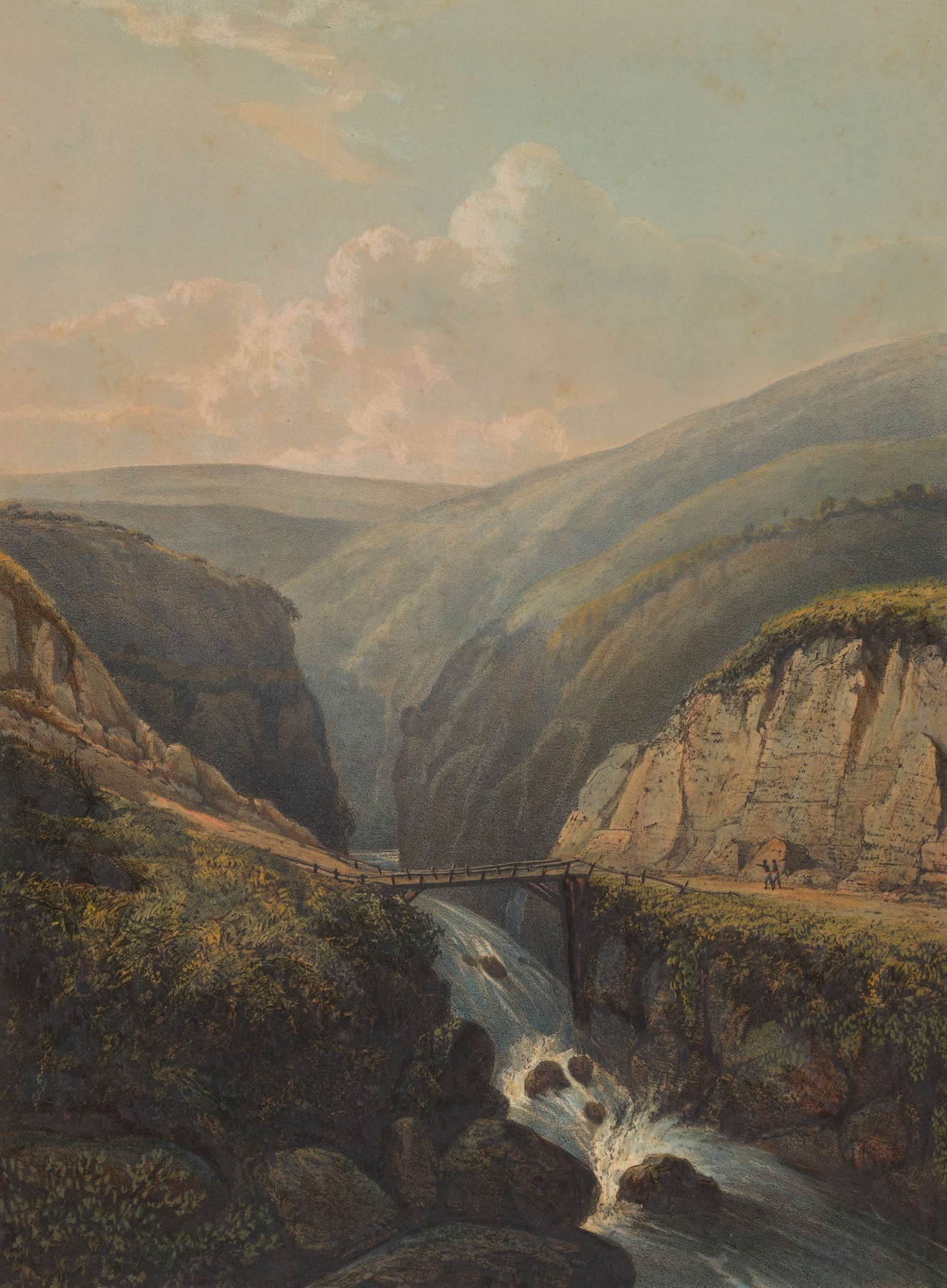
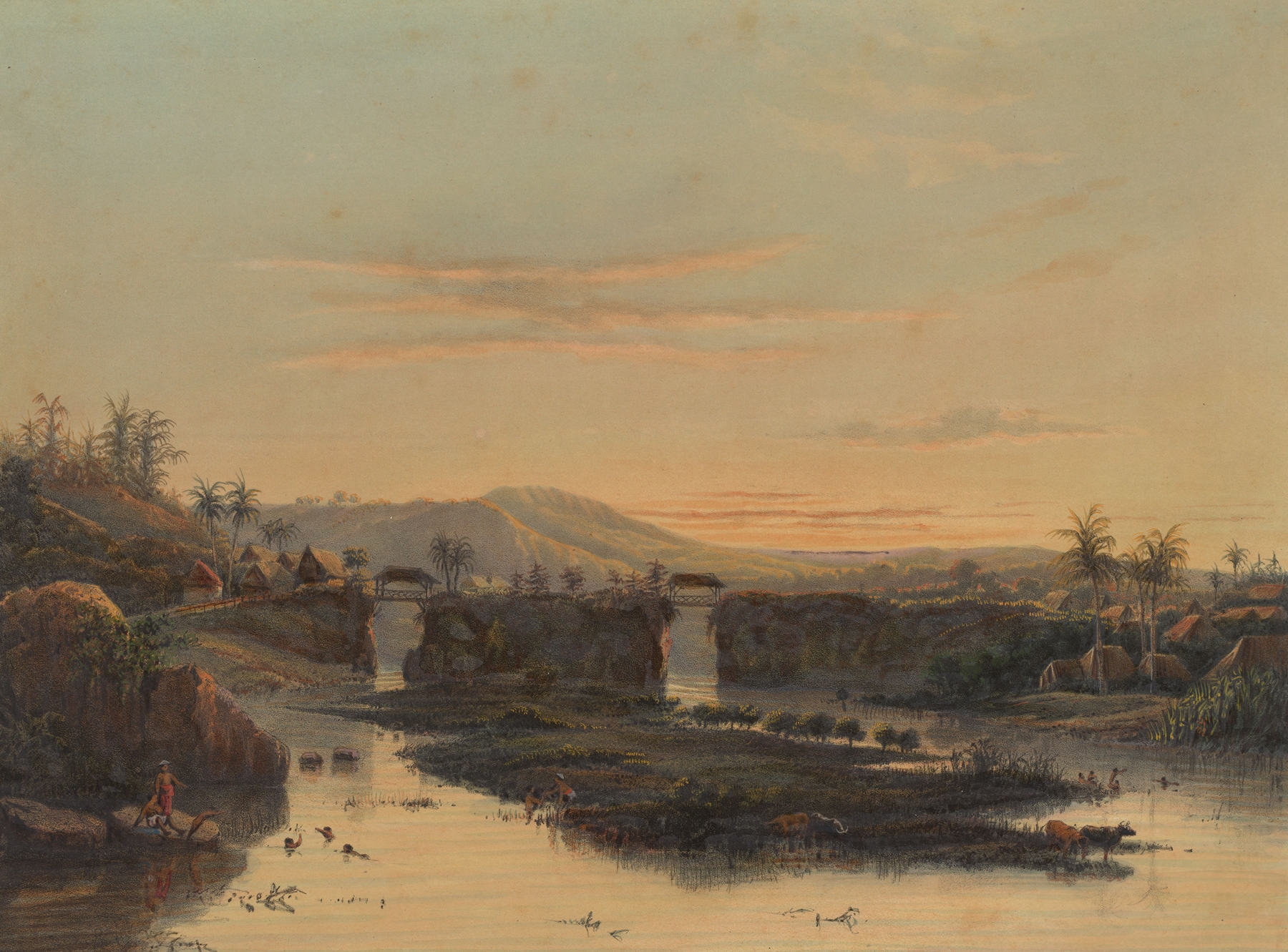
Can paint confess what words never could? In the rugged expanse of a wild Java landscape, each brushstroke carries the weight of silent longing, whispering tales of what has been lost. Look to the right at the bold, cascading waterfall, its shimmering surface reflecting hues of azure and jade. The jagged cliffs frame this scene, their dark tones contrasting starkly with the vibrant greens of the surrounding foliage. Notice how the artist employs a dynamic interplay of light and shadow, creating depth that pulls the viewer’s gaze towards the drinki ng leopard, poised elegantly near the water's edge.
The delicate details in the animal's fur and the careful rendering of the surrounding vegetation invite you to linger, to absorb the essence of the untamed wilderness. Yet beneath this beauty lies a poignant tension. The leopard, a symbol of strength and independence, stands alone, embodying the solitude that often accompanies loss. The rugged landscape cradles an unsettling quiet, as if it mourns the absence of life and companionship.
The subtle blending of colors suggests a world caught between vibrancy and decay, a reflection of emotions that resonate deeply within the viewer. In 1869, Johan Conrad Greive painted this work during a time of personal upheaval and transition. Living in the Dutch East Indies, he navigated the complexities of colonial life while grappling with the fleeting nature of beauty and existence. The broader art world was shifting too, as Romanticism began to give way to newer movements, yet Greive’s affinity for capturing evocative landscapes reveals a lingering attachment to the sublime and the haunting beauty of what is ephemeral.