
Landschap voor ‘Au temps que Nanette était perdue’ — History & Analysis
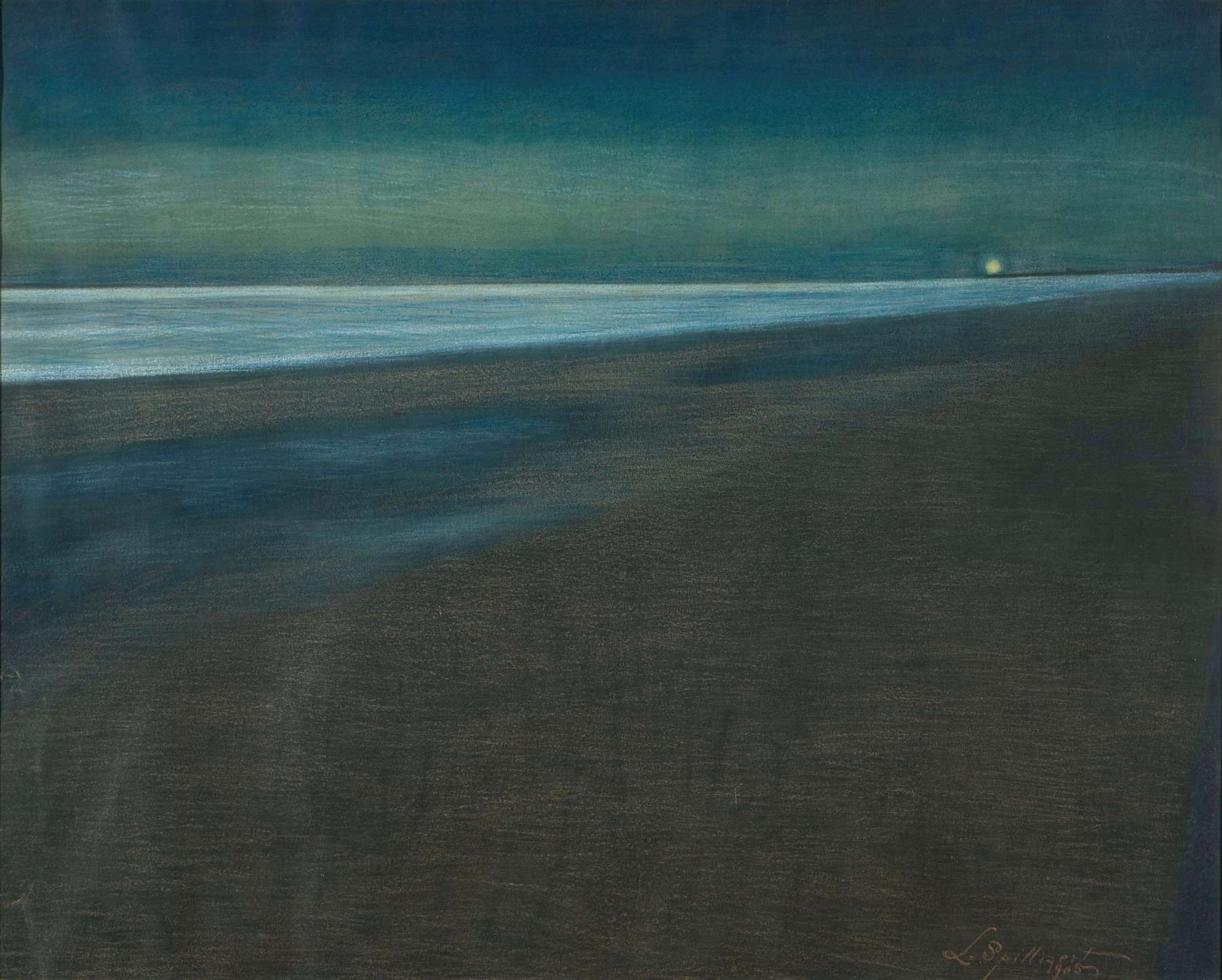
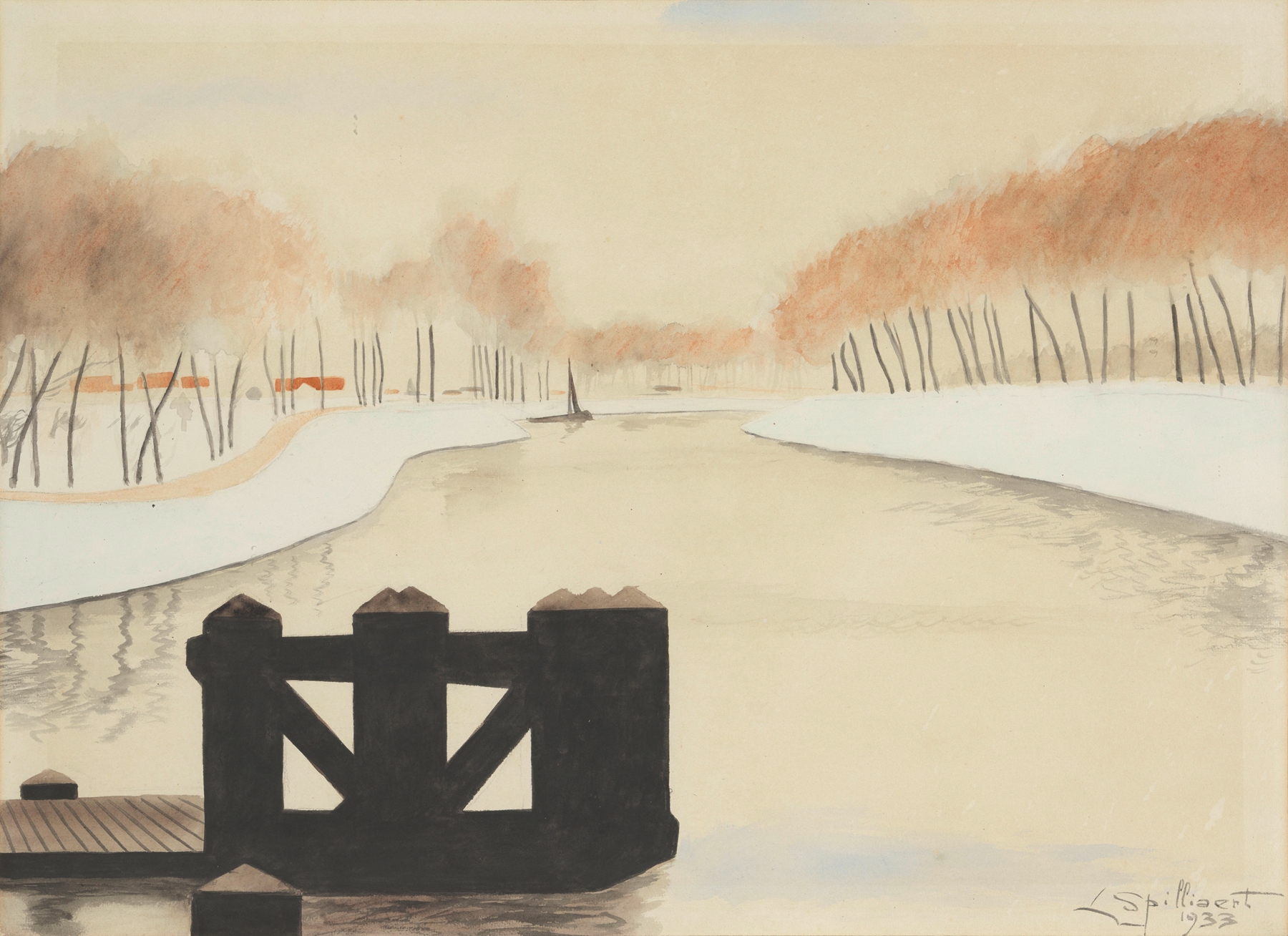
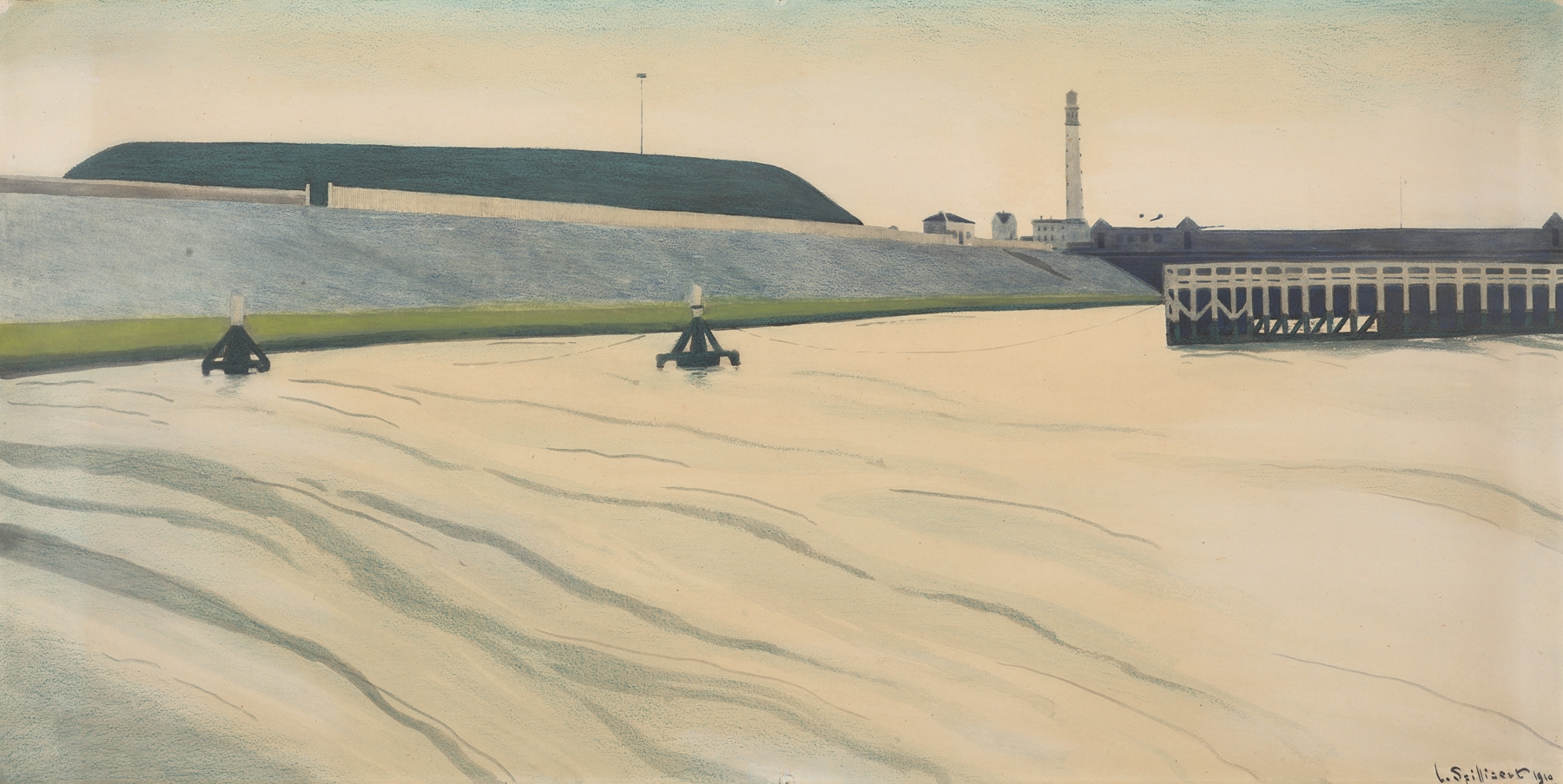
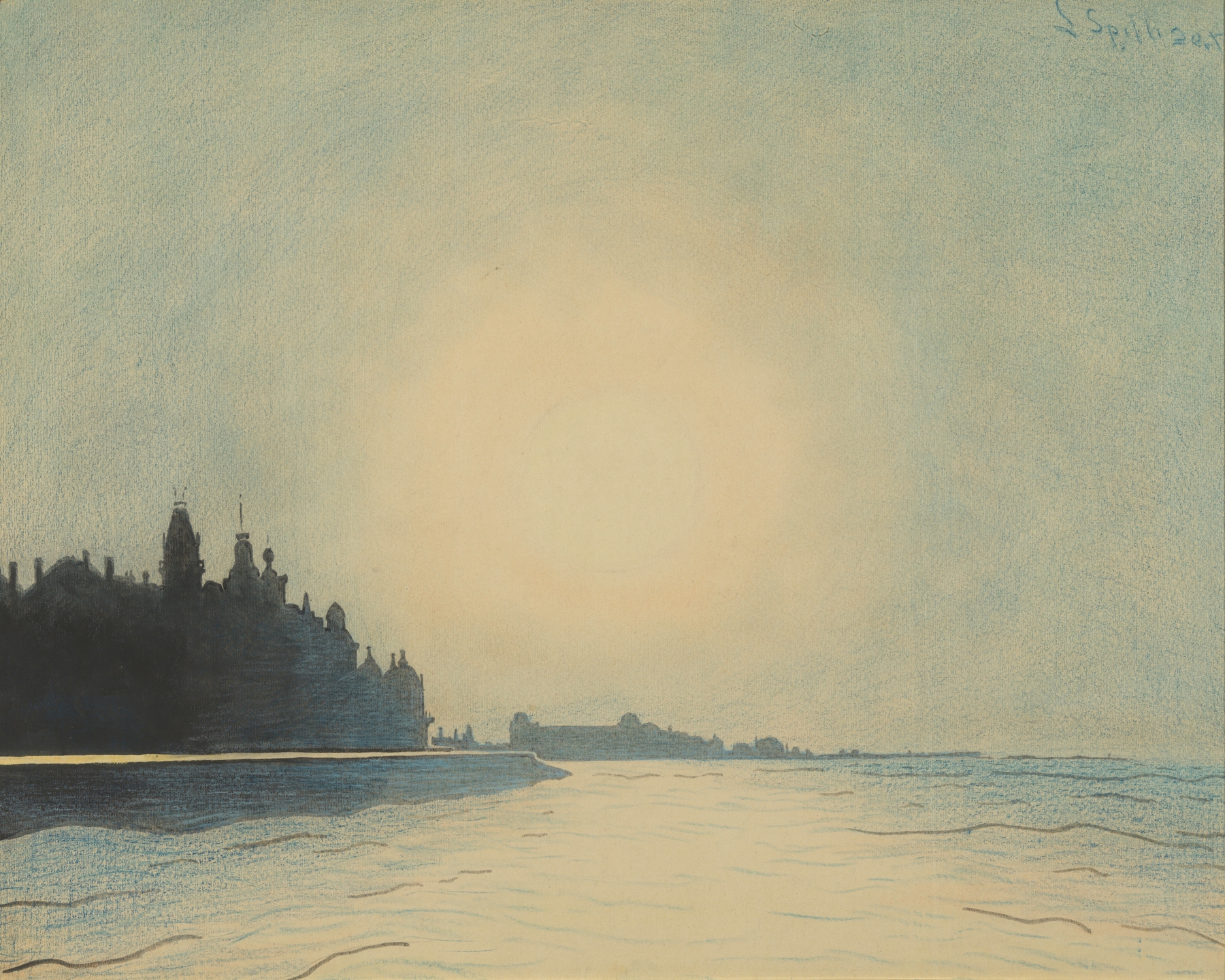
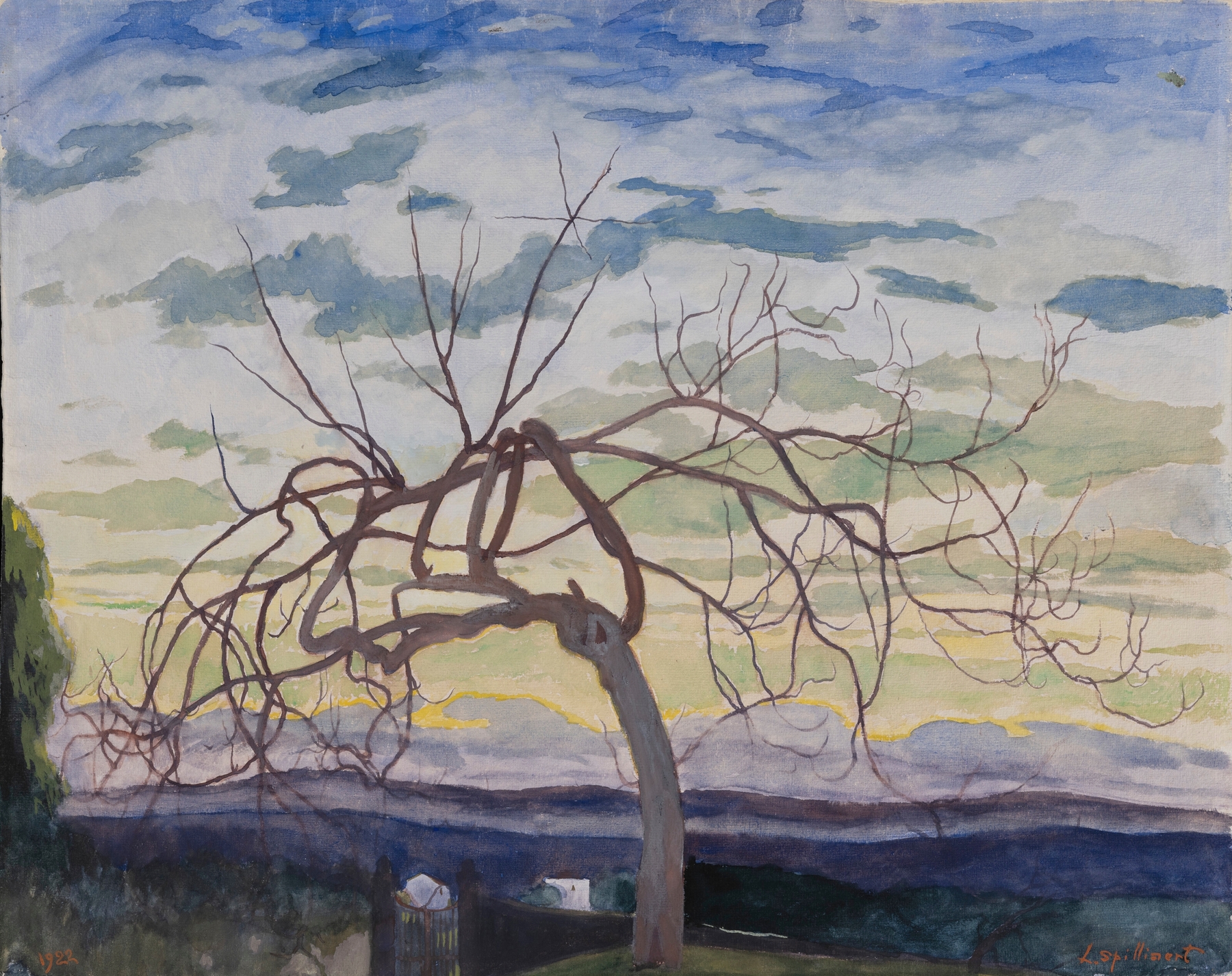
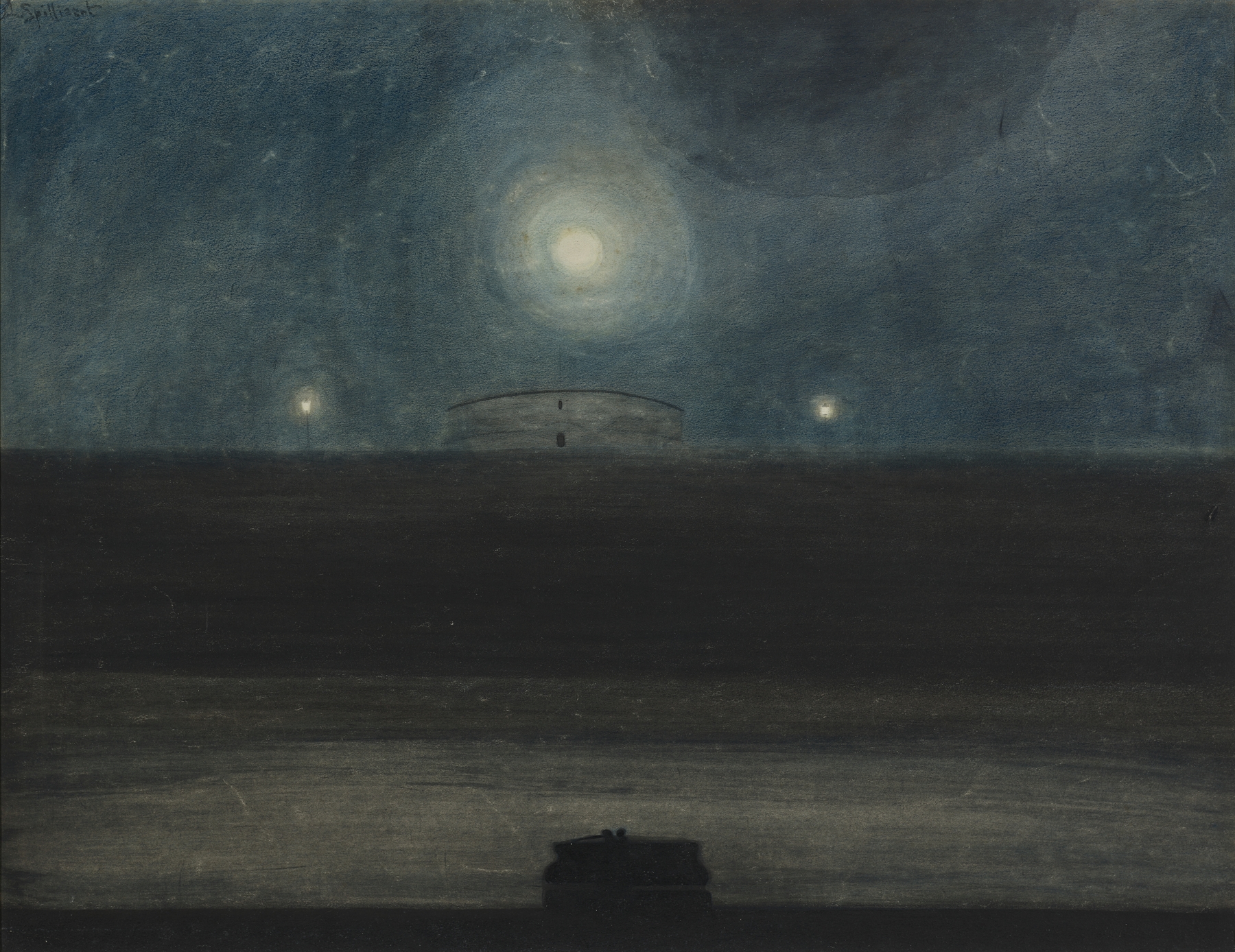
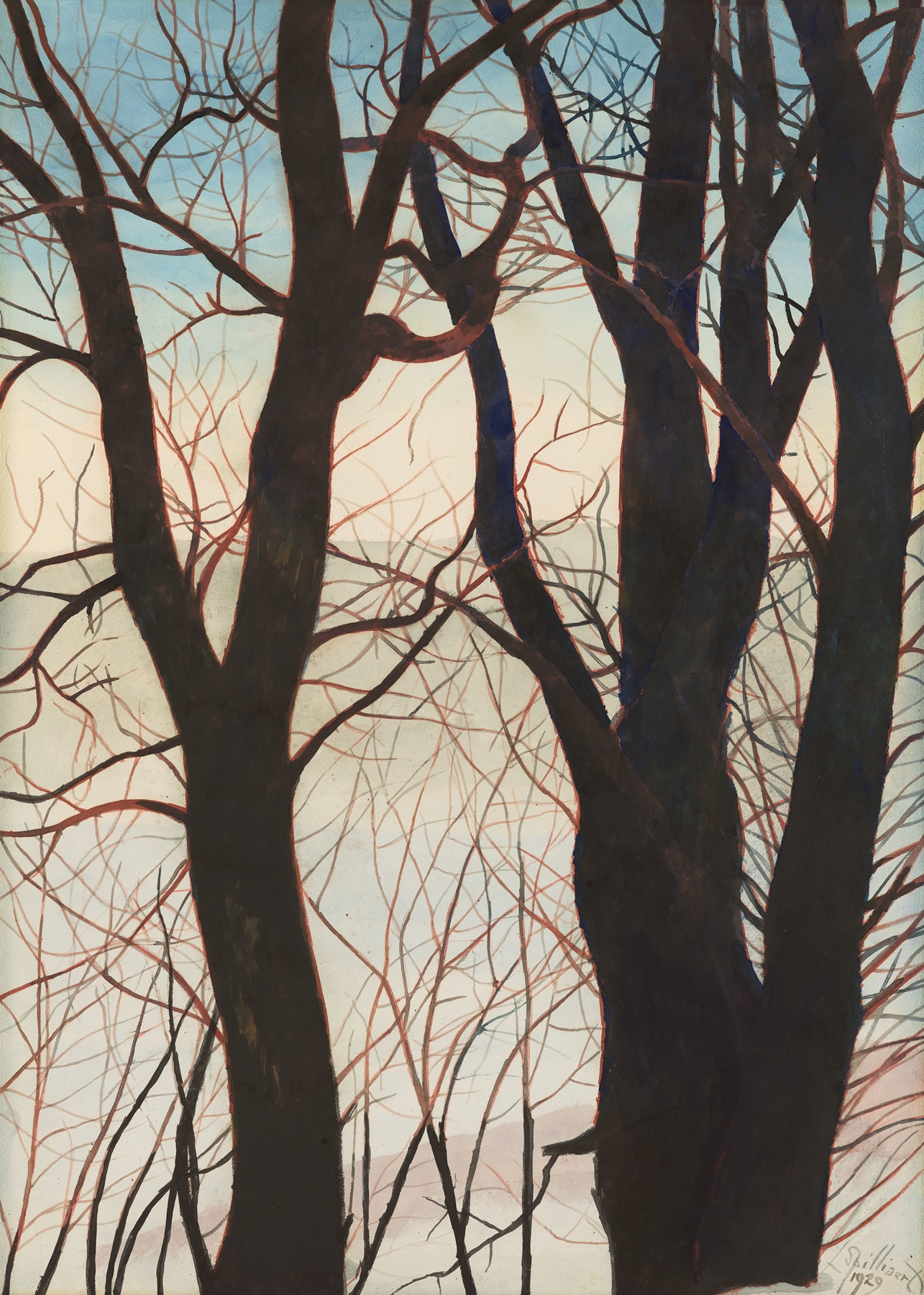
“Under the brush, chaos becomes grace.” In Landschap voor ‘Au temps que Nanette était perdue’, the viewer is invited to witness a realm where turmoil transforms into something transcendental, where landscapes echo the soul's complex emotions. Look to the center, where pale shades of blue and gray meld seamlessly, evoking a serene yet elusive horizon. The delicate brushwork creates a fluidity that invites the eye to wander, while hints of deep green punctuate the scene, suggesting life still breathes beneath the surface. Spilliaert’s technique employs juxtaposed strokes that convey both movement and stillness, inviting contemplation in the silence of nature.
The interplay between light and shadow enhances the ethereal quality, breathing an air of mystery into the landscape’s contours. Subtle details emerge as one studies this piece more closely: a faint ripple on the water’s edge, a distant tree barely touching the sky, and the way the colors whisper of nostalgia and loss. These elements reflect not just the physical landscape, but the emotional landscape of longing and introspection. The tranquility is tinged with a profound sense of yearning, hinting at the unseen weight of memories that linger just out of reach.
Between 1930 and 1931, Spilliaert created this artwork while grappling with personal loss and existential questions. The period marked his gradual departure from earlier styles, embracing a more introspective and abstract approach, influenced by his engagement with Symbolism and the emerging modernist movements. He navigated the tumultuous waters of his own experience, channeling that turmoil into a landscape that resonates with universal themes of longing and transcendence.
![Le Phare aux signaux [De vuurtoren], by Léon Spilliaert, public domain](https://froigstrpvutwqtqikzt.supabase.co/storage/v1/object/public/art-images/artworks/15c64ea88267bb2176f857ee48f253129140e660e1928d47acf6cab808d0226d.jpg)