
Meadow Flowers — History & Facts
In an age where nature often feels distant, how does one capture the essence of fleeting beauty and longing in a meadow? Look to the center of the canvas, where a vibrant cascade of goldenrod and wild aster sways gently in a breeze that seems to whisper secrets. The delicate brushstrokes create an almost ethereal quality, allowing light to dance across the petals, illuminating the yellows and purples against a backdrop of soft greens. Notice how the artist layers texture and color, inviting viewers to not just see, but to experience the meadow’s quiet pulse of life. Beneath this serene beauty lies a profound tension between the ephemeral and the eternal.
Each flower, vivid yet fragile, embodies a moment that exists only to fade. The contrasting hues mirror the complexity of emotion—joy intertwined with sadness, celebration of nature’s splendor shadowed by the inevitable passage of time. This duality resonates with a deeper yearning, a desire to grasp the fleeting moments before they vanish. At the time of creating Meadow Flowers, Twachtman was immersed in the American Impressionist movement, painting in Connecticut in the late 19th century.
The world was shifting, modernity encroaching upon the pastoral landscape he cherished. This work reflects his inner struggle to reconcile the beauty of the natural world with the changing tides of society, capturing a moment of connection that transcends time.
More Artworks by John Henry Twachtman

Hemlock Pool
John Henry Twachtman
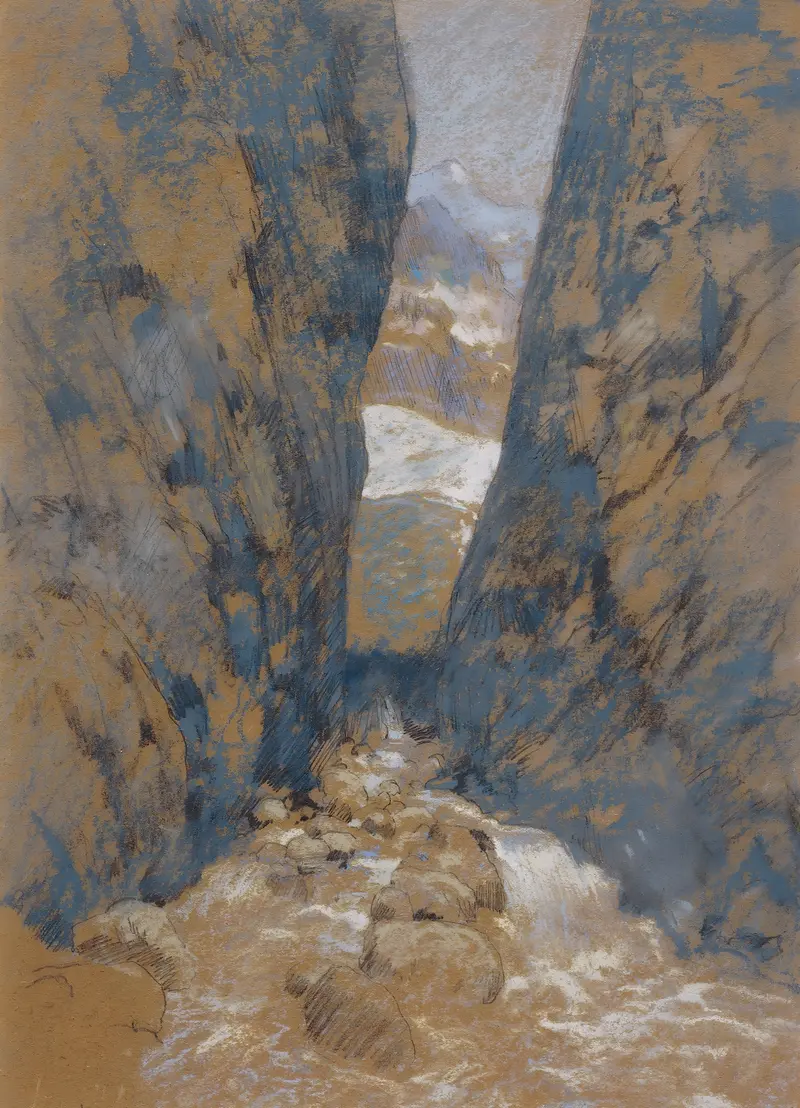
A Mountain Gorge
John Henry Twachtman
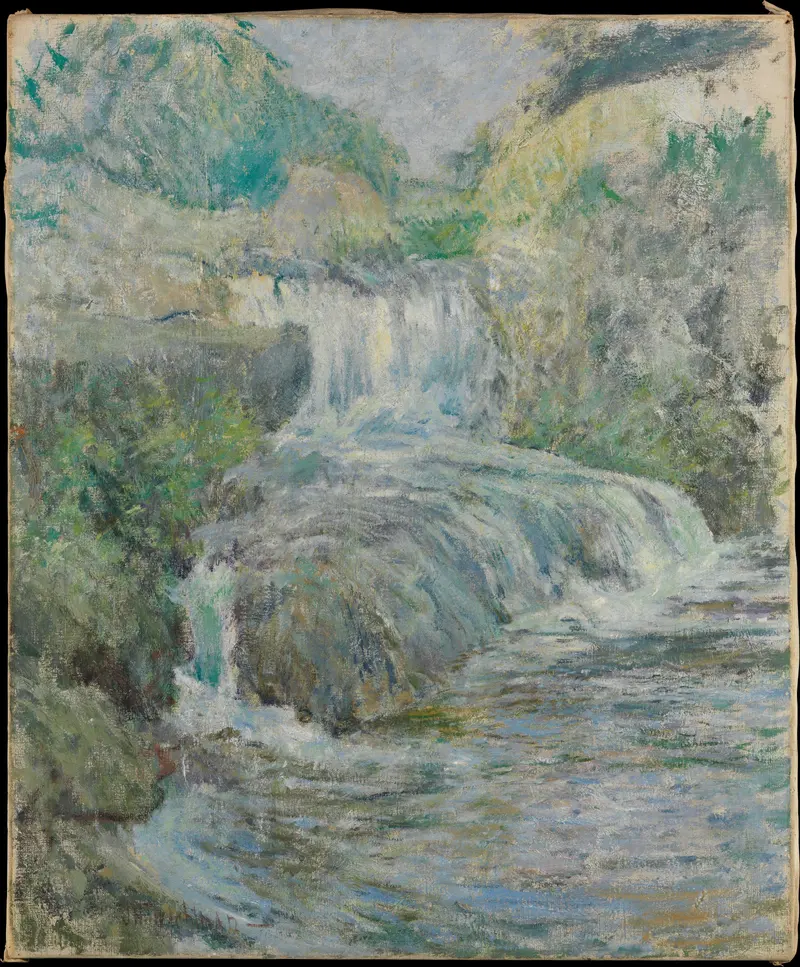
Waterfall
John Henry Twachtman
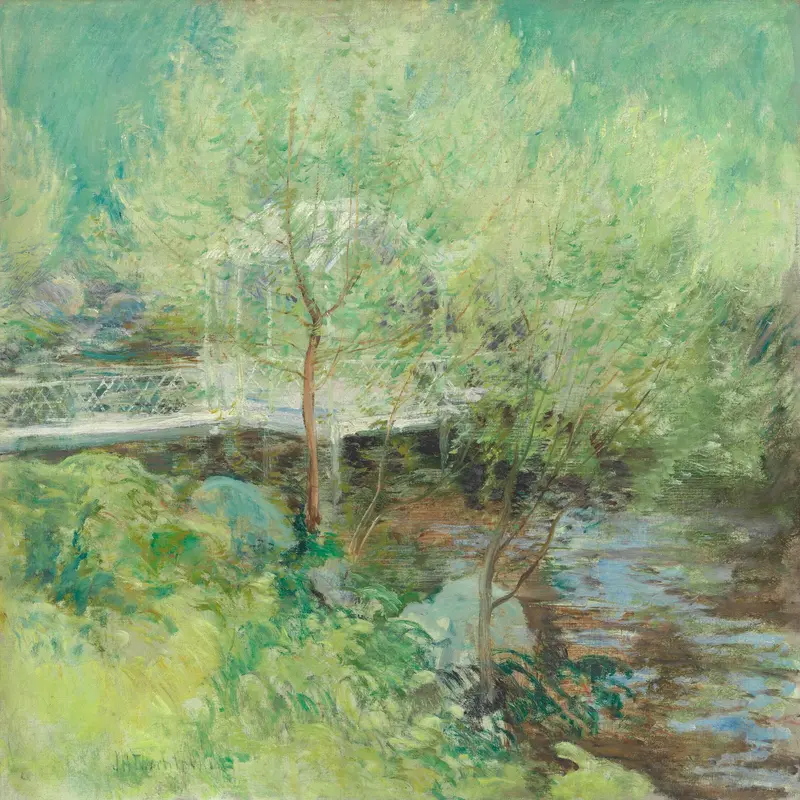
The White Bridge
John Henry Twachtman
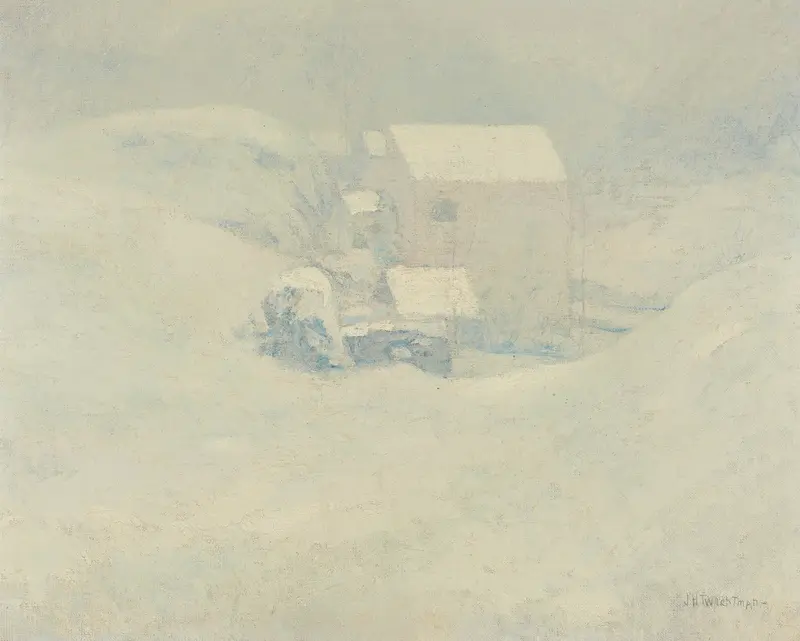
Snow
John Henry Twachtman
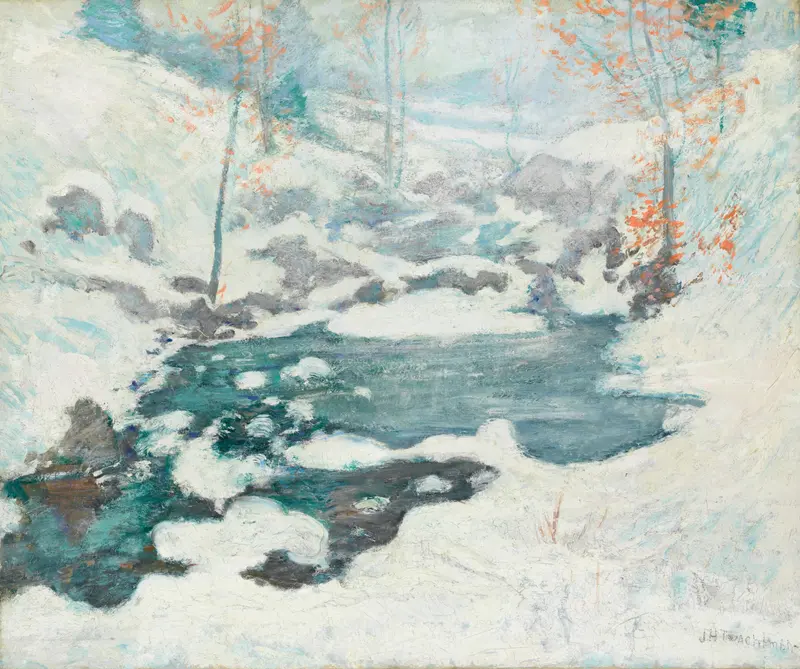
Icebound
John Henry Twachtman

Summer Afternoon
John Henry Twachtman
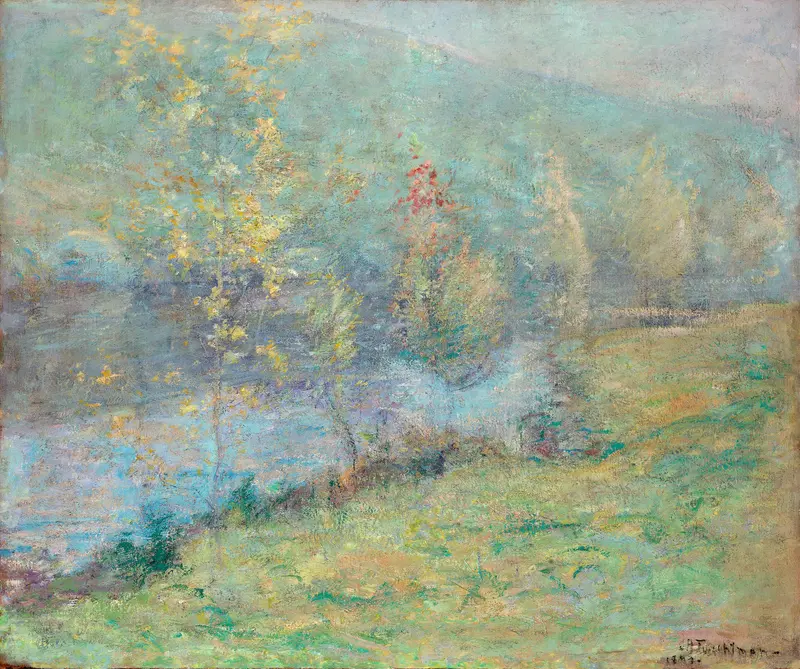
Misty May Morn
John Henry Twachtman
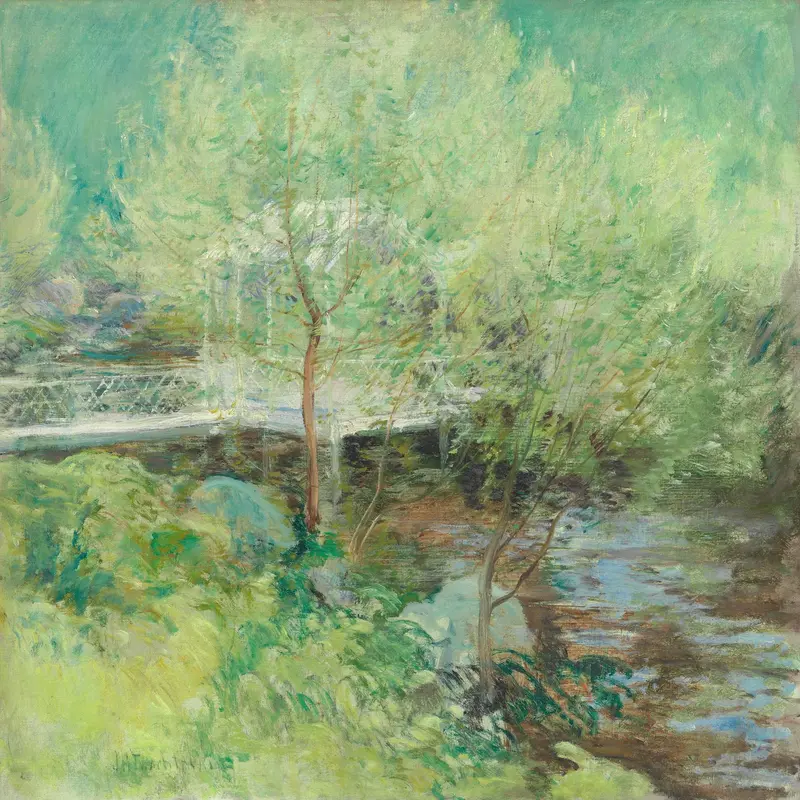
The White Bridge
John Henry Twachtman
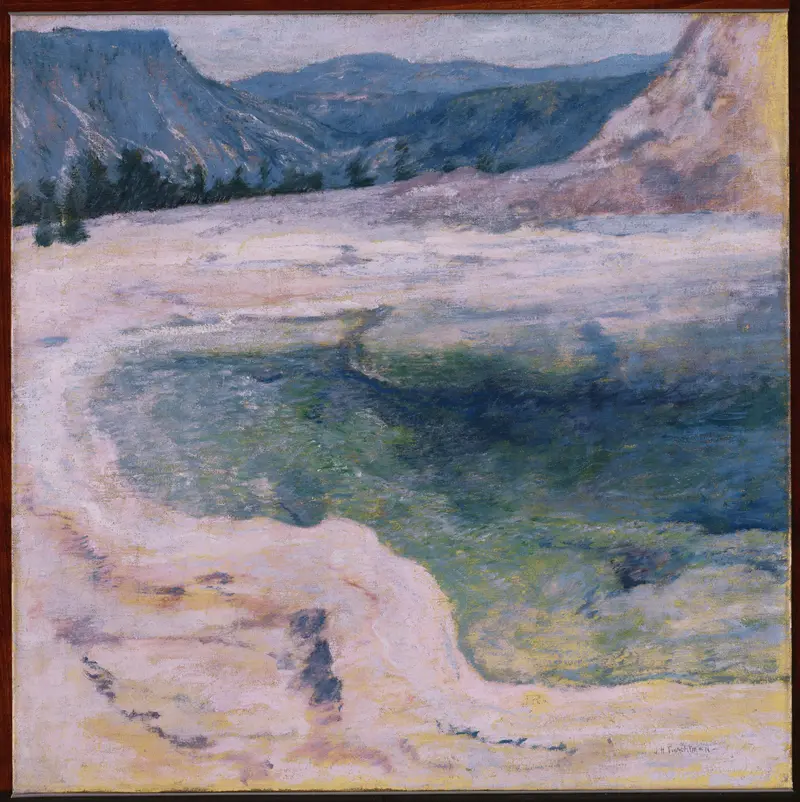
The Emerald Pool
John Henry Twachtman
More Landscape Art

The Starry Night
Vincent van Gogh

View of Delft
Johannes Vermeer

Water Lilies
Claude Monet

The Grand Canal, Venice, looking north-west from the Ca' Corner to the Ca' Contarini degli Scrigni, with the campanile of Santa Maria della Carità
Canaletto

Windsor Castle
Canaletto

The Grand Canal looking North-East from the Palazzo Dolfin-Manin to the Rialto Bridge
Canaletto