Mühle in Goisern — History & Analysis
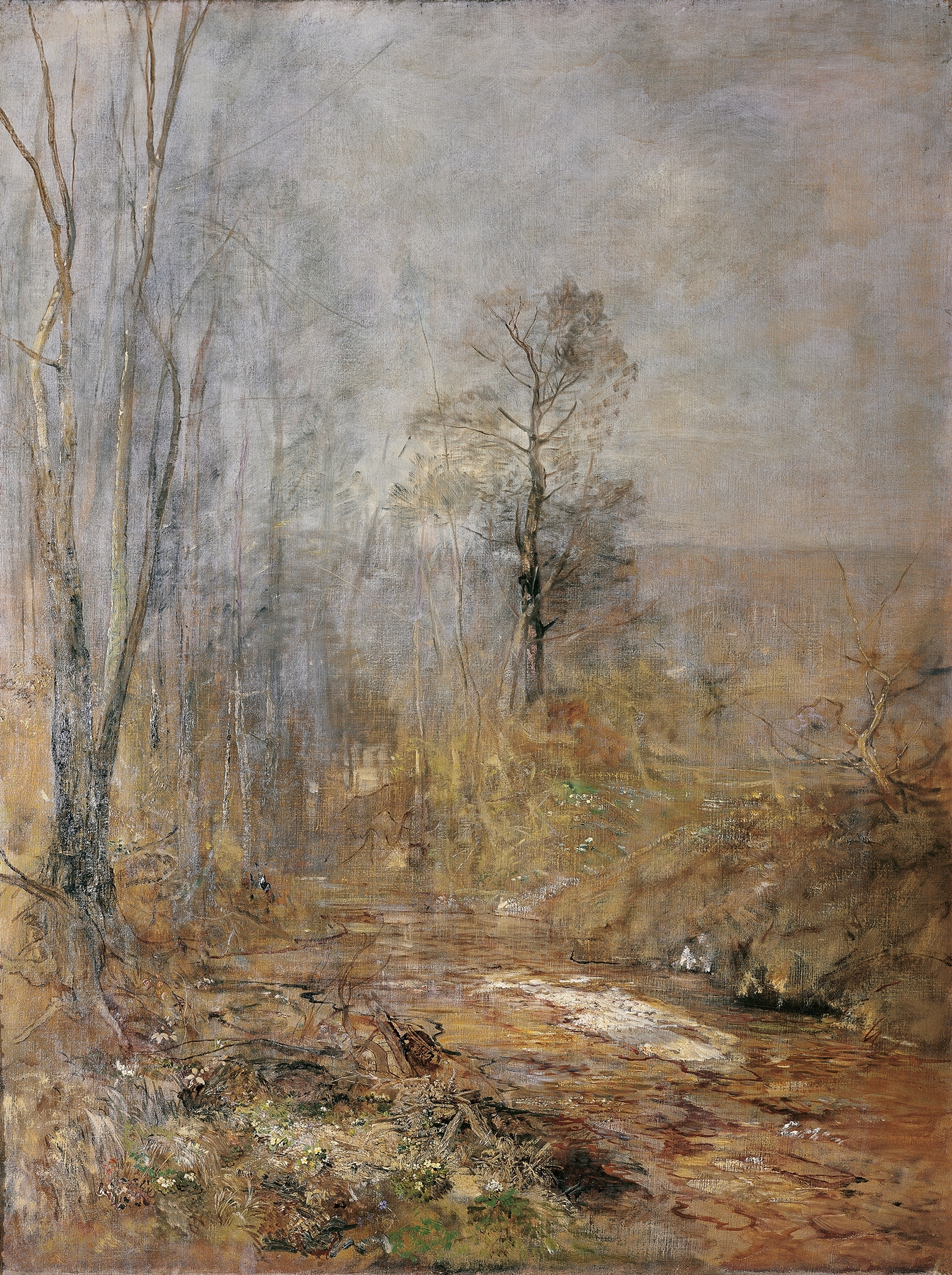
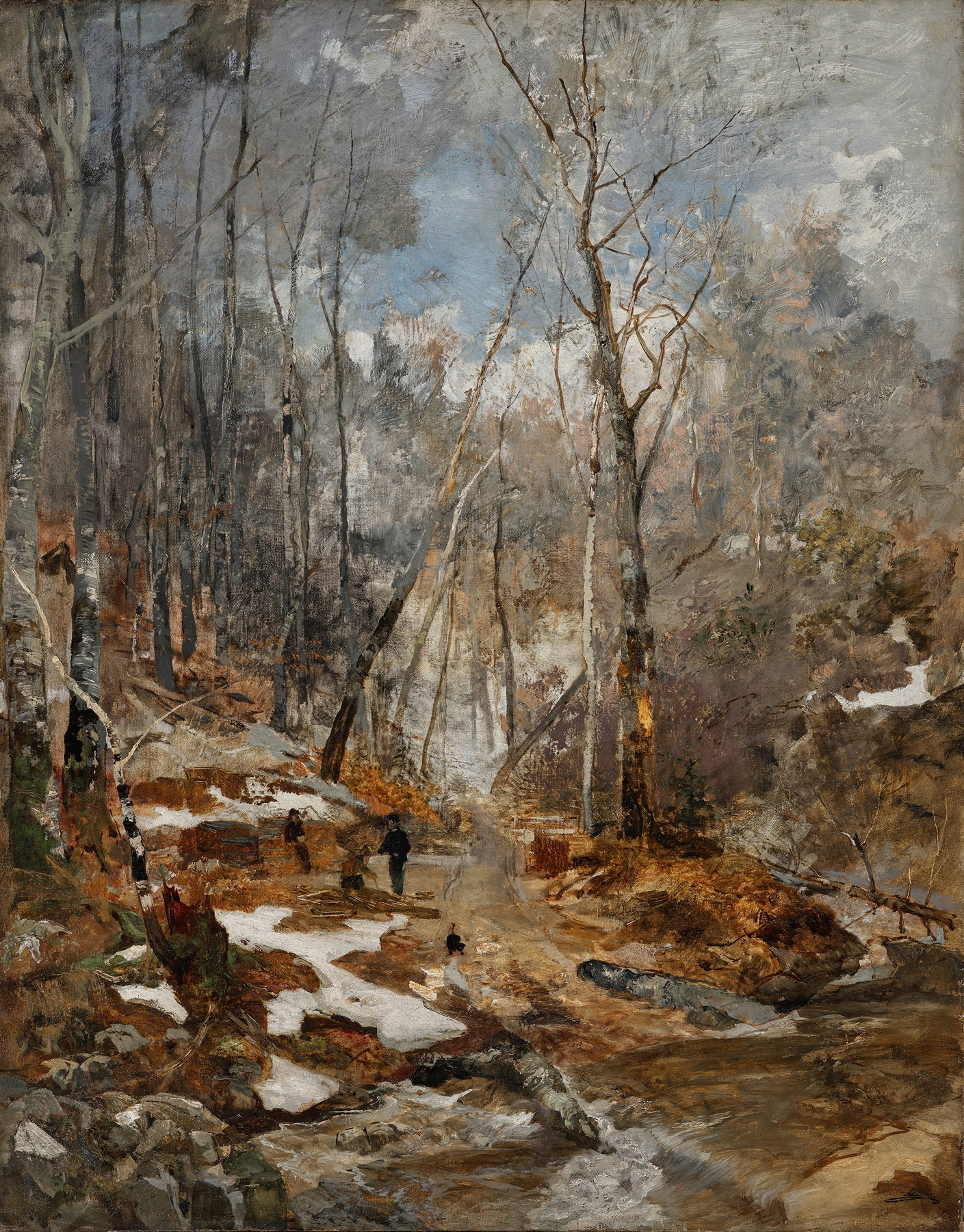
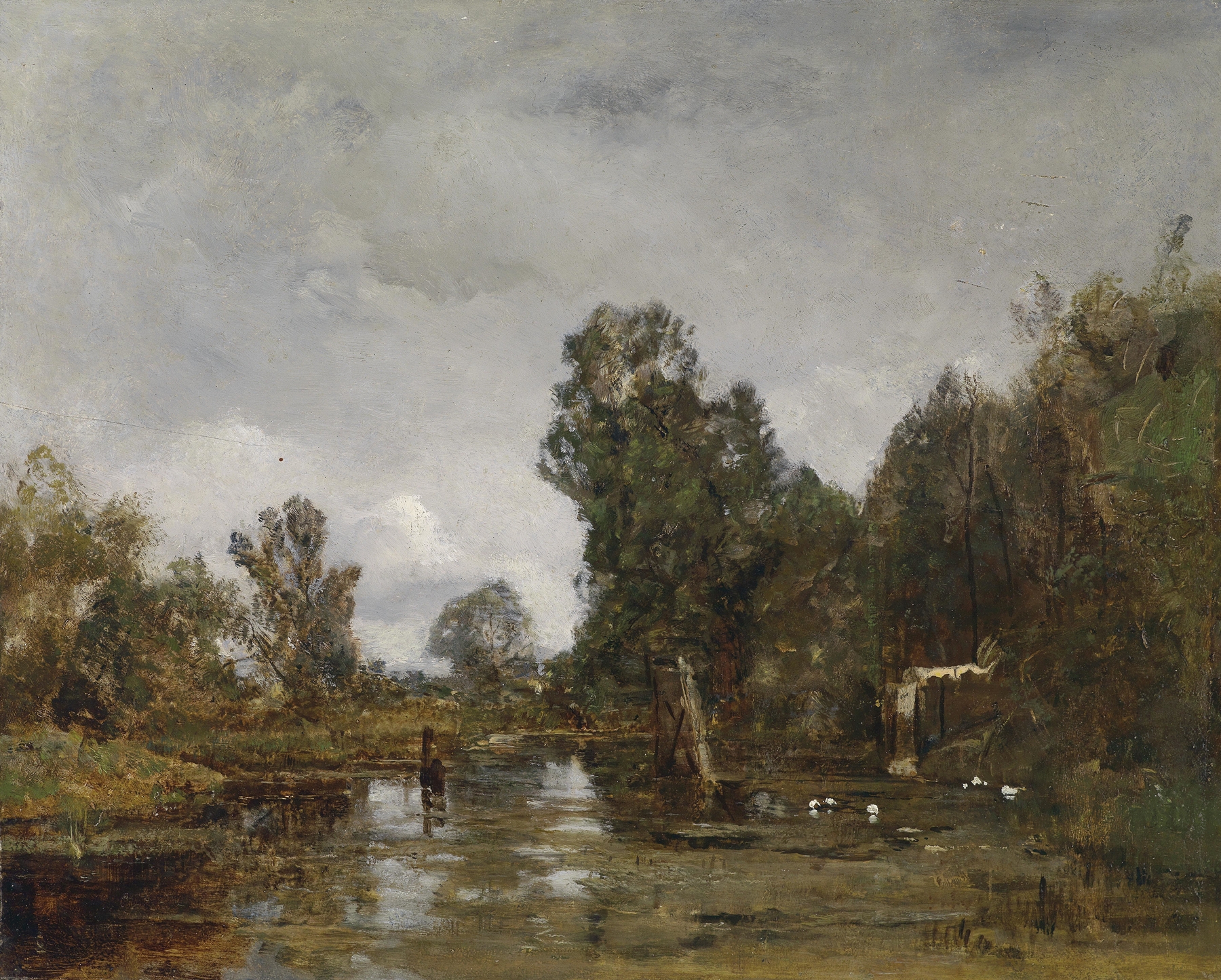
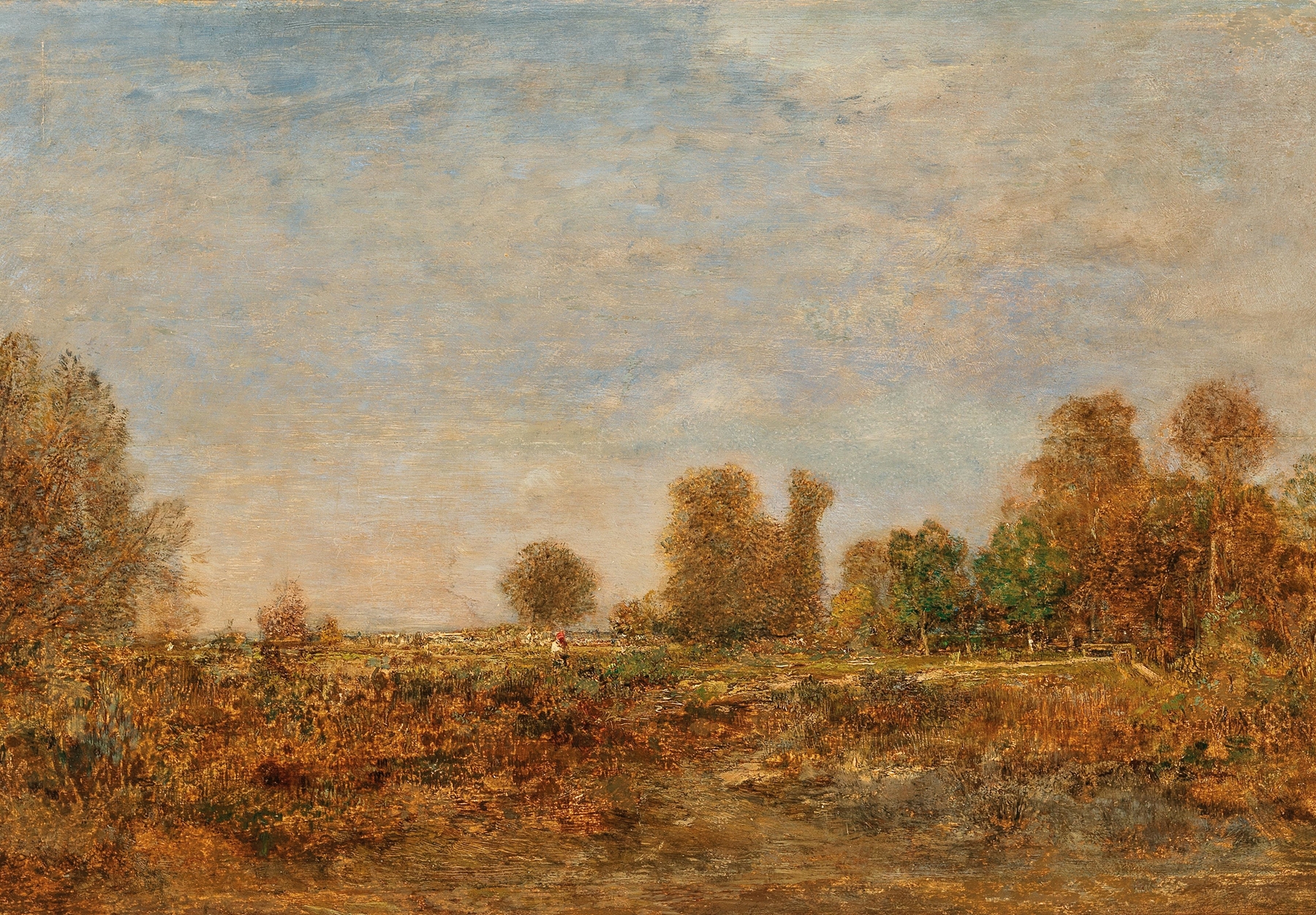
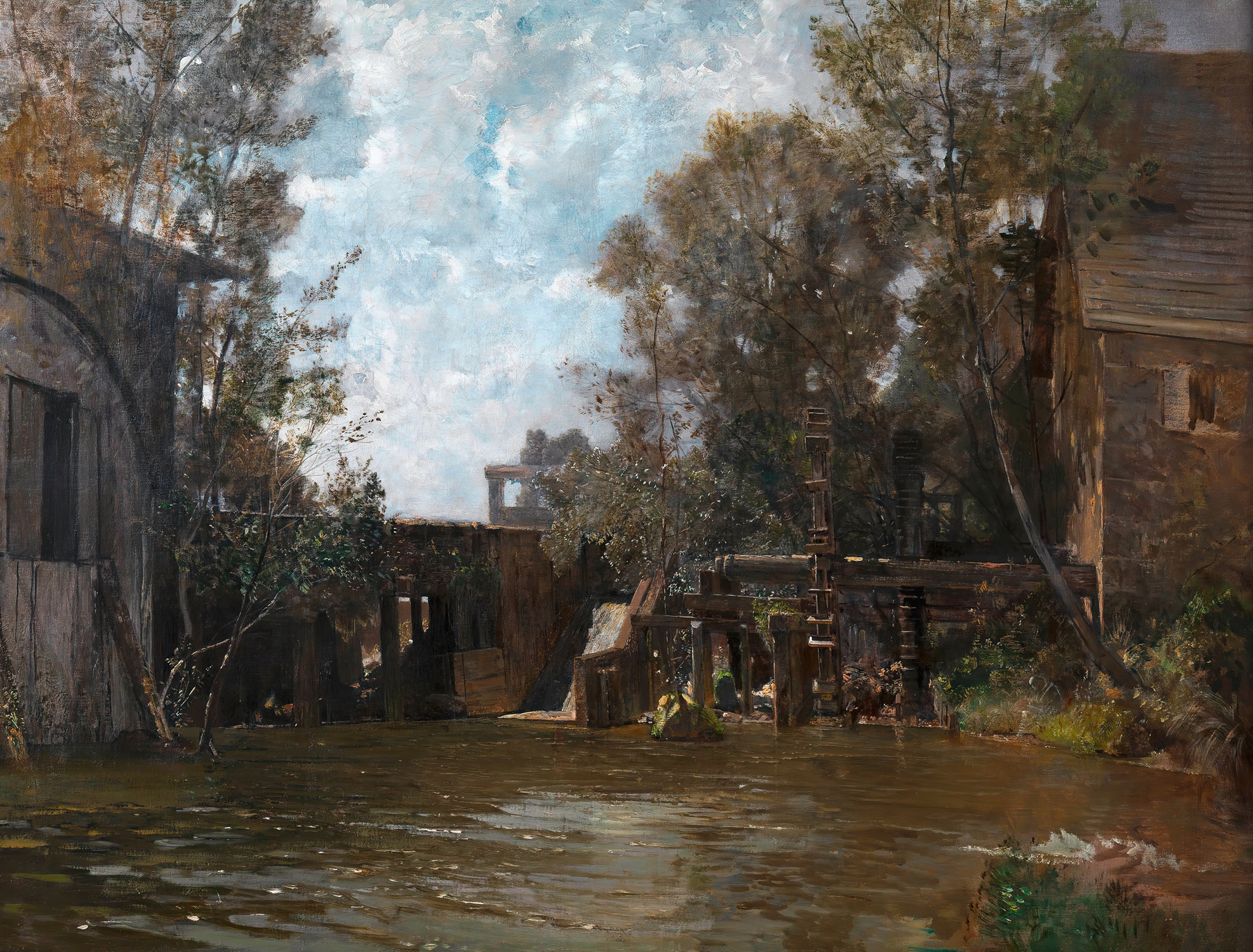
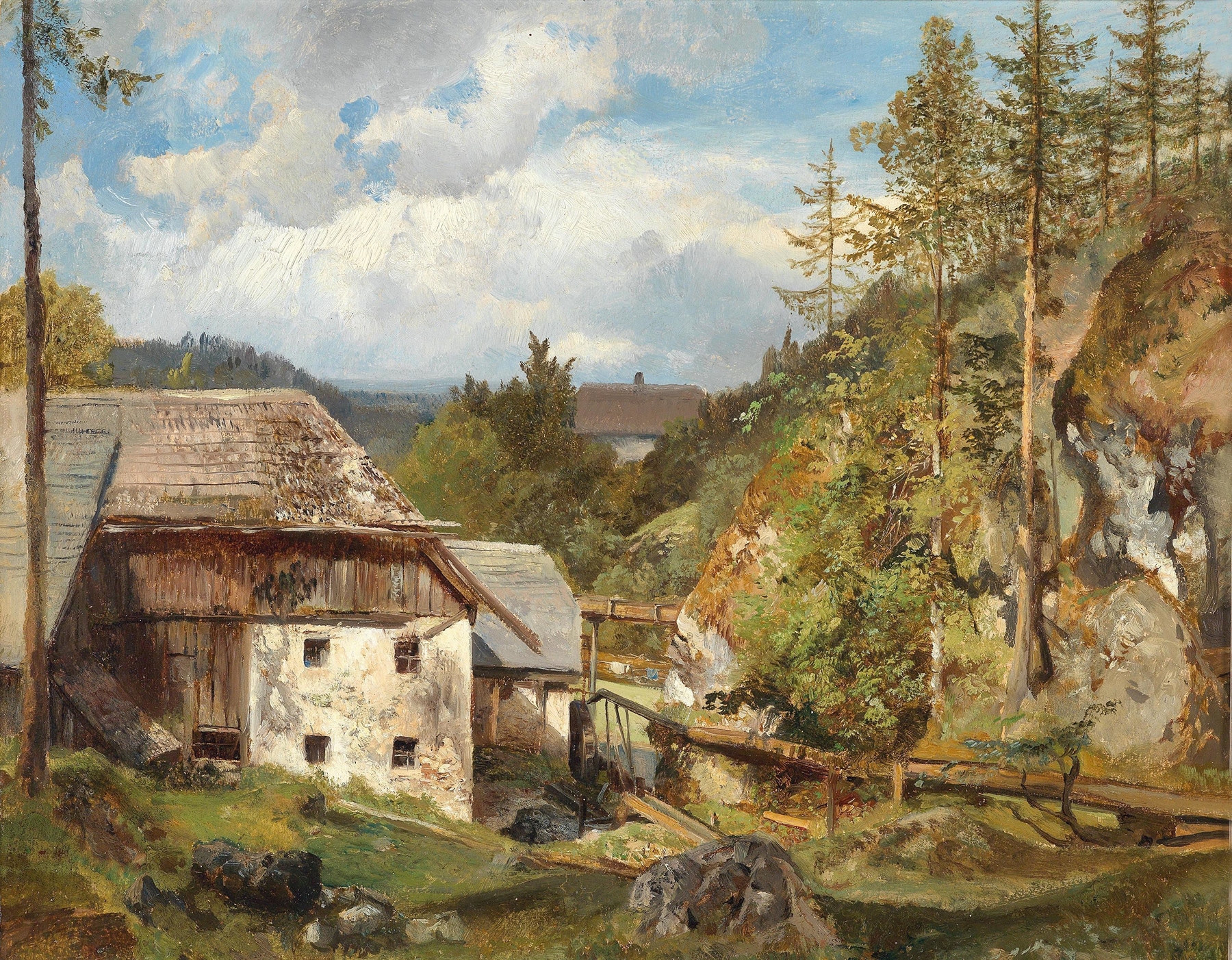
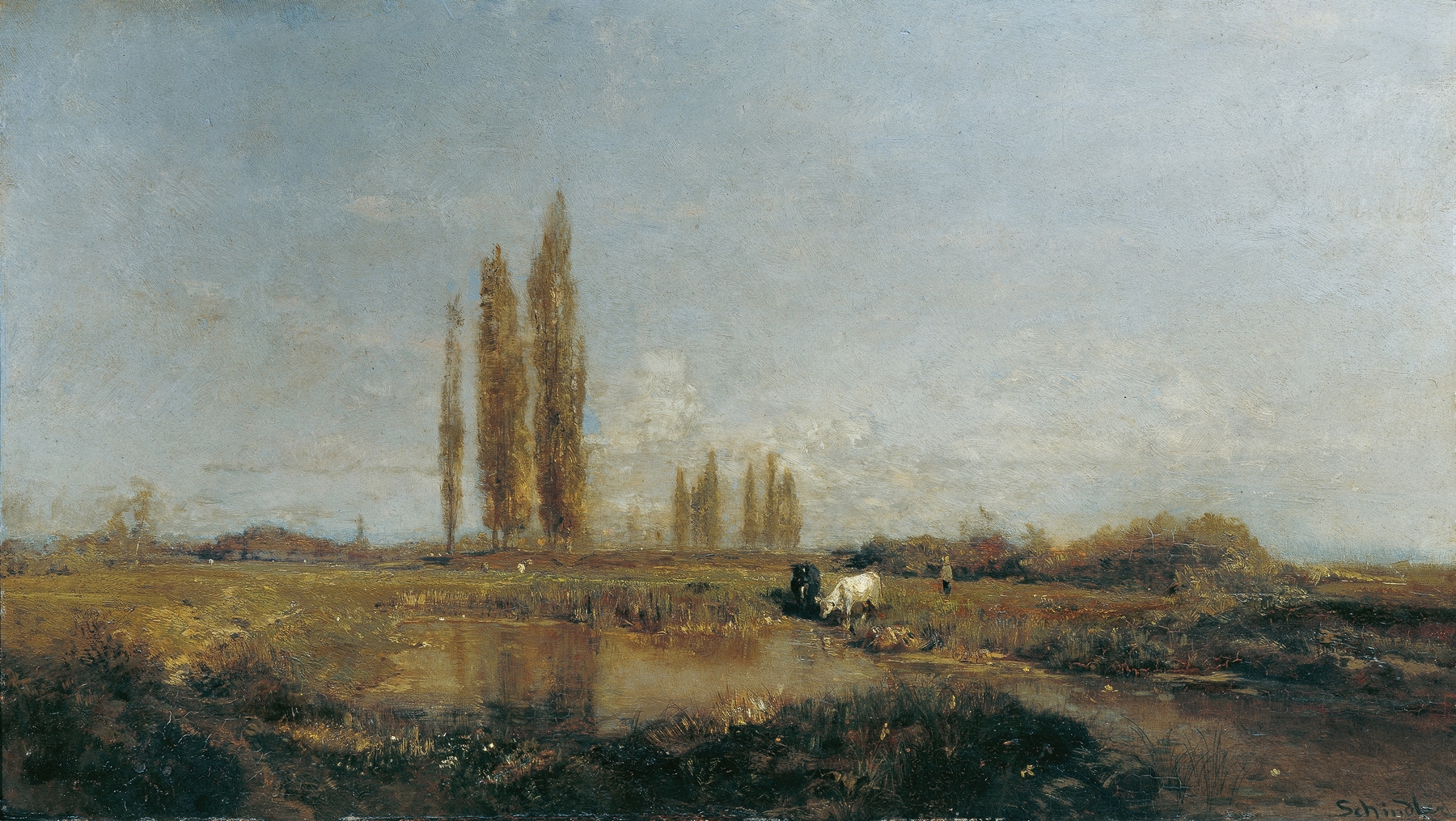
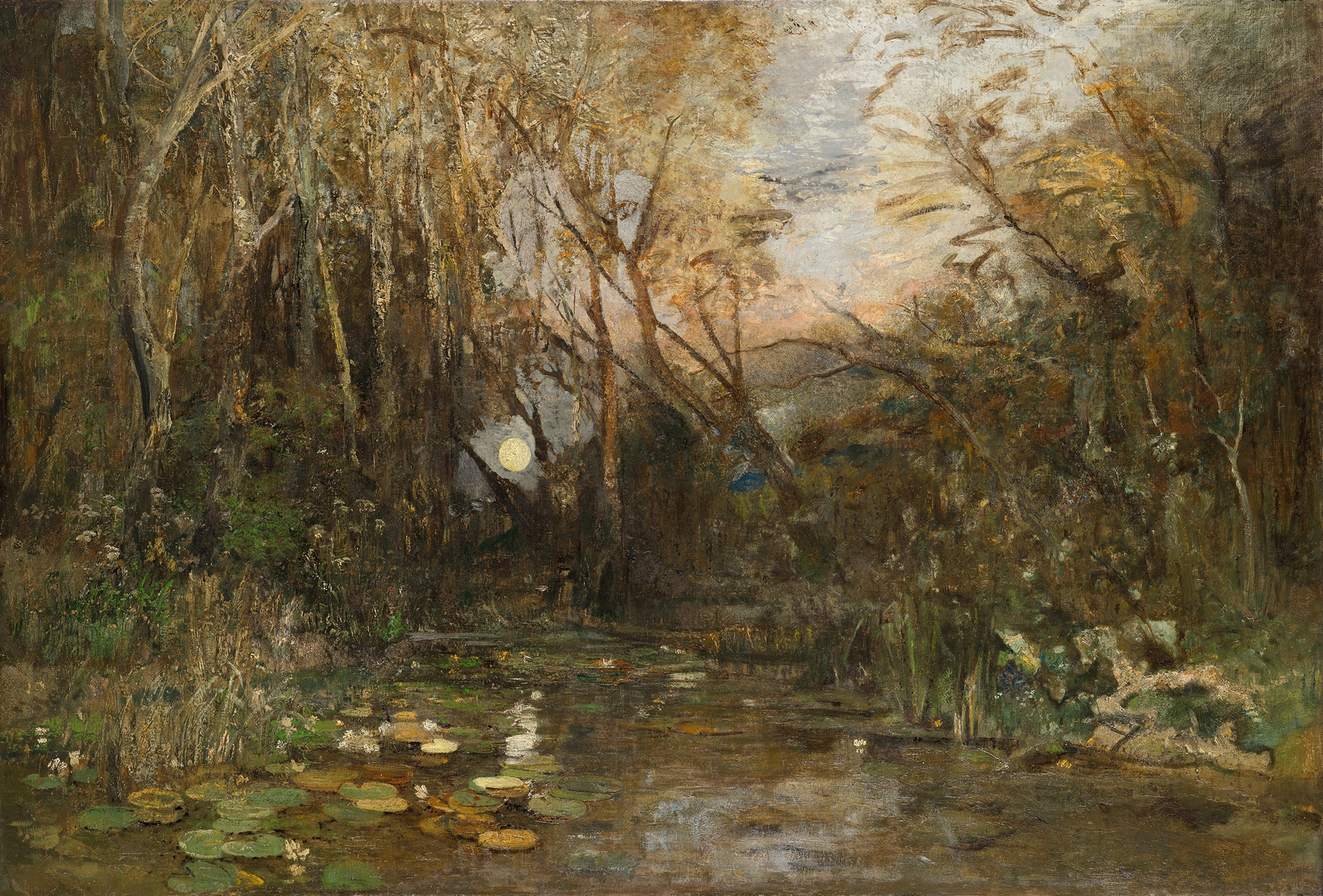
“Art reveals the soul when the world turns away.” In the tranquil embrace of nature lies a hidden truth, where the mundane meets the extraordinary, allowing us to pause and reflect. Look to the left at the gently flowing stream, where vibrant blues harmonize with the earthy greens of the surrounding foliage. Notice how the dappled sunlight filters through the trees, casting warm golden hues on the quaint watermill nestled against the backdrop of the majestic mountains. Schindler’s brushstrokes, both delicate and assured, breathe life into every detail, inviting the viewer to feel the serene atmosphere of a moment untouched by time.
Beneath the idyllic surface, contrasting elements pulse quietly. The tranquil scene embodies a duality: the harmony of nature juxtaposed with the relentless march of time, symbolized by the watermill, a relic of industry. Observe the slight wear on the mill’s wooden structure, hinting at a history of labor and life, whispering stories of human struggle amid natural beauty. The interplay of light and shadow captures the fleeting nature of existence, pushing us to confront our own transience.
Emil Jakob Schindler painted this piece between 1882 and 1884, during his residence in Austria, a period marked by a growing appreciation for nature in the face of industrialization. As the world began to embrace modernity, Schindler sought to encapsulate the essence of rural tranquility, reflecting his desire to preserve the beauty of landscapes that were increasingly at risk of disappearing. This work stands as a testament to his dedication to truth, both in the natural world and within the soul, offering a poignant reminder of what it means to be present in a rapidly changing environment.