Midday break at a Shipyard on the Maas — History & Analysis
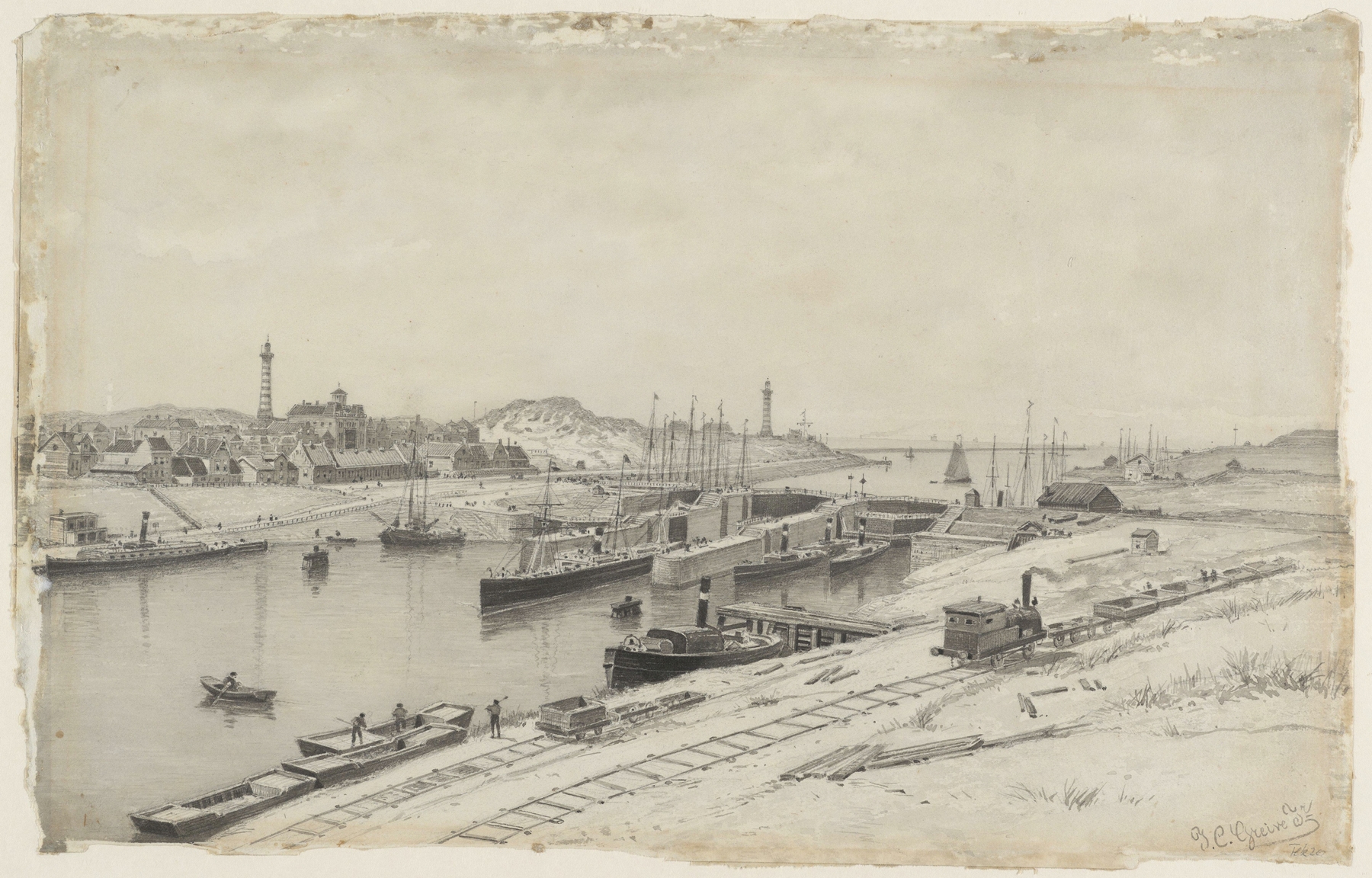
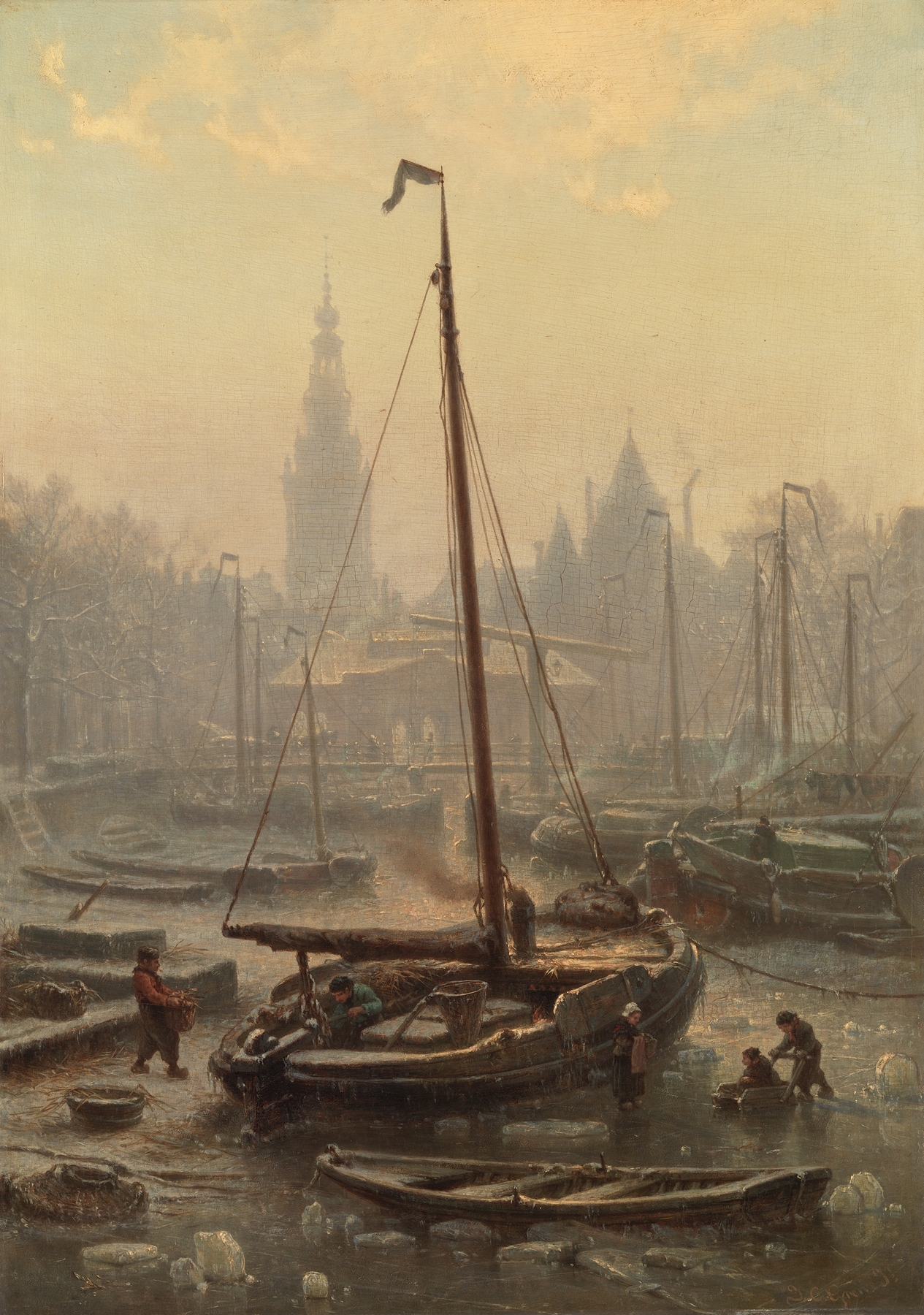
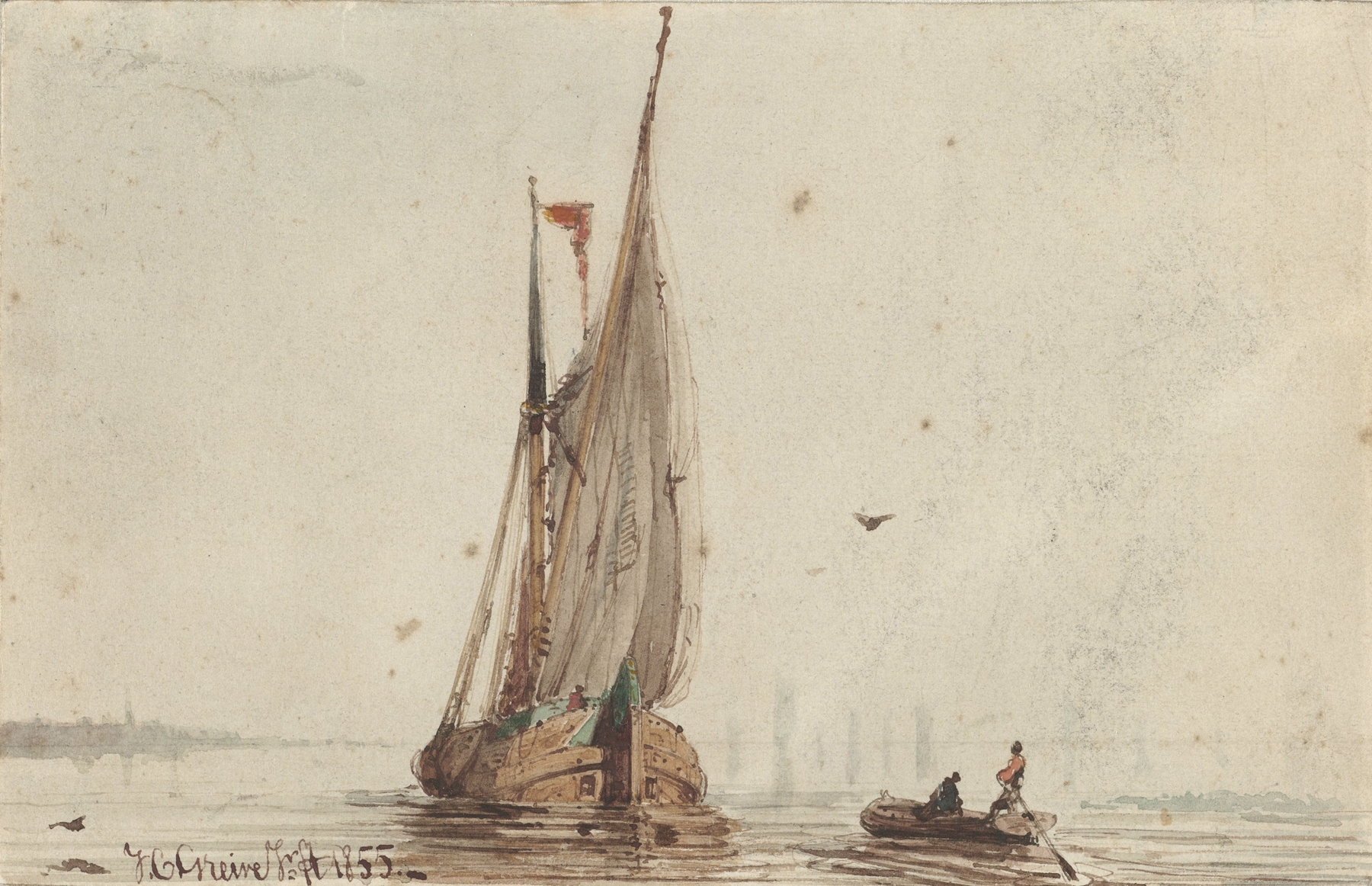
“Every brushstroke is a heartbeat remembered.” In the embrace of midday light, moments drift into timelessness, transcending mere existence. A world captured in paint reveals the quiet beauty of labor, a silent testament to human resilience. Look to the left at the figures taking a moment to pause, their bodies framed against the vastness of the shipyard. The warm golden hues of sunlight play across their skin, illuminating the intricate details of their worn clothing. Notice how Greive masterfully balances the starkness of the industrial setting with the softness of human emotion, creating a symphony of contrasts.
The meticulous brushwork pulls you into the heart of the scene, where every crease and contour tells the story of a moment suspended in time. Yet, beneath this tranquil surface, tension simmers. The juxtaposition of the laborers’ brief respite against the backdrop of looming ships speaks to a deeper narrative of toil and the relentless march of time. Each figure exudes a sense of unity and isolation, reminding us of the collective struggle intertwined with personal dreams.
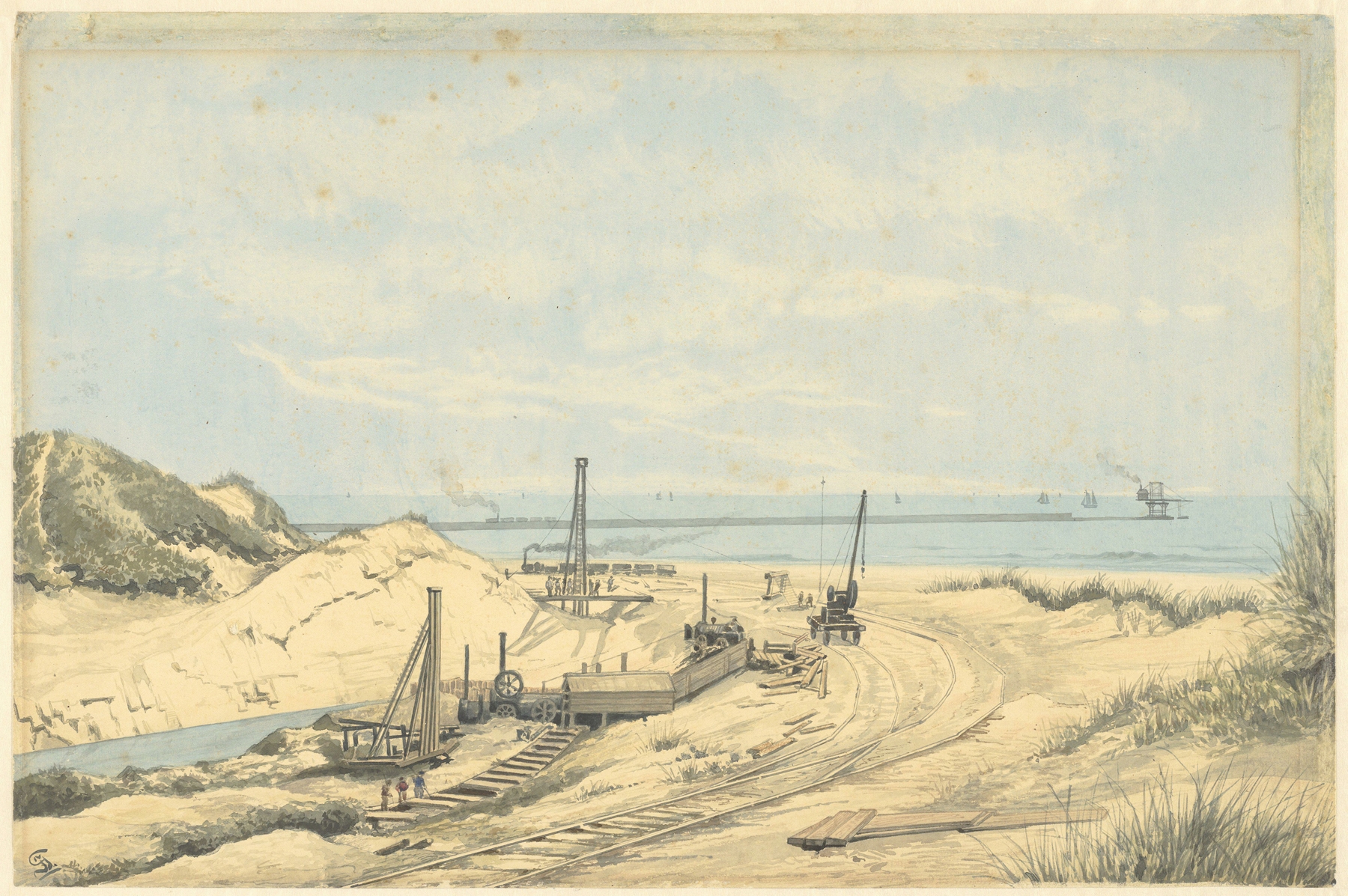
The steadfastness of their work, seemingly mundane, holds within it the weight of aspirations, a reflection on how life often pauses before the next wave of challenge. In the years 1865 to 1867, Johan Conrad Greive painted this scene while navigating the subtle shifts in European art, as realism began to take root. In the Netherlands, he was part of a movement that sought to capture the daily lives of ordinary people, a departure from the romantic ideals of earlier decades. Greive's choice to immortalize this shipyard moment reflects both his personal experiences and the socio-economic conditions surrounding the industrial revolution, merging artistry with the heartbeat of society.