Moonlight – Chepstow Castle — History & Analysis
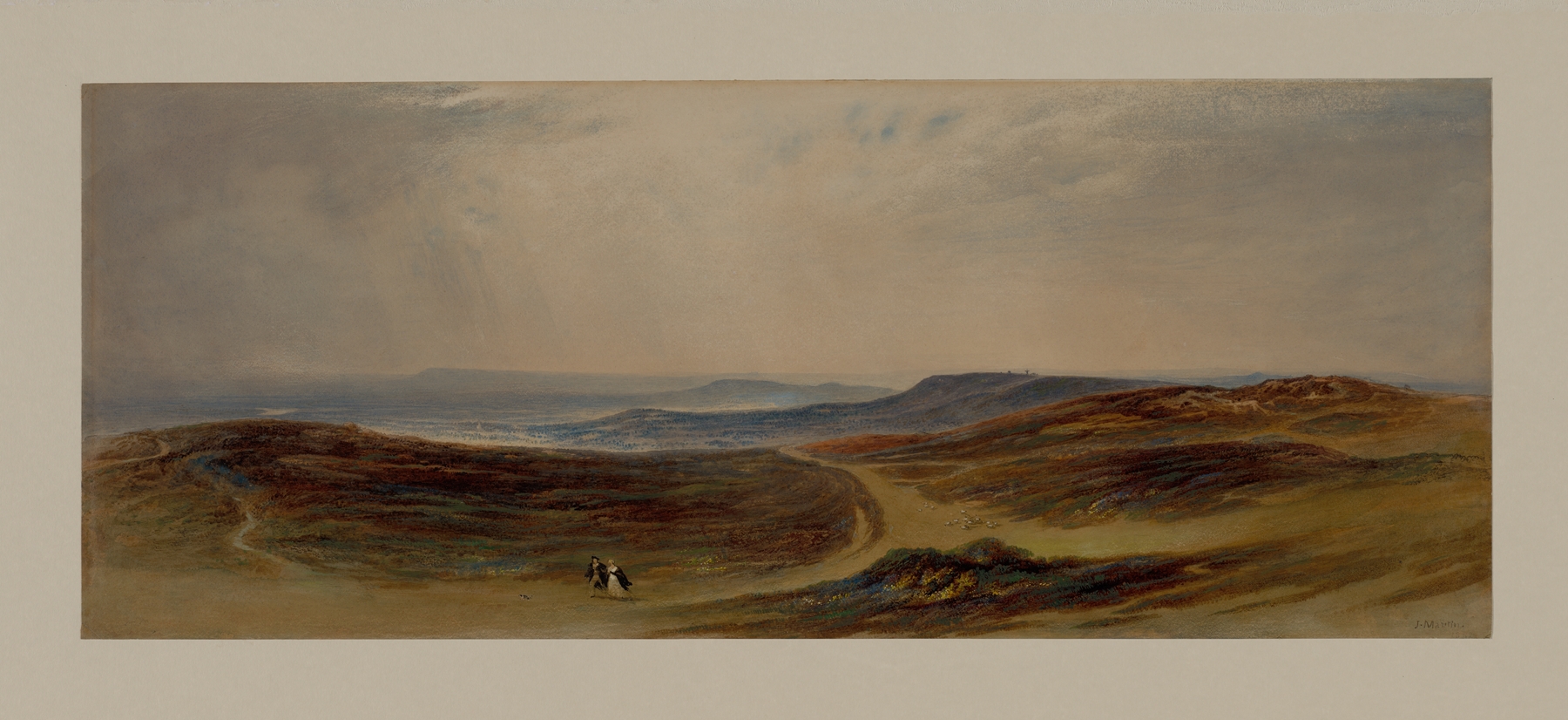
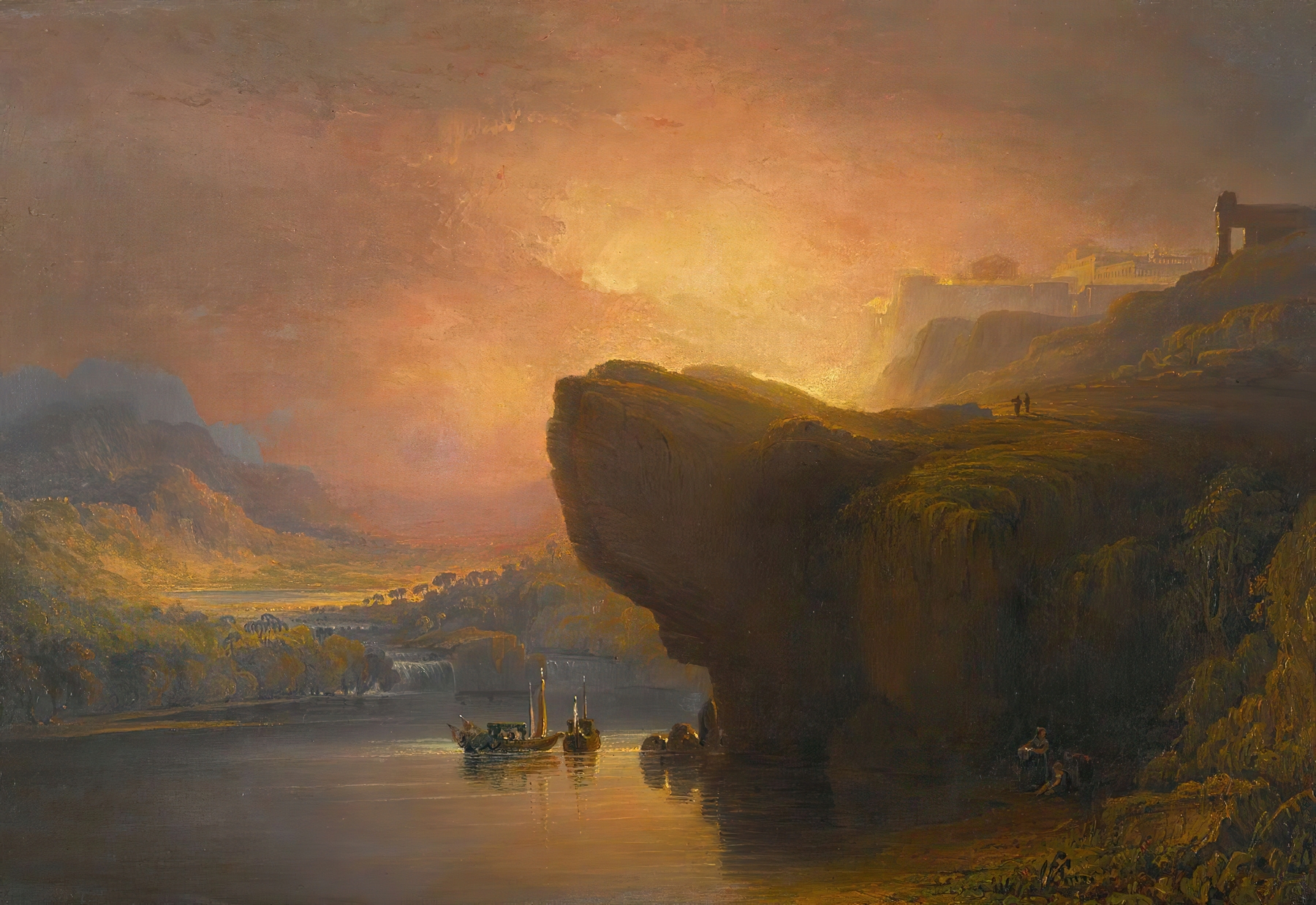
Can beauty exist without sorrow? In Moonlight – Chepstow Castle, the answer lingers in the shadows of a serene landscape, where tranquility is tinged with deep melancholy. Look to the center of the canvas, where the majestic ruins of Chepstow Castle rise against a luminous moonlit sky. The cool, ethereal light casts elongated shadows, creating a stark contrast between the stone's grandeur and its decayed state.
The soft blues and silvery whites envelop the scene, inviting the viewer to linger while also hinting at the passage of time. Notice how the reflection in the water below mirrors the castle's silhouette, amplifying a sense of stillness that is both captivating and haunting. Beneath the surface, this artwork speaks to the duality of existence—beauty interwoven with desolation. The castle, once a symbol of strength and power, now stands as a remnant of a bygone era, echoing stories of its glorious past while celebrating the quietude of its present decay.
The moon, a solitary figure in the night sky, becomes a metaphor for emptiness, suggesting a longing for what once was and perhaps a yearning for something more. In 1815, John Martin was in the midst of establishing his reputation as a leading landscape painter, navigating the Romantic movement's emphasis on nature's sublime beauty. Living in London, he was influenced by the era's fascination with ruins and the natural world, a reflection of societal and artistic shifts. This work, steeped in emotional resonance, captures the essence of a moment when beauty and sorrow walked hand in hand through the open air of a moonlit night.