Mount Bromo — History & Analysis
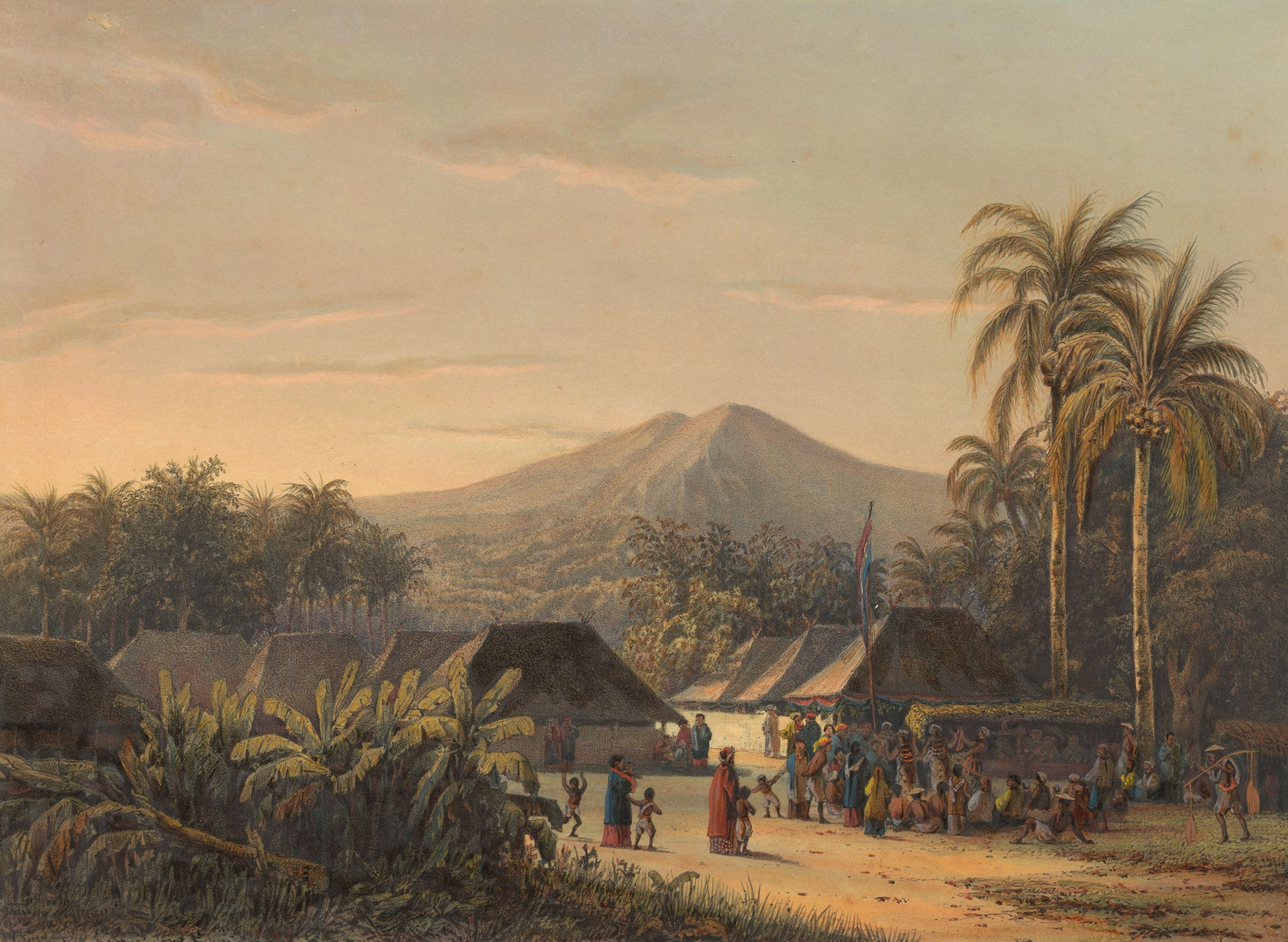
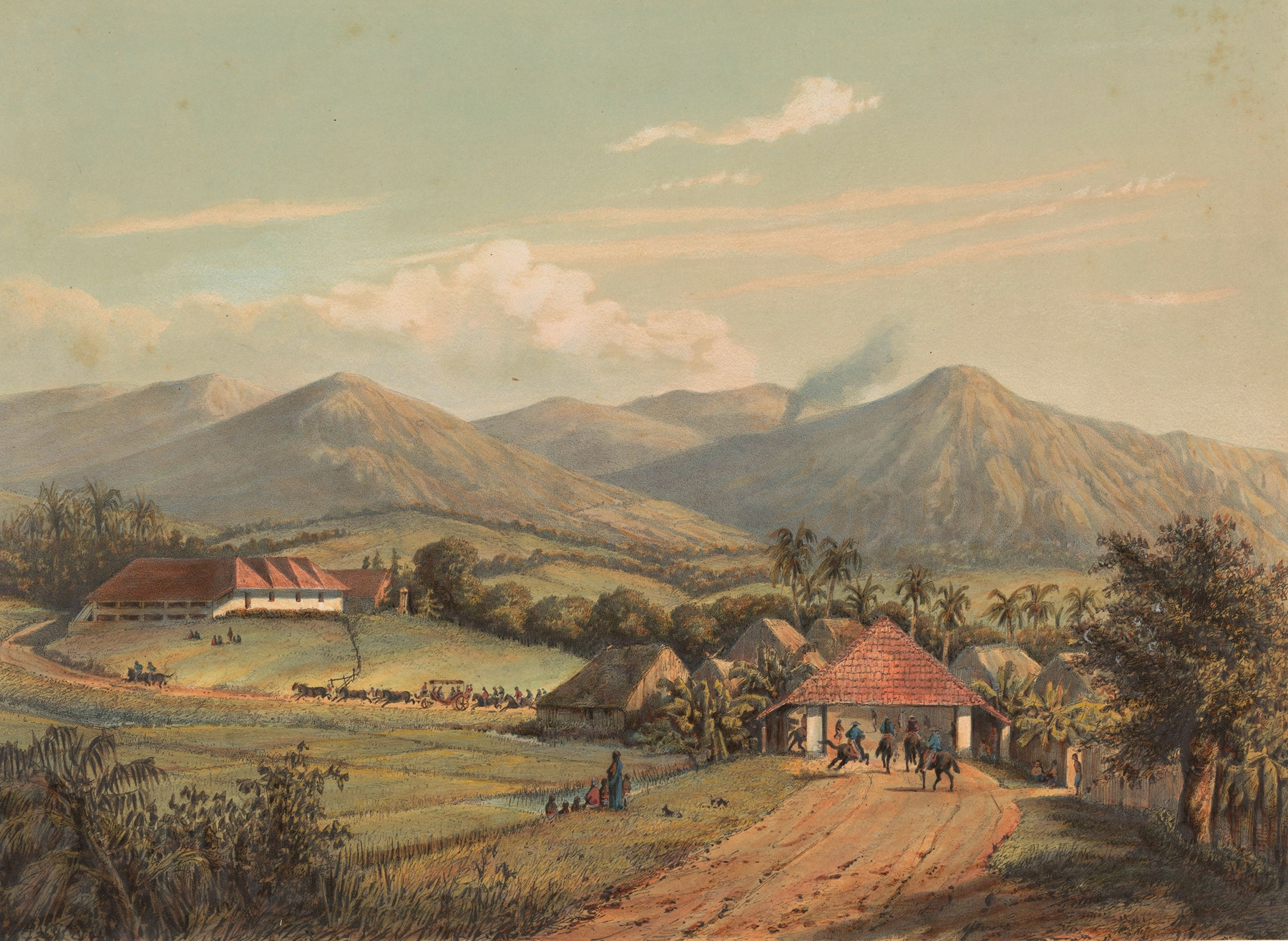
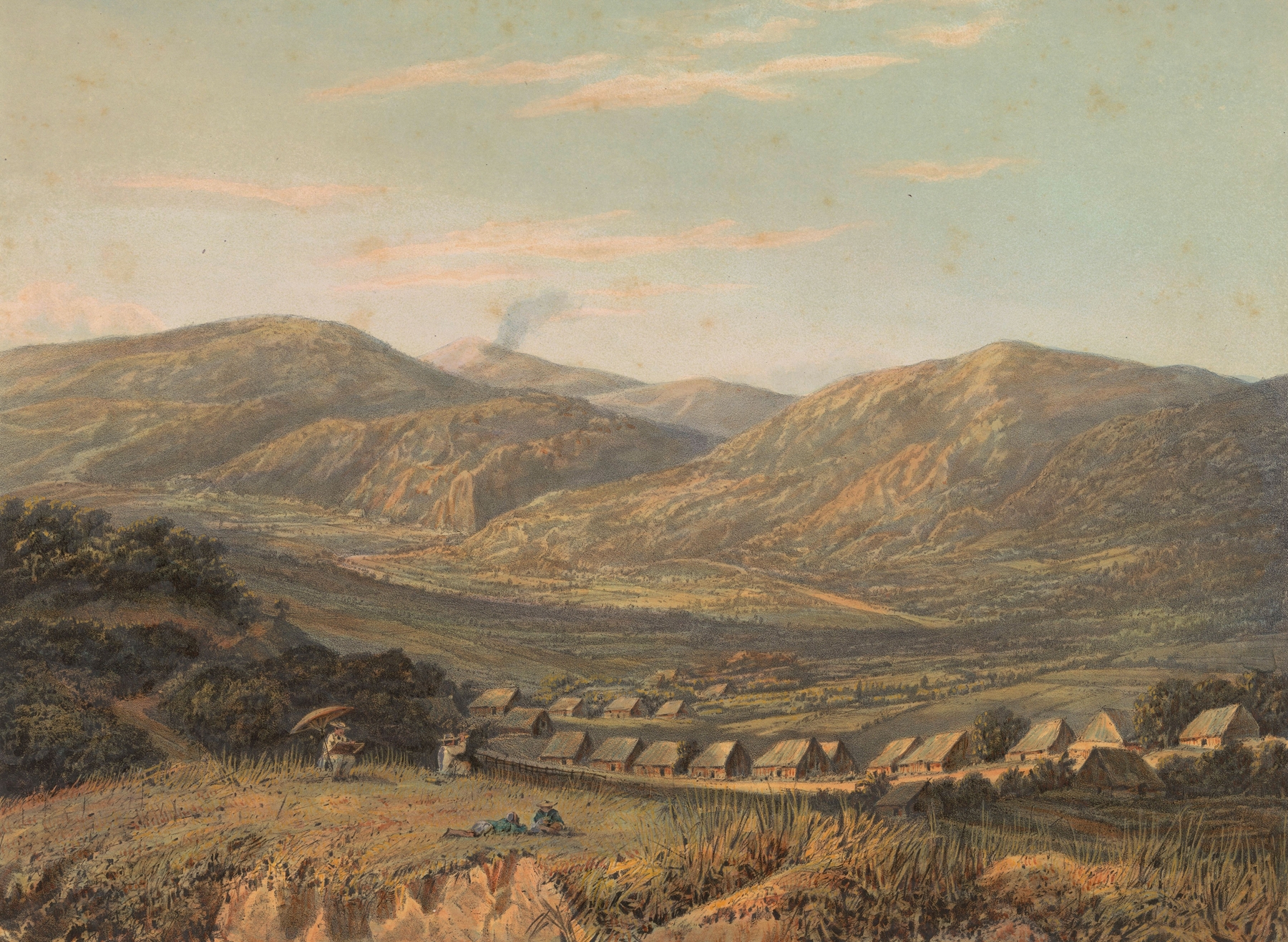
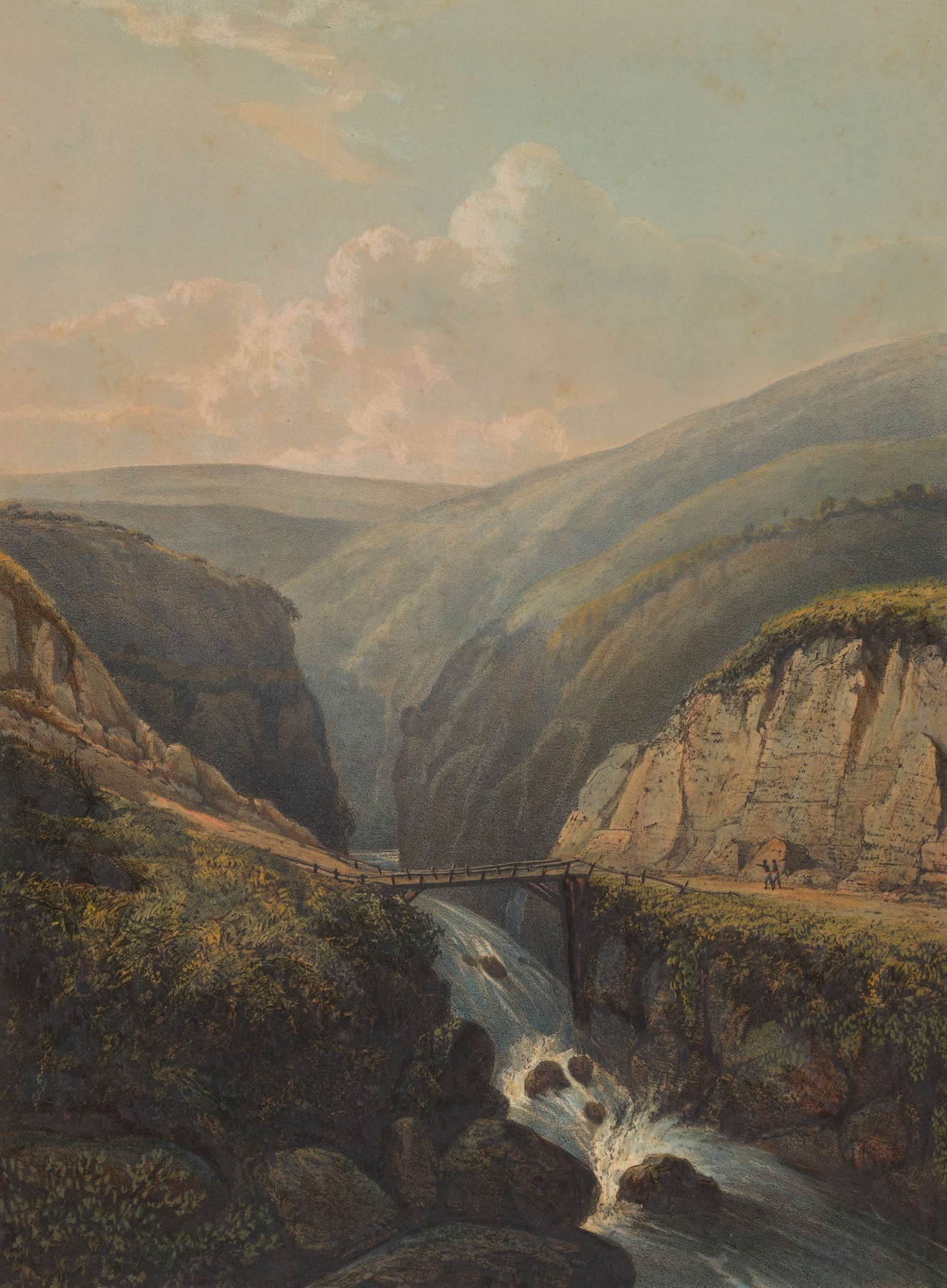
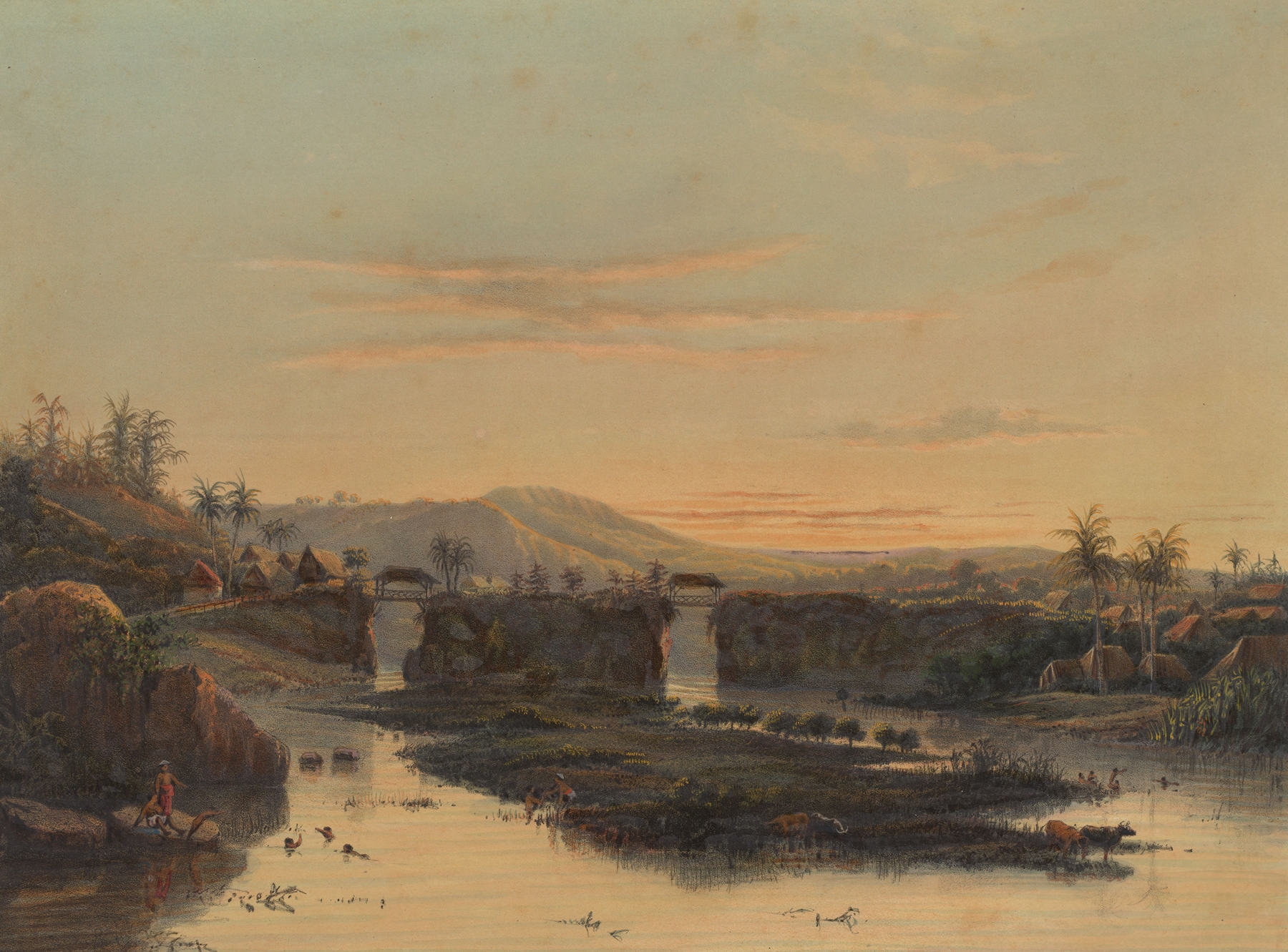
Did the painter know this moment would outlive them? In the stillness of time, the void beckons contemplation, a silent witness to eternity. Focus on the horizon, where the gentle undulations of volcanic terrain meet an expansive sky, a canvas symbiotically blending earth and atmosphere. Notice how the hues shift from deep, melancholic blues to warm, sunlit golds, revealing a masterful play of color that suggests both serenity and underlying chaos.
The artist’s brush captures the ethereal mist that hovers over the craggy peaks, inviting viewers to linger in this land untouched by haste. Hidden within the strokes lies a profound dichotomy—the beauty of nature intertwined with the latent power of the volcano. The isolation of Mount Bromo evokes feelings of solitude, while the looming presence of the volcano hints at the fragility of peace. Greive’s choice to leave the foreground sparse invites an emotional resonance, urging us to confront the void and reflect on the grandeur and peril of nature in equal measure.
In the mid-20th century, Johan Conrad Greive created Mount Bromo during a period of personal and global introspection. Living in the Netherlands, he was influenced by the Romantic movement’s fascination with nature’s sublime qualities. The artwork reflects a time when artists sought to capture the majesty of landscapes, often as a response to the rapid industrialization that threatened the natural world around them.