Niagara Falls — History & Analysis
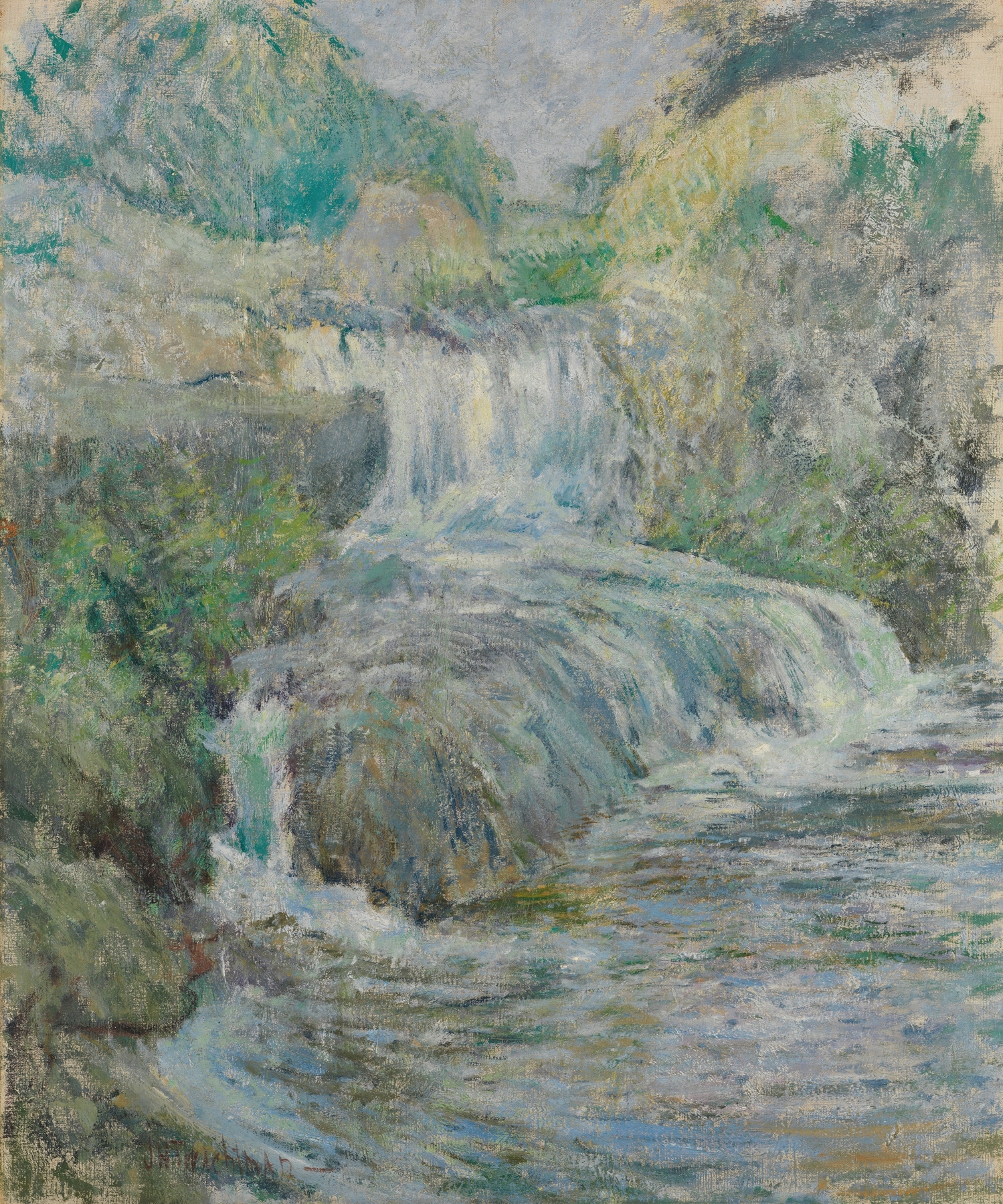
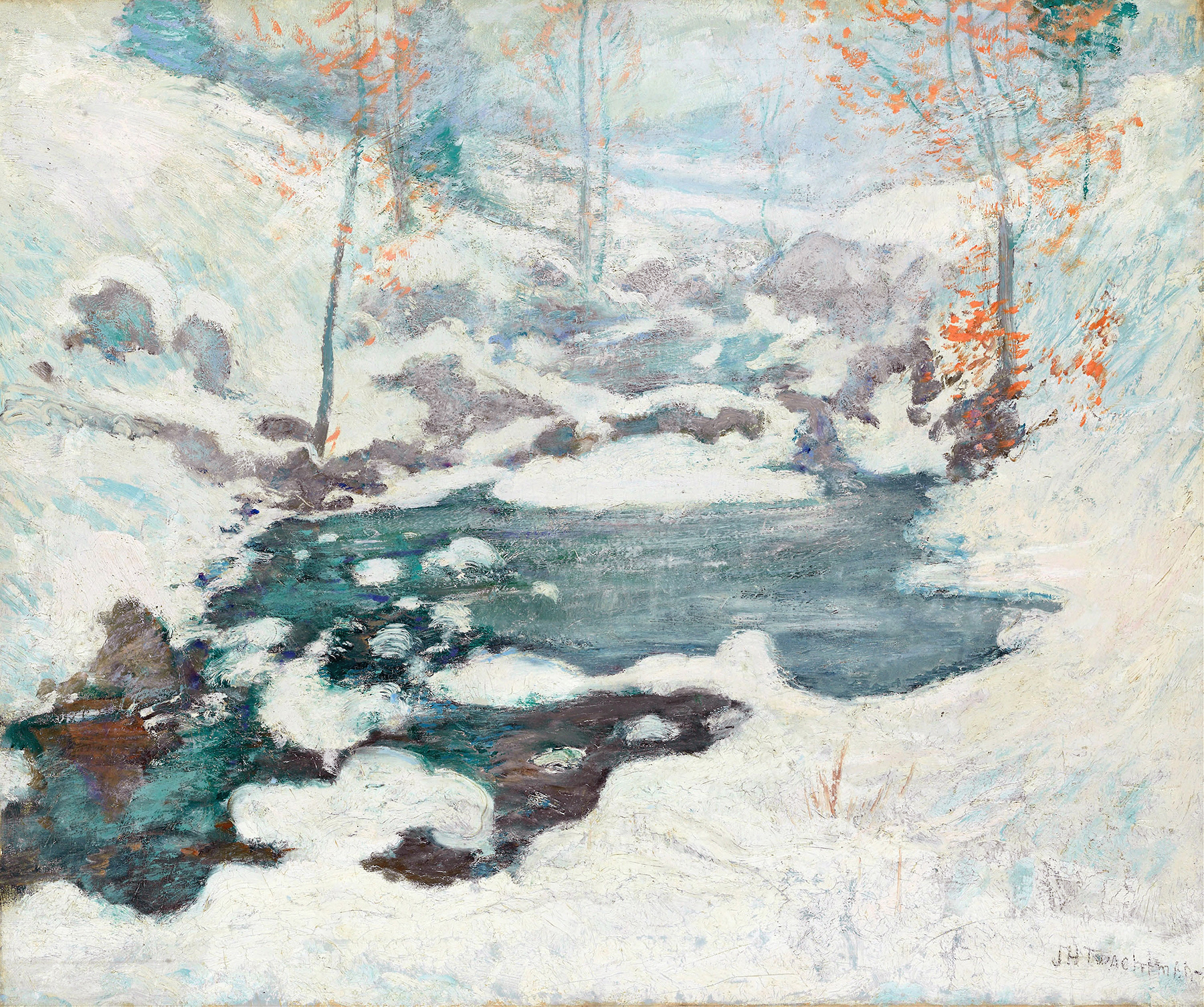
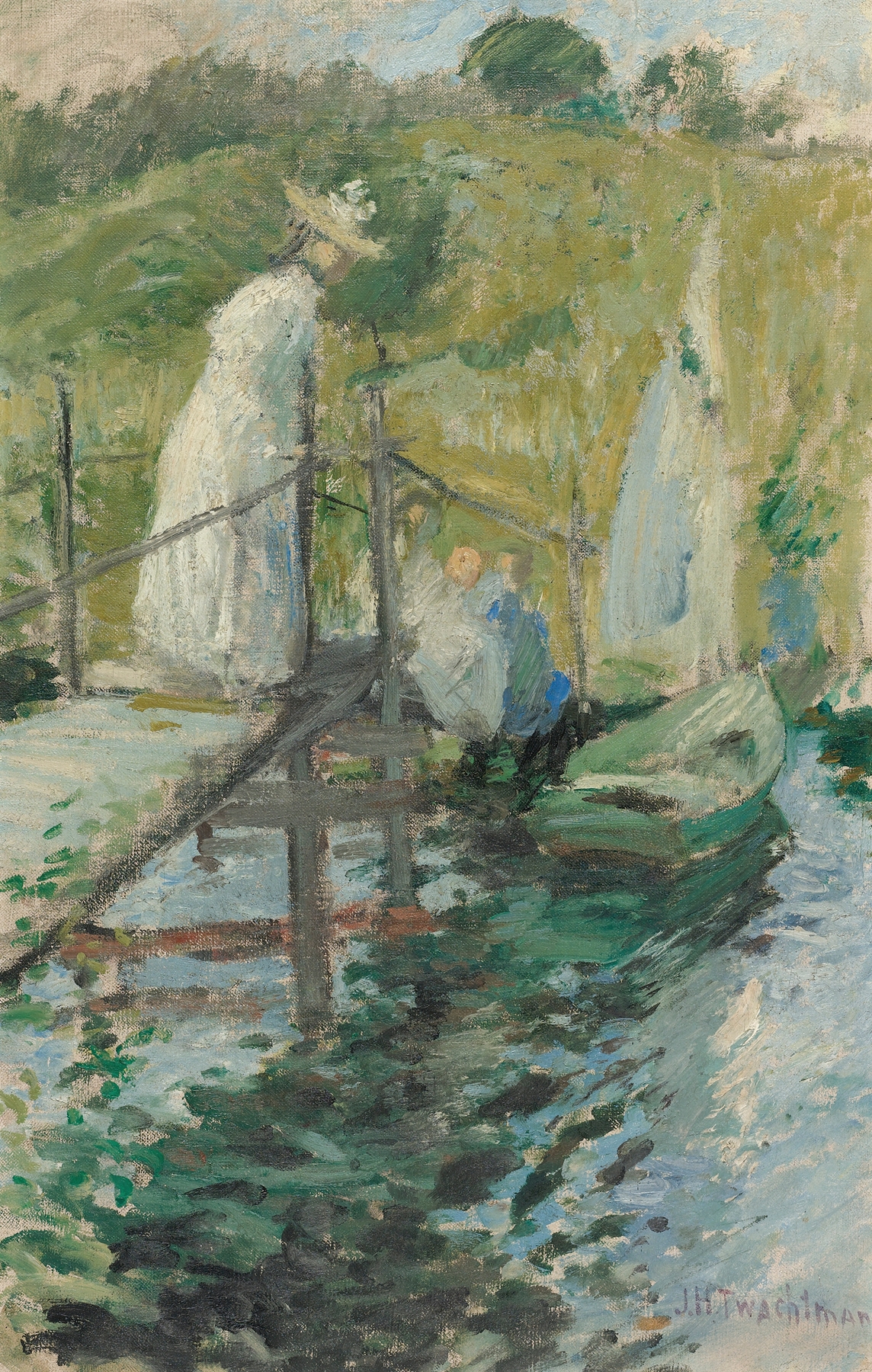
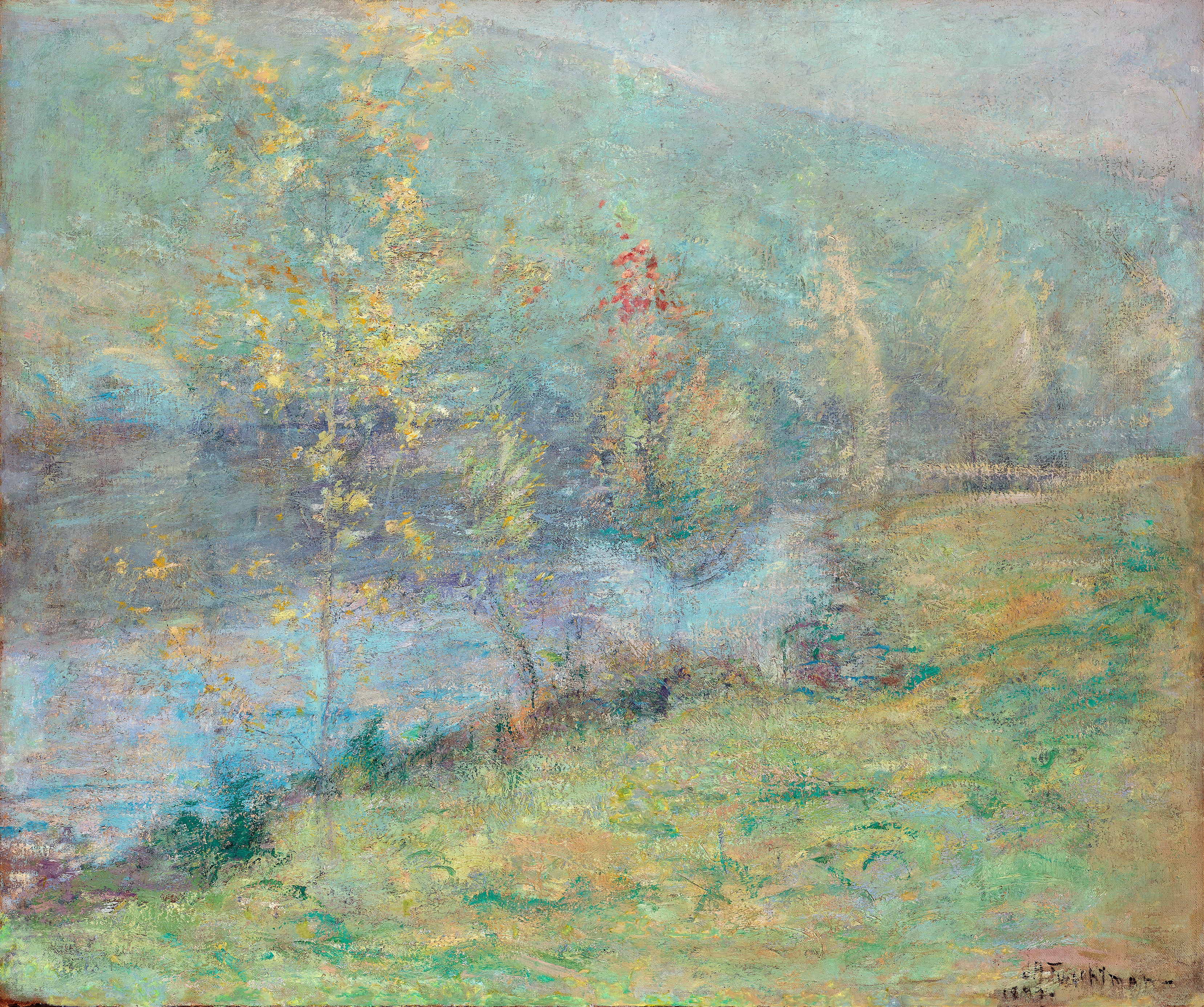
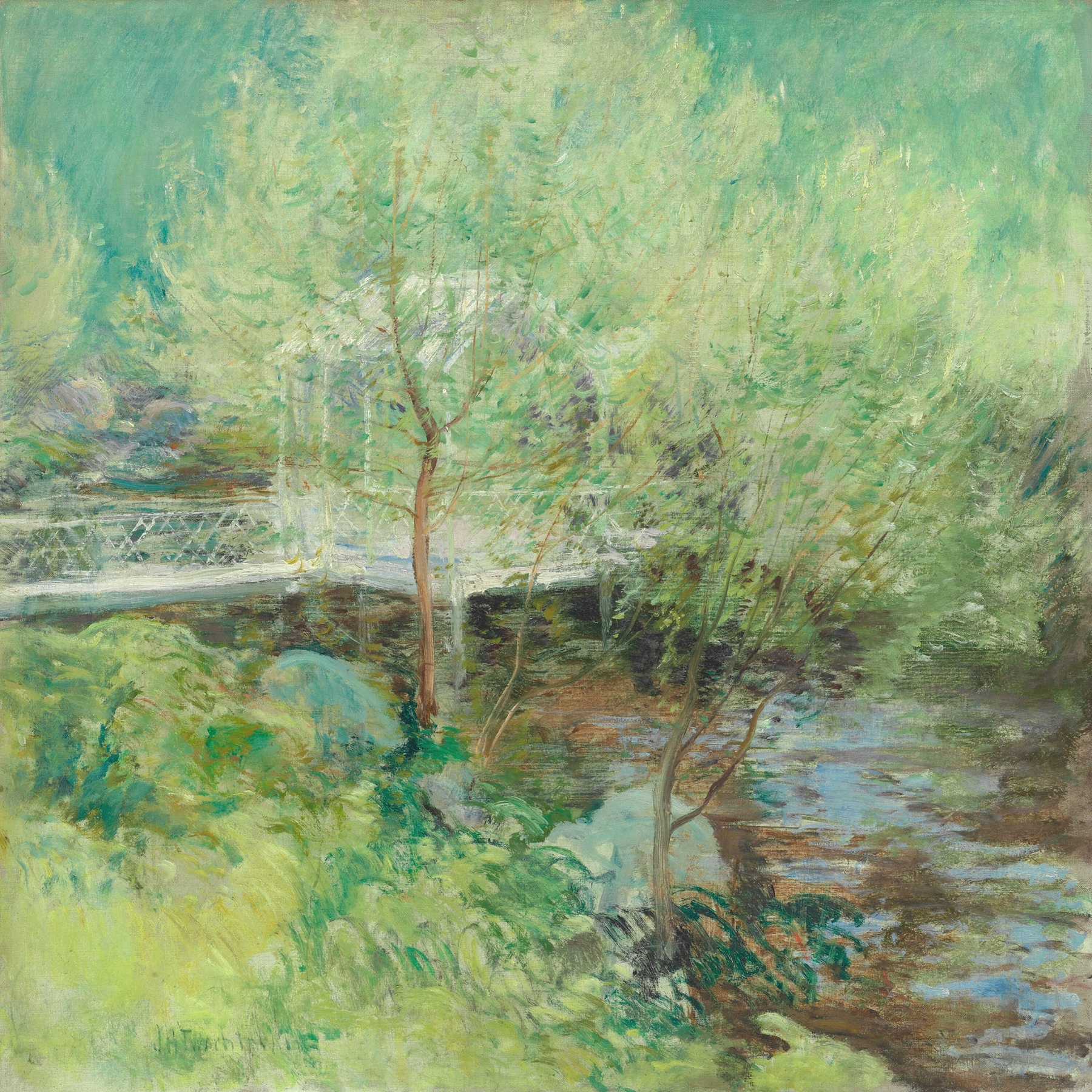
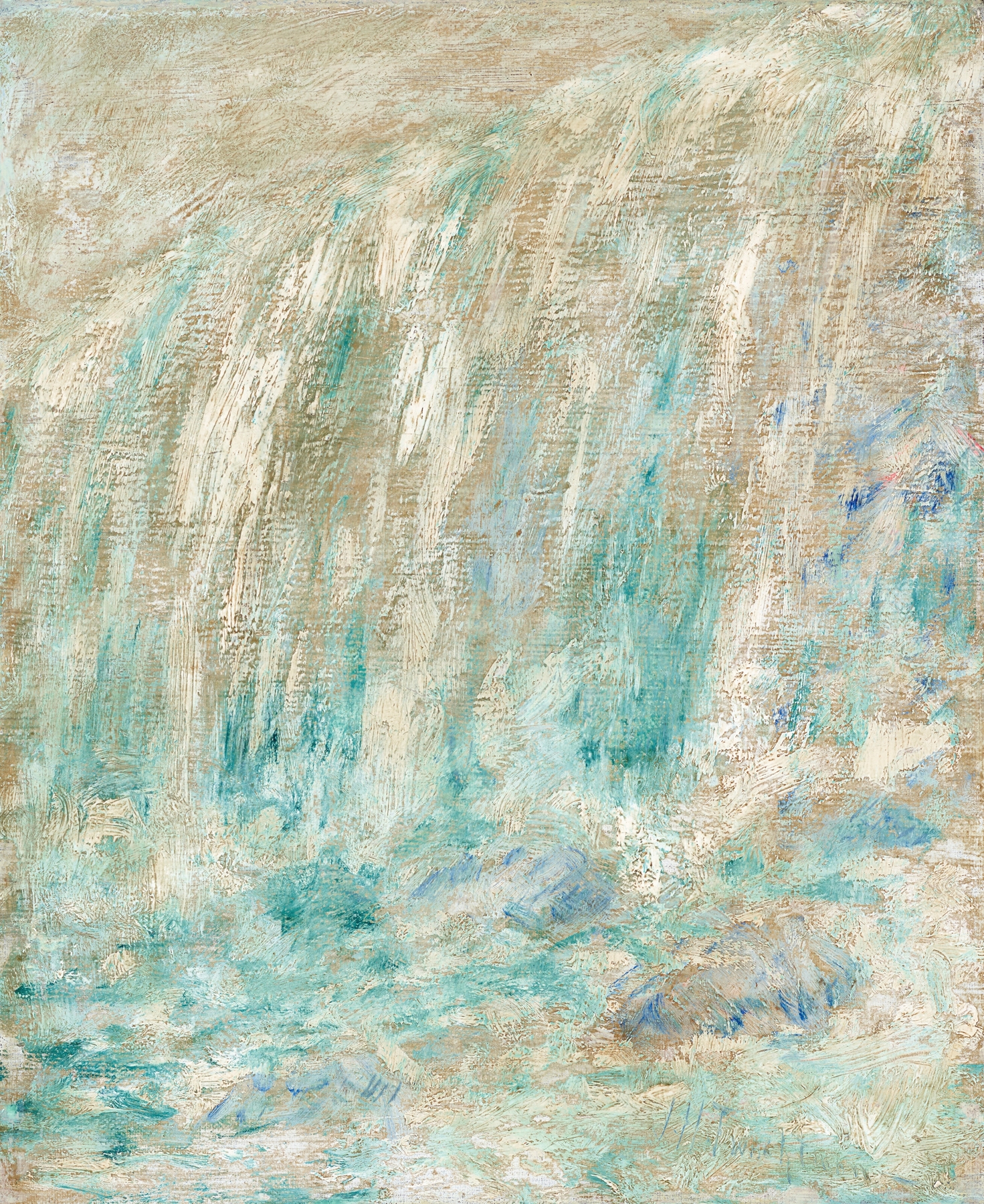
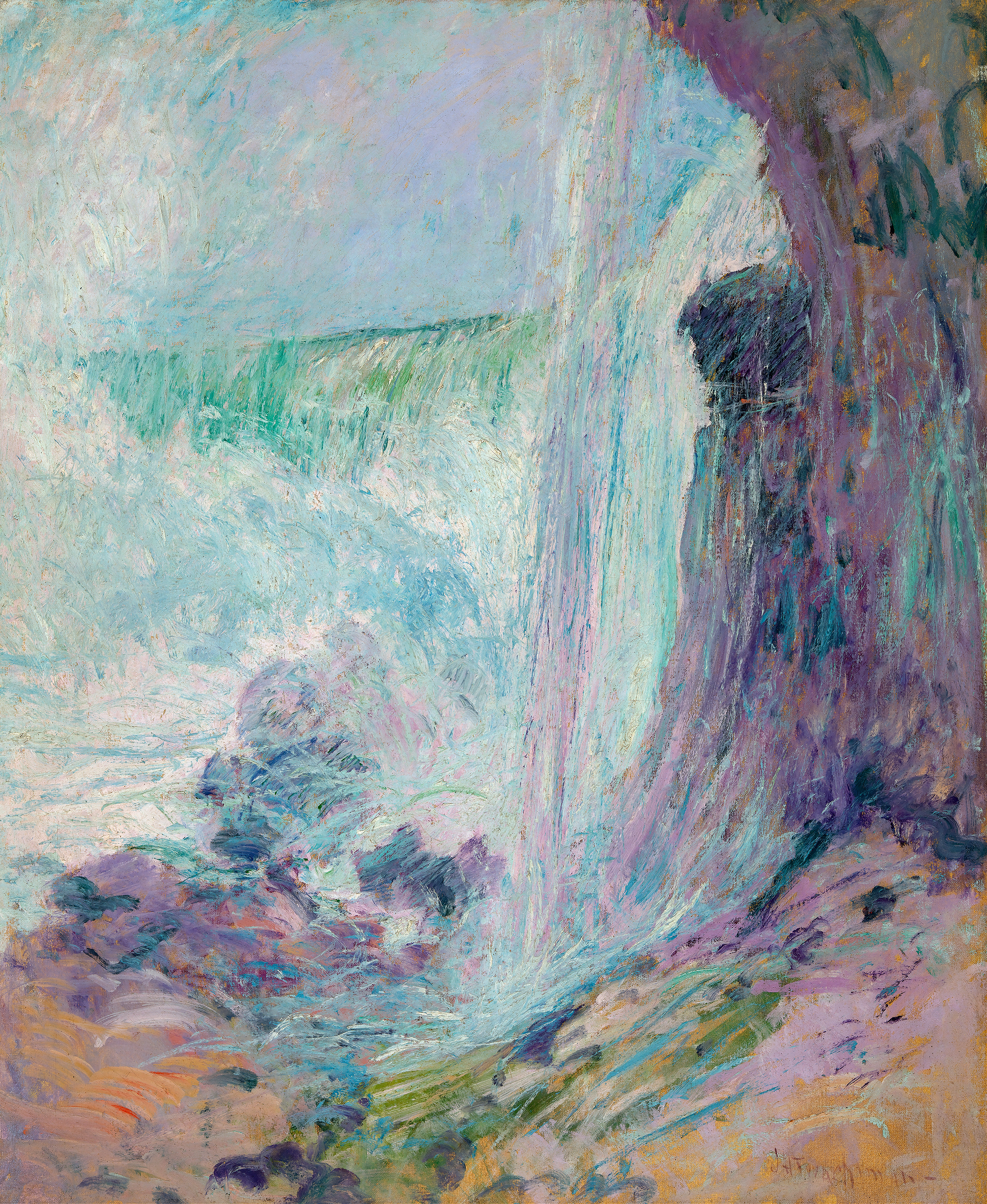
“The canvas doesn’t lie — it simply waits.” In the embrace of nature's grandeur, awe settles like mist upon the viewer's heart, inviting a moment of reflection. This painting captures not just a landscape but a powerful narrative layered in emotion and perspective. Look closely at the cascading waters, where the falls dominate the canvas. The movement is palpable; observe how the frothy whites and muted blues converge, creating a dynamic interplay of light and shadow. Notice the soft, dappled light filtering through the trees that frame the scene, guiding your eye toward the tumultuous plunge of water that seems to sing with life.
The artist’s use of broad brushstrokes evokes a sense of both motion and tranquility, allowing the viewer to feel the rhythmic pulse of nature. Delve deeper into the contrasts present in this work. The serenity of the surrounding landscape juxtaposes with the raw power of the falls, evoking a feeling of reverence for nature's might. The cool color palette enhances this tension, suggesting both the beauty and danger inherent in such a powerful force.
Each stroke reflects Twachtman’s deep appreciation for nature, illustrating a moment where time stands still yet is perpetually in motion. Created in 1894, this piece reflects a pivotal time in Twachtman’s life, as he was becoming increasingly recognized in the Impressionist movement. While living in Cos Cob, Connecticut, he sought to translate the beauty of the American landscape onto canvas. The late 19th century was a period of artistic exploration, and Twachtman's unique approach to light and form marked a significant contribution to the evolution of modern landscape painting.