Nixenfang — History & Analysis
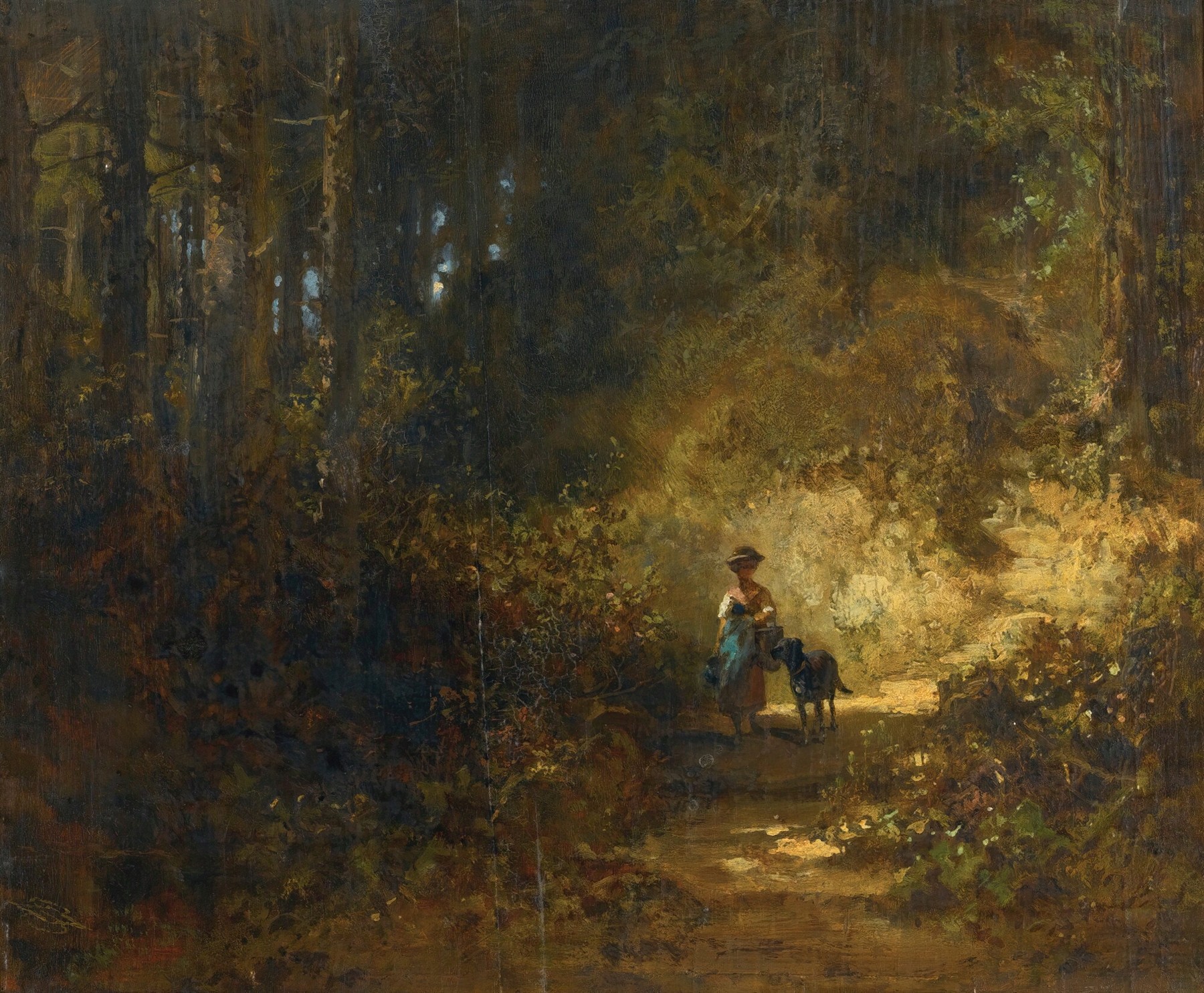
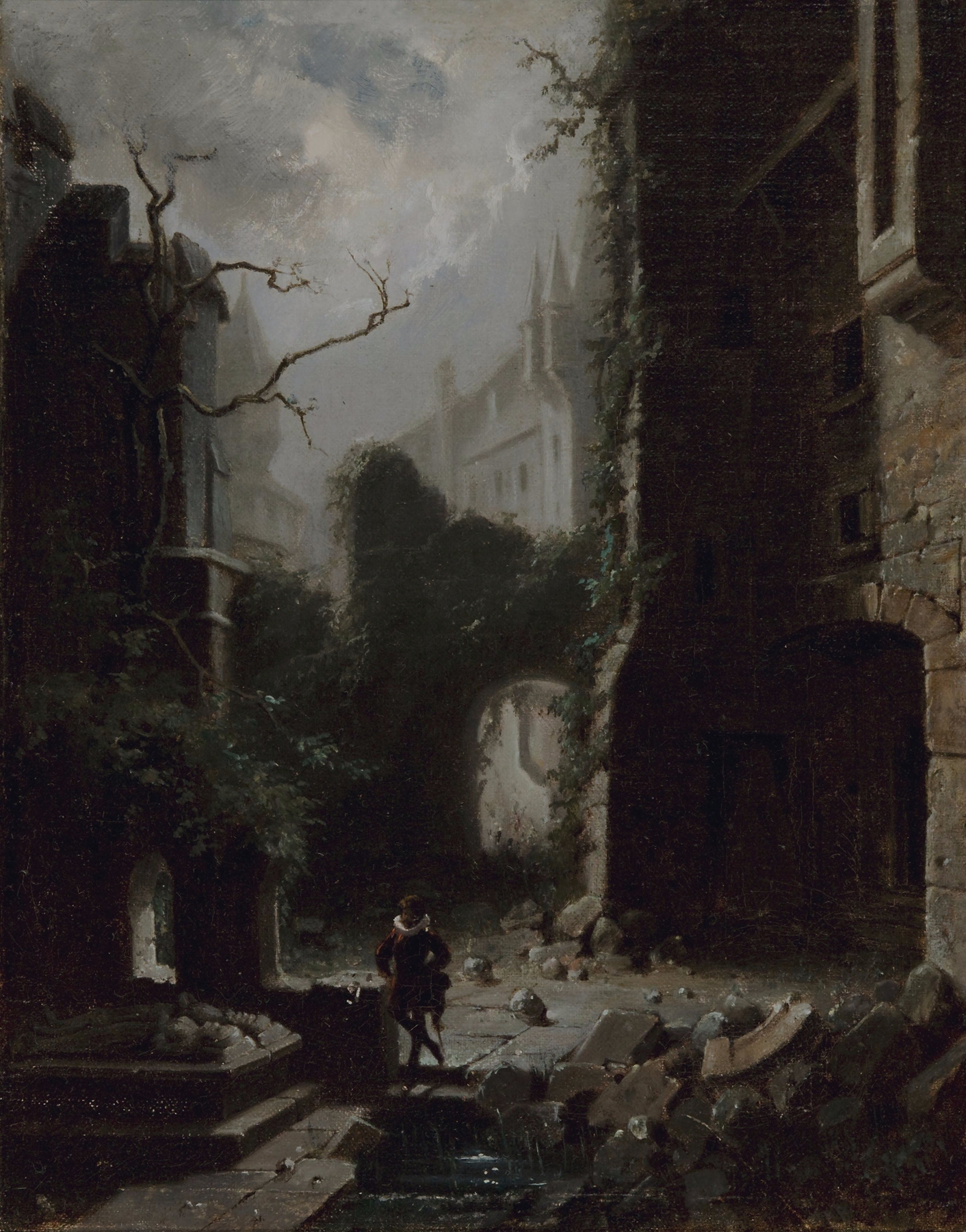
What secret hides in the quiet of the canvas? As shadows dance upon the surface, the viewer is invited to delve into a world where the ordinary meets the extraordinary. Look to the center of the composition, where a lone fisherman, with a look of intent concentration, leans over the edge of a tranquil pond. Notice how the soft hues of green and blue create a serene backdrop, reflecting the calmness of the water. The interplay of light and dark is masterful; the sunlight dapples the surface, casting fleeting glimmers that contrast with the deeper shadows lurking just beneath.
The fisherman’s posture, slightly hunched and cautious, emphasizes the tension of anticipation as he waits for a catch that may not be what it seems. Yet, it is the shadows of the scene that whisper the loudest. They hint at the duality of the moment—while the fishing line seeks sustenance, the murky depths suggest the presence of something more mystical. Is the fisherman aware of the unseen creatures that dwell below?
The nuances of color elevate this tension, with rich browns and greens surrounding the figure, evoking a sense of the natural world, while the darker areas evoke a sense of mystery, fostering an undercurrent of unease in this seemingly tranquil moment. In 1860, when this work was created, Carl Spitzweg was immersed in the Romantic movement, reflecting a growing interest in nature and individual experience. Living in Munich, his focus on genre scenes was a response to the rapid industrialization around him, capturing moments of solitude and introspection as a counterpoint to the increasing noise of modern life. The subtle layers of Nixenfang reflect not only the artist's skill but also a deeper commentary on humanity’s relationship with nature and the secrets it harbors.