On the Thames — History & Analysis
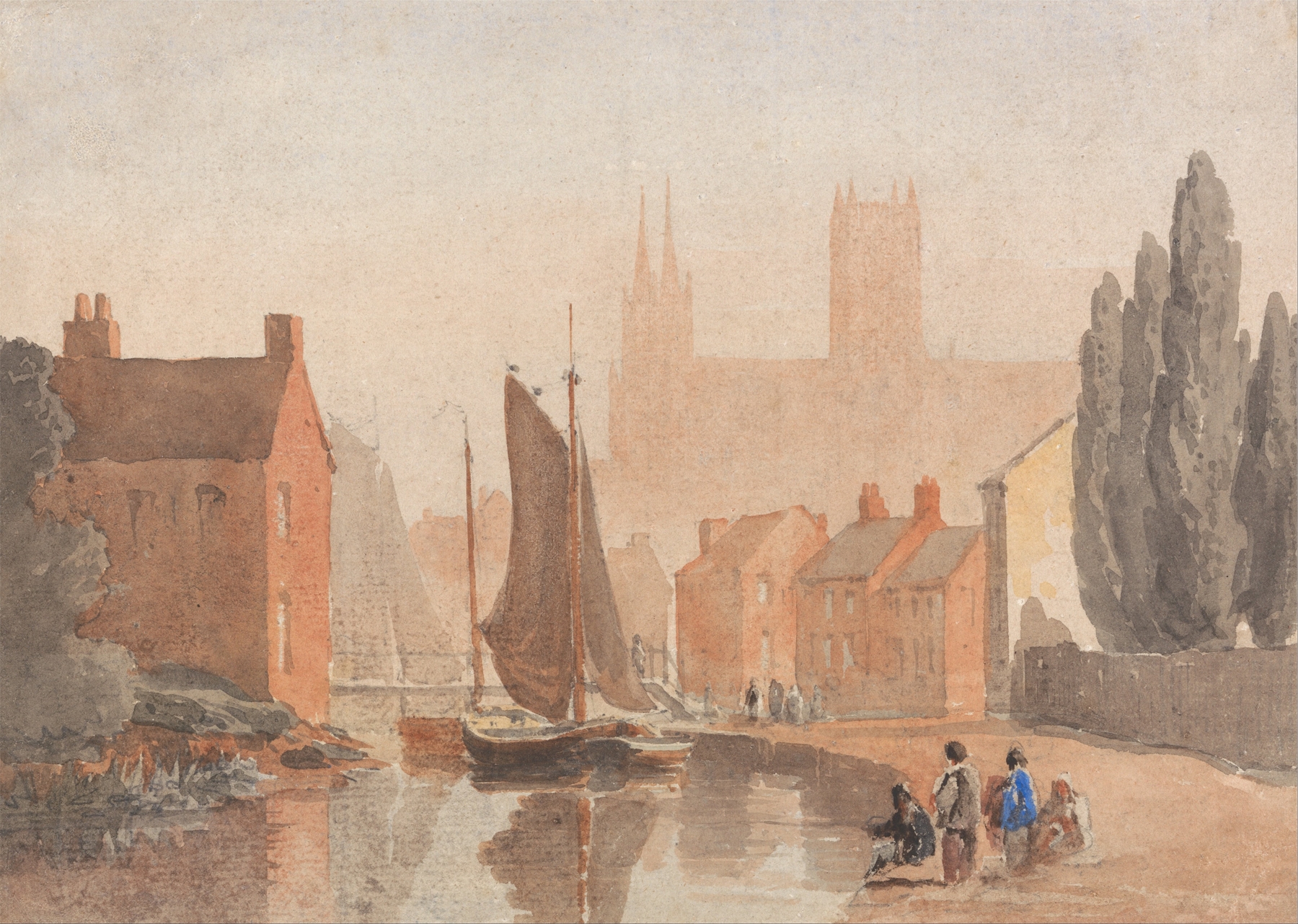
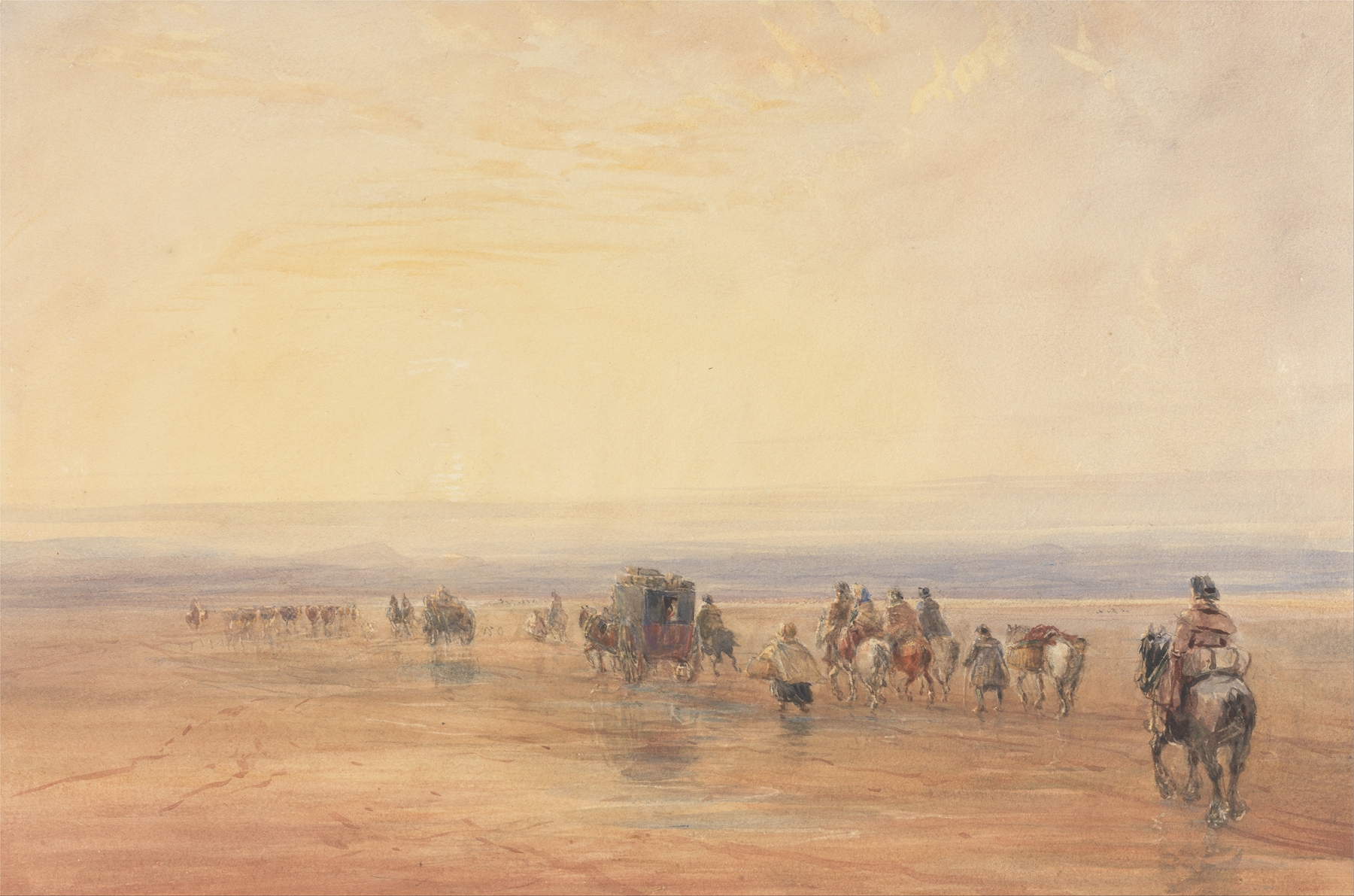
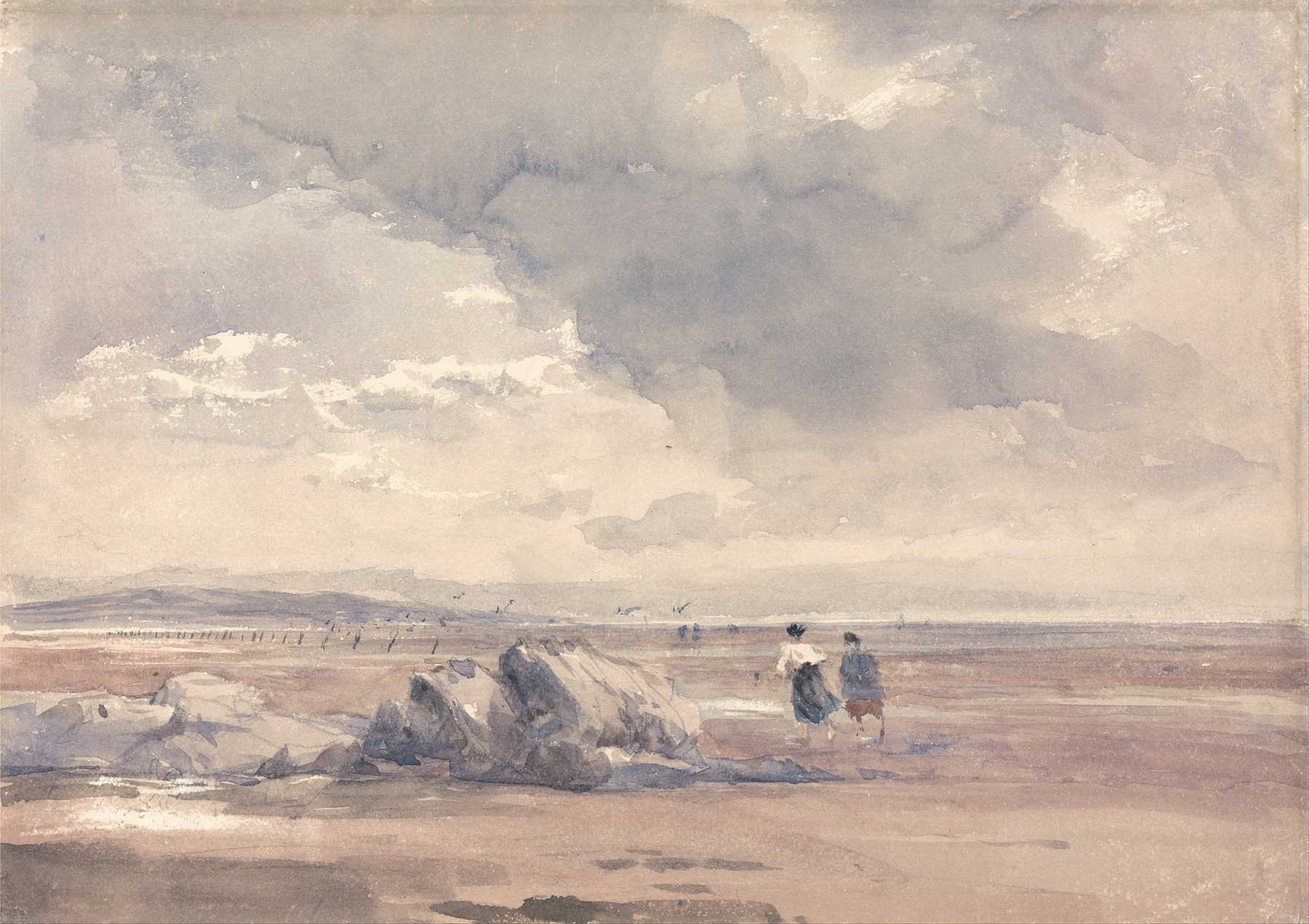
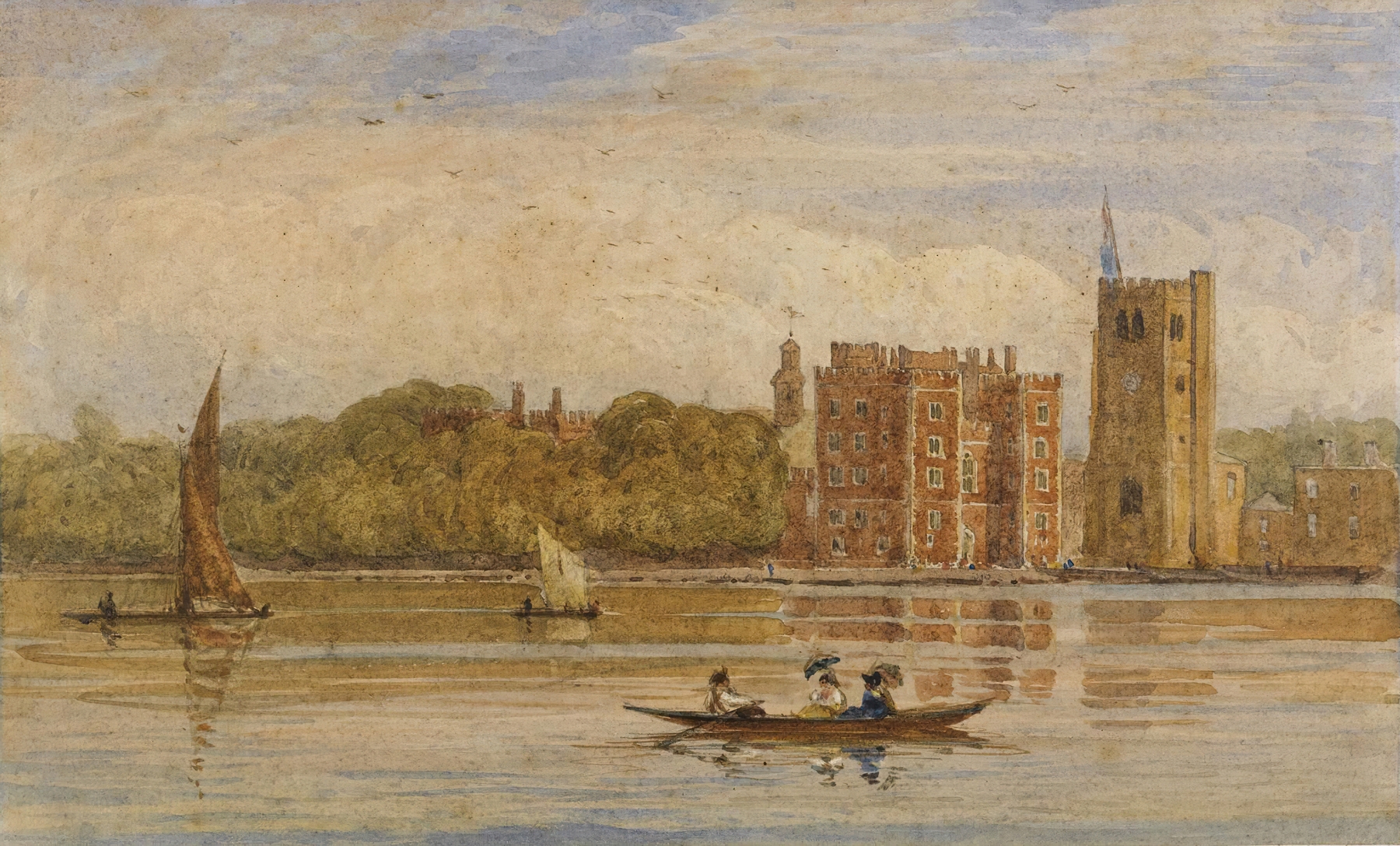
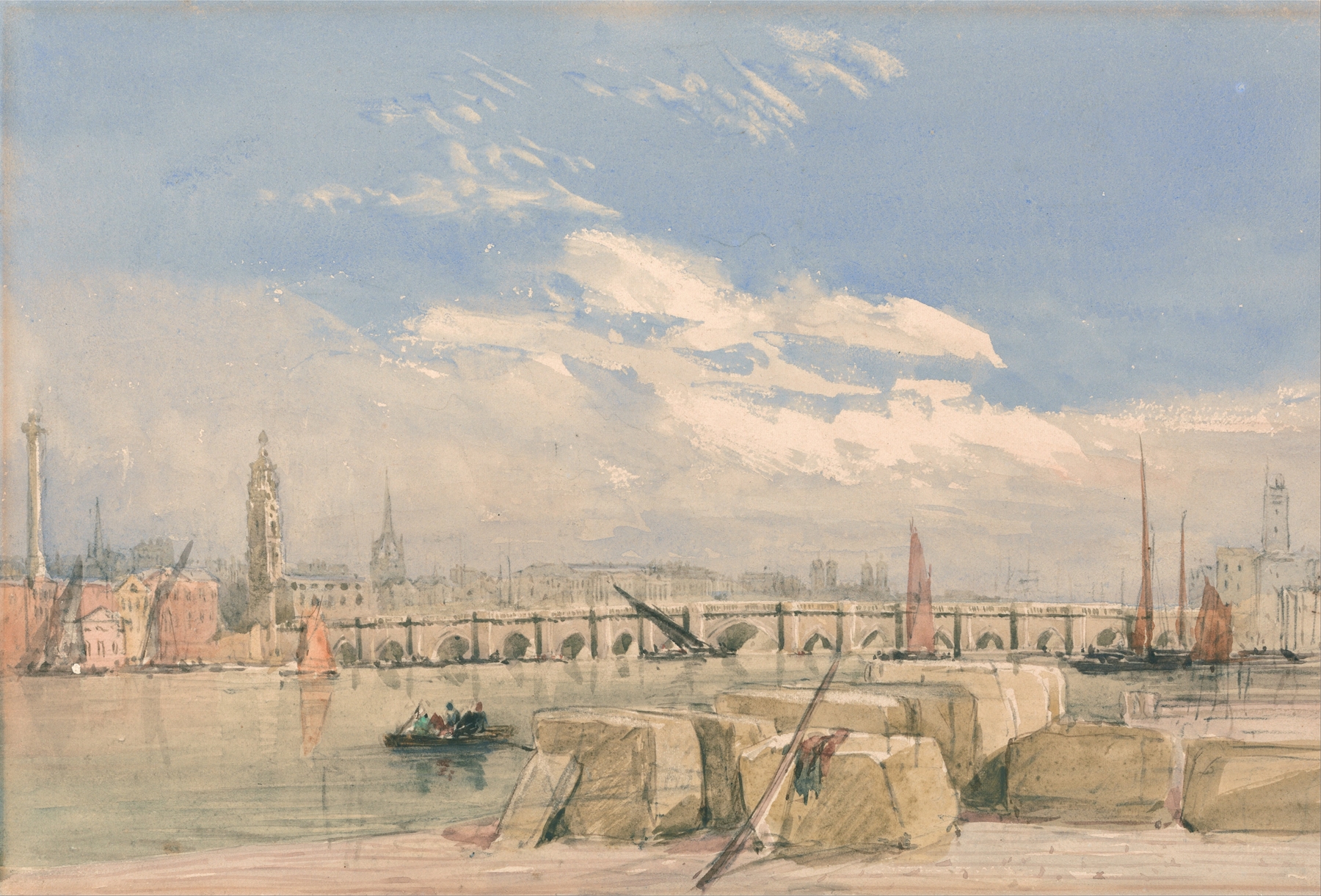
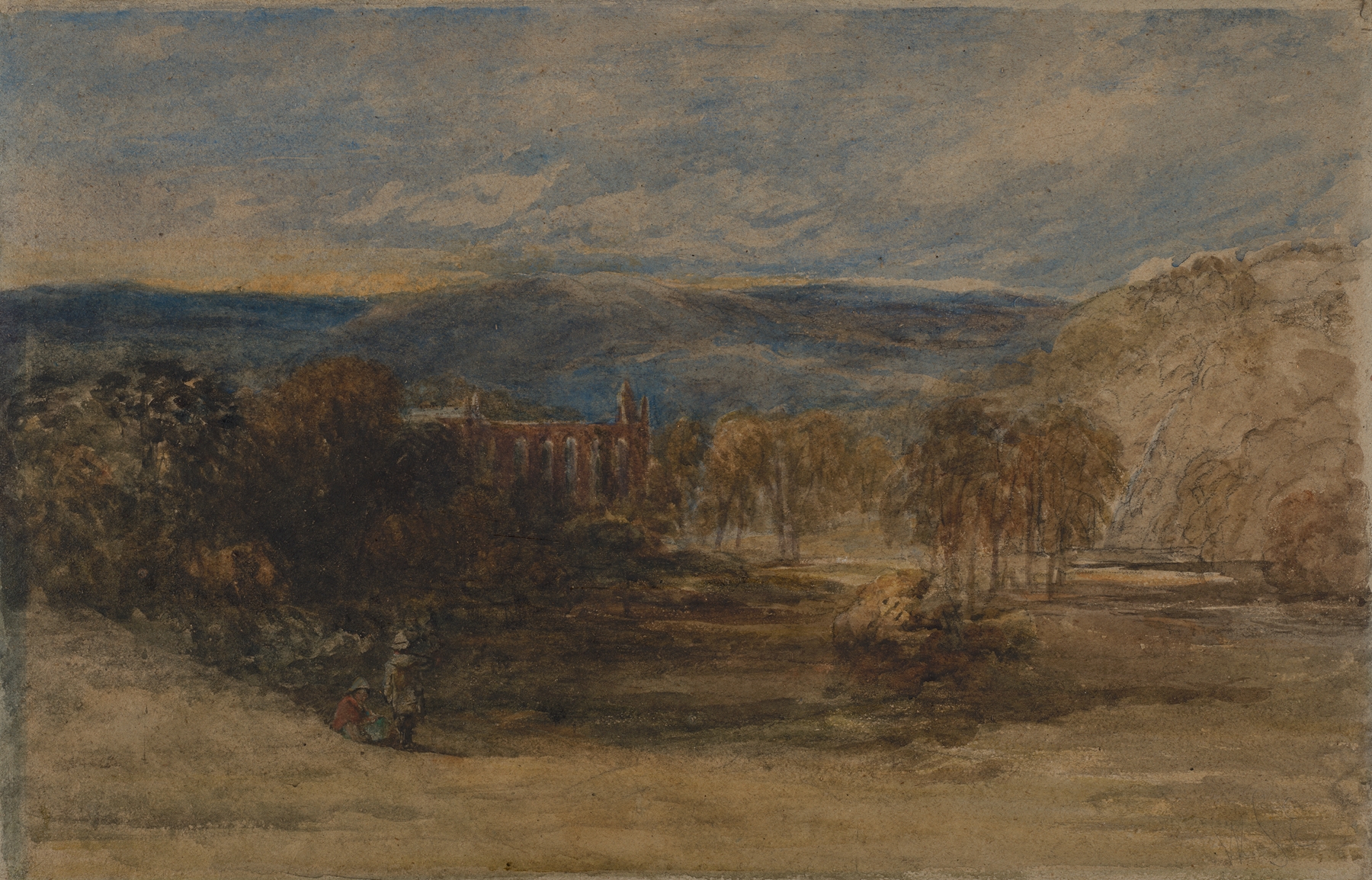
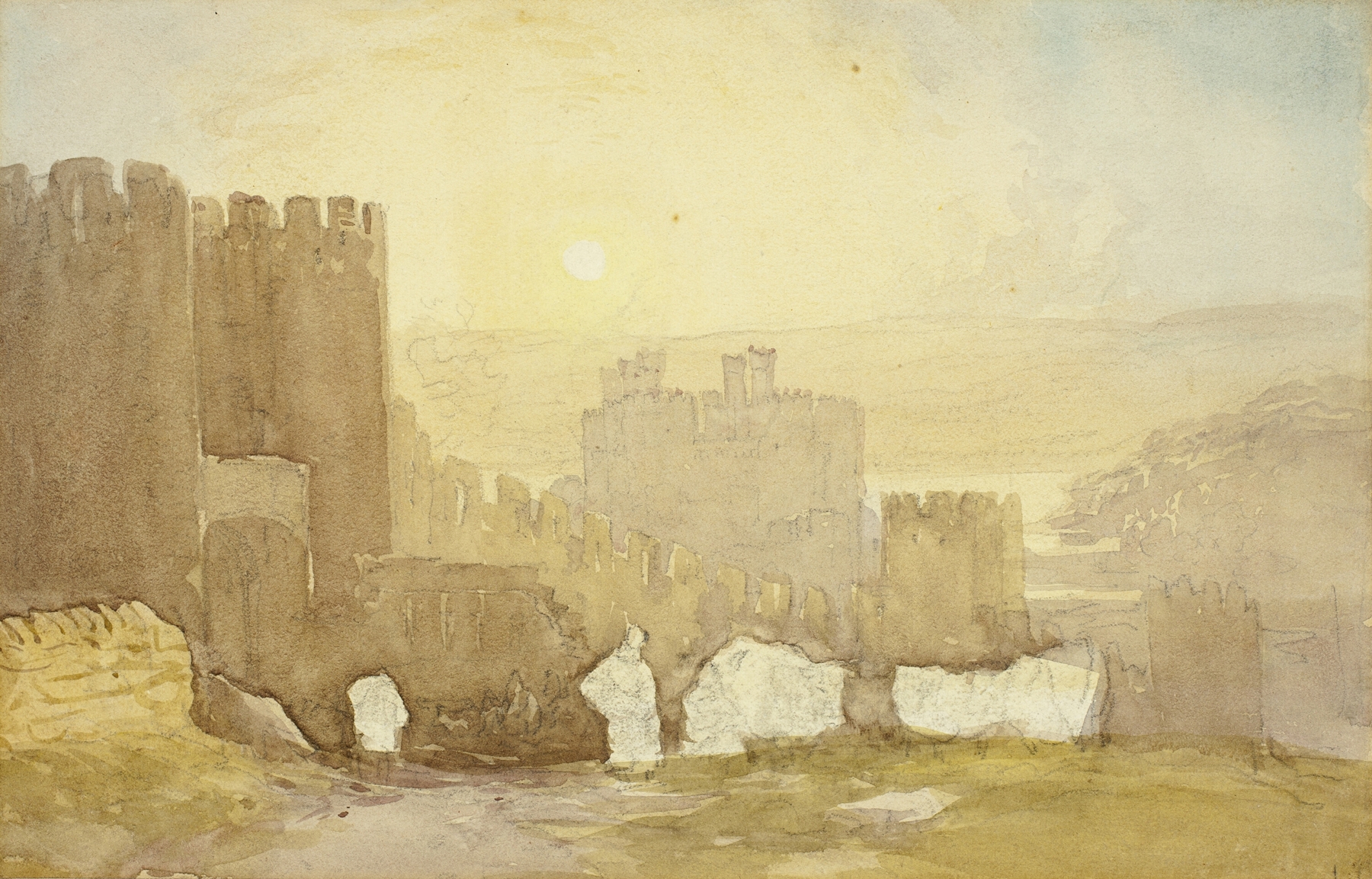
“The canvas doesn’t lie — it simply waits.” Each brushstroke becomes a testament to the ephemeral beauty of nature, capturing moments that slip through our fingers like water. Look to the left, where the soft ripples of the Thames reflect the golden hues of a setting sun. The gentle gradient of blues and ochres draws the eye toward the horizon, inviting you to journey across the water’s surface. Notice how the fluffy clouds, tinged with warmth, float lazily in the sky, while the subtle play of light upon the water creates a shimmering path that beckons to the viewer.
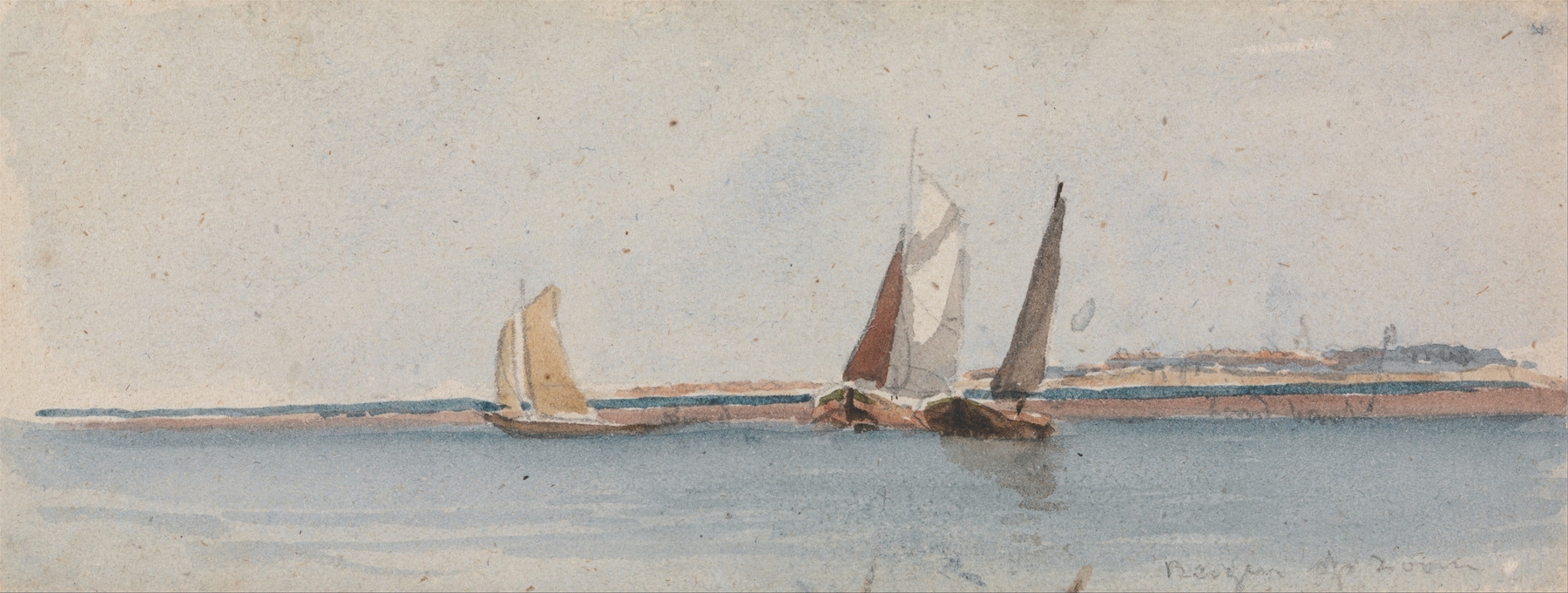
In this languid scene, emotional tensions emerge through contrast. The serene quality of the river is juxtaposed with the industrious activity of small boats dotting the canvas, suggesting both tranquility and the relentless march of progress. Each vessel carries its own story, a reminder of the lives intertwined with the ever-changing river. The artist's deft hand captures the fleeting moments of light, making us acutely aware of time's passage and the inevitable changes it brings.
David Cox painted this piece between 1827 and 1829, during a period marked by the rise of Romanticism in Britain. Residing in London, he witnessed the city’s rapid transformation, with the Thames serving as a vital artery of commerce and culture. This artwork reflects not only the beauty of the landscape but also the artist's desire to immortalize the relationship between humanity and nature amid a world in flux.