Pasture at Dawn — History & Analysis
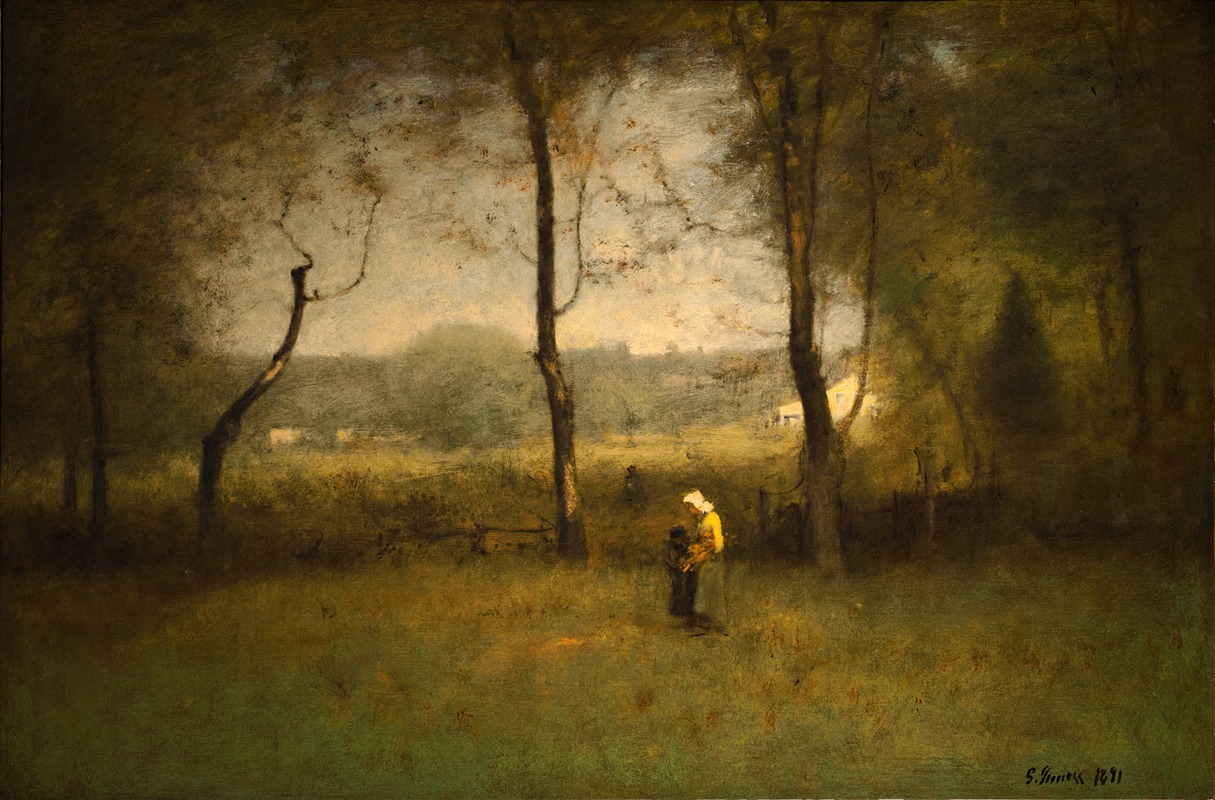
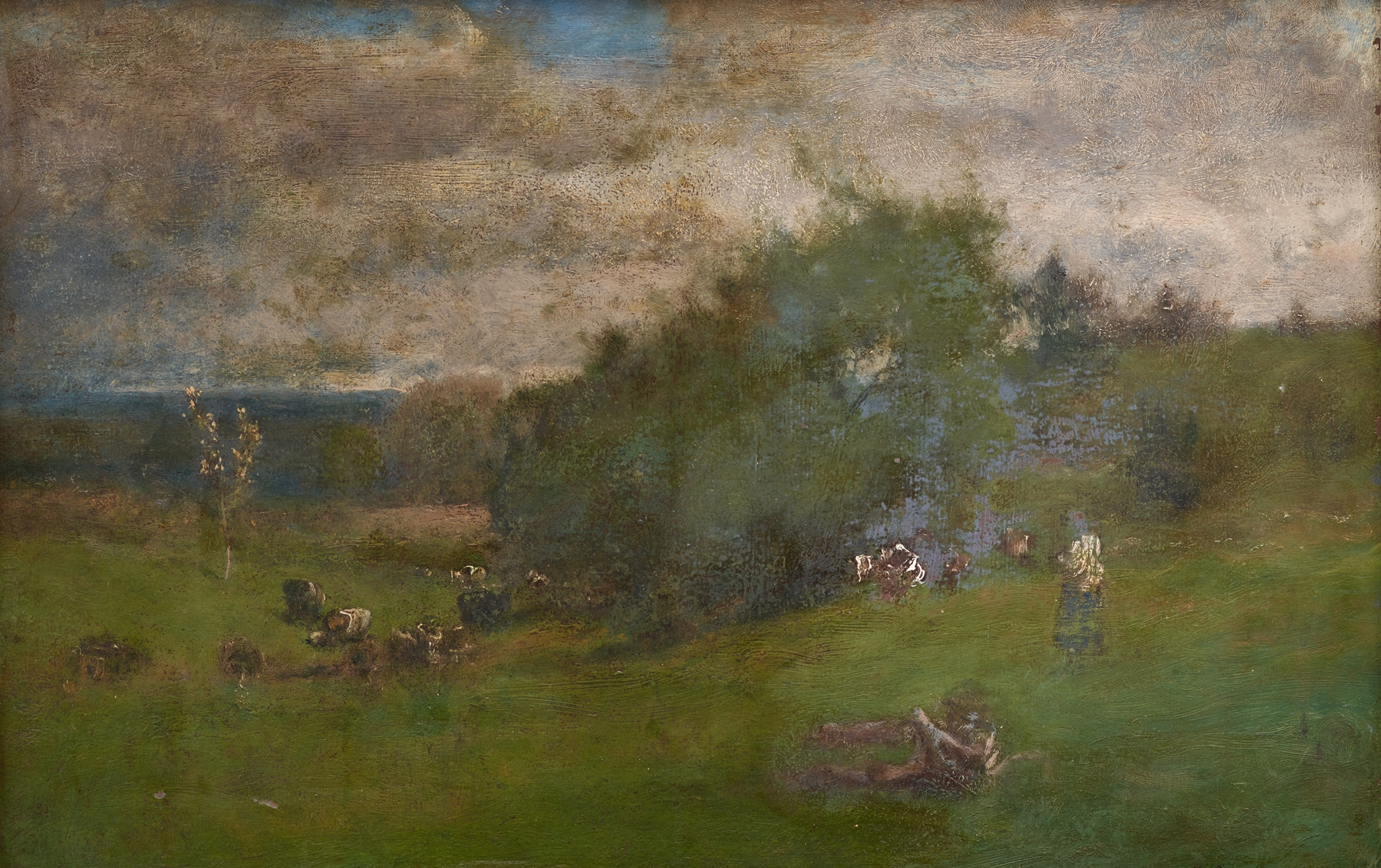
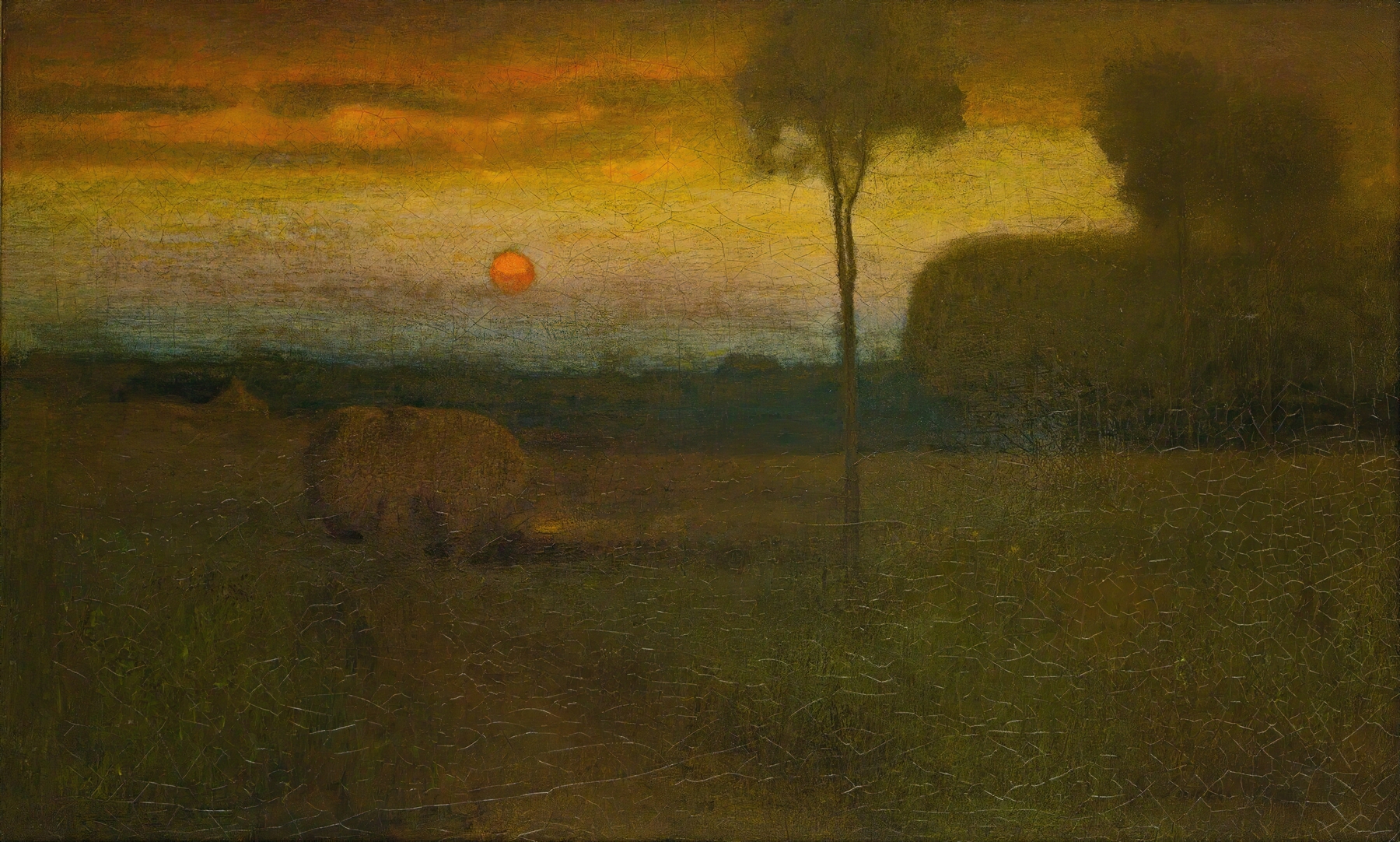
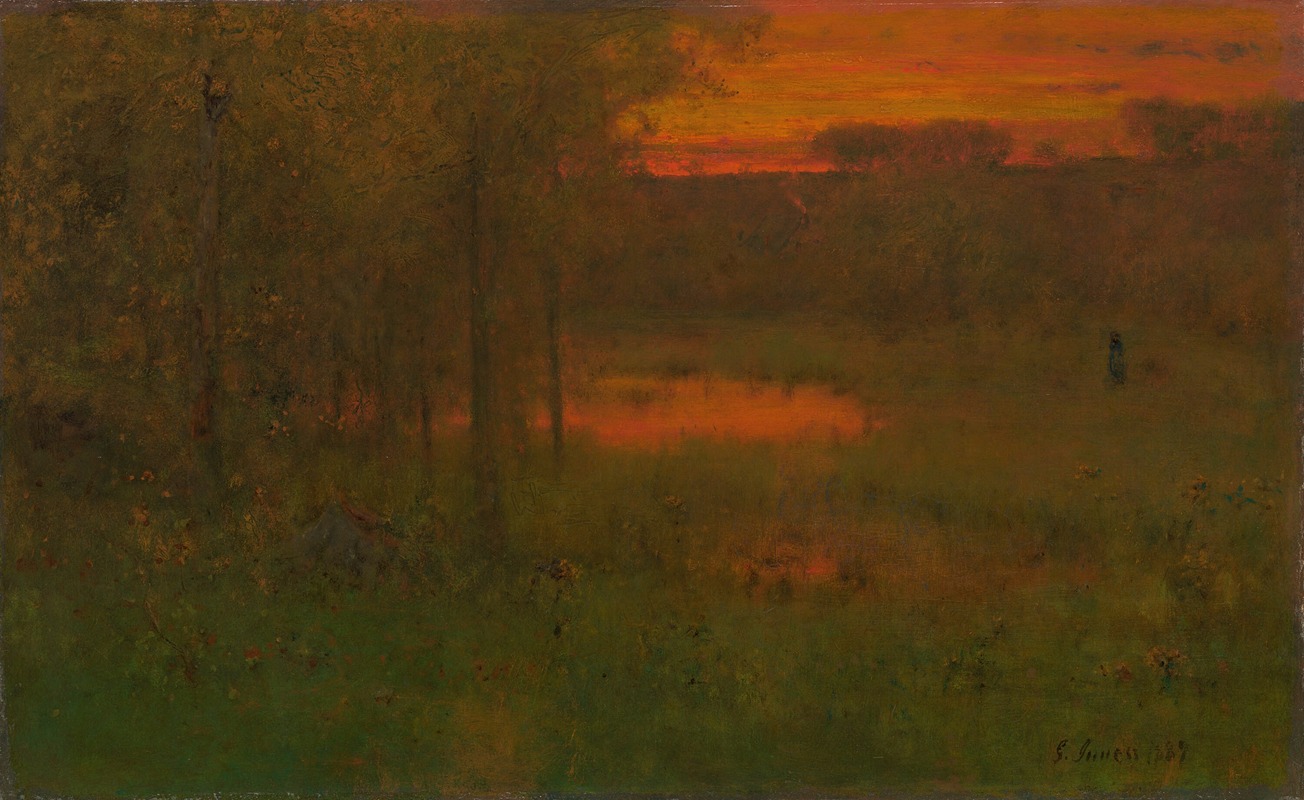
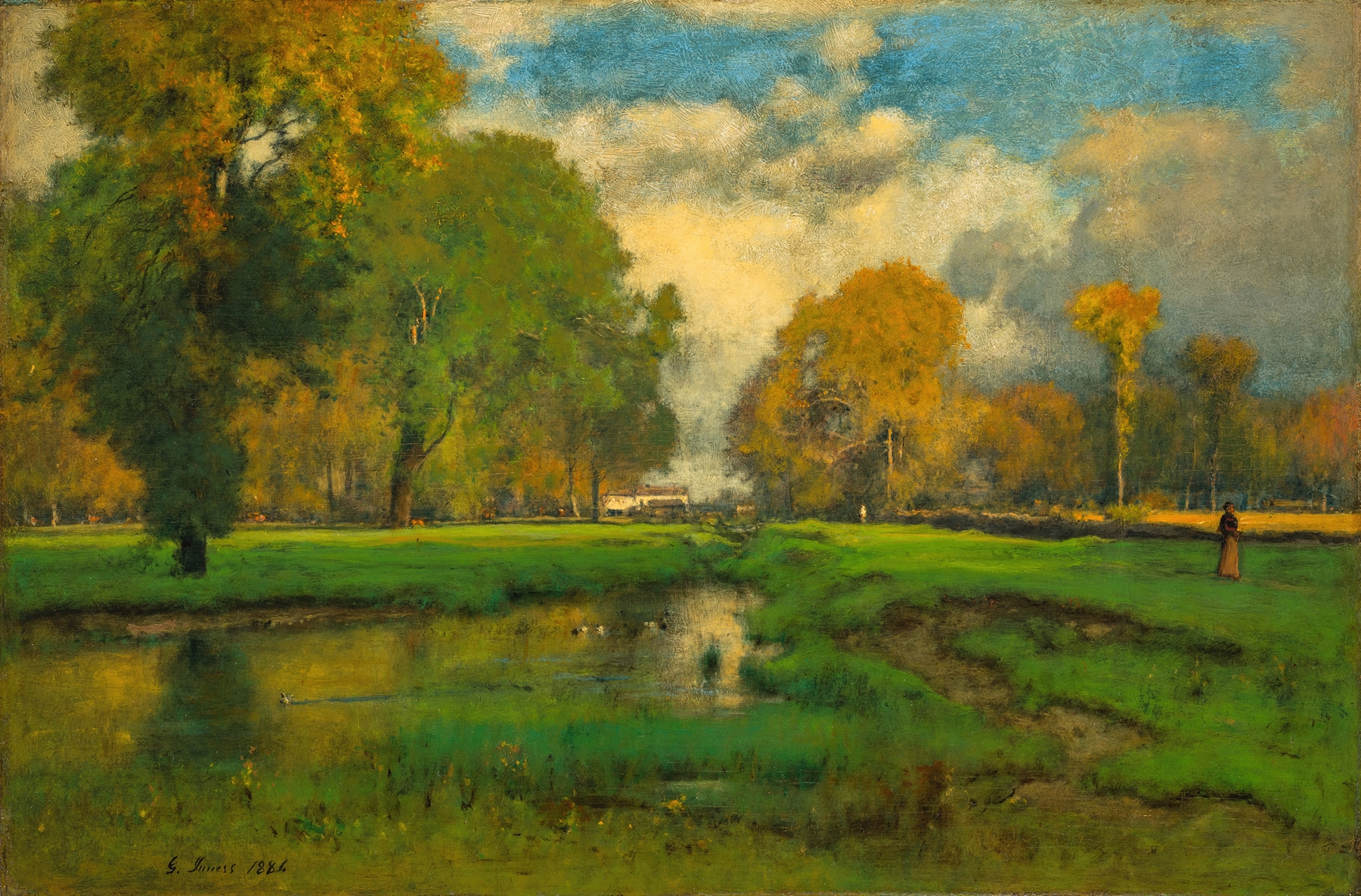
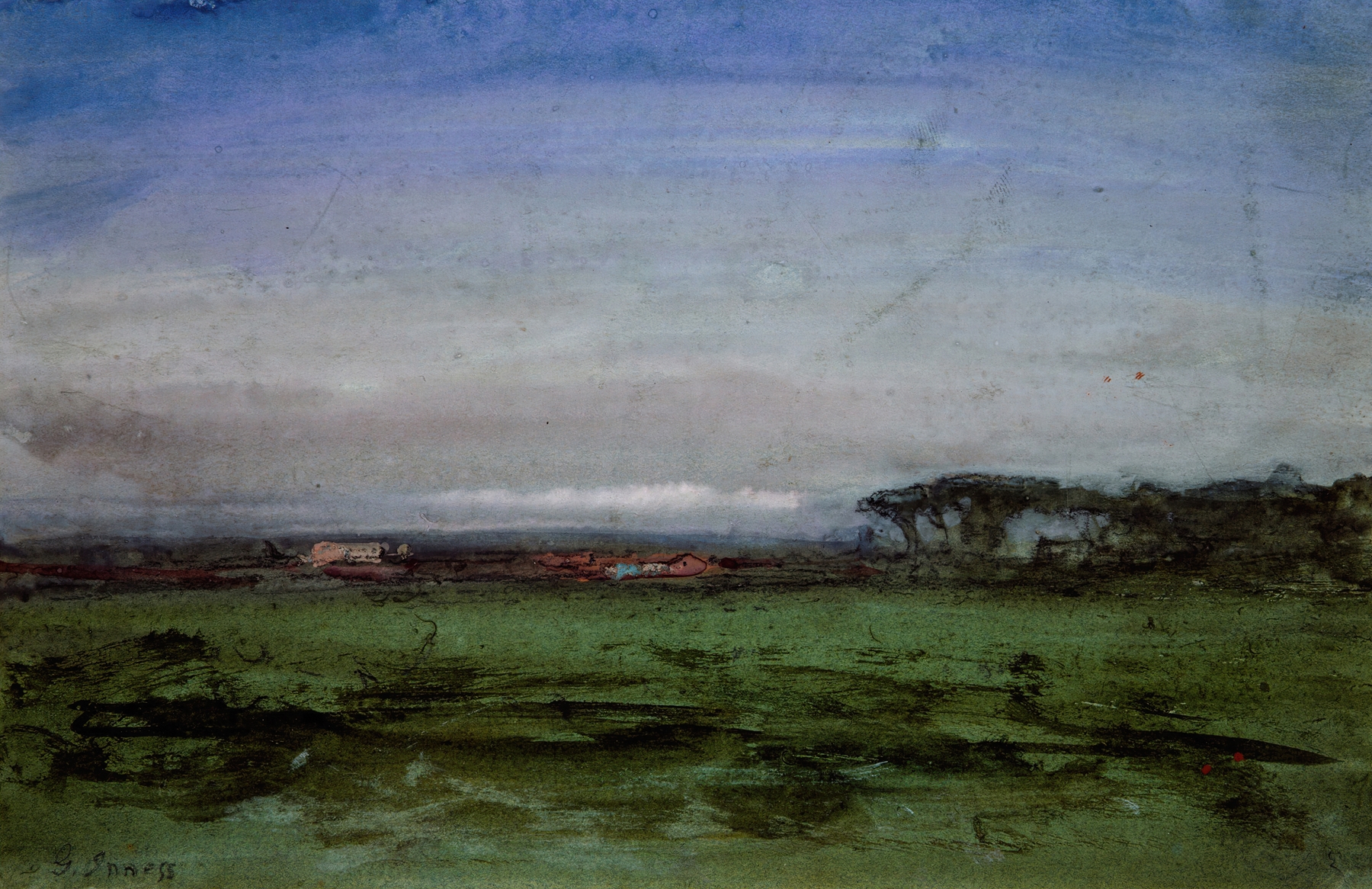
“Sometimes beauty is just pain, disguised in gold.” In the quiet embrace of dawn, the world stirs not just to witness the birth of a new day, but to awaken the revolution of light against the shadows of night. Focus on the horizon where soft hues of amber and rose blend seamlessly, casting a warm glow over the pastoral landscape. Notice how the gentle strokes of Inness’s brush create a tapestry of rolling fields, each blade of grass glistening with dew, a testament to nature's delicate resilience. The composition draws your eye upward, leading you from the lush foreground to the expansive sky, which serves as an ethereal backdrop to the earthy scene below.
Within this tranquil vista lies a deeper narrative. The contrast between the cool, shadowy tones and the vibrant warmth of morning hints at the tumultuous changes occurring both in nature and society. Here, the dawn symbolizes hope and renewal, while the stillness suggests the lingering echoes of a night filled with turmoil—transitions woven into the fabric of existence, underscoring the duality of beauty and struggle in our lives.
Inness created Pasture at Dawn in 1891, during a period of personal and artistic reflection. Residing in Montclair, New Jersey, he was influenced by the evolving American landscape and the ideals of the Barbizon school, which sought to capture the essence of nature. This painting reflects not just his mastery of color and form, but also the transformative power of landscape art at a time when America was undergoing immense changes, both socially and artistically.