
Paysage d’Innsbruck — History & Analysis
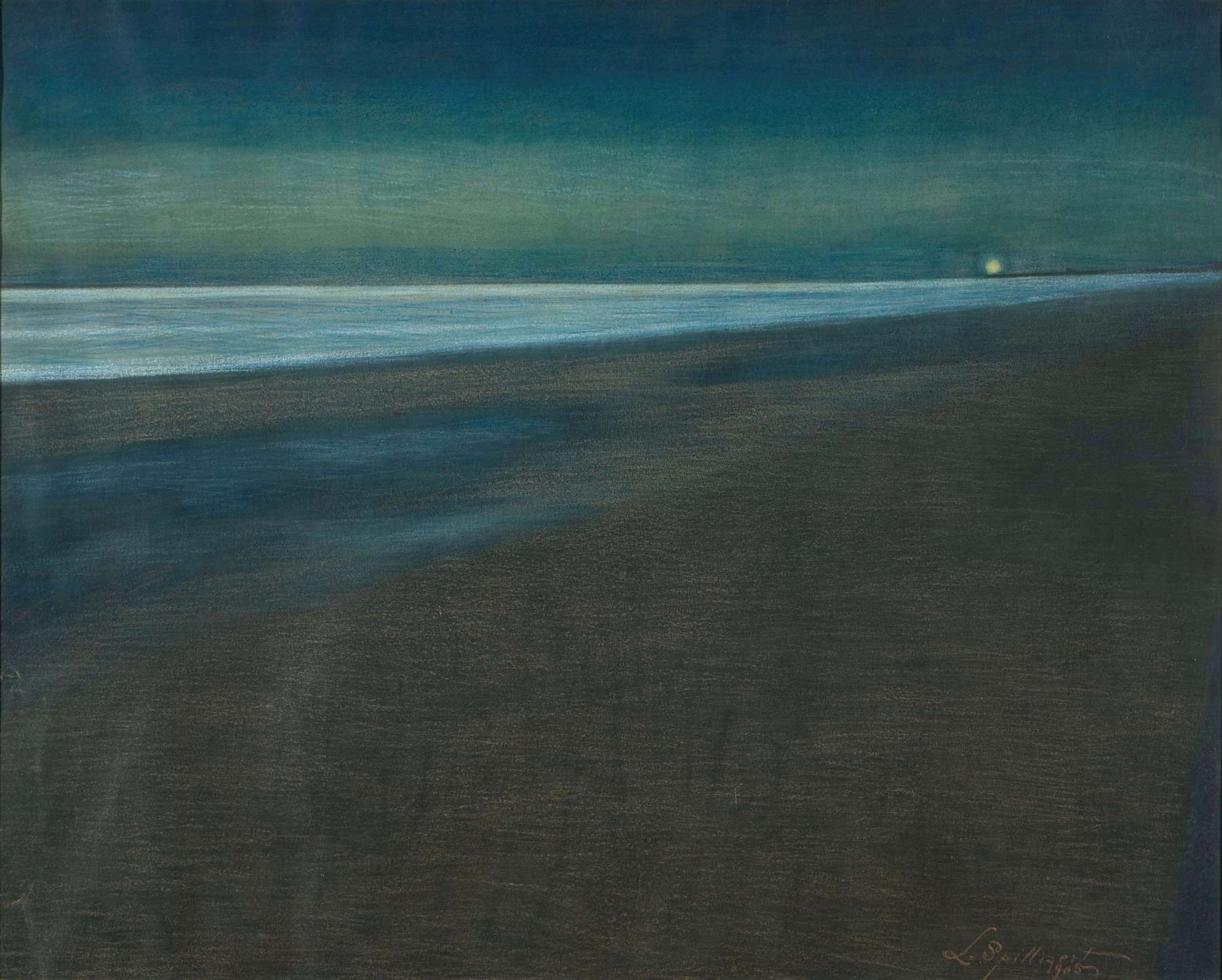
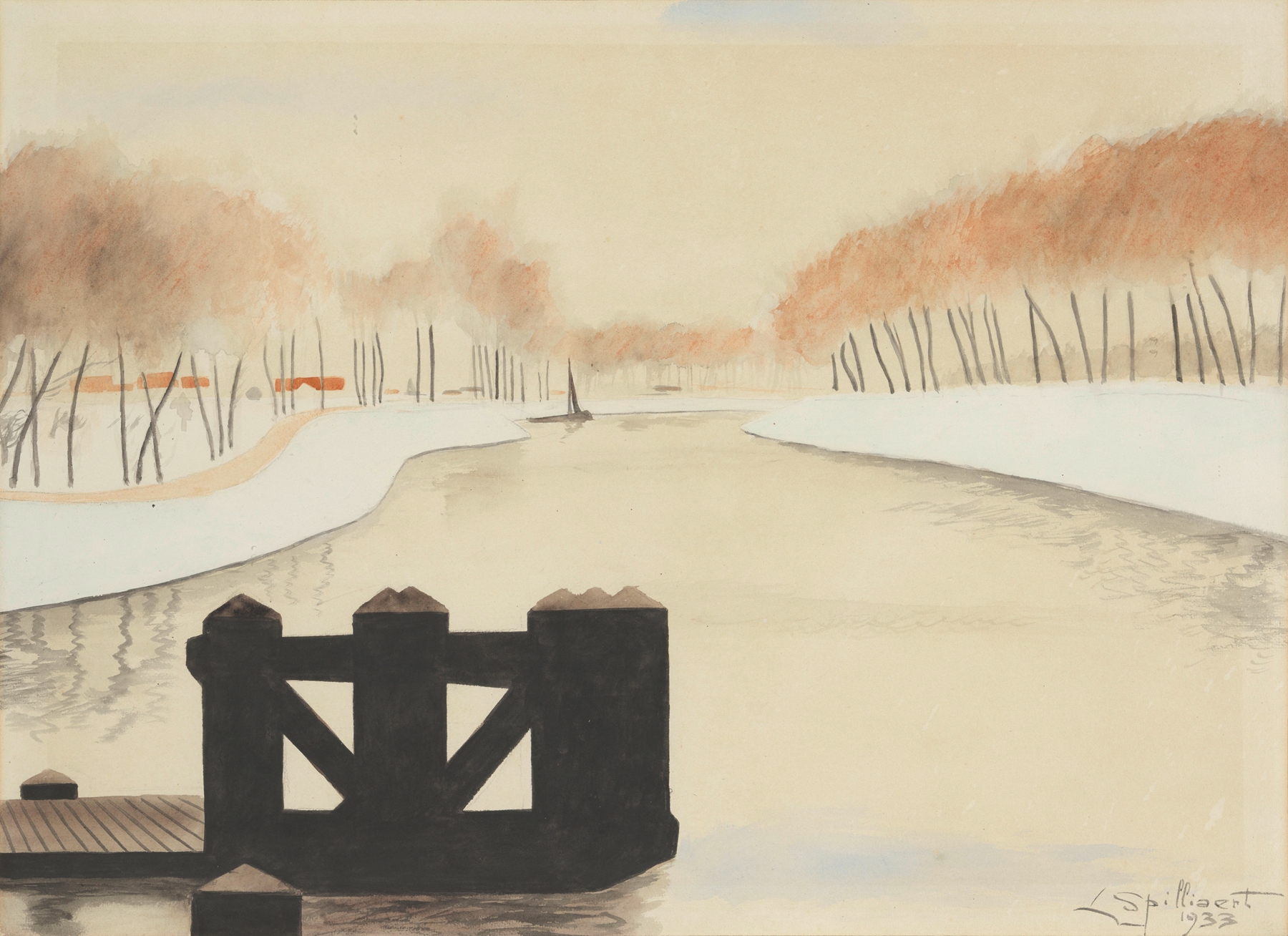
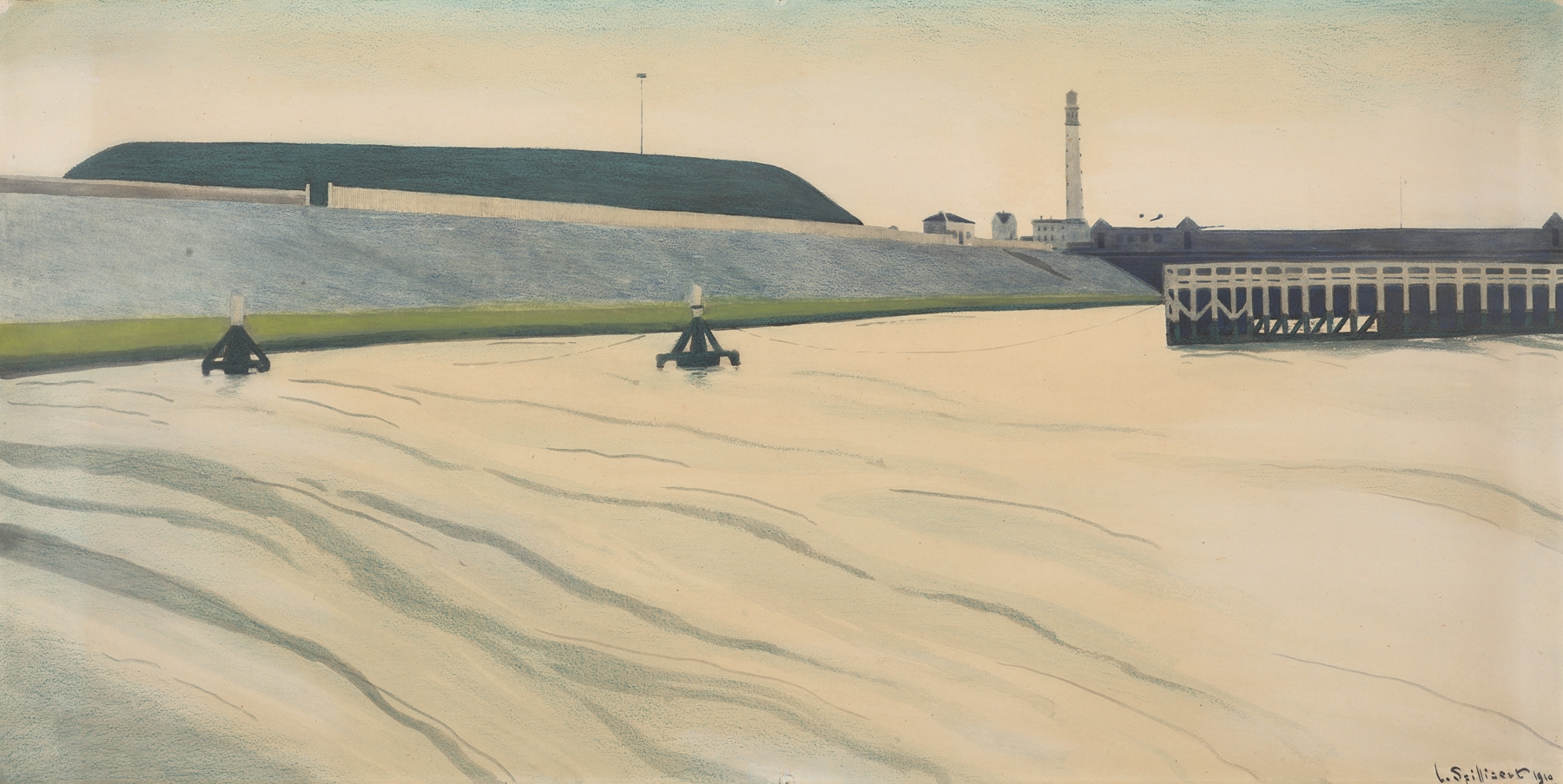
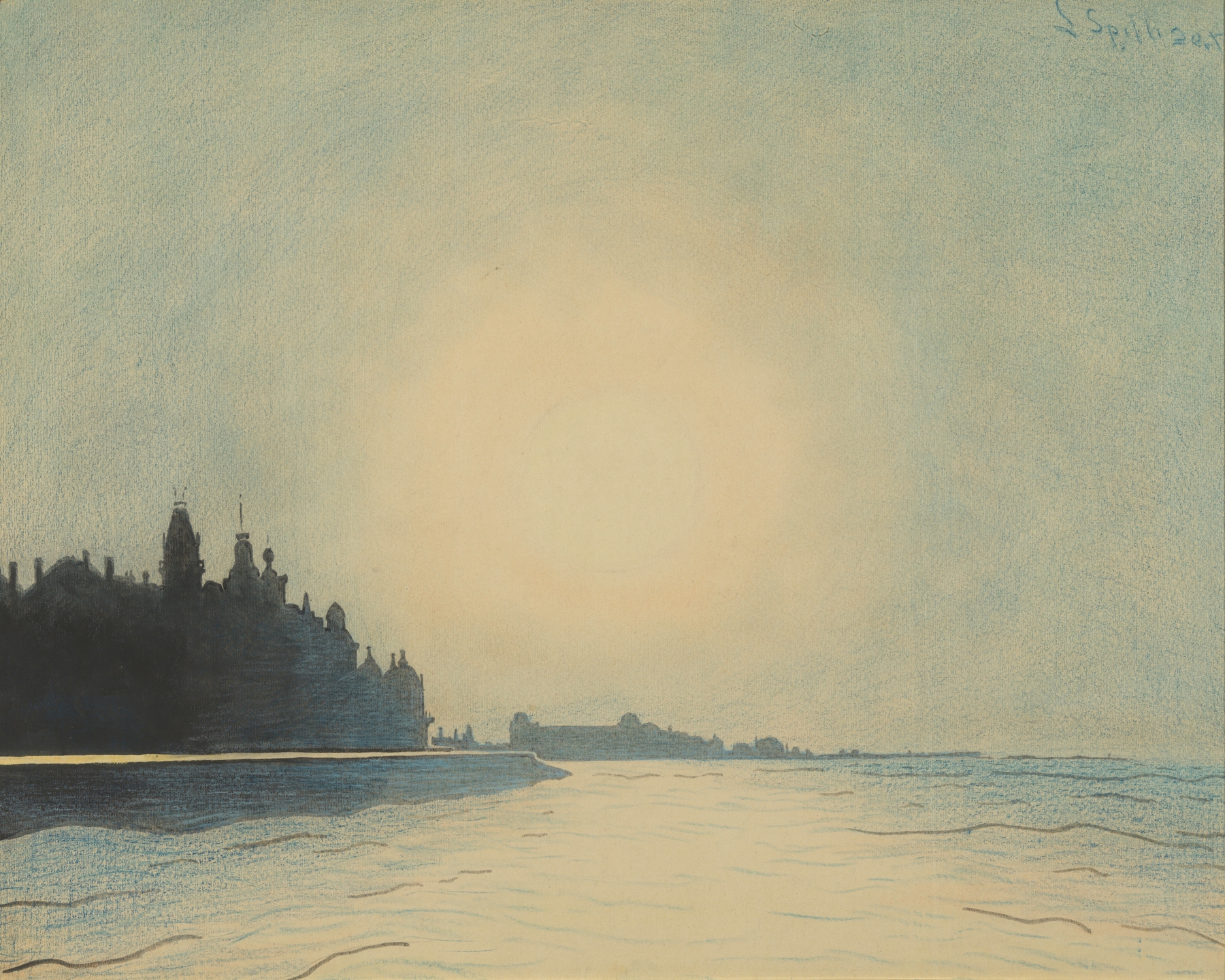
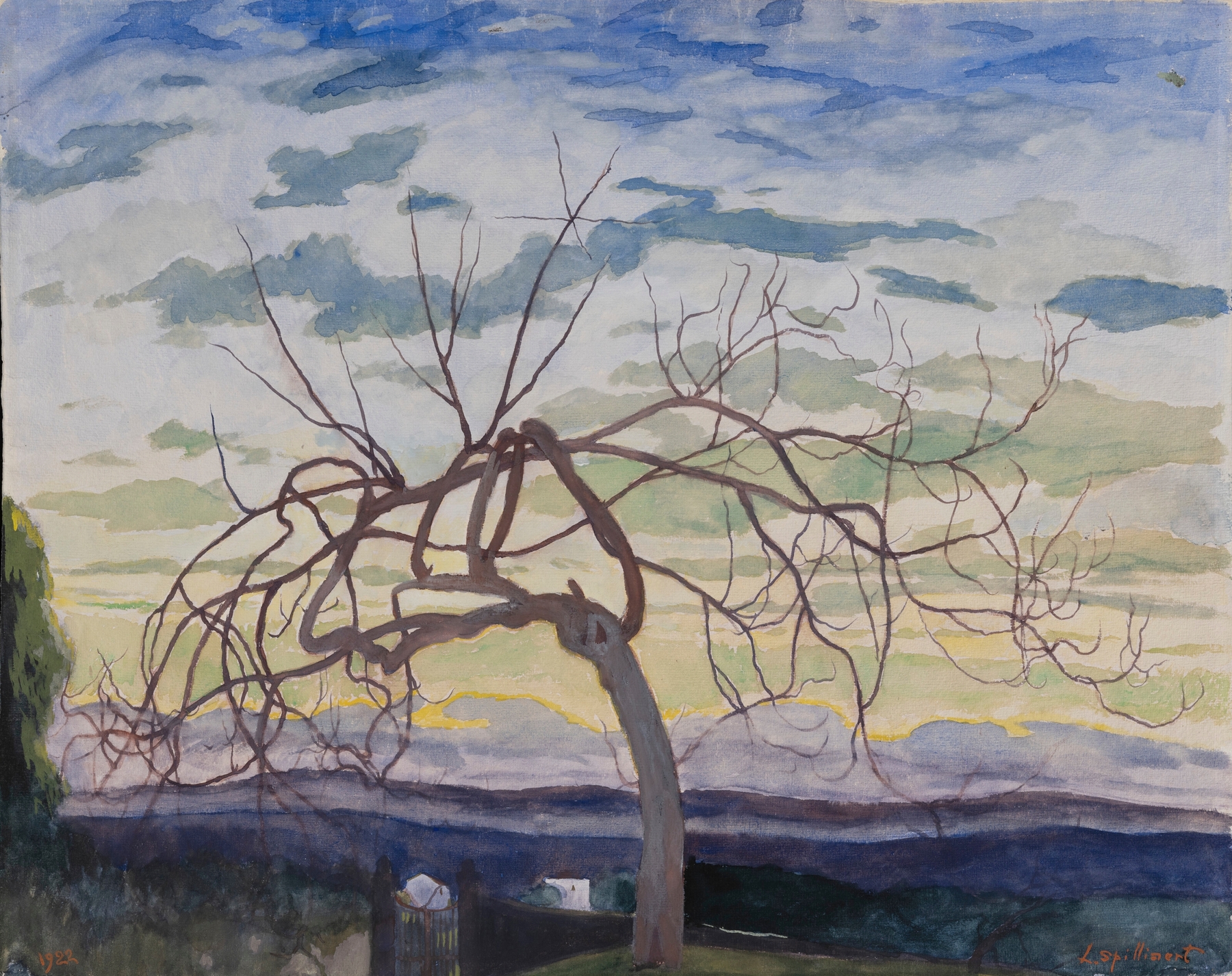
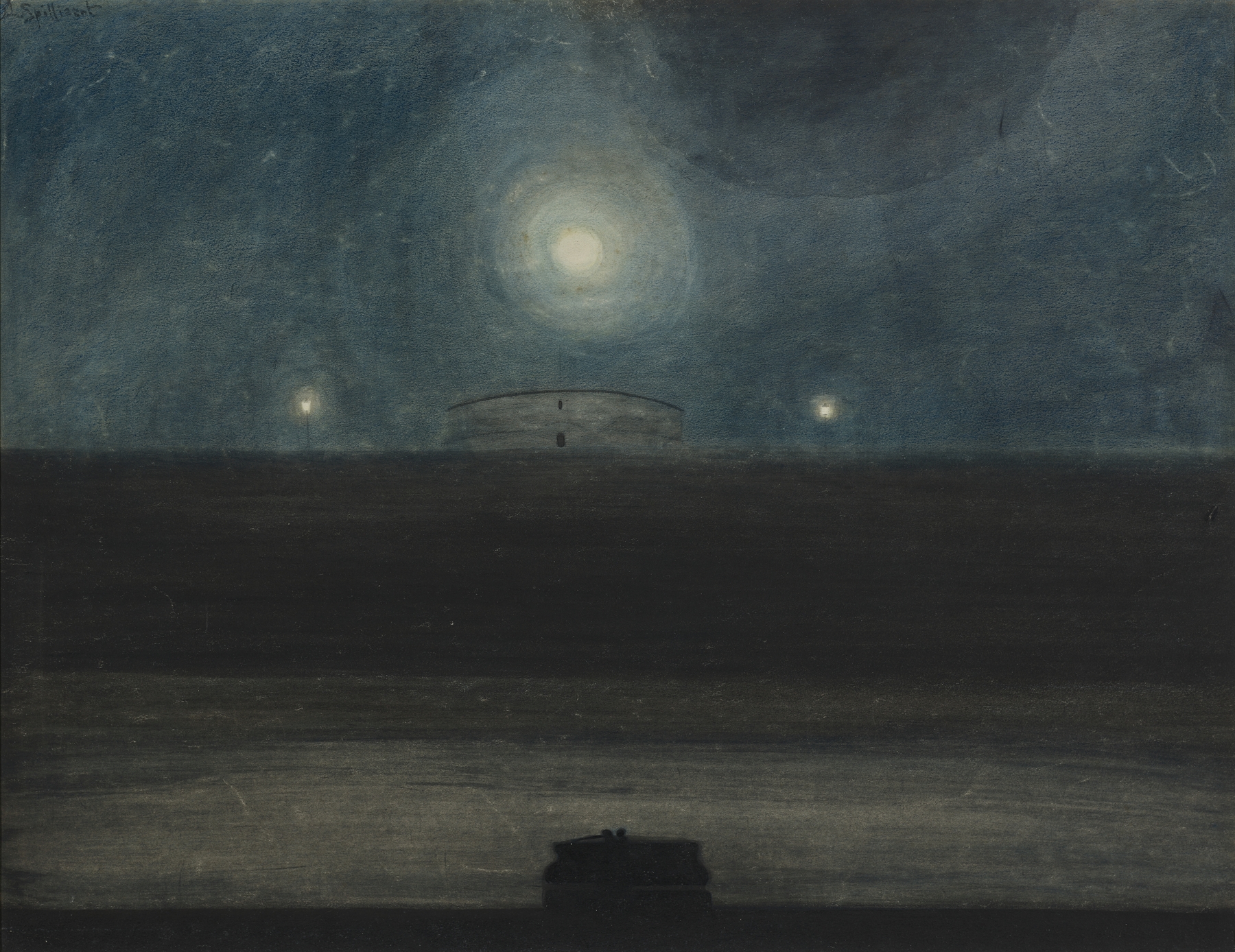
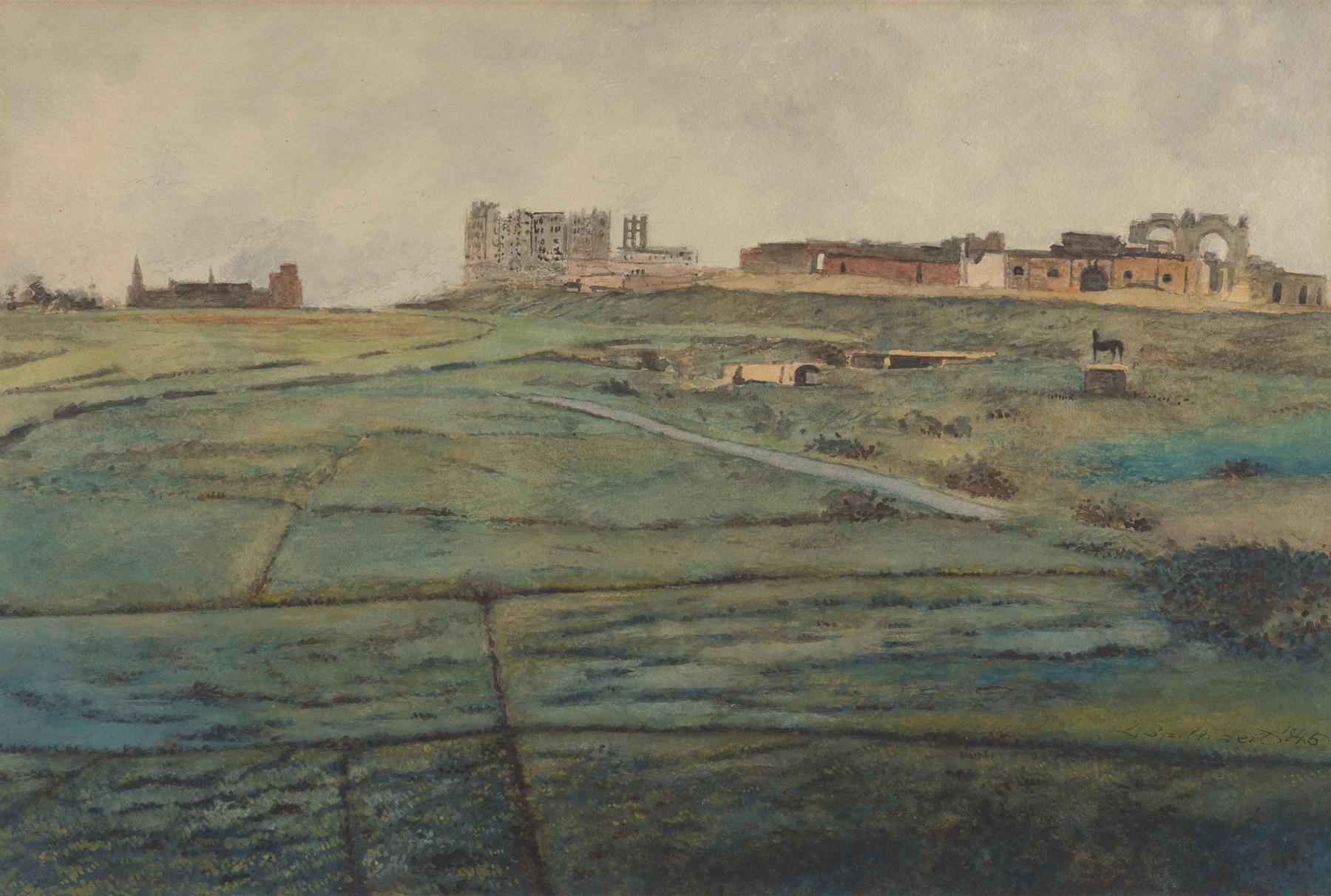
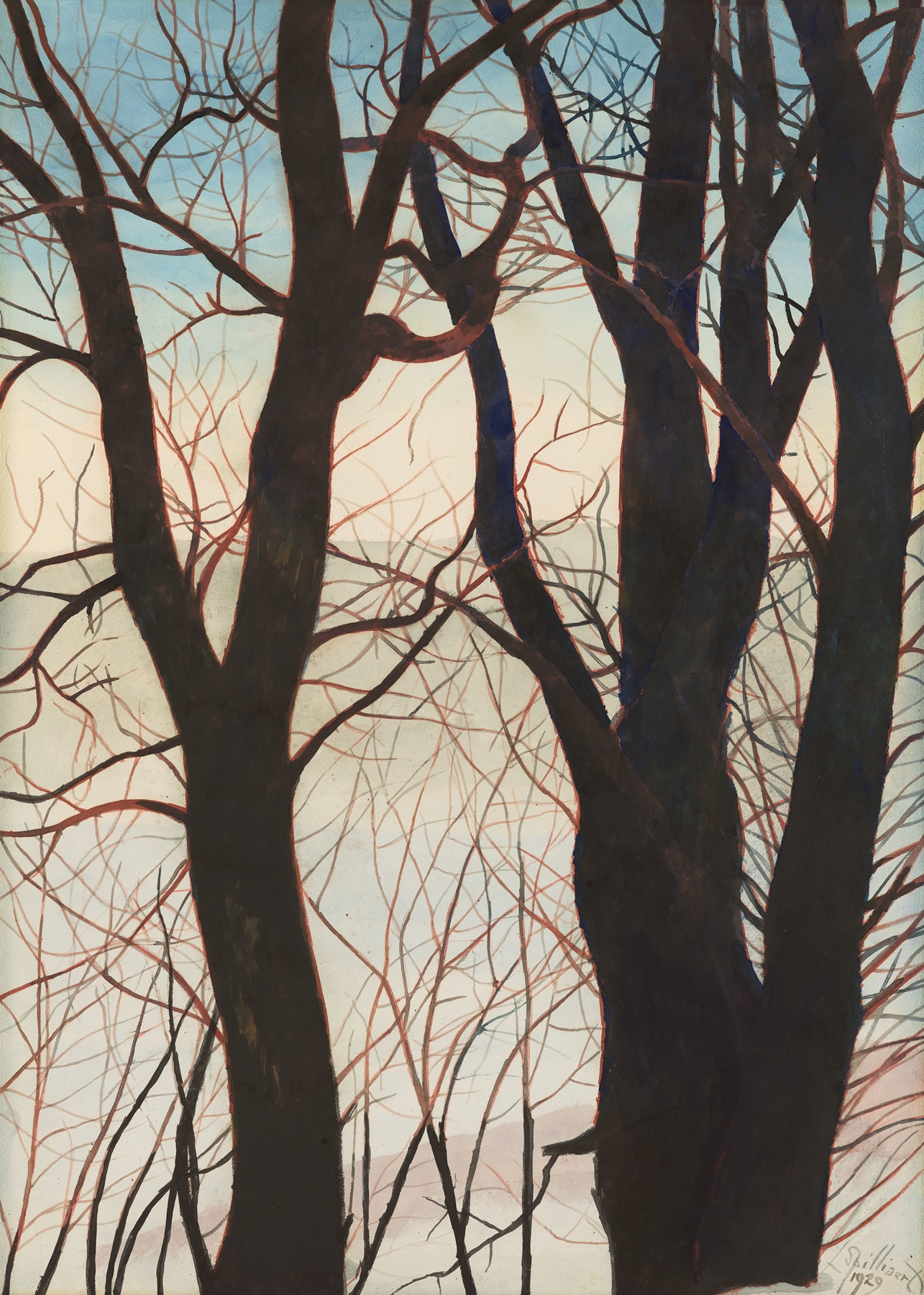
What secret hides in the quiet of the canvas? A landscape unfolds, yet it carries a weight of absence, echoing the lingering shadows of what once was. Look to the foreground, where the muted earth tones of the soil and grass cradle the distant, ethereal city. Notice how the light plays delicately across the rooftops of Innsbruck, illuminating them against a backdrop of brooding mountains. The composition is a masterful balance, with the jagged peaks framing the serene calm of the town below, suggesting both protection and isolation.
The palette, dominated by deep blues and soft grays, invites contemplation, creating a sense of stillness that resonates on a deeper emotional level. In this work, the contrast between the vibrant life of the city and the oppressive weight of the mountainous landscape speaks to feelings of solitude and loss. The gentle curves of the hills juxtaposed with the harsh lines of the city reveal a duality—a yearning for connection amidst an overwhelming sense of separation. Small details, like the sparse clouds hovering above, enhance the somber mood, as if they hold the unspoken stories of those who inhabit this space.
Each brushstroke reflects the nuanced emotions tied to memory and absence, creating an atmosphere thick with poignant nostalgia. Léon Spilliaert created this evocative piece in 1932 during a time of personal struggle, having moved back to Belgium from the vibrant scenes of his youth. The interwar period was marked by uncertainty and reflection in the art world, with many artists grappling with themes of identity and loss in response to global events. This painting not only reflects Spilliaert's emotional state but also captures a broader artistic exploration of isolation that defined the era.
![Le Phare aux signaux [De vuurtoren], by Léon Spilliaert, public domain](https://froigstrpvutwqtqikzt.supabase.co/storage/v1/object/public/art-images/artworks/15c64ea88267bb2176f857ee48f253129140e660e1928d47acf6cab808d0226d.jpg)