Snow At Ochanomizu — History & Analysis
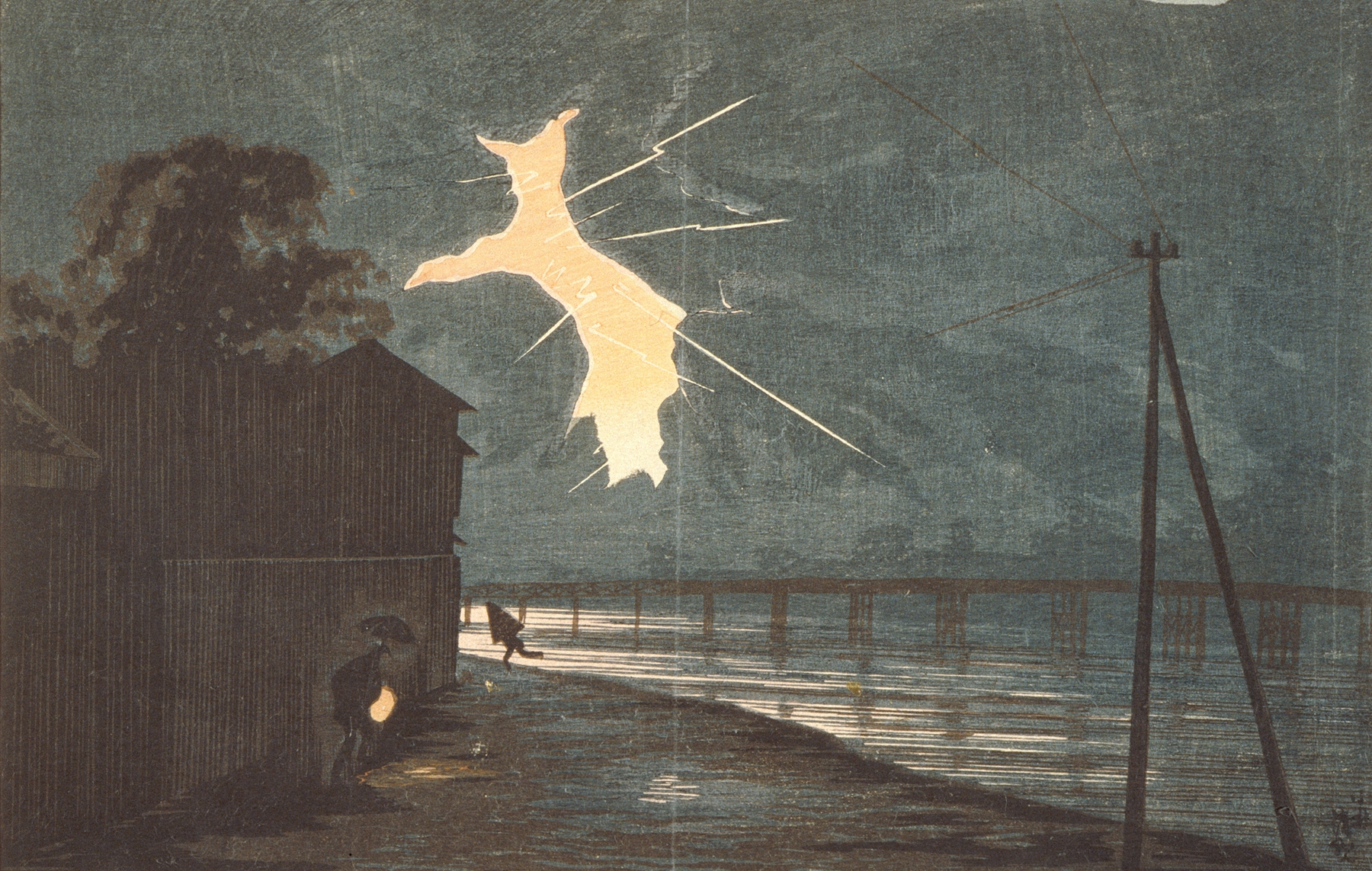
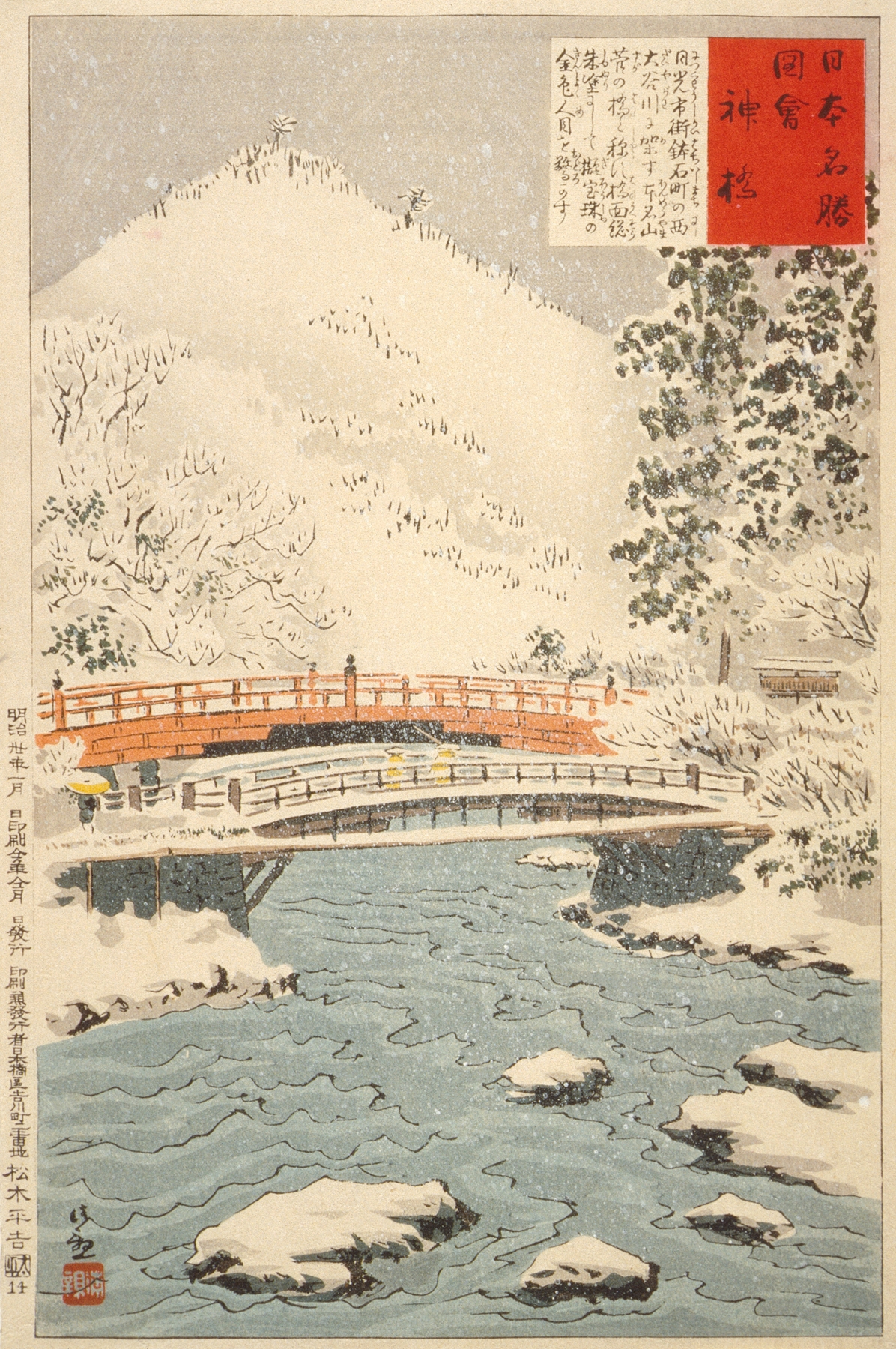
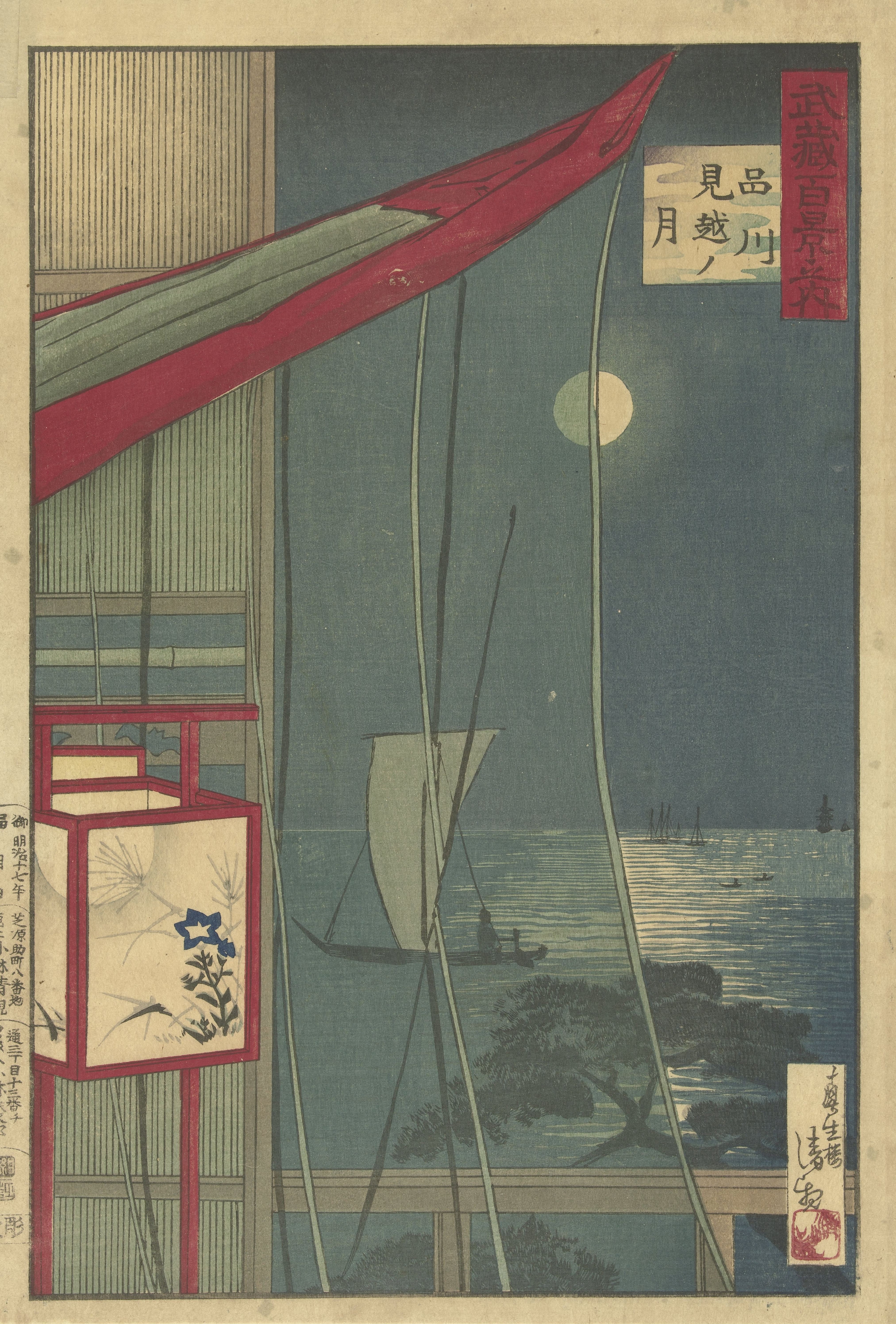
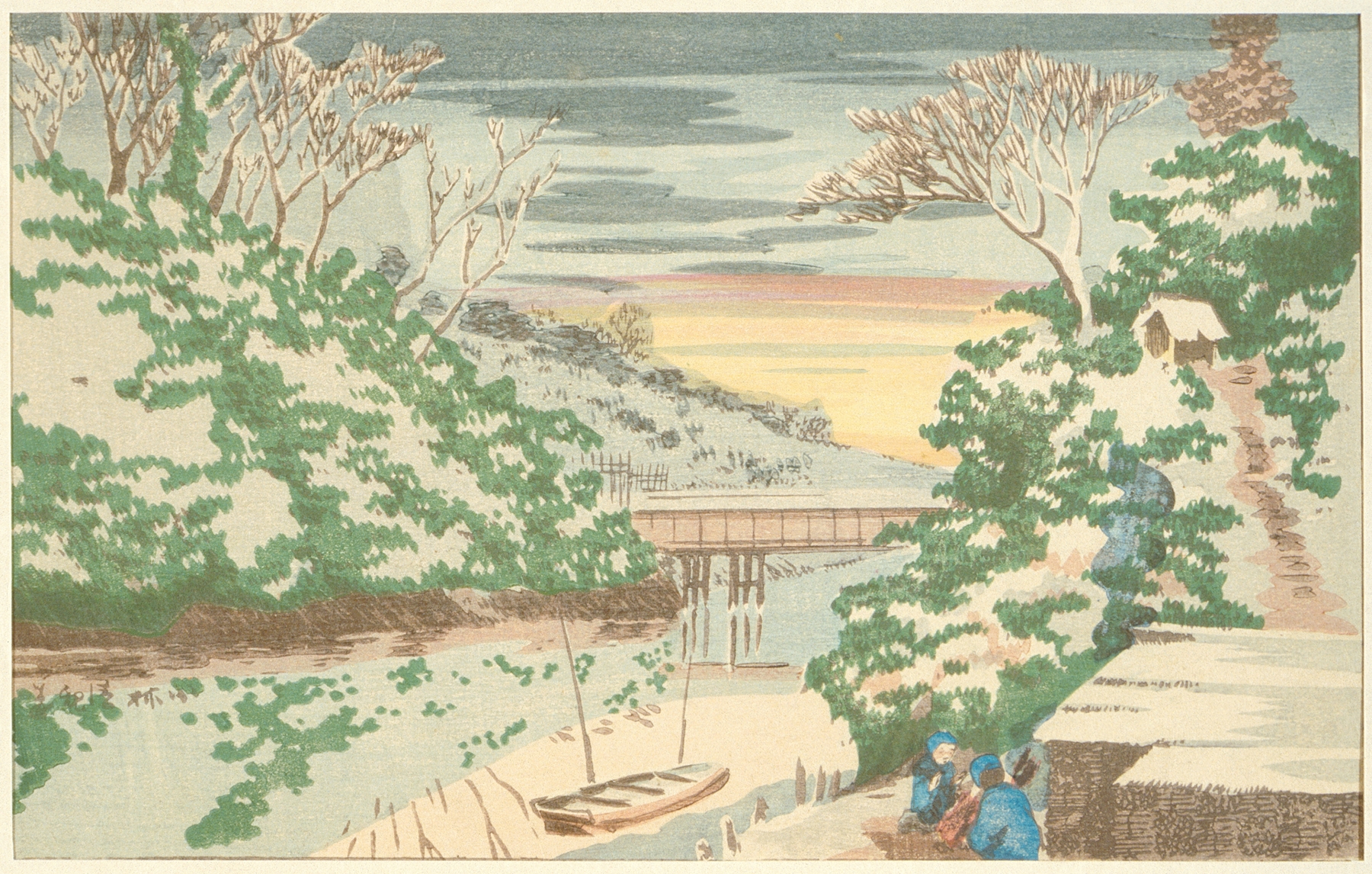
Could beauty survive in a century of chaos? In Snow At Ochanomizu, a delicate harmony emerges from the urban cacophony, suggesting that amidst turmoil, serenity can find its place. Look closely at the foreground; the shimmering blanket of snow transforms the bustling cityscape into a tranquil winter wonderland. The cool blue tones of the sky contrast beautifully with the warm glow of lanterns lining the streets, inviting the viewer to explore the gentle interplay of light and shadow. Notice how the snowflakes seem to dance through the air, each one meticulously rendered, creating a sense of movement that contrasts with the stillness of the scene below.
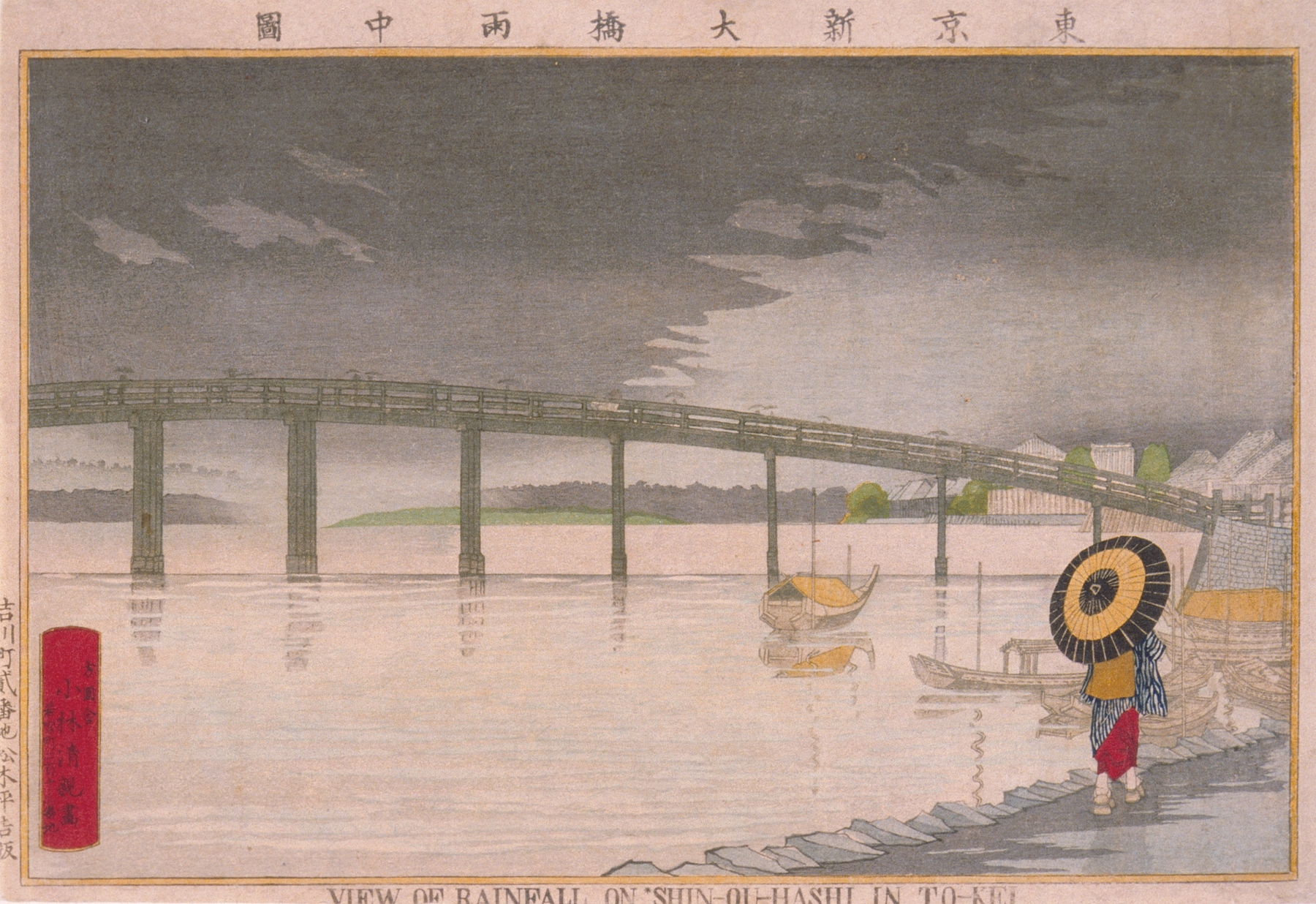
The composition draws the eye to the bridge, where figures traverse the landscape, their postures suggesting a moment of quiet reflection amid the busy life of Edo. Beneath its serene surface, the painting reflects deeper tensions—between nature and the encroaching modernity of urban life. The snow, a symbol of purity, blankets the imperfections of the bustling city, offering an illusion of escape from reality. The distant mountains loom silently, reminding us of nature's enduring presence, even as humanity relentlessly carves its mark upon the land.
It is here, in this delicate balance, that beauty becomes an act of rebellion against the chaos of the era. Kobayashi Kiyochika created this piece between 1877 and 1882, during a pivotal time in Japan as it transitioned from a feudal society to a modern state. This period was marked by rapid urbanization and Western influences permeating every aspect of life, challenging traditional aesthetics. Kiyochika, known for his masterful blending of traditional Japanese art with modern techniques, captured an ephemeral beauty that beckoned viewers to pause and reflect.