Snowy Landscape At Hikifune In Koume — History & Analysis
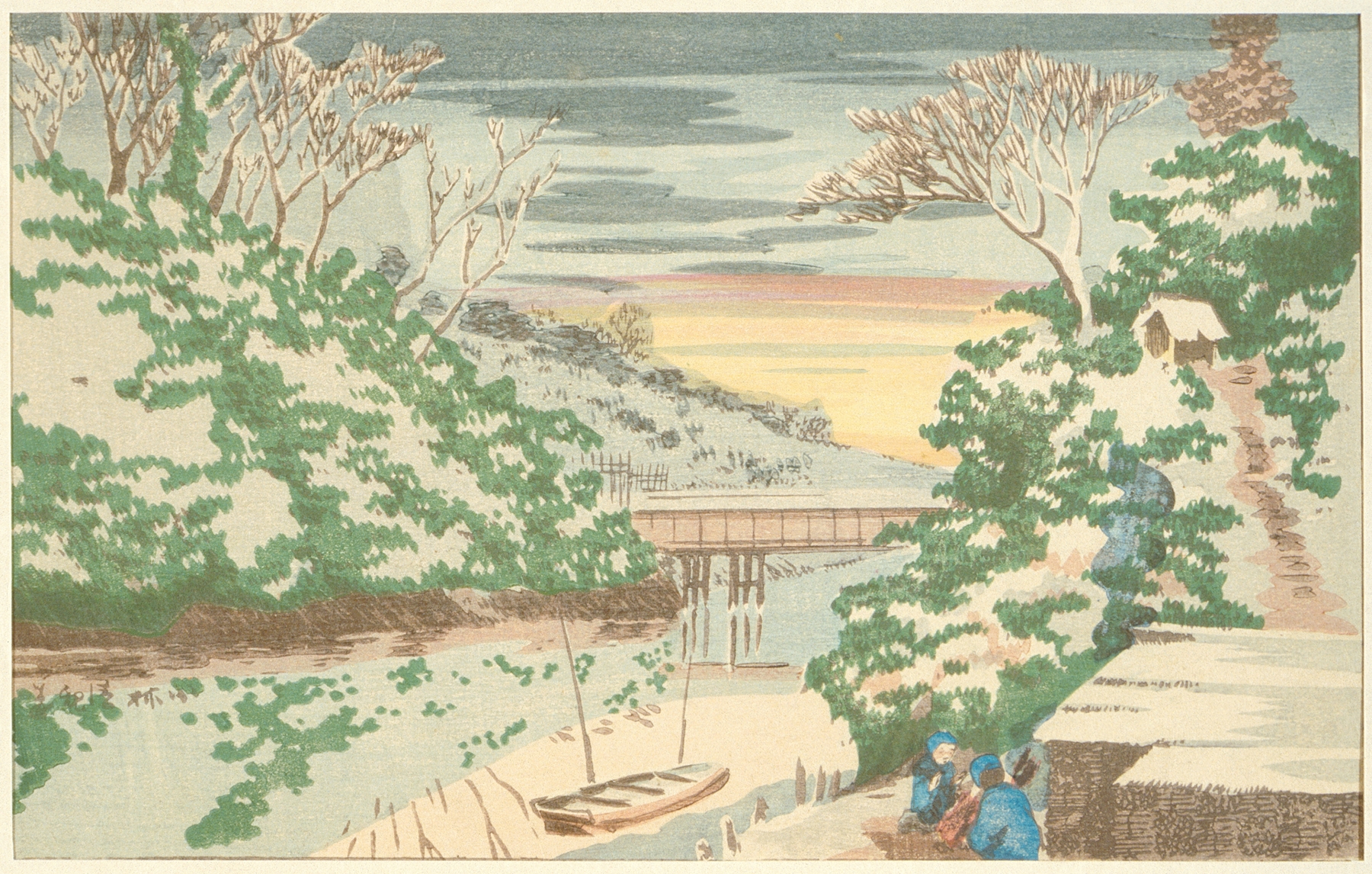
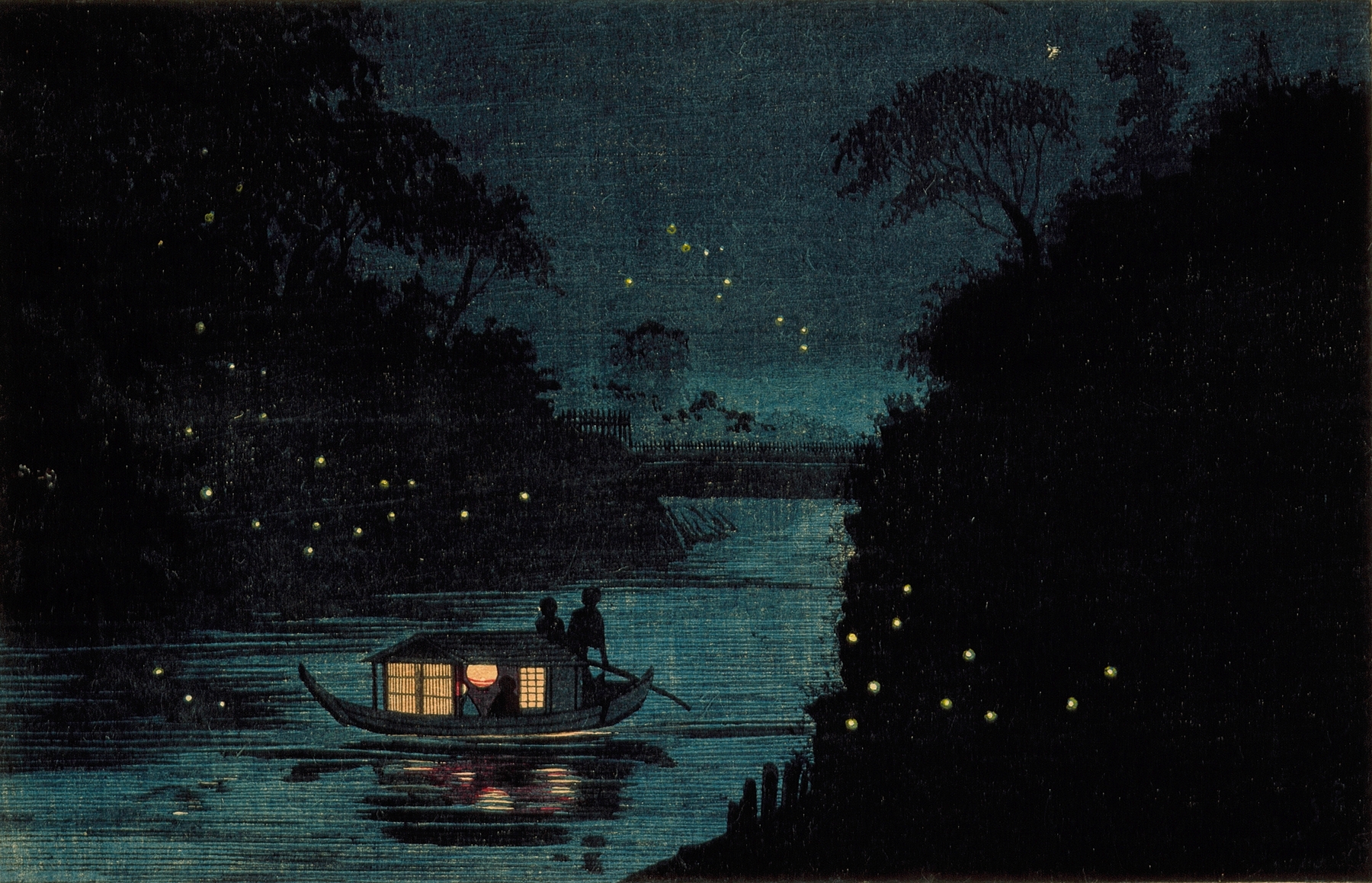
“Sometimes beauty is just pain, disguised in gold.” This sentiment echoes through the delicate layers of a winter landscape, where tranquility masks a deeper obsession with nature’s fleeting moments. Look to the bottom left corner of the composition, where the gentle brushstrokes of snow blend with the dark silhouettes of barren trees. The artist meticulously captures the whispering silence of a snow-draped scene, inviting the viewer to breathe in the crisp air. As your gaze moves upward, notice the soft gradient of the sky, transitioning from pale blue to a muted lavender, suggesting the quiet embrace of twilight.
The contrasts between the stark white of the snow and the deep hues of the trees create a tension that reflects both beauty and longing. Within this serene winter tableau lies a poignant narrative of solitude and reflection. The elegantly winding path, barely visible beneath the snow, symbolizes the journey through life, hinting at the passage of time. The starkness of the landscape brings to mind feelings of isolation, as the vast expanse of white draws one into introspection, leaving a lingering sense of yearning for connection.
Here, nature is not merely a backdrop but a character imprinted with the artist’s emotional landscape, his fascination with the ephemeral beauty of winter. Created between 1877 and 1882, this work emerged during a transformative period for Kobayashi Kiyochika, who was redefining the ukiyo-e tradition. Living in Japan’s Meiji era, he experienced the tension between modernity and tradition, which influenced his artistic voice. Kiyochika’s attention to atmospheric effects and his mastery of light and shadow in Snowy Landscape At Hikifune In Koume showcase his deep obsession with capturing fleeting moments in nature.