Spring Shoots II (Wakana: ge), Illustration to Chapter 35 of the Tale of Genji (Genji monogatari) — History & Analysis
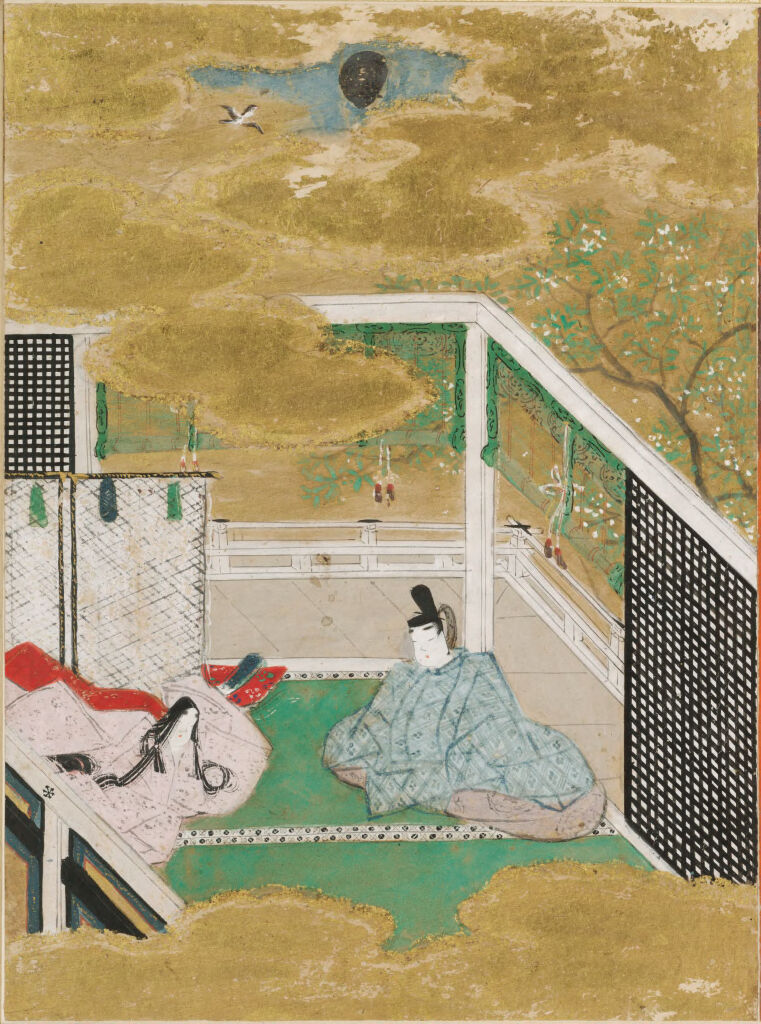
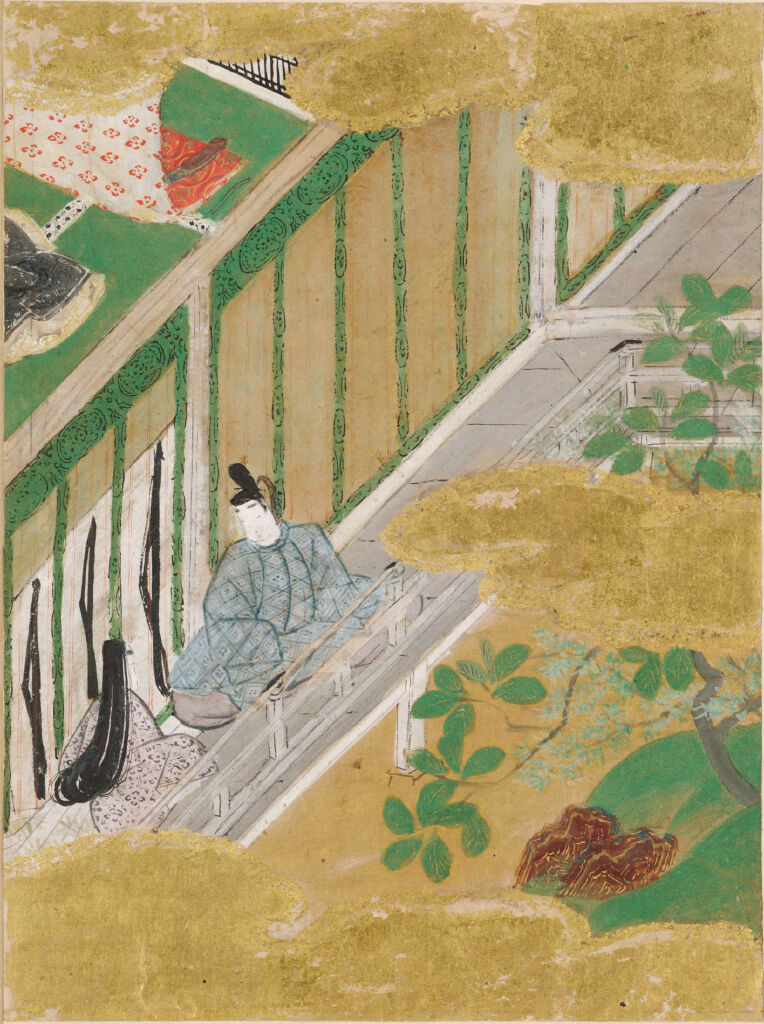
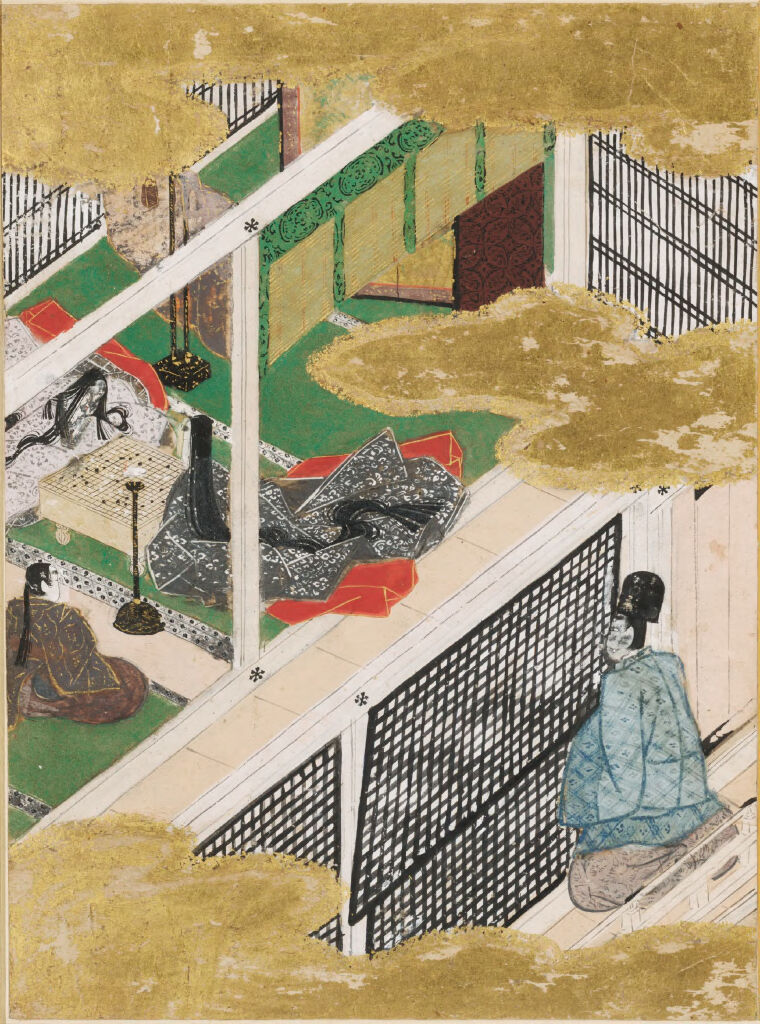
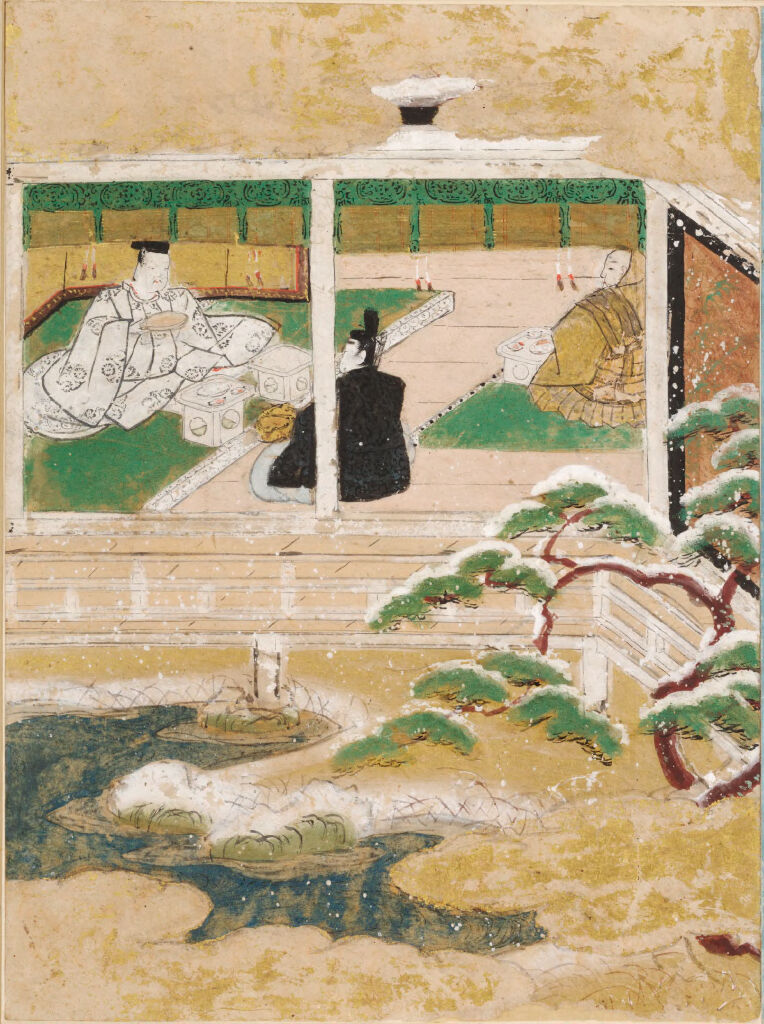
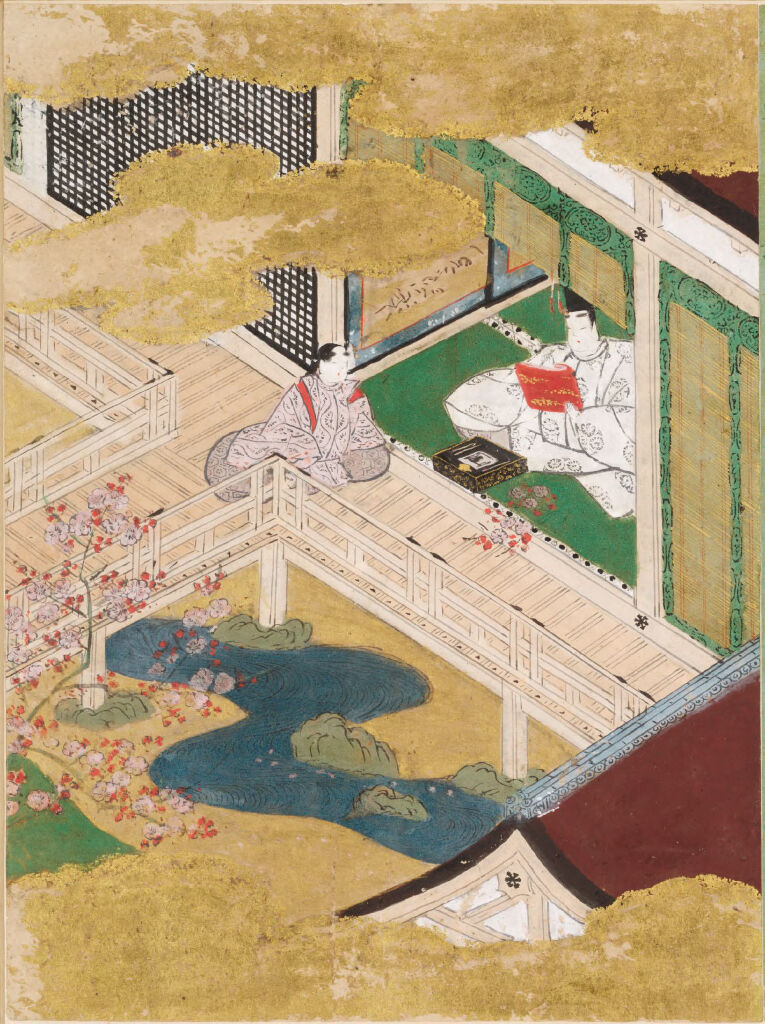
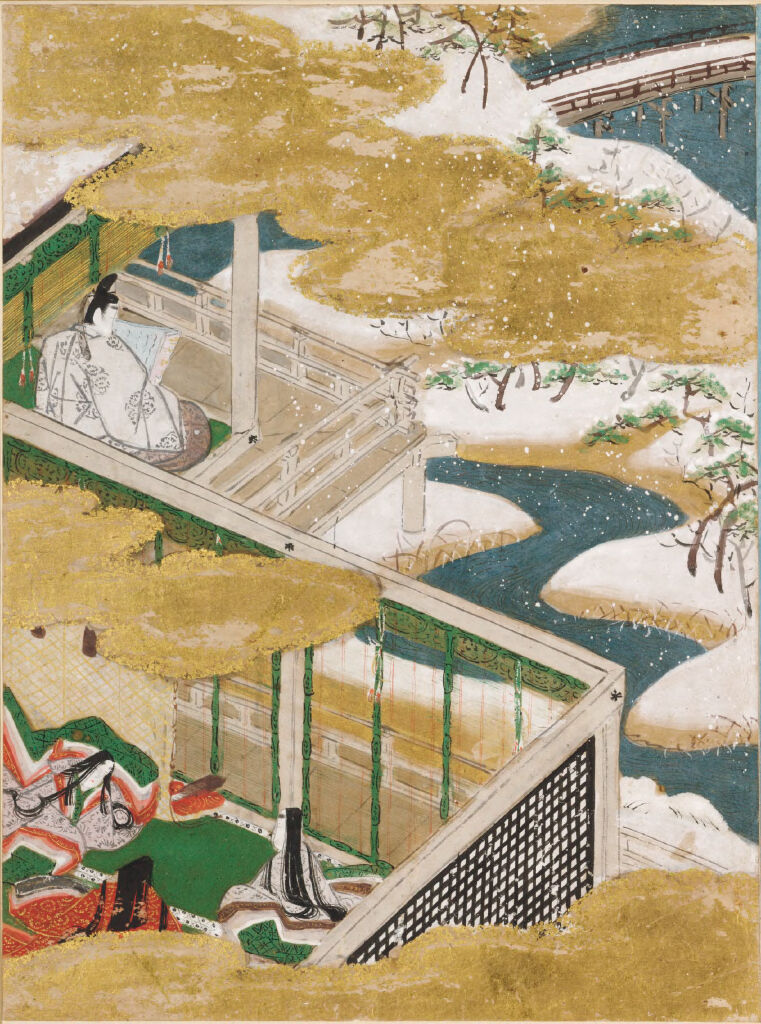
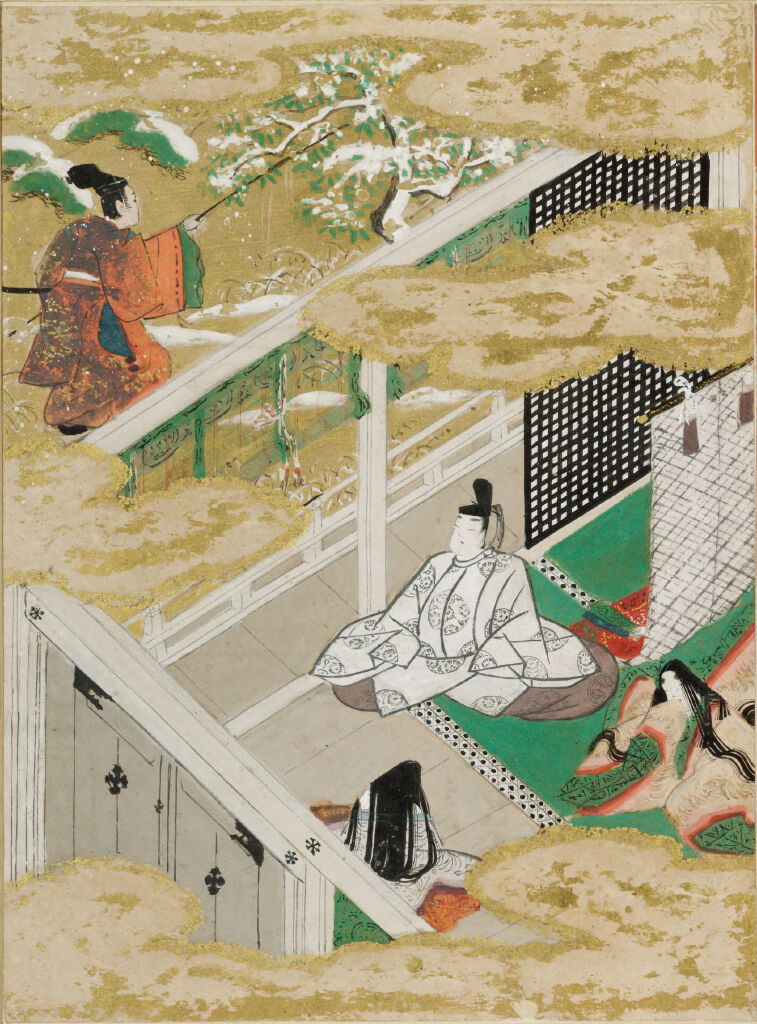
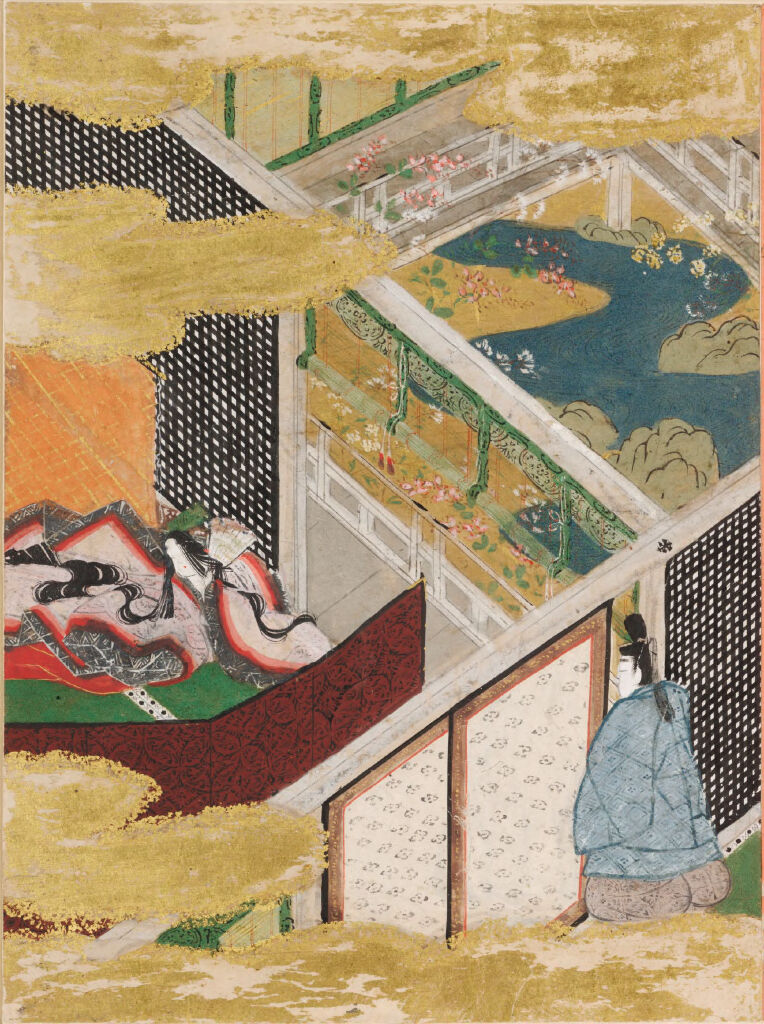
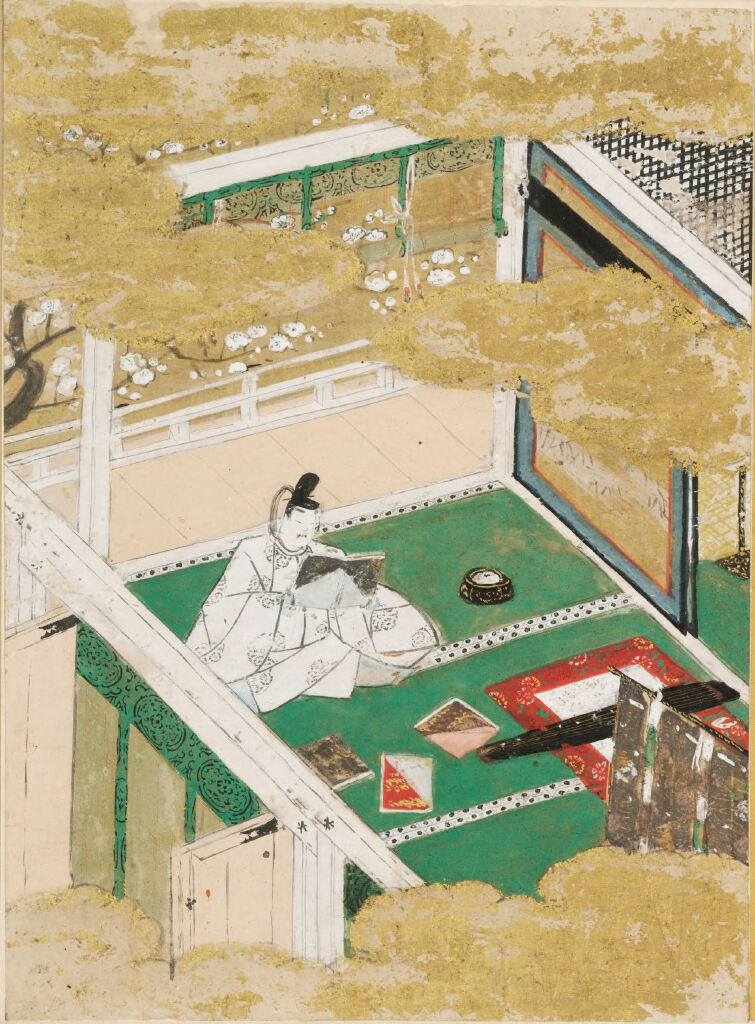
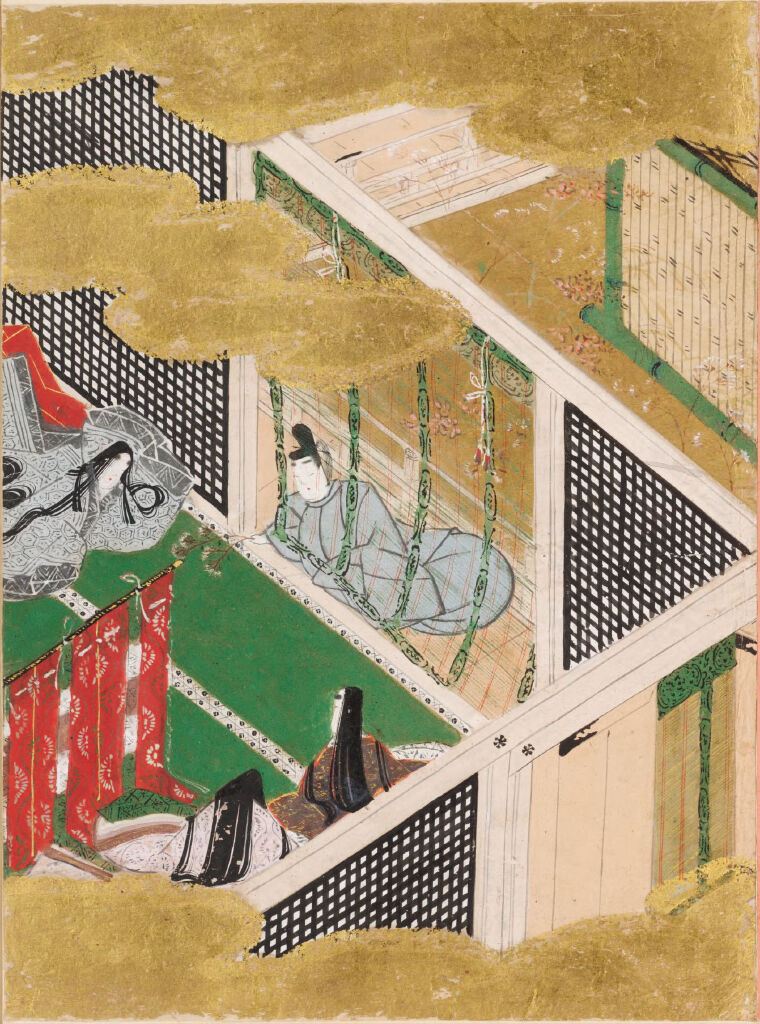
Is this a mirror — or a memory? In Spring Shoots II, glimmers of fleeting beauty intertwine with the bitter awareness of decay, challenging our perception of time and existence. Look closely at the delicate brushwork that forms the lush greenery in the foreground. The vibrant hues of the leaves contrast sharply with the muted tones of the background, drawing your eye towards the intricate details of the figures nestled within.
Notice how the artist captures the interplay of light filtering through the foliage, illuminating the serene faces and their contemplative expressions. Each stroke reflects not only the season of rebirth but also the inevitable passage of time. The composition invites contemplation on transience, as the blooming flora symbolizes beauty's ephemeral nature, while the figures, drawn with a softness that suggests both intimacy and distance, hint at personal connections forged and dissolved. The layering of patterns creates a rich tapestry, evoking the interplay between the vibrancy of life and the shadows of memory, suggesting both nostalgia and loss.
This duality echoes the themes central to the Tale of Genji, where love and time entwine like the winding vines of spring shoots. During the Muromachi period, Tosa Mitsunobu was at the forefront of Japanese painting, creating this work around 1509-1510 in a time when art was heavily influenced by literature and the ideals of the past. The Tale of Genji, revered for its exploration of human emotion and the impermanence of beauty, served as a profound inspiration. Mitsunobu’s artistic choices reflect a society grappling with the tension between tradition and the evolving nuances of life, as he sought to capture the essence of fleeting moments through his meticulous brushwork.