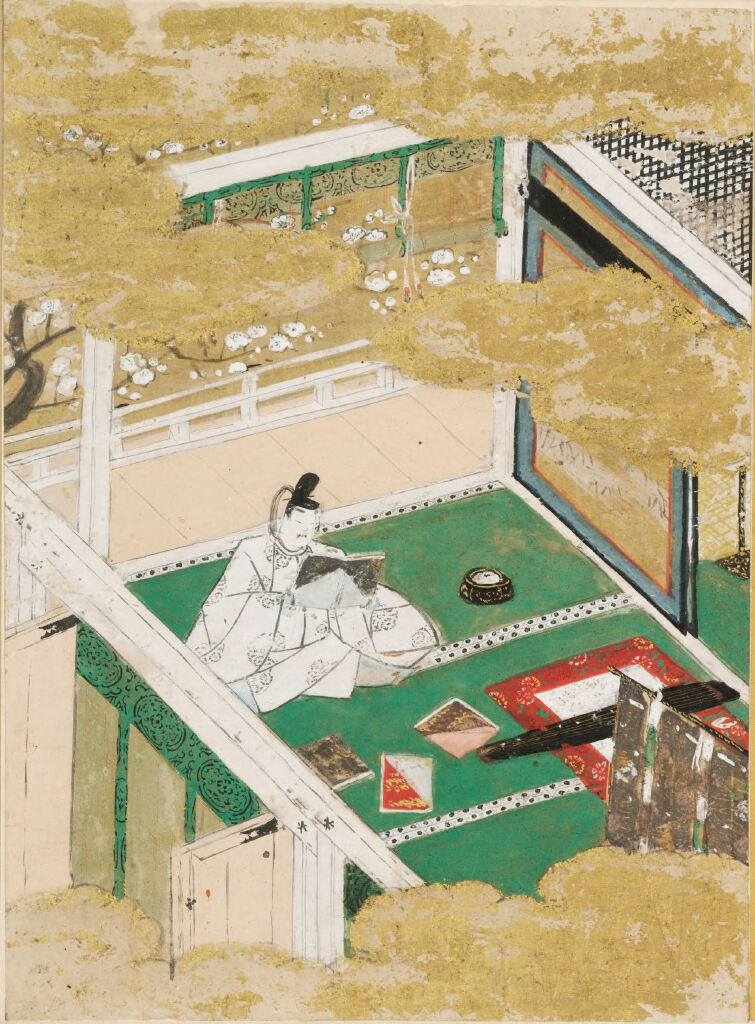
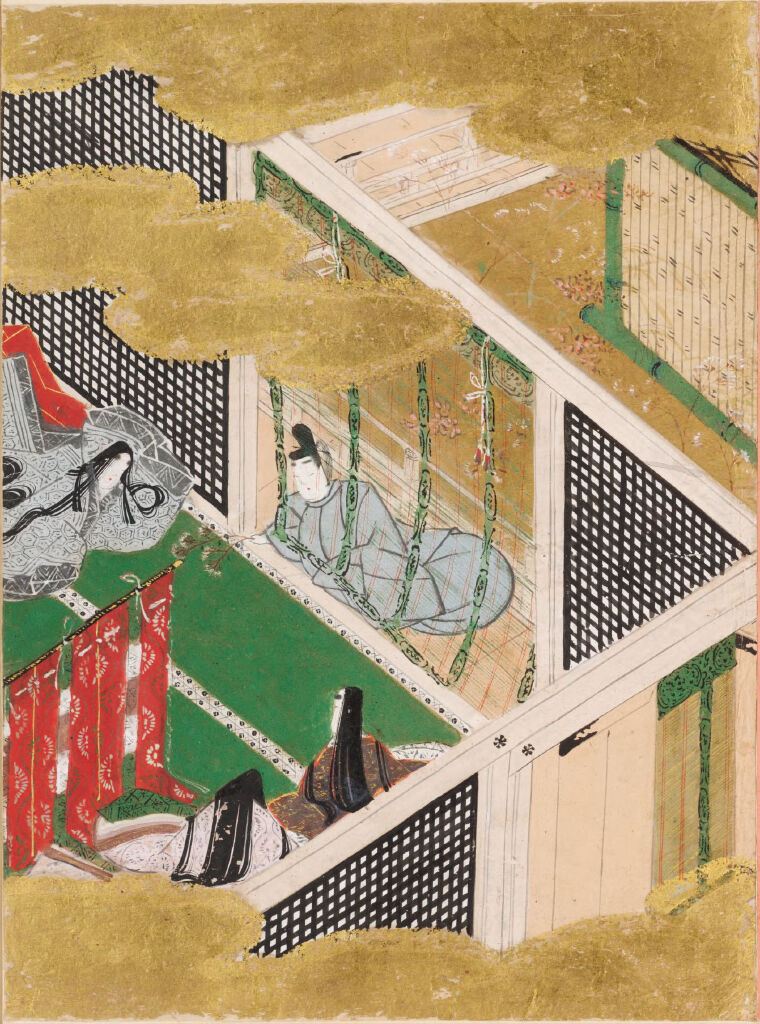
The Bell Cricket (Suzumushi), Illustration to Chapter 38 of the Tale of Genji (Genji monogatari) — History & Analysis
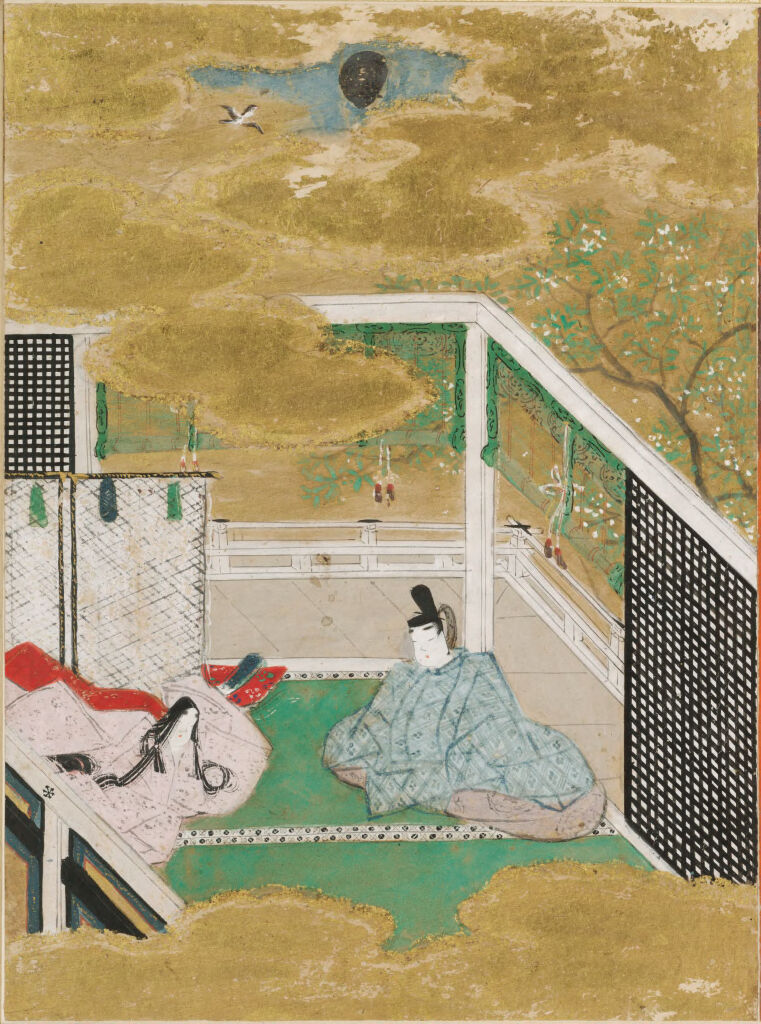
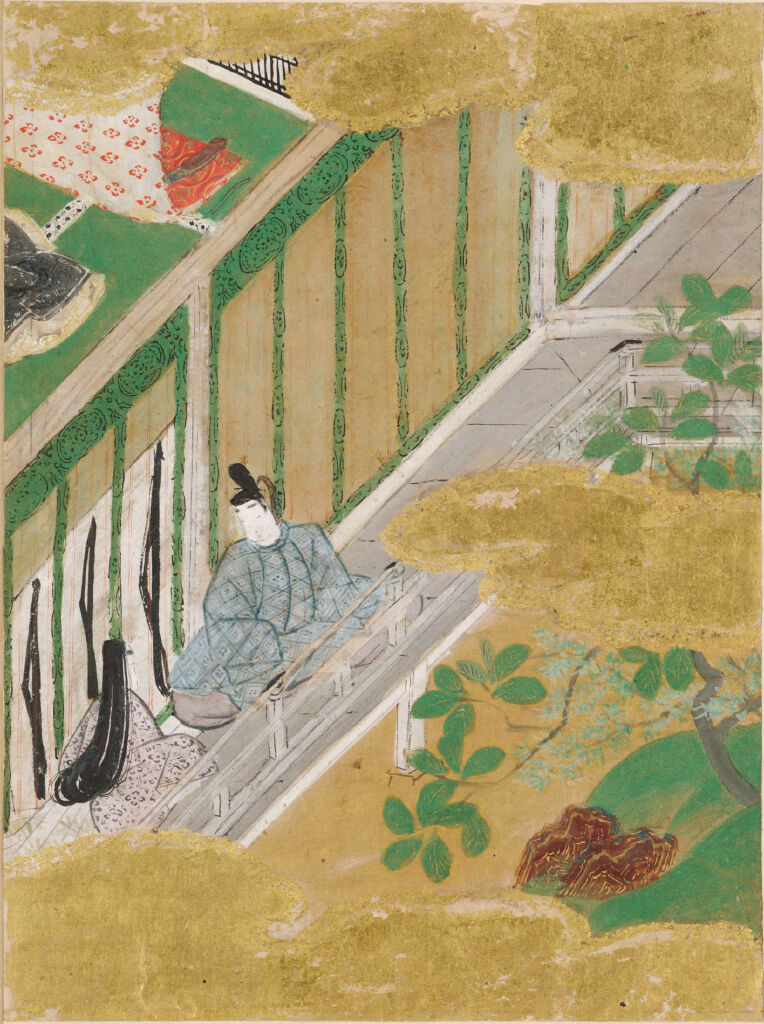
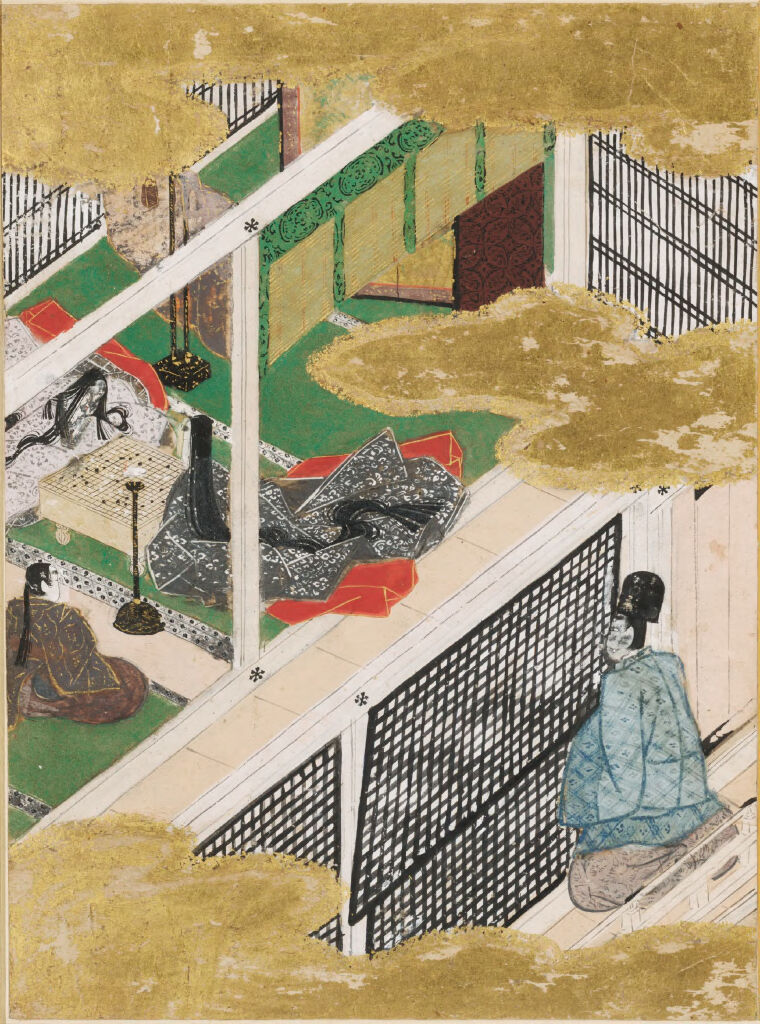
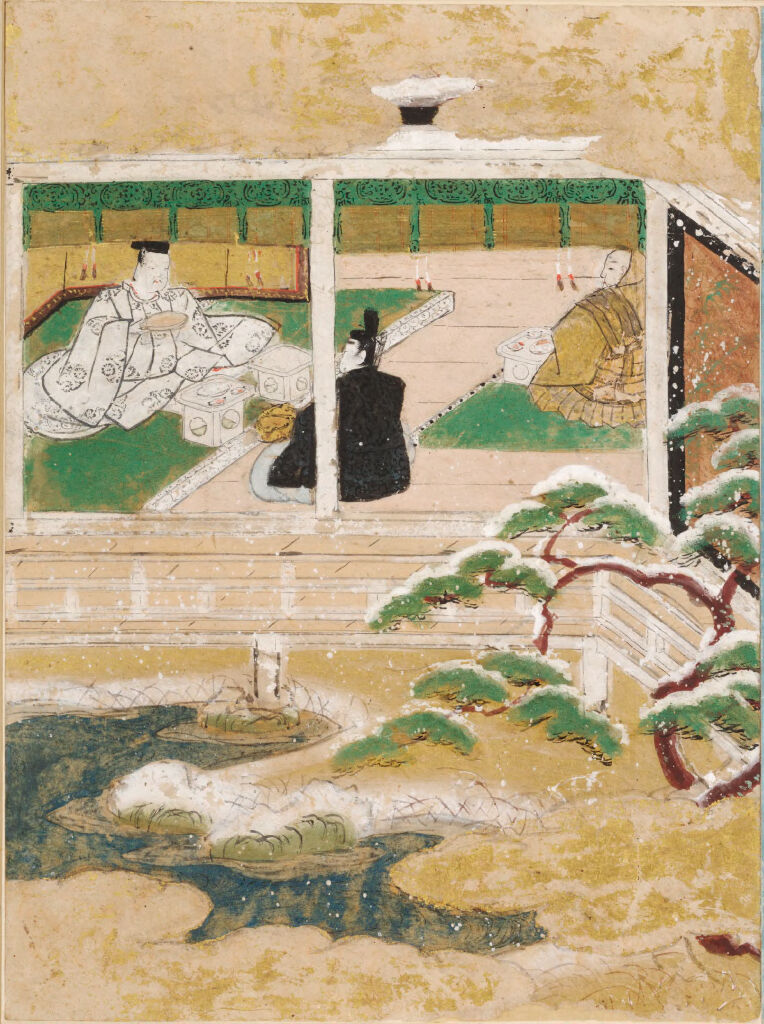
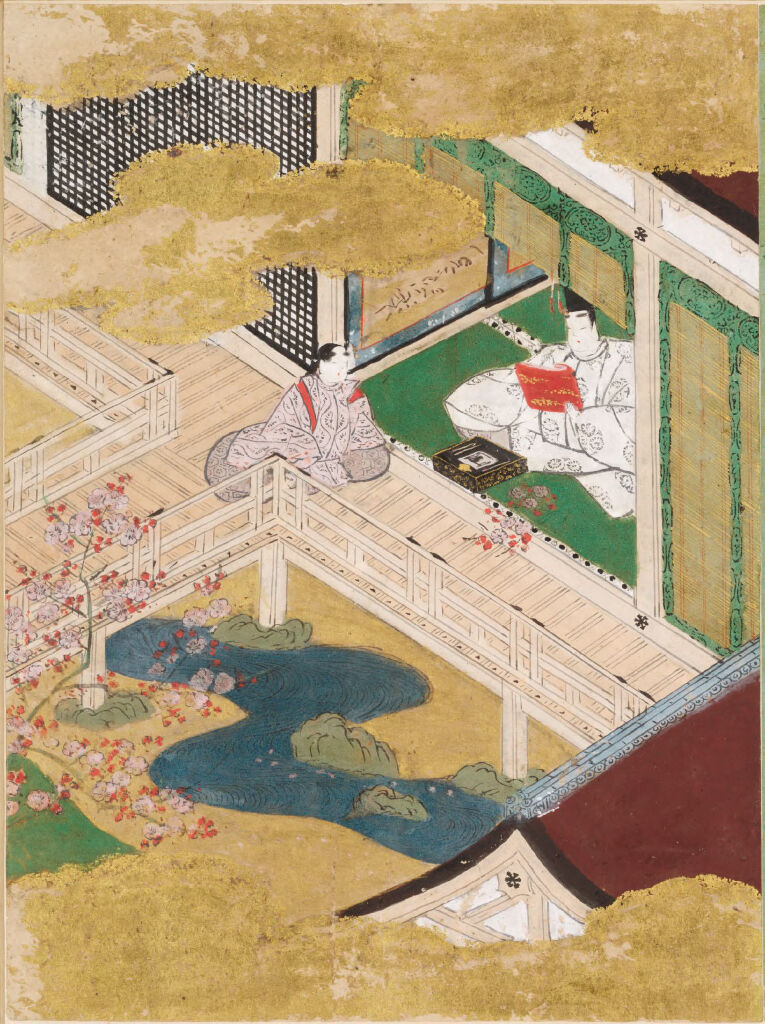
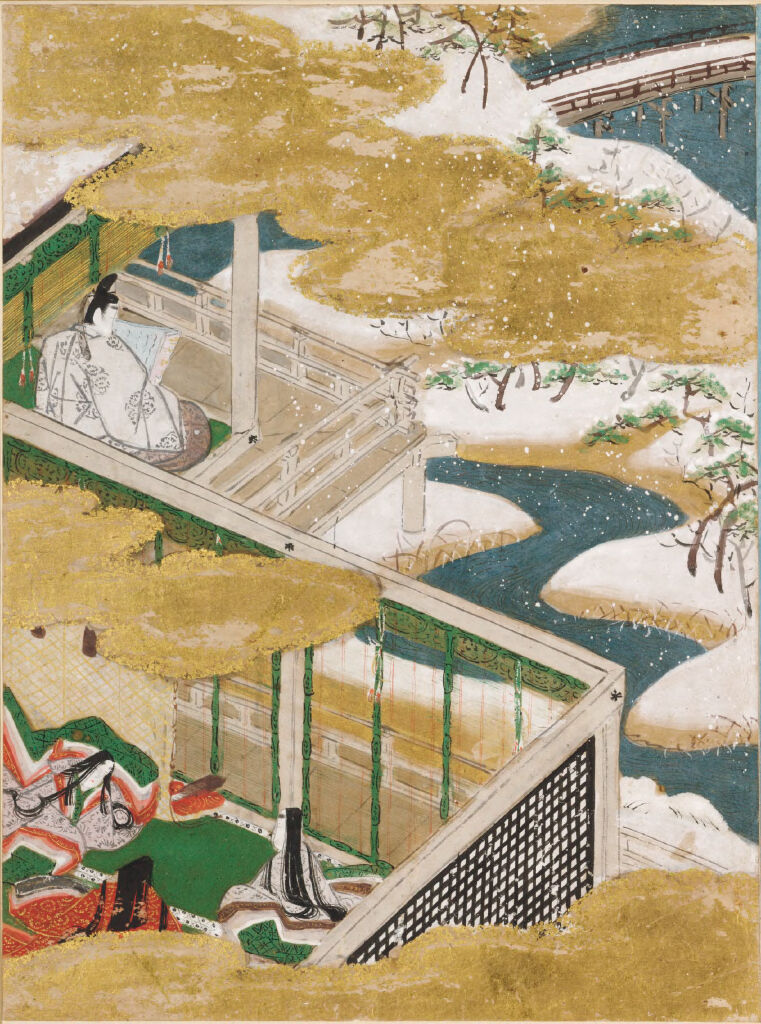
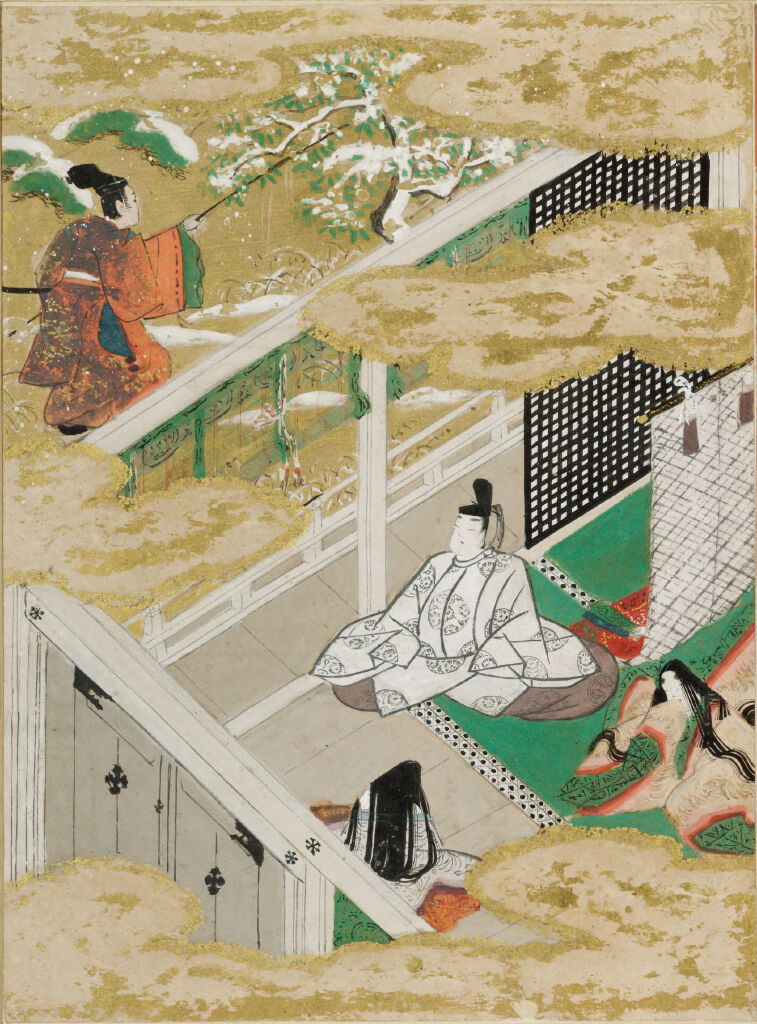
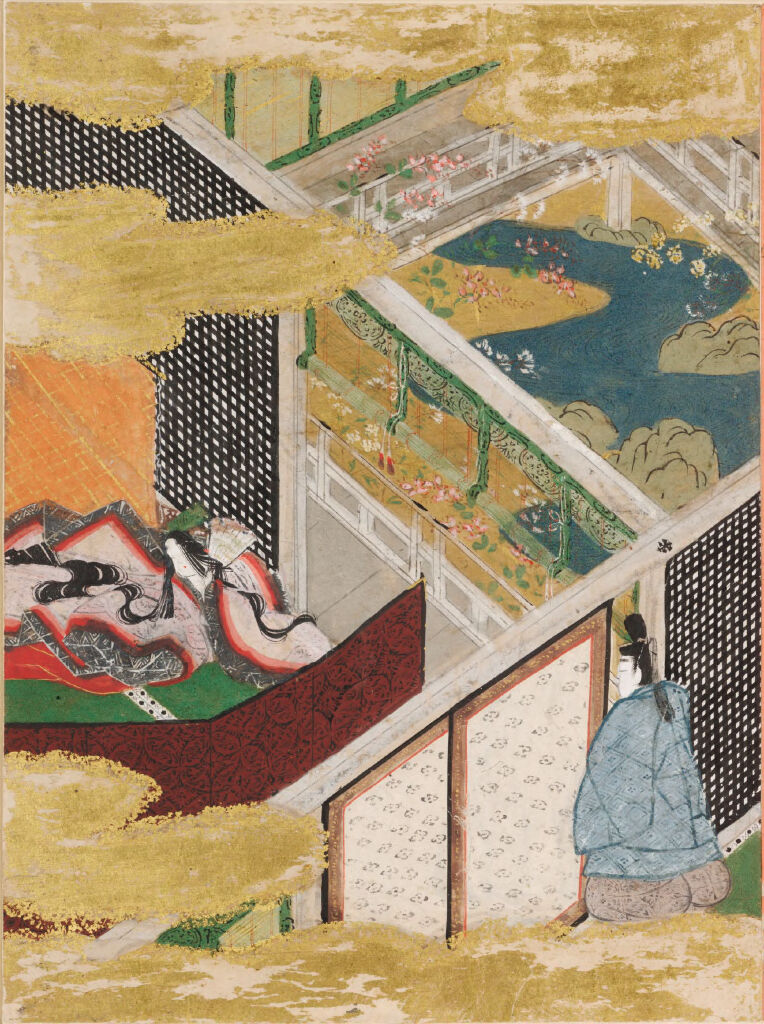
“Every silence here is a confession.” In this moment, where nature’s beauty intertwines with quiet contemplation, the divine whispers of existence emerge. The delicate flutter of a bell cricket evokes a sense of tranquility that transcends the ordinary, inviting the viewer to meditate on the ephemeral nature of life and the sacred within it. Focus on the exquisite details of the illustrated scene. Look to the left, where the bell cricket is poised in a soft embrace of luminous hues, its body rendered in fragile shades of gold and green. Notice how the artist’s brush strokes mimic the gentle rustle of leaves, creating a rhythmic harmony that resonates throughout the composition.
The ethereal quality of the colors—subtle pastels and rich tones—blends seamlessly, capturing both the vibrancy of life and the stillness of a moment suspended in time. Within this artwork lies a profound exploration of divinity. The juxtaposition of the delicate cricket with lush flora suggests a connection between the earthly and the celestial, an embodiment of nature’s quiet sanctity. Each element speaks to the transient nature of beauty, where the fragility of life becomes a reflection of divine grace.
The serene expressions of the figures nestled within the scene further amplify this theme, suggesting that in silence, there exists a deeper understanding of oneself and the world. Tosa Mitsunobu created this poignant illustration during the Muromachi period, around 1509-1510. During this time, Japan was experiencing a rich cultural renaissance, with a growing appreciation for literature and the arts. The artist, known for his intricate depictions of traditional narratives, was influenced by the evolving aesthetics of the time, which sought to capture both the beauty of nature and the spiritual undercurrents that flow through life.