The Benten Shrine At Ikenohata — History & Analysis
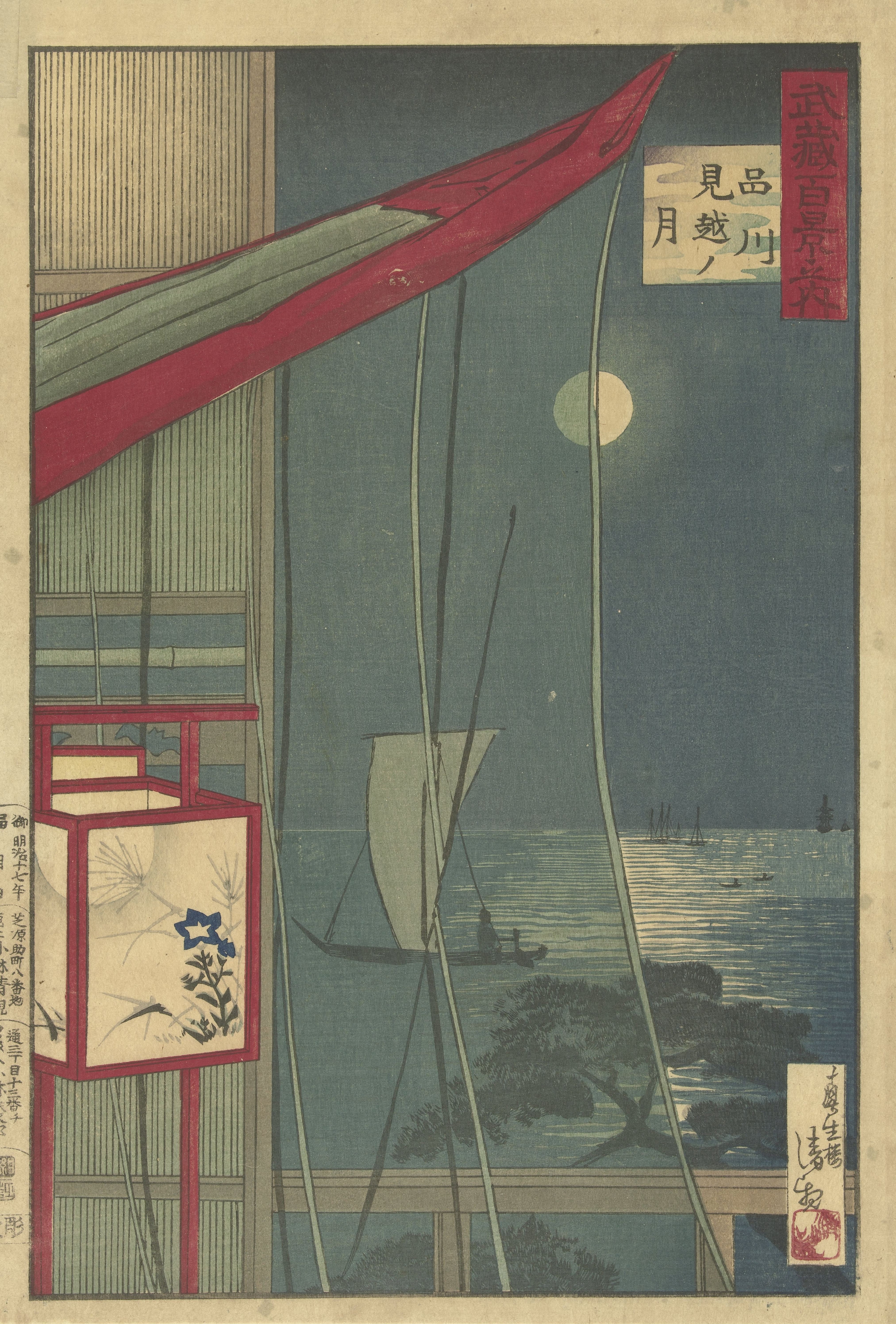
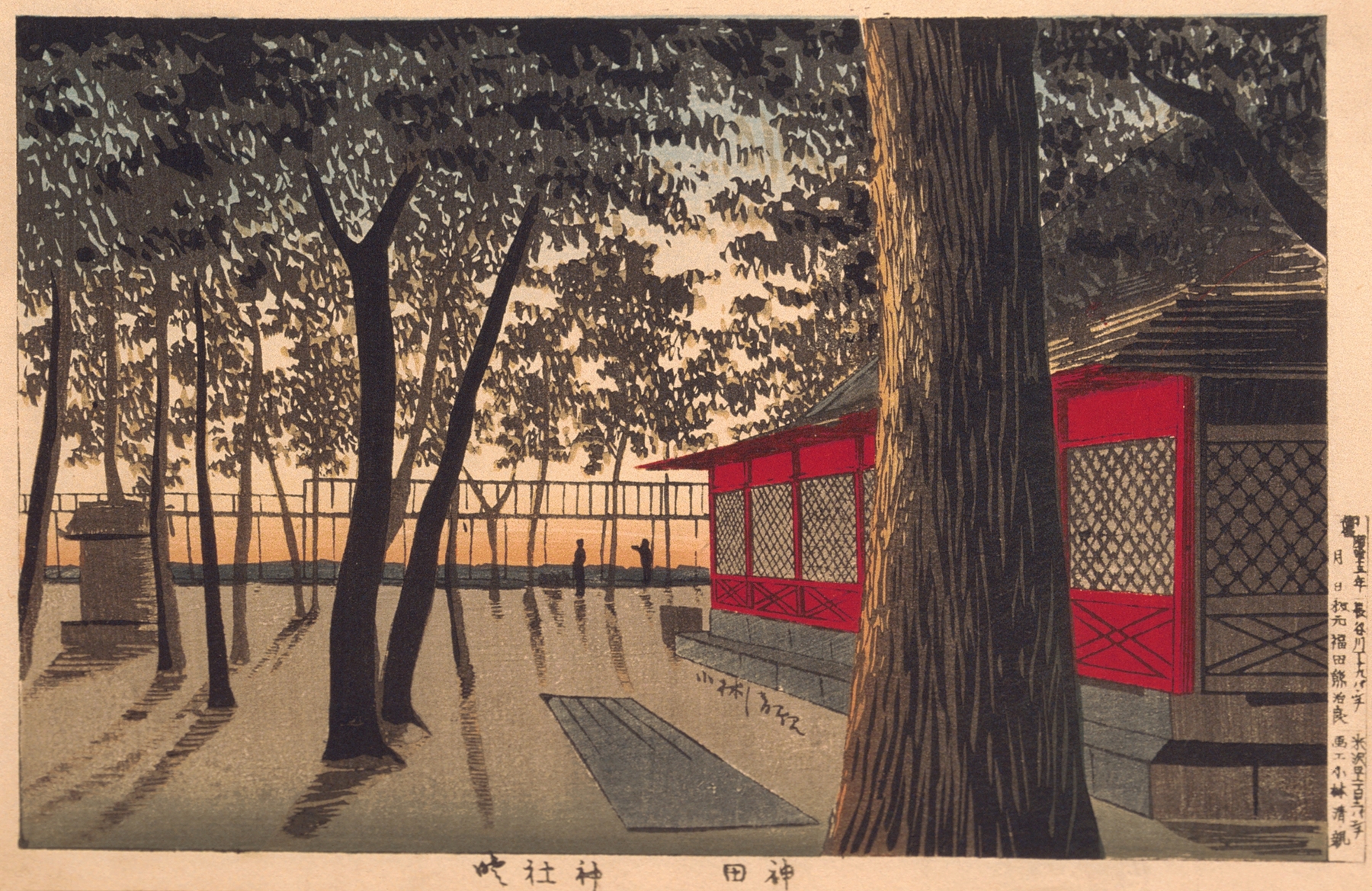
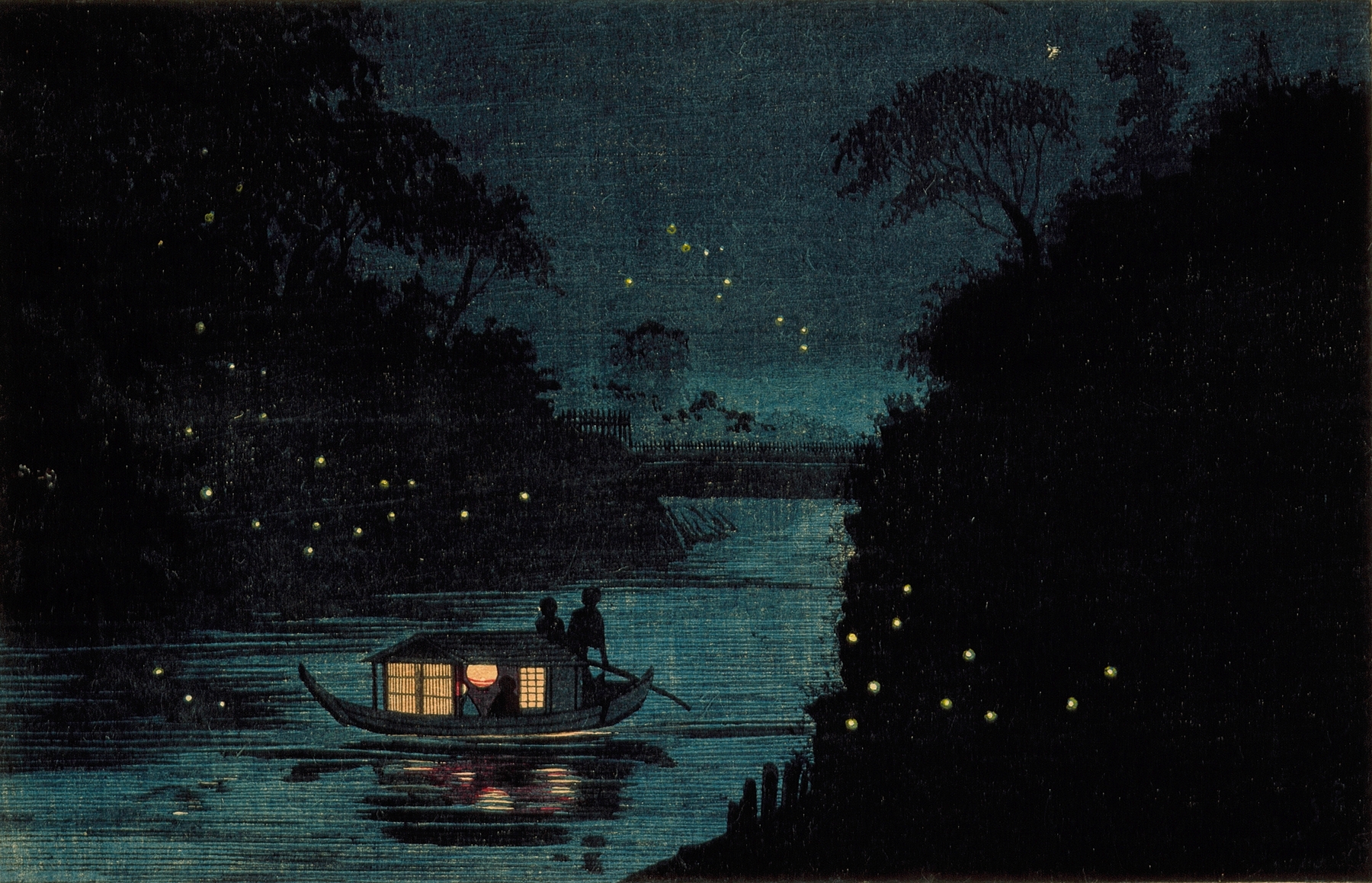
“The canvas doesn’t lie — it simply waits.” In the delicate interplay of shadow and light, a world suspended in time comes alive, revealing the secrets hidden beneath its surface. Look to the center where the Benten Shrine rises with an ethereal grace, its intricately painted eaves casting elegant shadows on the ground below. The vibrant color palette of deep indigo and gentle pastels creates a haunting beauty, while soft brushstrokes evoke a sense of tranquility. Notice how the surrounding trees envelop the shrine, their dark forms creating a protective embrace that contrasts sharply with the radiant clarity of the structure itself.
Deep beneath the surface, one can sense the tension between the transient nature of life and the permanence of faith. The shadows suggest stories untold, hinting at the countless visitors who have paused in reverence at this serene site. The warm glow illuminating the shrine stands in stark contrast to the encroaching night, embodying a quiet struggle between hope and despair, light and darkness. Each element invites contemplation, revealing layers of meaning that resonate with the viewer long after they depart.
Kobayashi Kiyochika painted this work between 1877 and 1882, during his time in Japan’s rapidly modernizing landscape. At this juncture, traditional subjects collided with the influences of Western art, while the artist sought to elevate the beauty of everyday scenes. The Benten Shrine At Ikenohata reflects not only a personal exploration of light and shadow but also the cultural transition of a nation at the edge of modernity.