The Coming Storm — History & Analysis
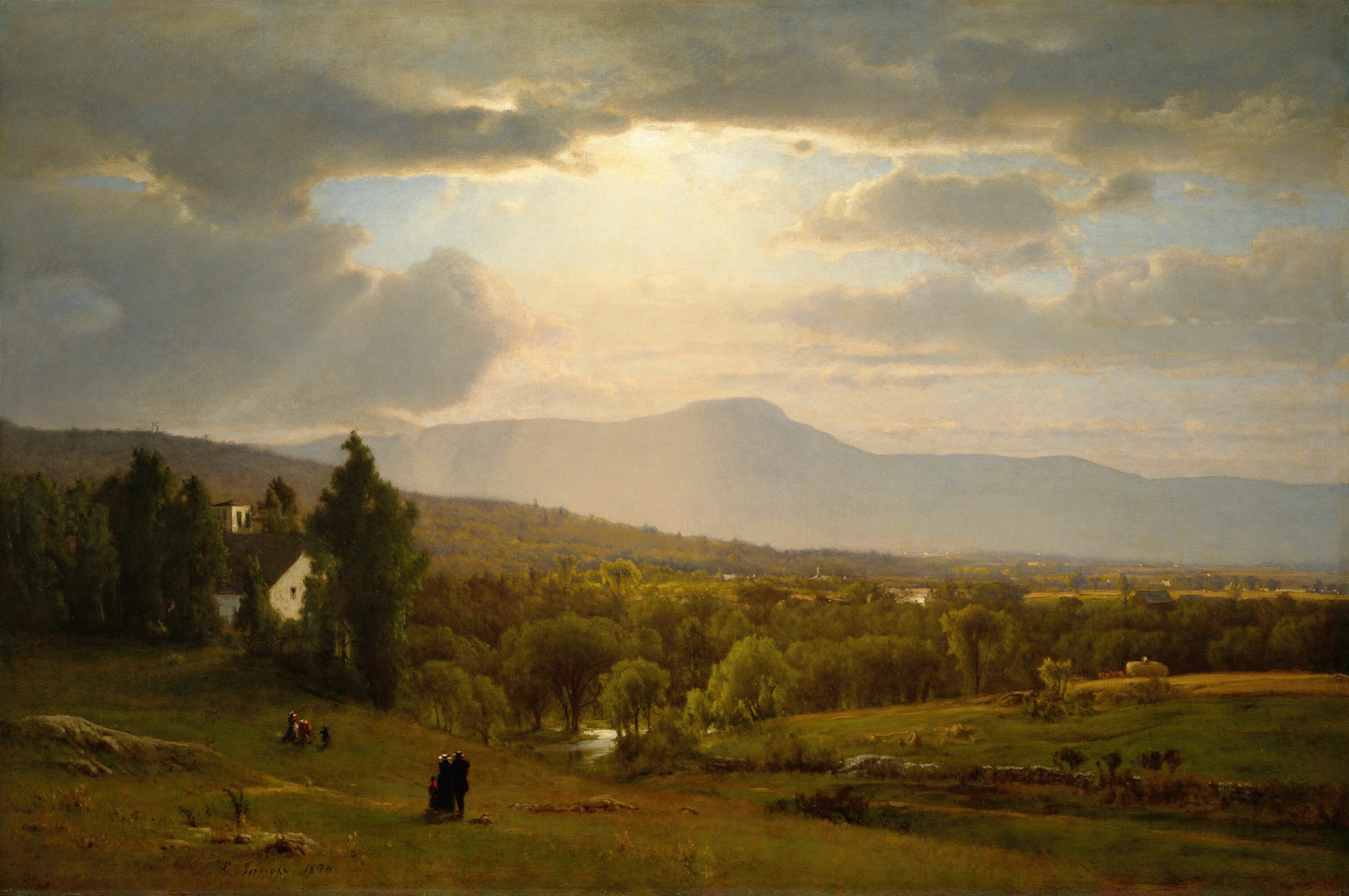
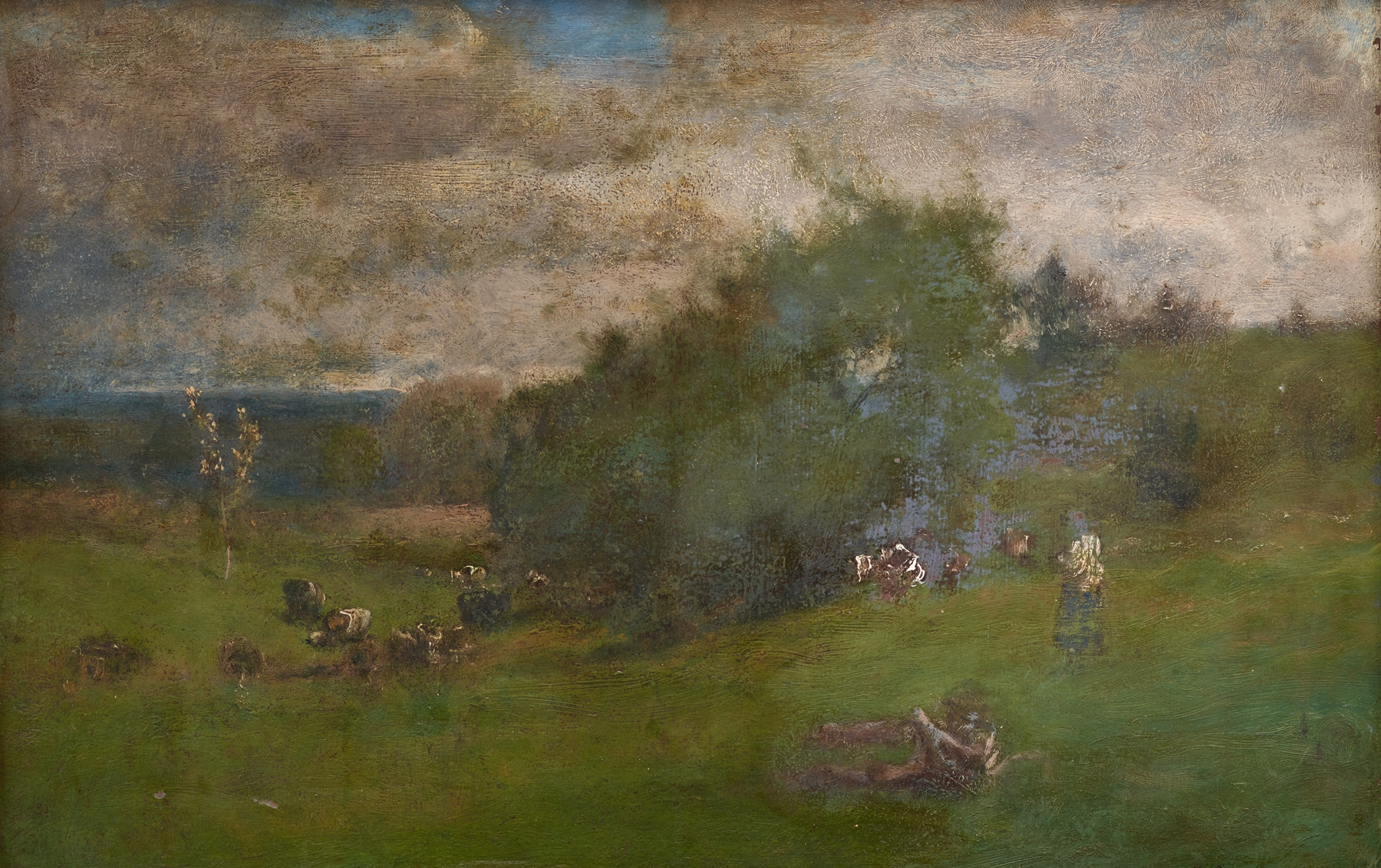
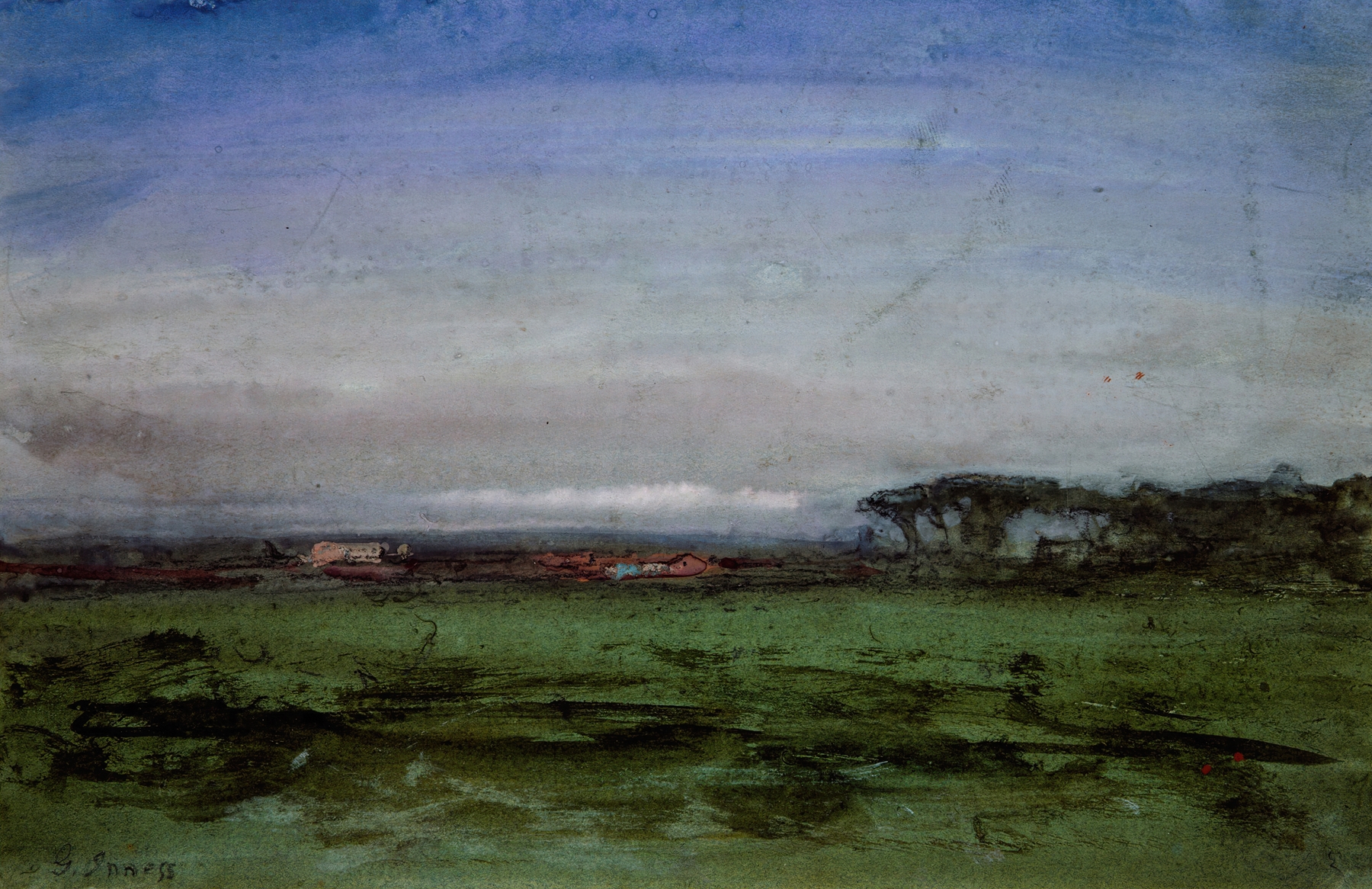
When did color learn to lie? In The Coming Storm, the tumultuous hues swirling across the canvas evoke a deep tension between beauty and chaos, inviting viewers to explore the thin line between serenity and madness. Focus first on the darkening sky that dominates the upper portion of the painting. The swirling grays and blues blend seamlessly, creating a foreboding atmosphere that resonates with impending change.
Below, a vibrant patchwork of greens and browns nestles against this tumult, anchored by a few trees reaching skyward. Notice how the brushwork varies; the smooth, flowing strokes of the clouds contrast starkly with the sharper, more frantic lines of the foliage, heightening the emotional turbulence of the scene. Upon closer inspection, small details emerge—silhouetted birds take flight in the distance, perhaps fleeing from what lies ahead, while a lone figure stands below, seemingly oblivious to the storm brewing overhead. This juxtaposition of tranquility and anxiety raises questions about our perception of nature's grandeur and its potential for destruction.
The painting encapsulates the fragility of peace as it teeters on the brink of chaos, reminding us of the madness that can lurk in such beauty. In 1878, George Inness painted this work during a period of personal and artistic tumult. Living in New Jersey, he was transitioning towards a more expressive style, influenced by both Romanticism and the emerging Impressionist movement. As he grappled with his own spiritual and artistic dilemmas, the weathered landscapes he captured reflected the complexity of his inner world, demonstrating how the external could mirror the emotional storms within.