The Junction of the Severn and the Wye with Chepstow in the Distance — History & Analysis
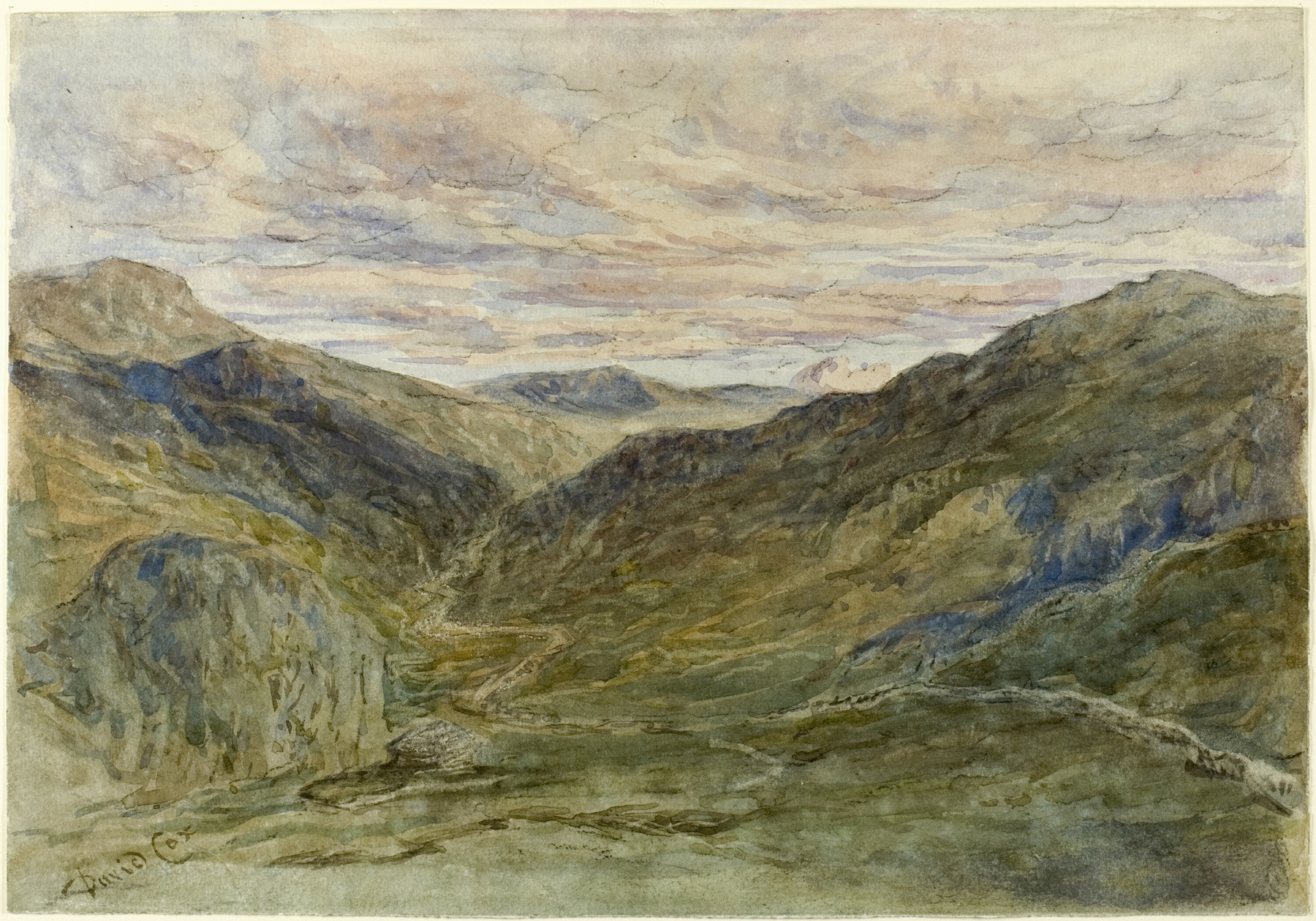
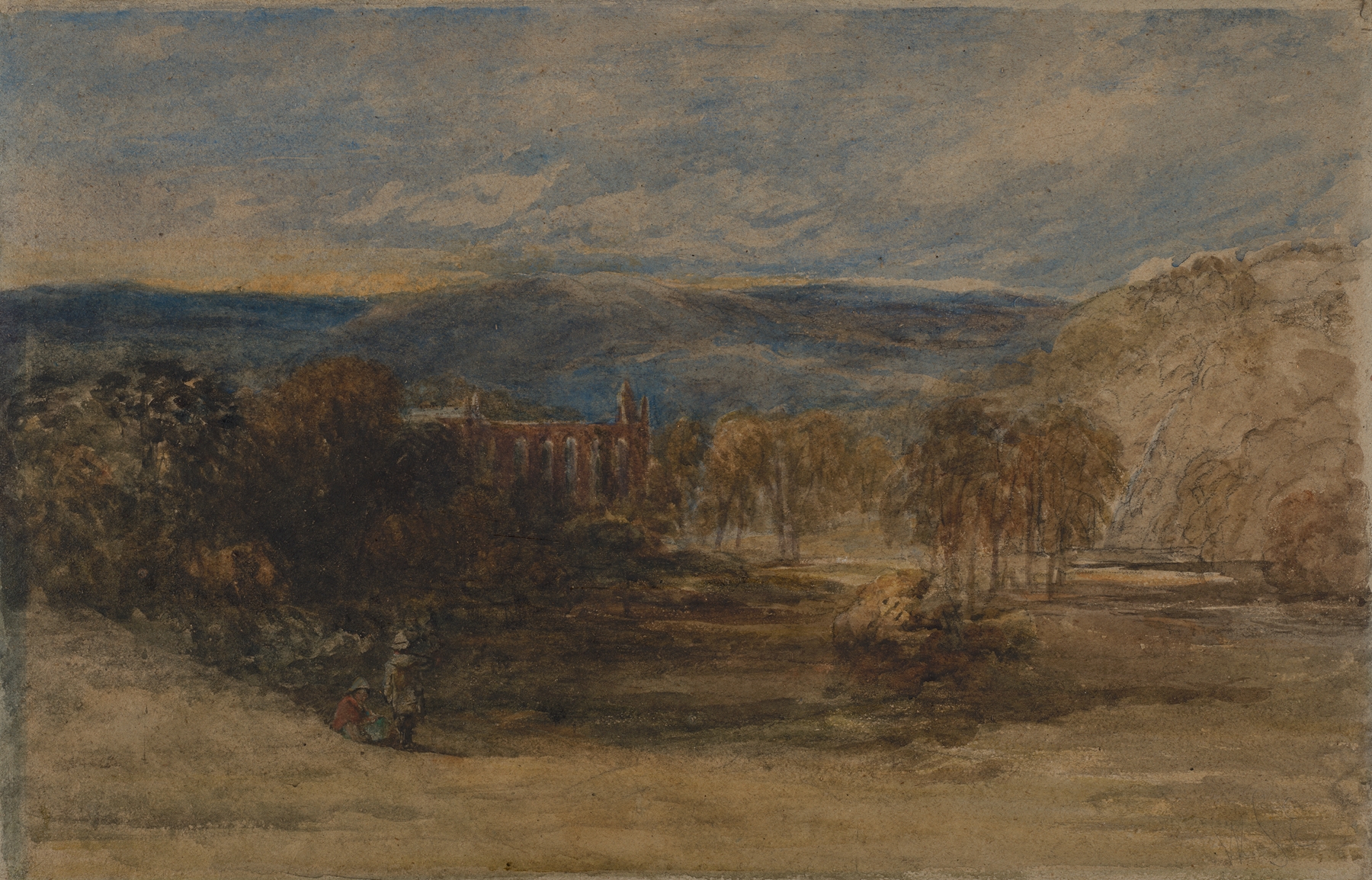
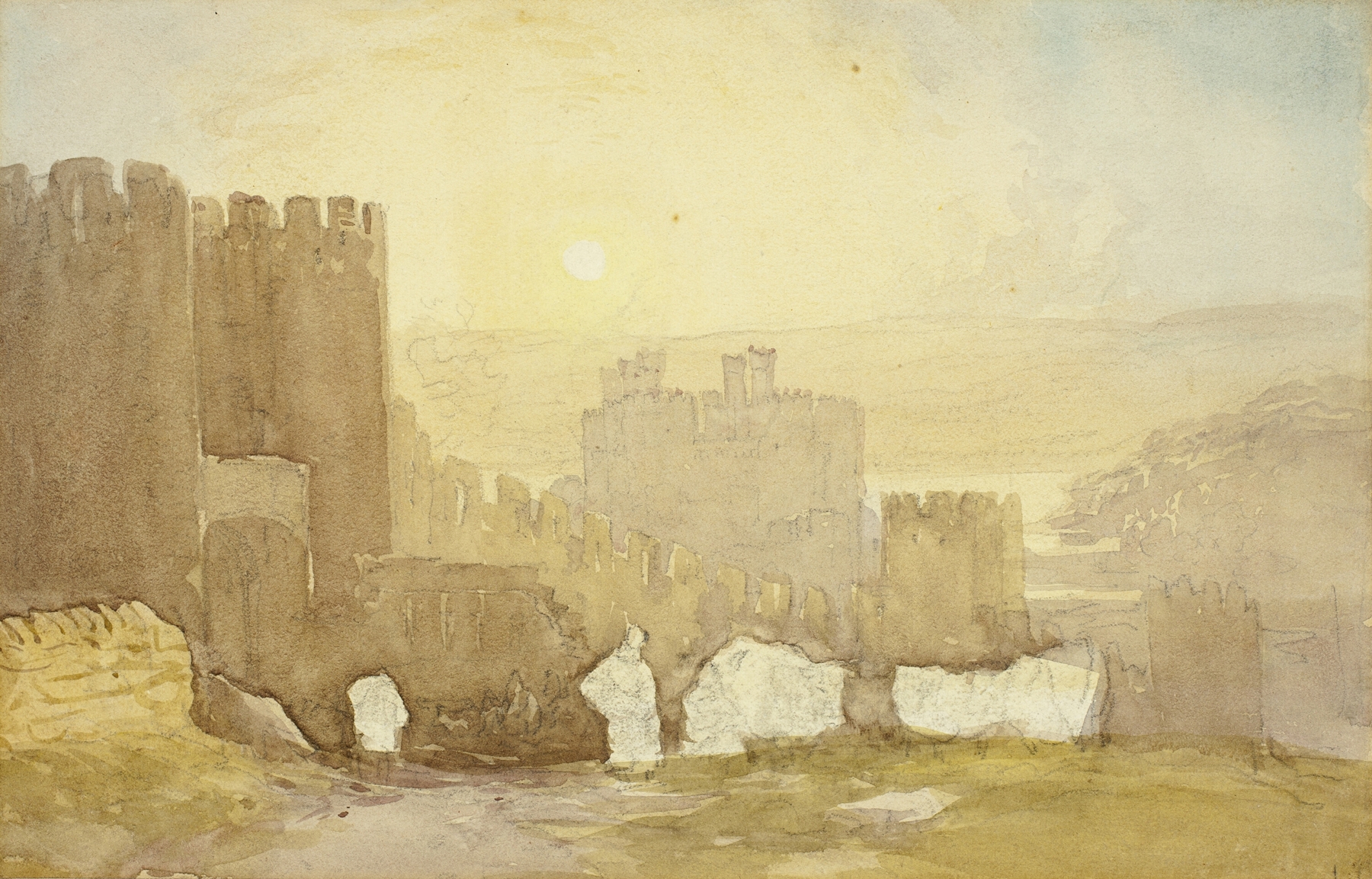
What secret hides in the quiet of the canvas? In a world often fraught with noise and chaos, this serene representation invites contemplation, echoing the ecstasy found in nature's tranquility. Look to the horizon where soft, rolling hills cradle the convergence of two rivers. The muted blues and greens dance harmoniously, creating an ethereal depth that lures the viewer's gaze. Notice how the light caresses the landscape, casting gentle shadows that animate the scene with an otherworldly quality.
The delicate brushwork captures the fleeting quality of a moment, transforming the ordinary into the sublime. Yet, beneath this calm exterior lies an undercurrent of tension. The juxtaposition of the serene water against the distant architecture of Chepstow hints at the intersection of nature and human endeavor—where tranquility faces the complexities brought by civilization. The winding paths of the rivers suggest journeys of the soul, whispering stories of both exploration and yearning.
This composition transcends mere representation, embodying a sense of ecstasy found in the harmonious balance between the natural world and human existence. David Cox painted this work in 1830 while residing in England, amidst a burgeoning landscape of Romanticism that celebrated the beauty of nature. Emerging from a period of personal introspection, he was captivated by the sublime qualities of the scenery around him. This painting reflects his commitment to capturing not just the physical world, but the emotional resonances that unfold within it.