The Thames at Battersea — History & Analysis
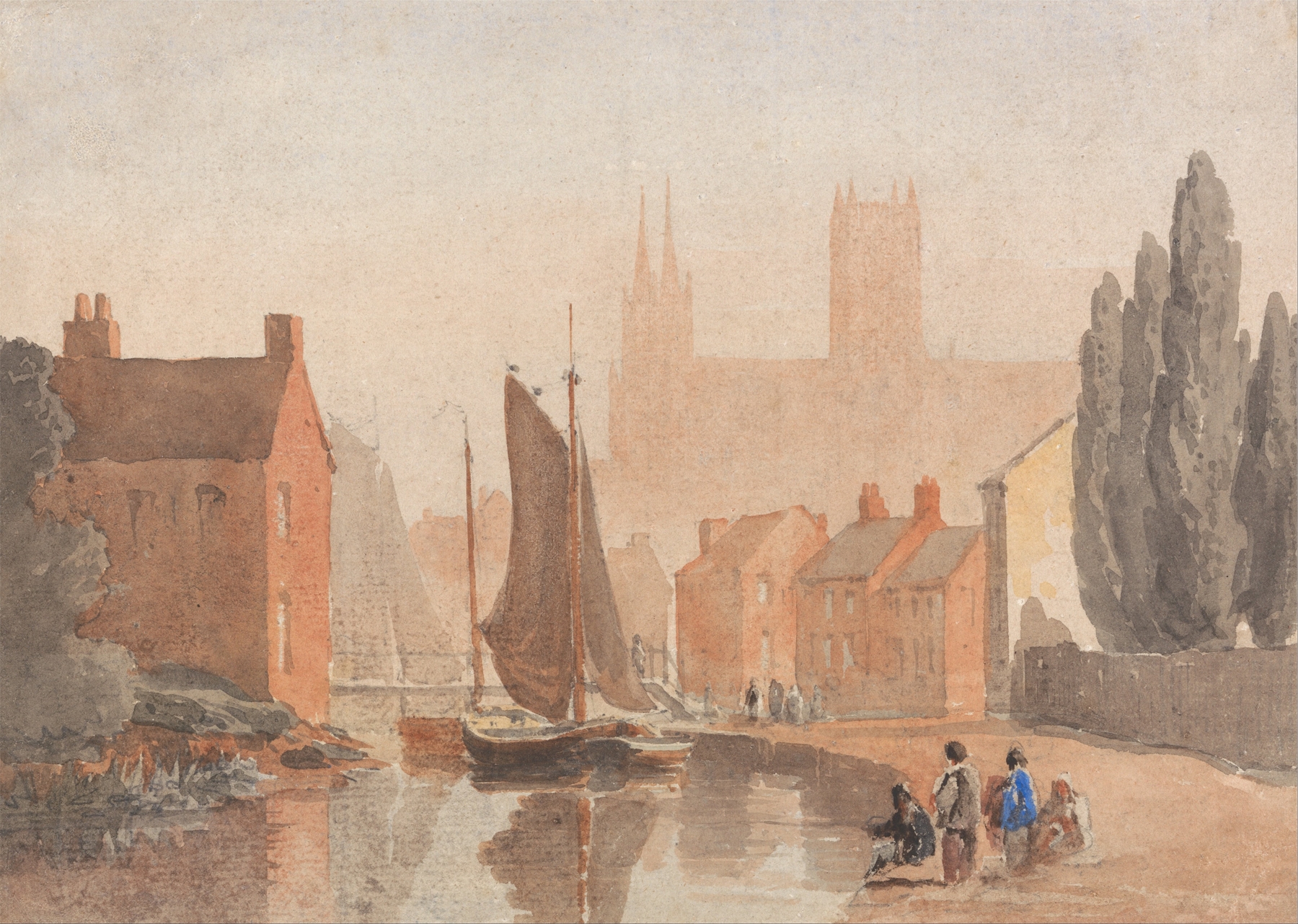
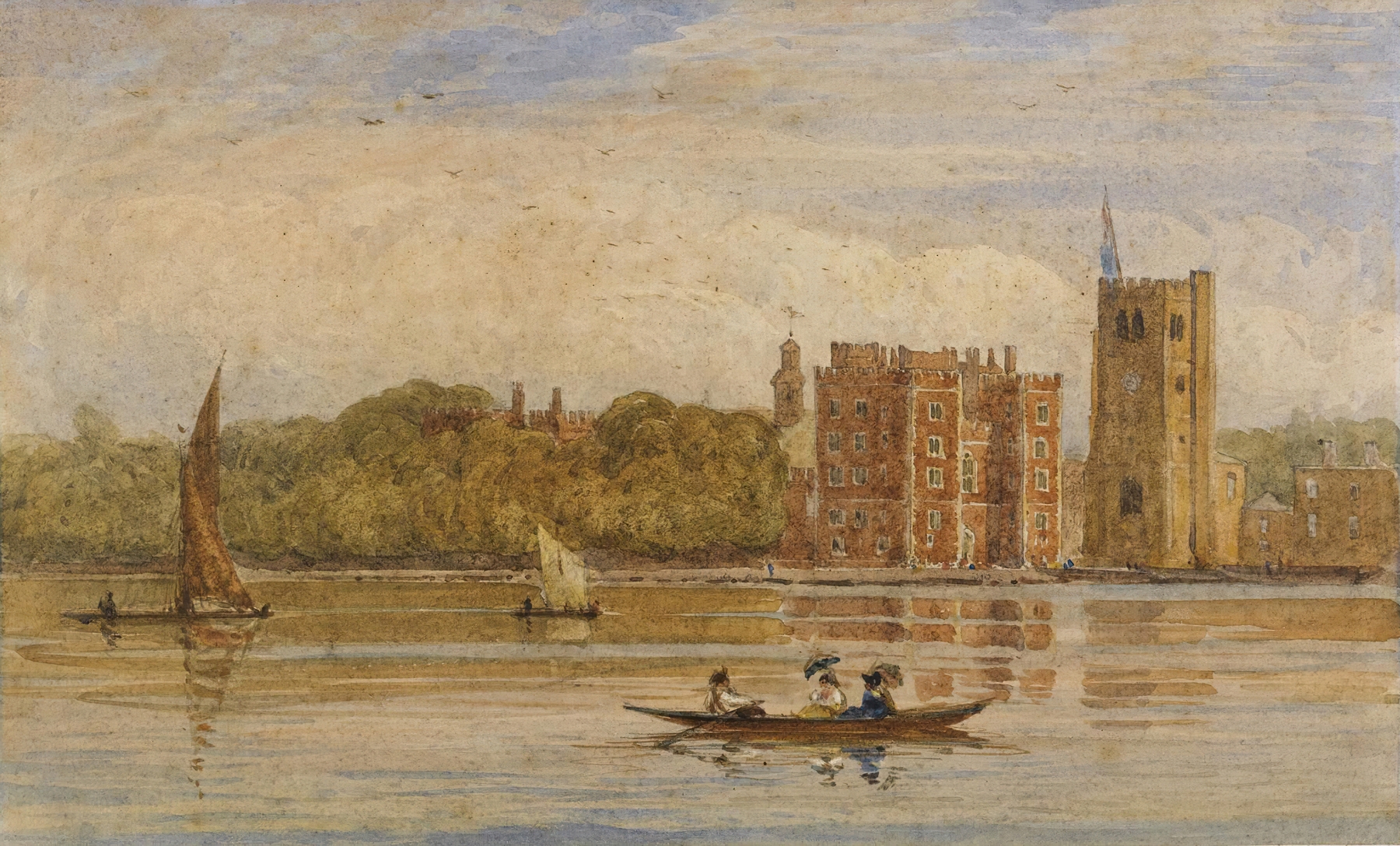
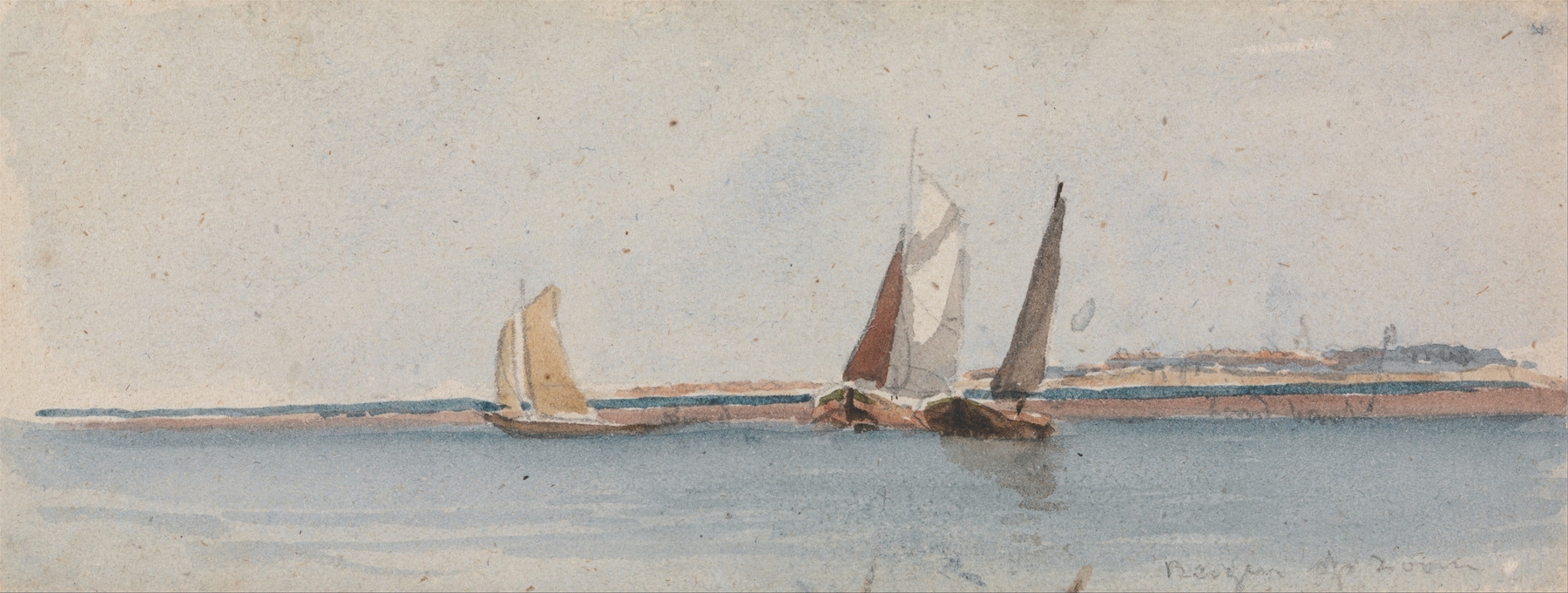
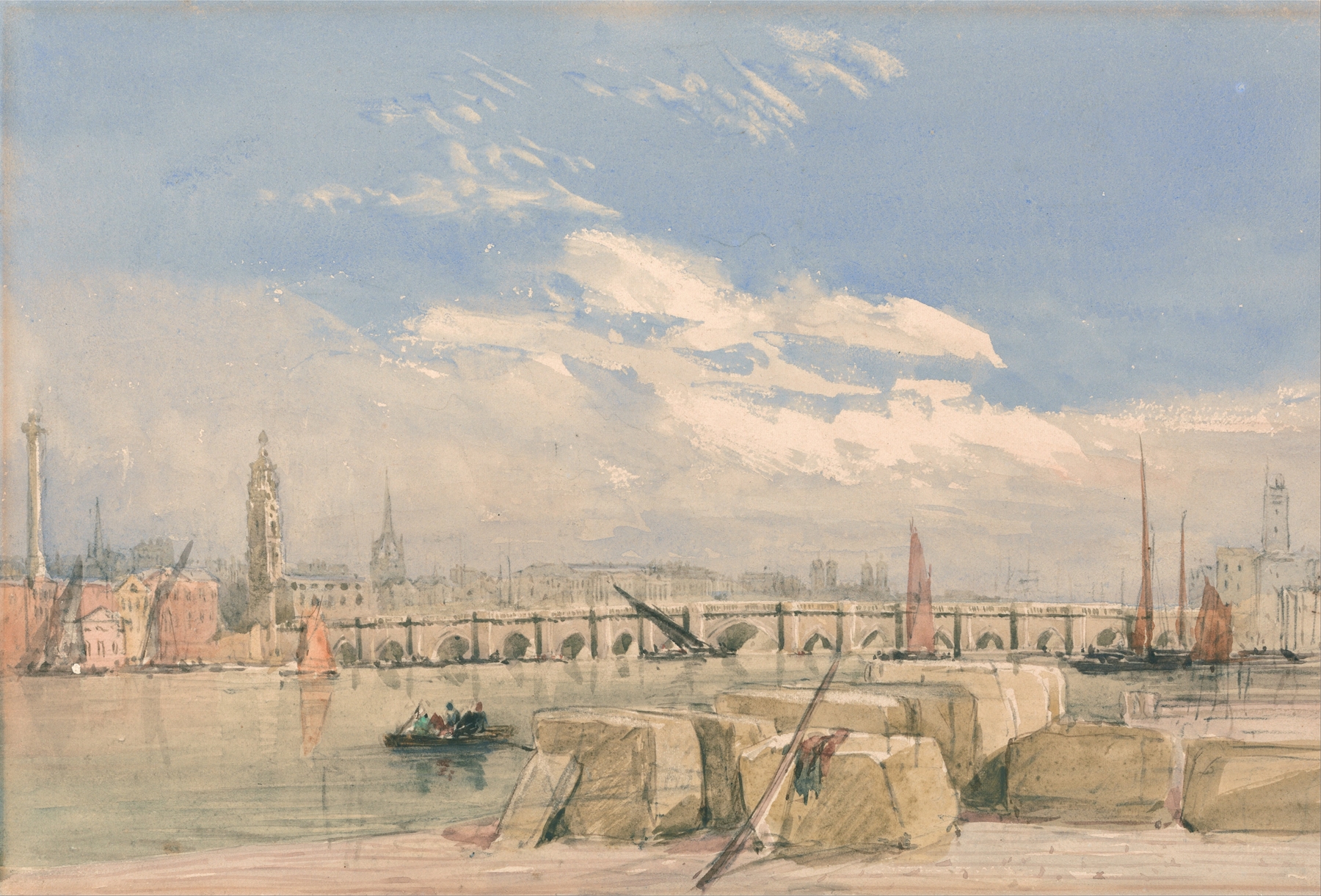
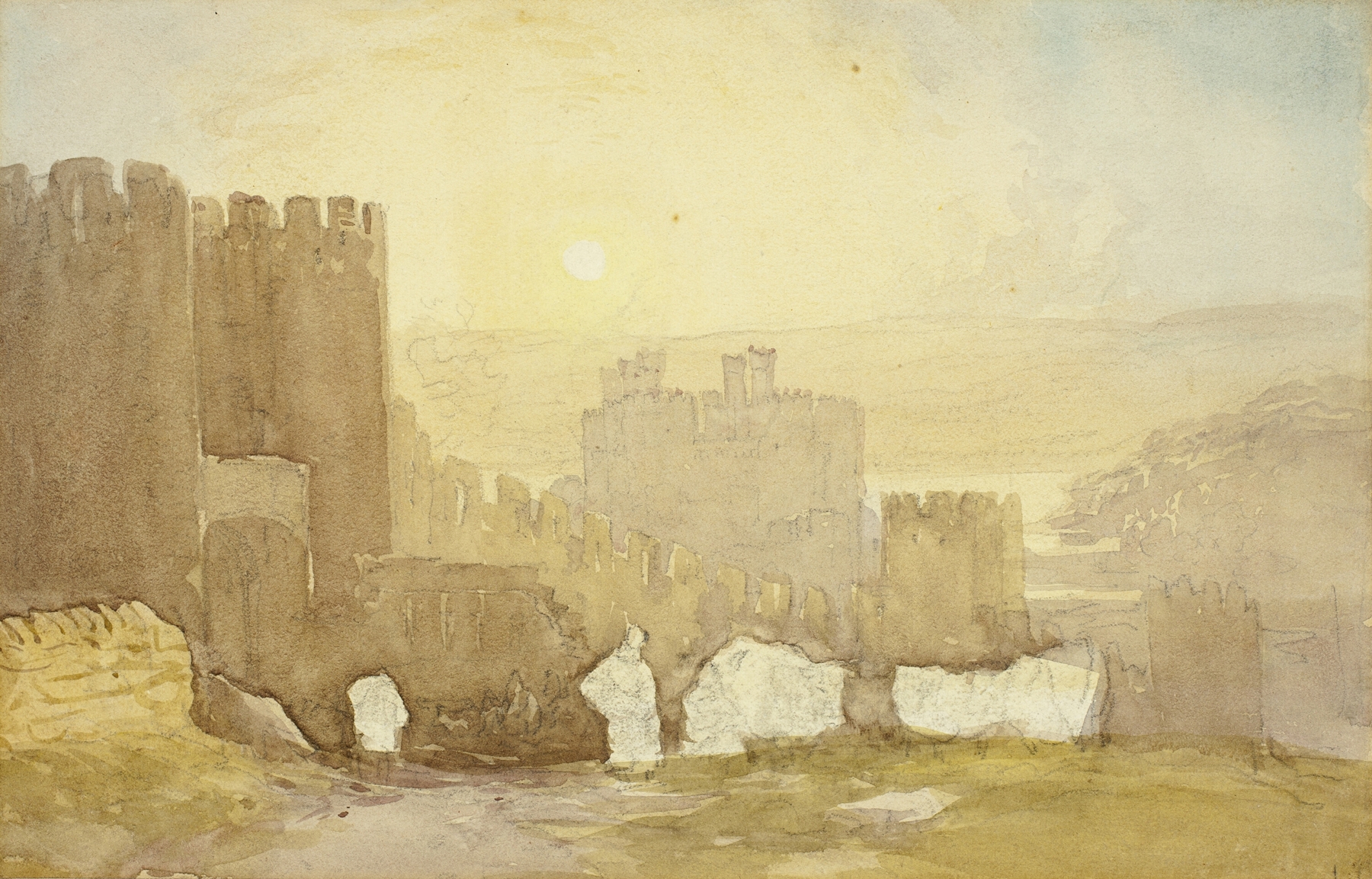
“Sometimes beauty is just pain, disguised in gold.” How does time hold the weight of both memories and longing in a single moment? Look to the horizon where the muted sky meets the serpentine flow of the Thames. There, a delicate interplay of soft blues and muted browns creates a landscape that feels both serene and melancholic. The brushstrokes are loose yet intentional, drawing your gaze toward the boats gliding silently on the water, their forms softened by the mist.
Notice how the light captures the gentle ripples, lending a shimmering quality that dances upon the surface. Yet beneath this tranquil facade lies a complexity that speaks of impermanence. The distant figures, shrouded in a haze, hint at lives woven into the fabric of the city, suggesting stories that linger just out of reach. The interplay of light and shadow showcases the transient nature of the day, capturing a fleeting moment suspended in time, where joy and sorrow coexist.
The muted palette evokes an emotional depth that resonates with the viewer, inviting reflection on the passage of life. In 1824, this work emerged as David Cox was fully embracing the Romantic ideals, influenced by the changing landscape of England and the rise of industrialization. Living in London, he painted this scene while grappling with the tumult of rapid change around him. The Thames, a lifeline of commerce and culture, reflects both the beauty and struggles of an evolving society, encapsulating a moment that is both personal and universal in its significance.