View of Flint Castle — History & Analysis
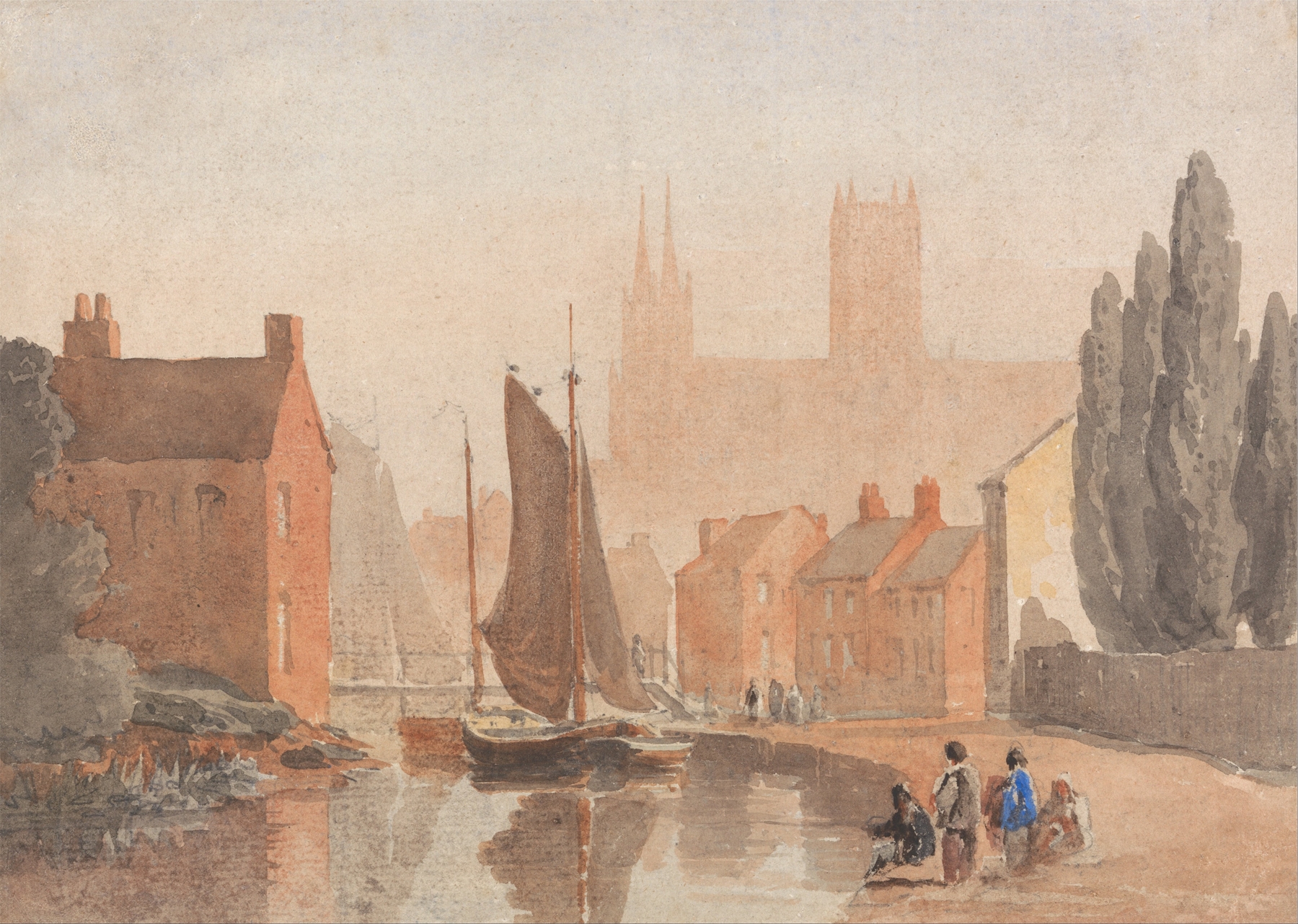
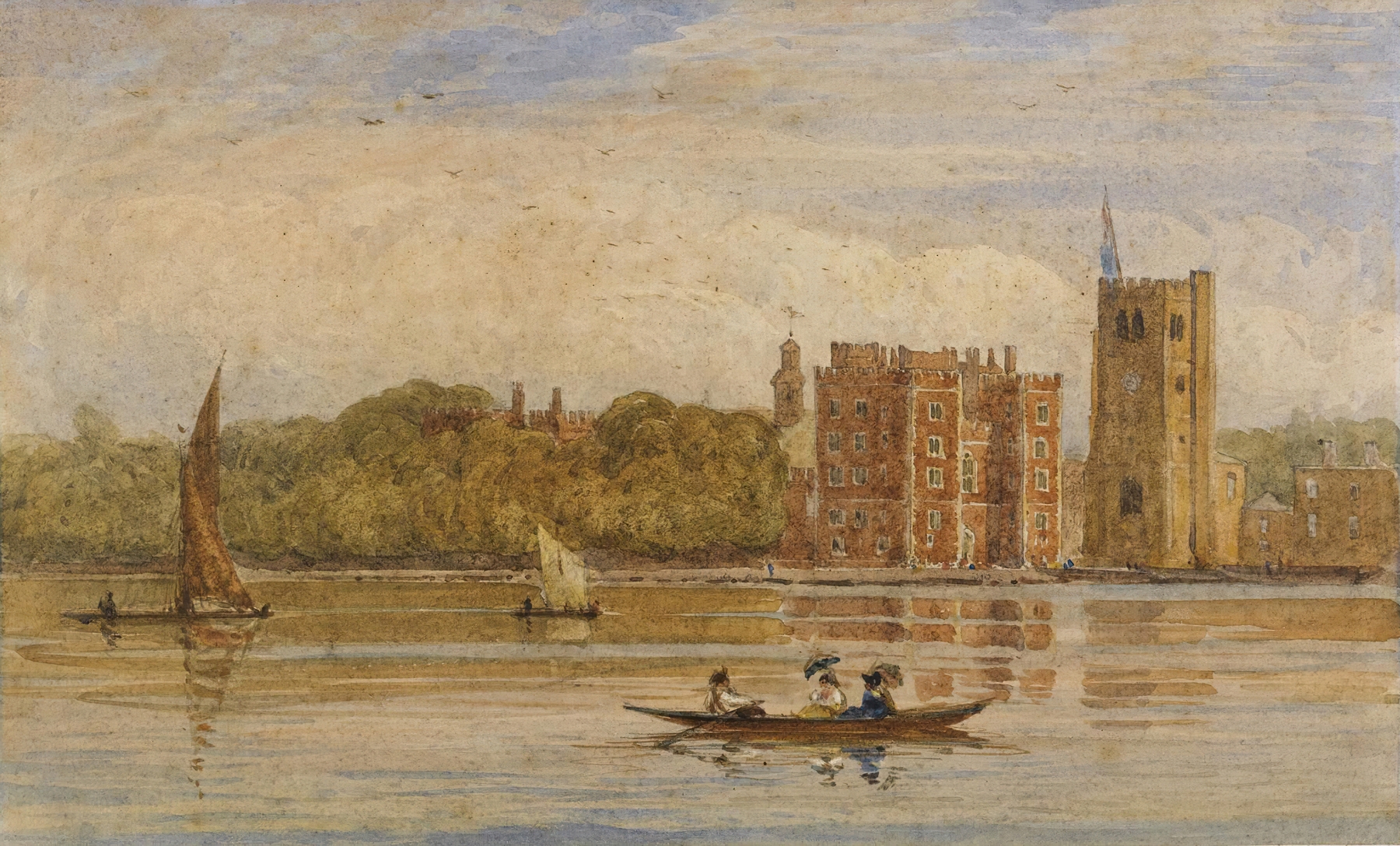
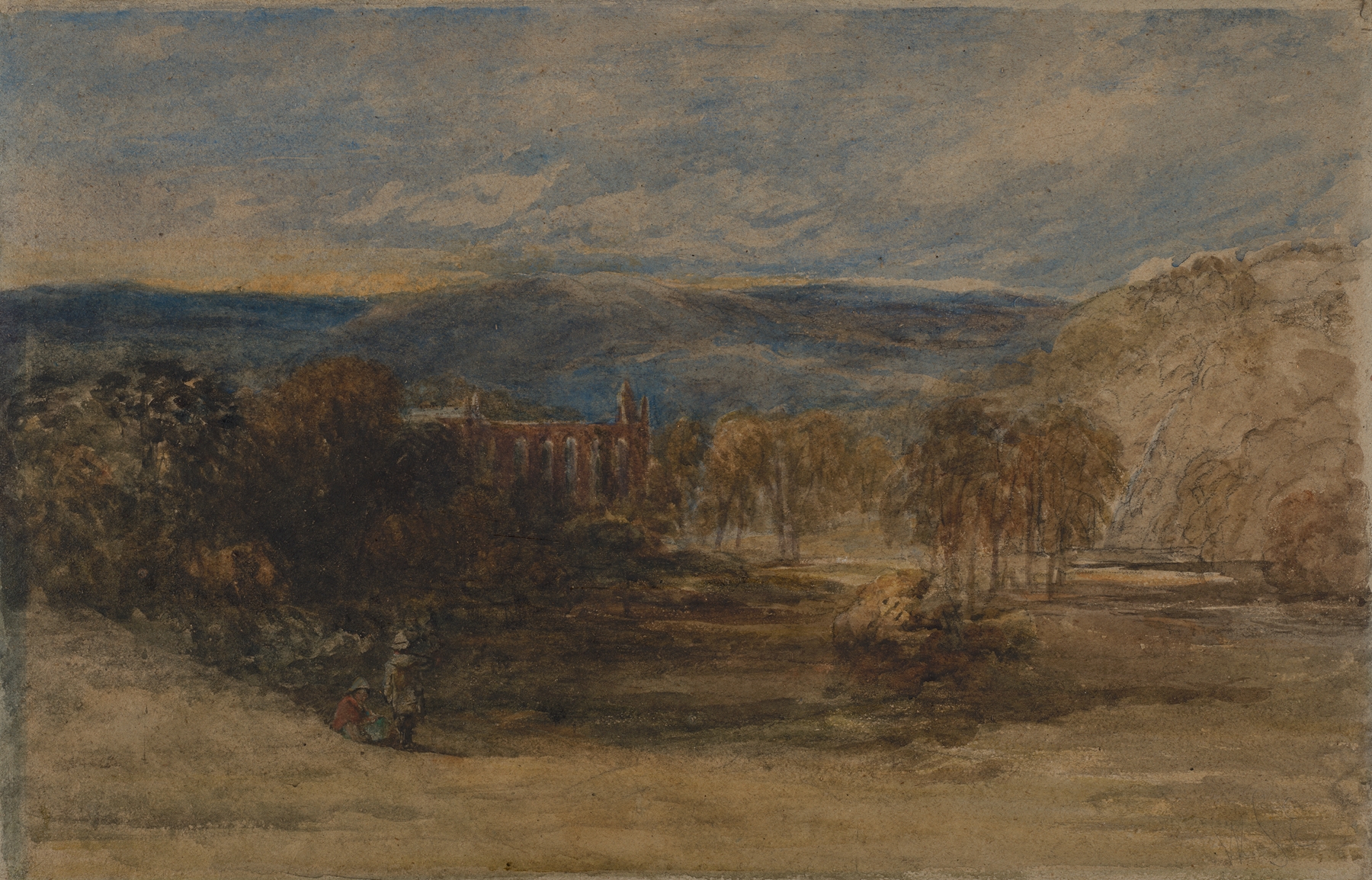
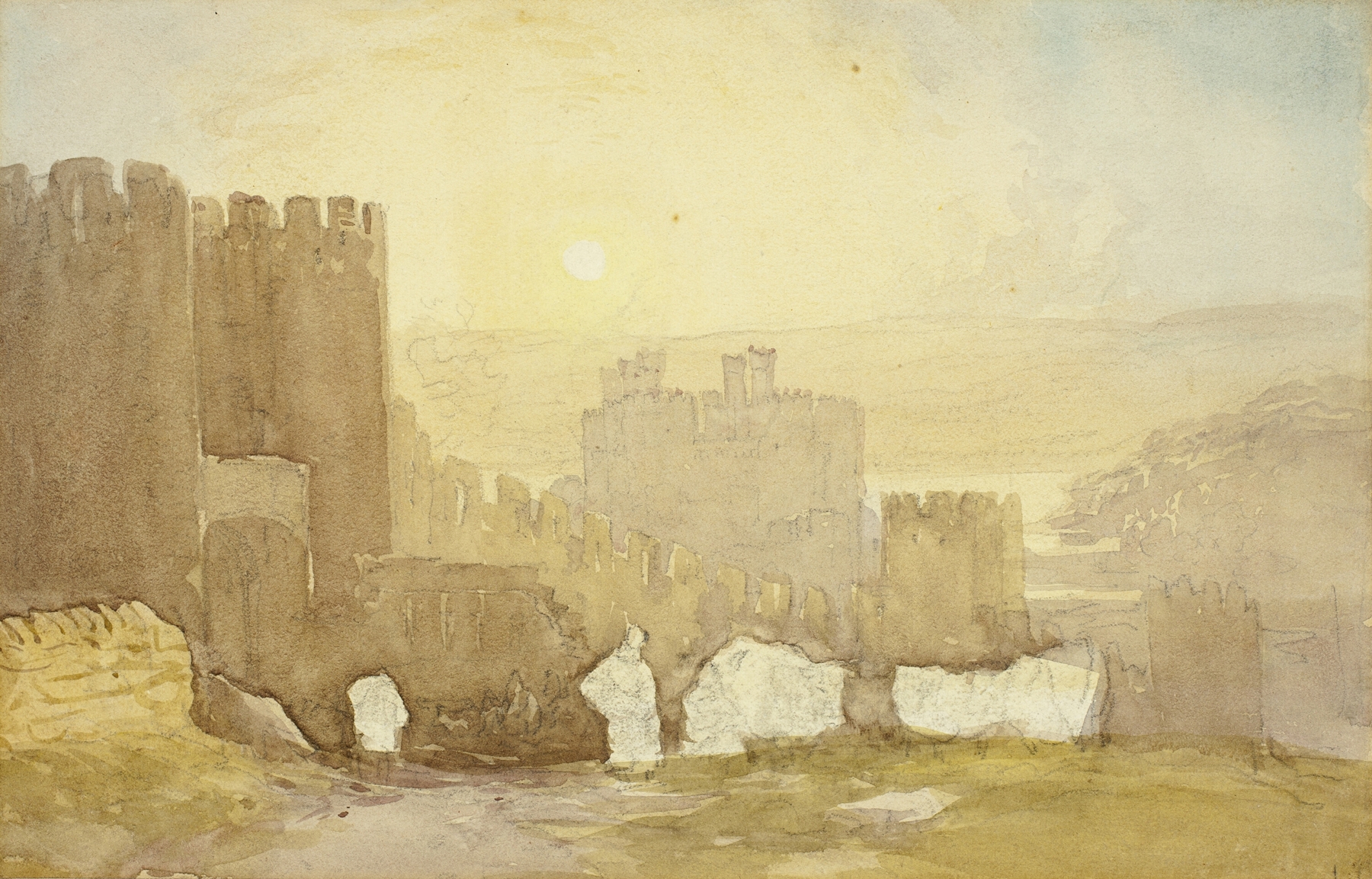
“The canvas doesn’t lie — it simply waits.” Memories linger in the air, woven through the landscape, inviting us to revisit the past as we gaze upon the scene. Look to the left at the weathered stones of the castle, their roughened surfaces telling tales of time and triumph. The artist’s brushstrokes guide your eye across the canvas, evoking a sense of place through soft, muted earth tones. Notice how the delicate play of light reflects off the water, illuminating the tranquility of the river beneath the fortress.
In the distance, wisps of clouds curl around the horizon, hinting at both the beauty and melancholy of changing seasons. Beneath the serene surface lies a rich interplay of history and nature. The castle, sturdy yet worn, symbolizes resilience, while the flowing water suggests the passage of time and the inevitability of change. Cox captures a fleeting moment; a quiet contrast exists between the fortress’s enduring presence and the ephemeral qualities of the atmosphere.
The reflective waters mirror not just the landscape, but the memories we carry — the moments that shape our understanding of place and self. At the time of this creation, David Cox was immersed in the English landscape movement, a period characterized by a deep appreciation for the natural world. Working in the mid-19th century, he sought to capture the shifting effects of light and atmosphere. This emphasis on memory and the natural environment reflects both his personal experiences and the broader artistic currents influencing him, as Romanticism continued to evolve in the wake of the Industrial Revolution.