View on the River Wye, Looking towards Chepstow — History & Analysis
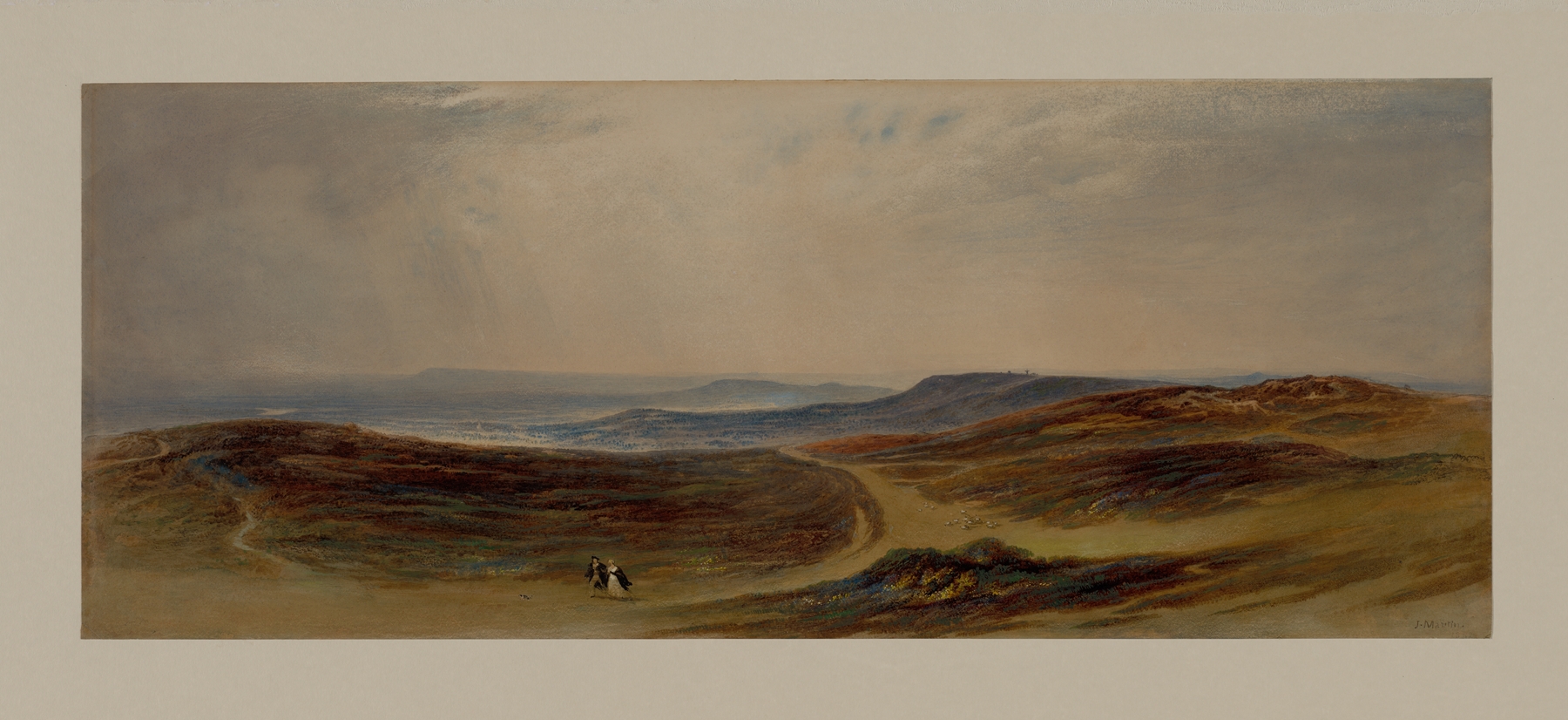
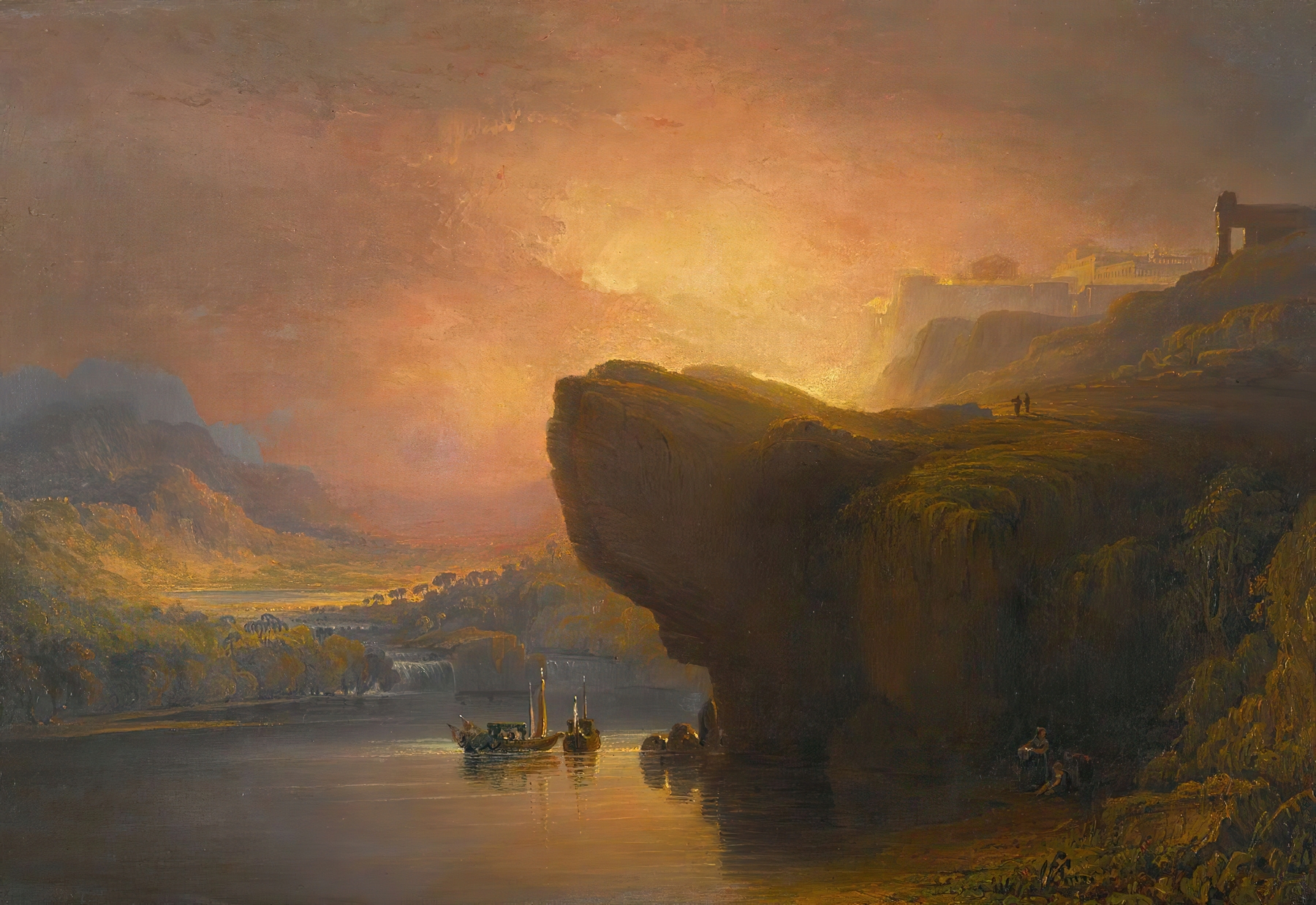
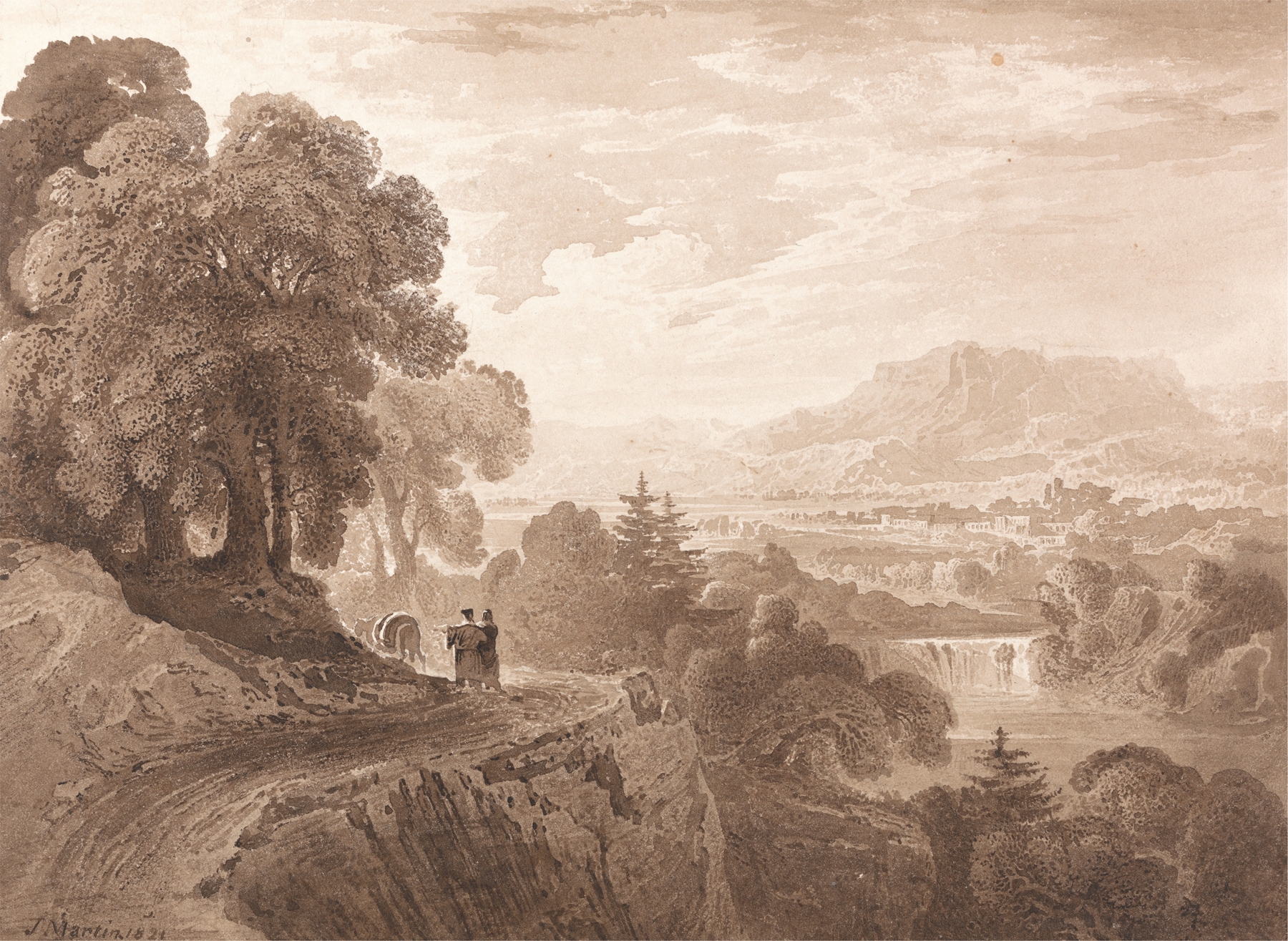
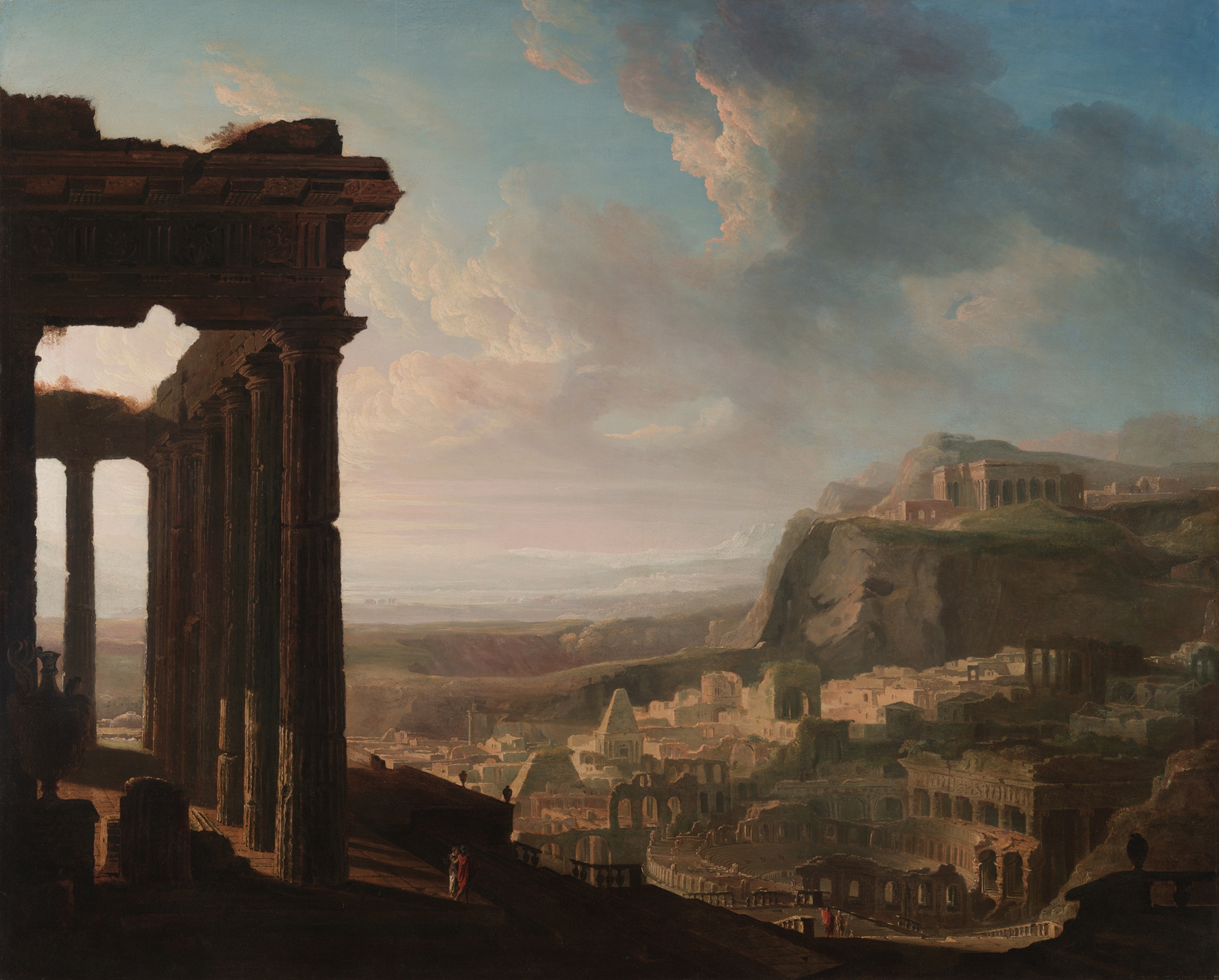
What if silence could speak through light? In the expansive vista of View on the River Wye, Looking towards Chepstow, that silence is filled with an ethereal ecstasy, inviting viewers to lose themselves in its tranquility. Focus on the horizon, where the soft, golden light of the setting sun bathes the landscape in a warm glow. The river stretches gracefully beneath this celestial illumination, reflecting hues of blue and gold that shimmer with an almost liquid vibrancy.
Notice how the winding river draws the eye towards Chepstow, its banks dotted with lush greenery and dramatic cliffs, creating a harmonious balance between nature and the architectural fragments of human presence. In this moment, contrasts pulse—between the serene stillness of the water and the dynamic clouds that hint at the promise of change. The play of light reveals subtle details: a distant castle stands sentinel against the fading day, representing both history and aspiration. The viewer feels an emotional tug, caught between the eternal beauty of nature and the temporal nature of human endeavors, where each element speaks in hushed tones of ecstasy and introspection.
John Martin painted this captivating scene in 1844, a time when he was establishing himself as a master of Romantic landscapes. Living in London, he was influenced by the growing industrialization that starkly contrasted the serene beauty of the natural world. This painting reflects his desire to connect the viewer to the sublime, as the artist sought to evoke a sense of wonder and reverence for the landscapes of Britain during a transformative period in art and society.