An der dalmatinischen Küste bei Ragusa — History & Analysis
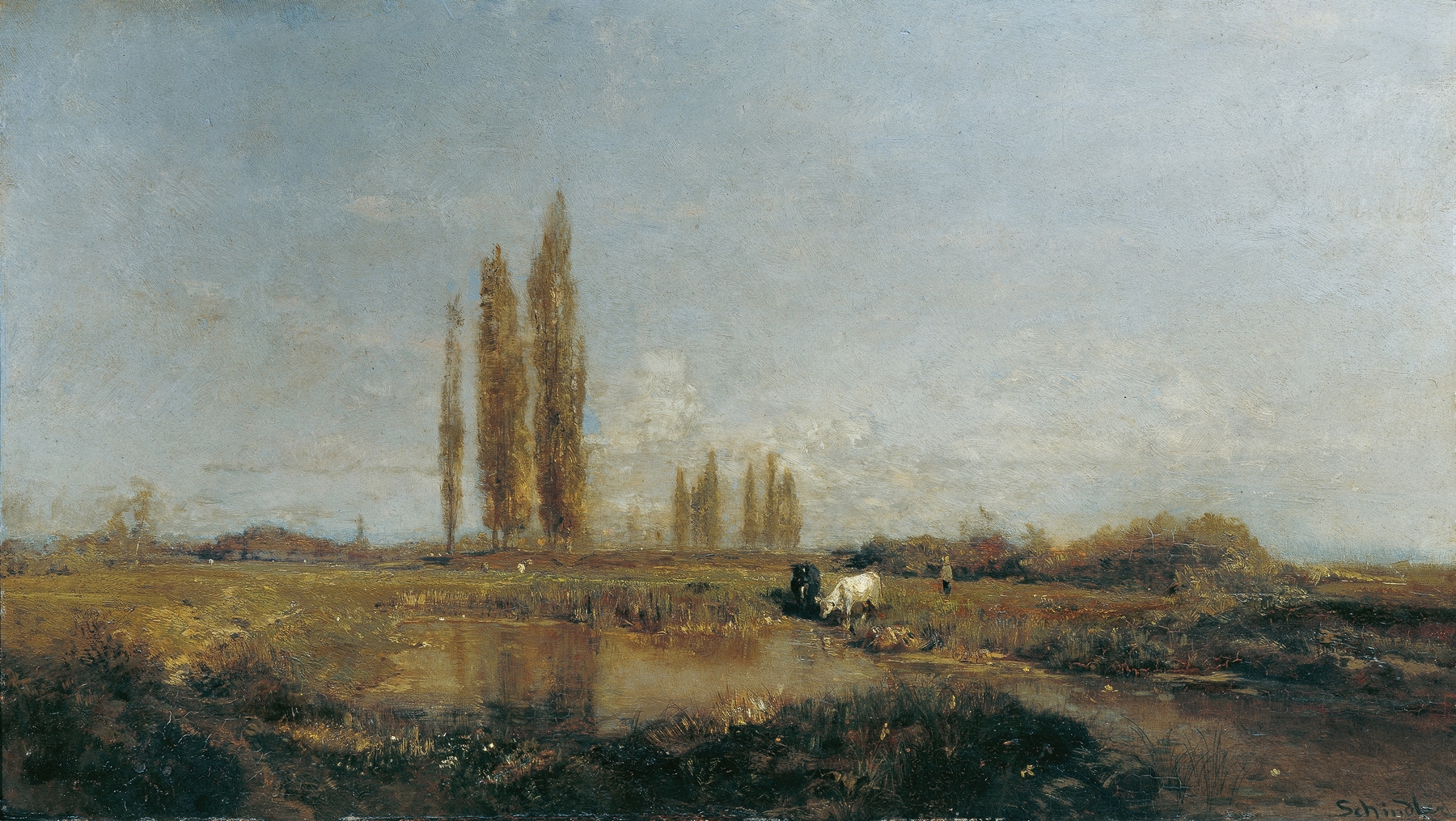
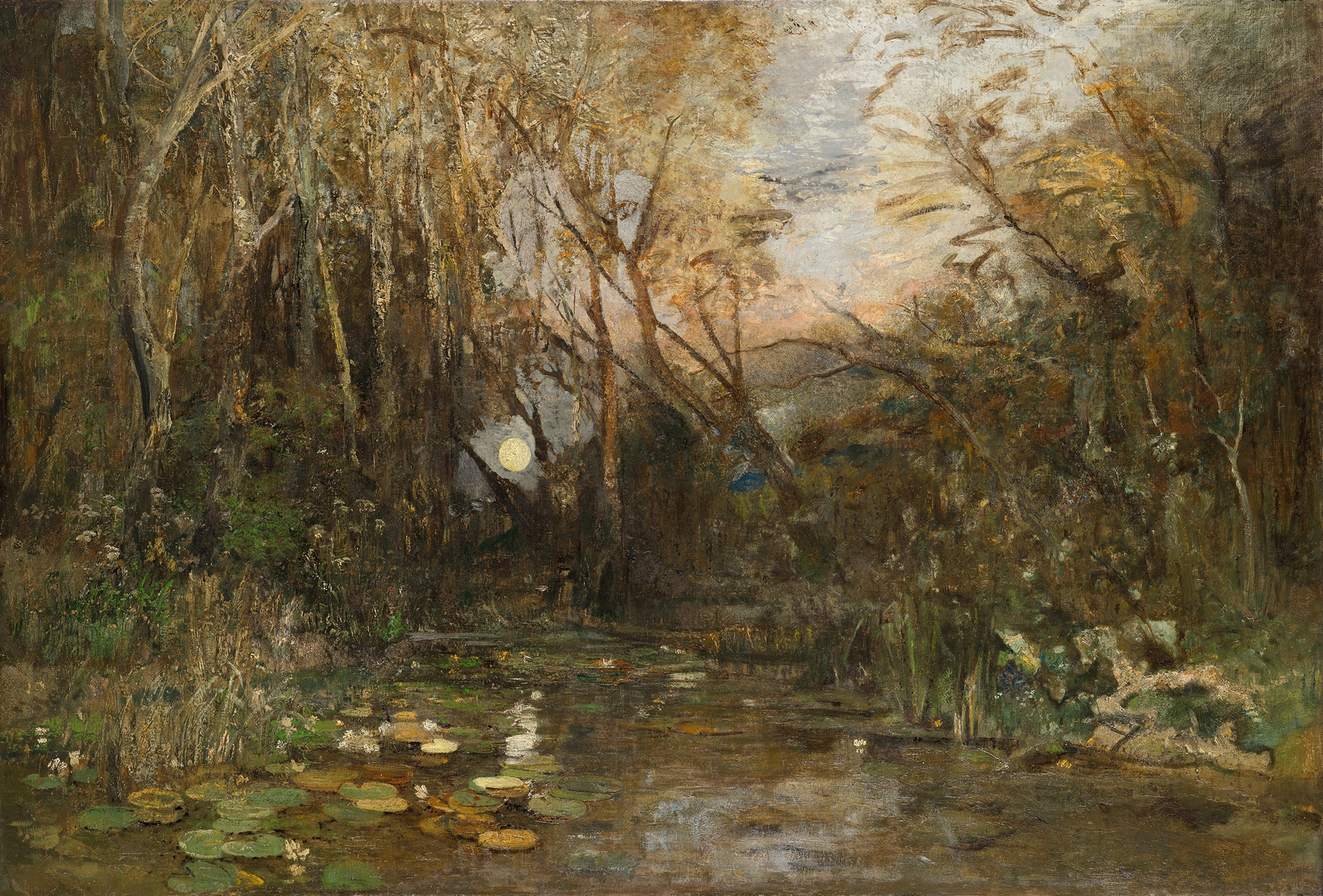
“Sometimes beauty is just pain, disguised in gold.” In the gentle embrace of nature, hope breathes through the canvas, inviting us to ponder the dichotomy of life and landscape. To appreciate this artwork fully, look to the left where rugged cliffs rise defiantly against a tranquil sea. The interplay of deep blues and greens creates a serene backdrop, while the delicate brushstrokes capture the effervescence of lapping waves. Notice how the sunlight dances on the water’s surface, infusing the scene with a warm glow that bathes every detail in a golden hue, while the clouds drift lazily above, framing the horizon in soft whites and greys, a promise of change.
Beneath this idyllic exterior lies a complex emotional landscape. The cliffs, solemn and unwavering, symbolize the weight of existence, juxtaposed against the fluidity of the water, representing the passage of time and the inevitability of change. The vibrant hues enveloping the scene evoke a sense of longing, a wistful yearning for connection amidst the isolation of nature. Here, beauty serves as both a balm and a reminder of life's transience, whispering tales of hope and heartache in every brushstroke.
Emil Jakob Schindler painted this piece in 1888 during his time in Dalmatia, a period marked by personal introspection and artistic exploration. Following a career in Vienna, he sought solace and inspiration along the Croatian coast, a refuge from the bustling art scene. This work reflects both his deep connection to the landscape and his search for meaning amidst the challenges of life and the evolving world of art around him.