Bach im Wienerwald — History & Analysis
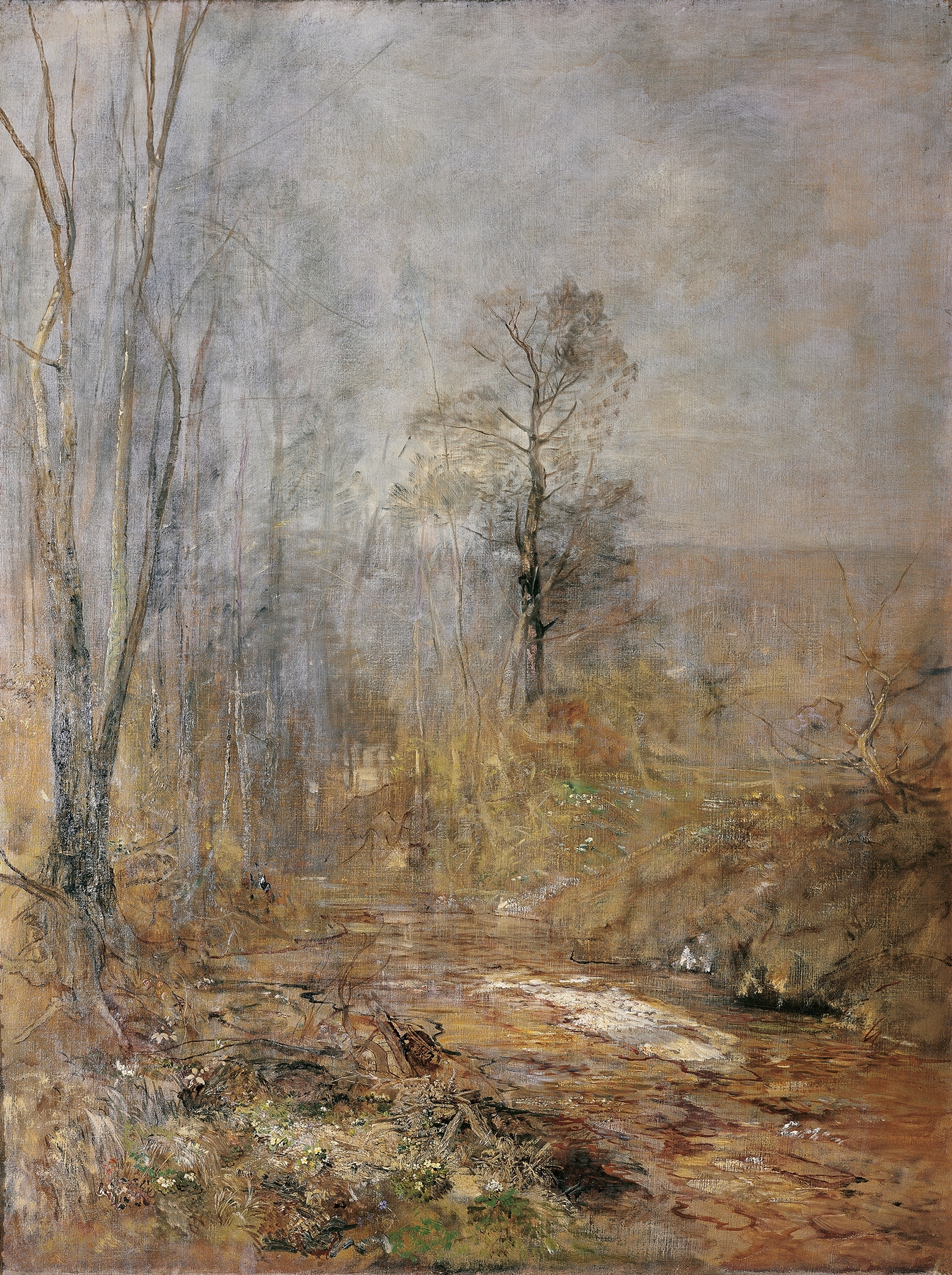
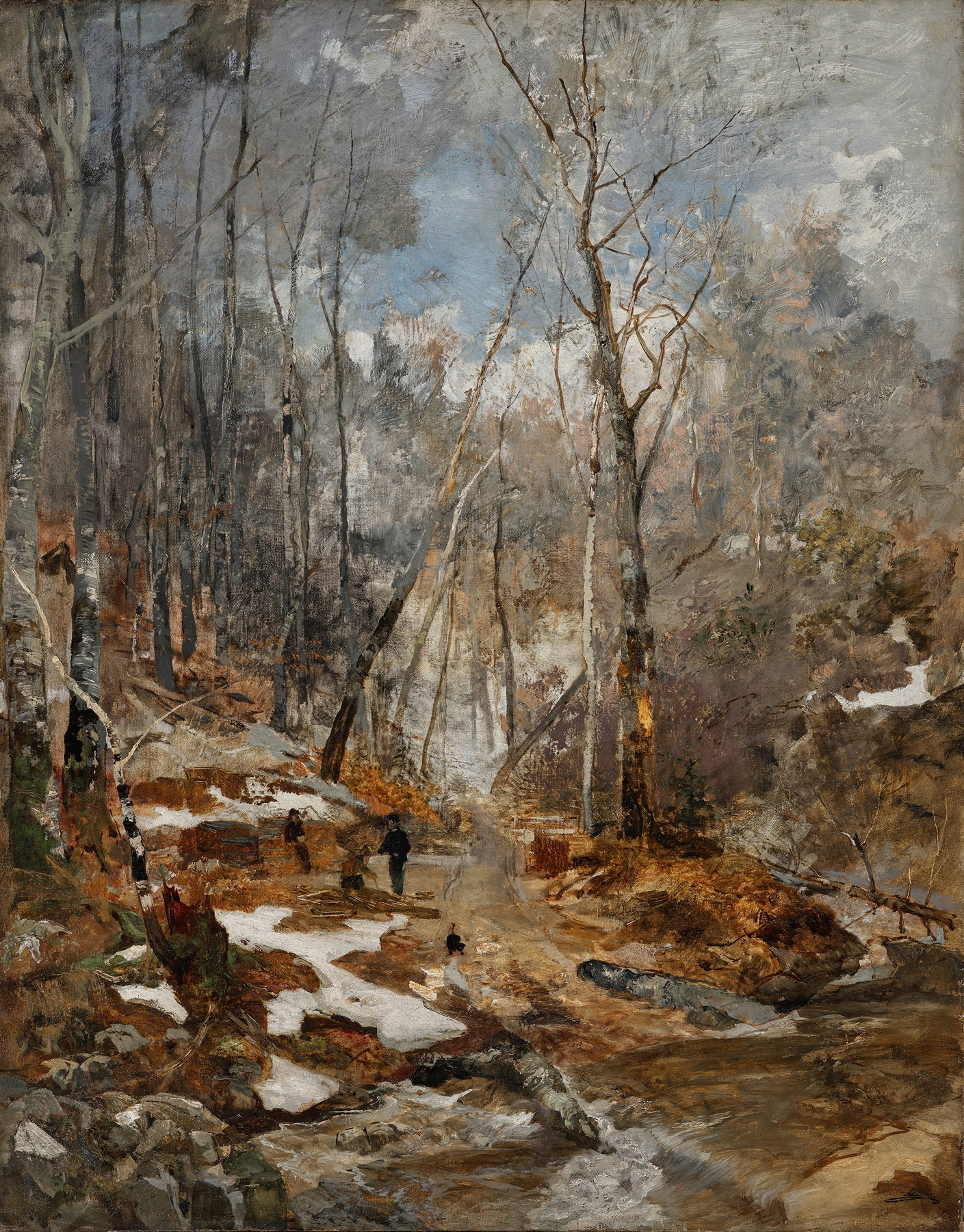
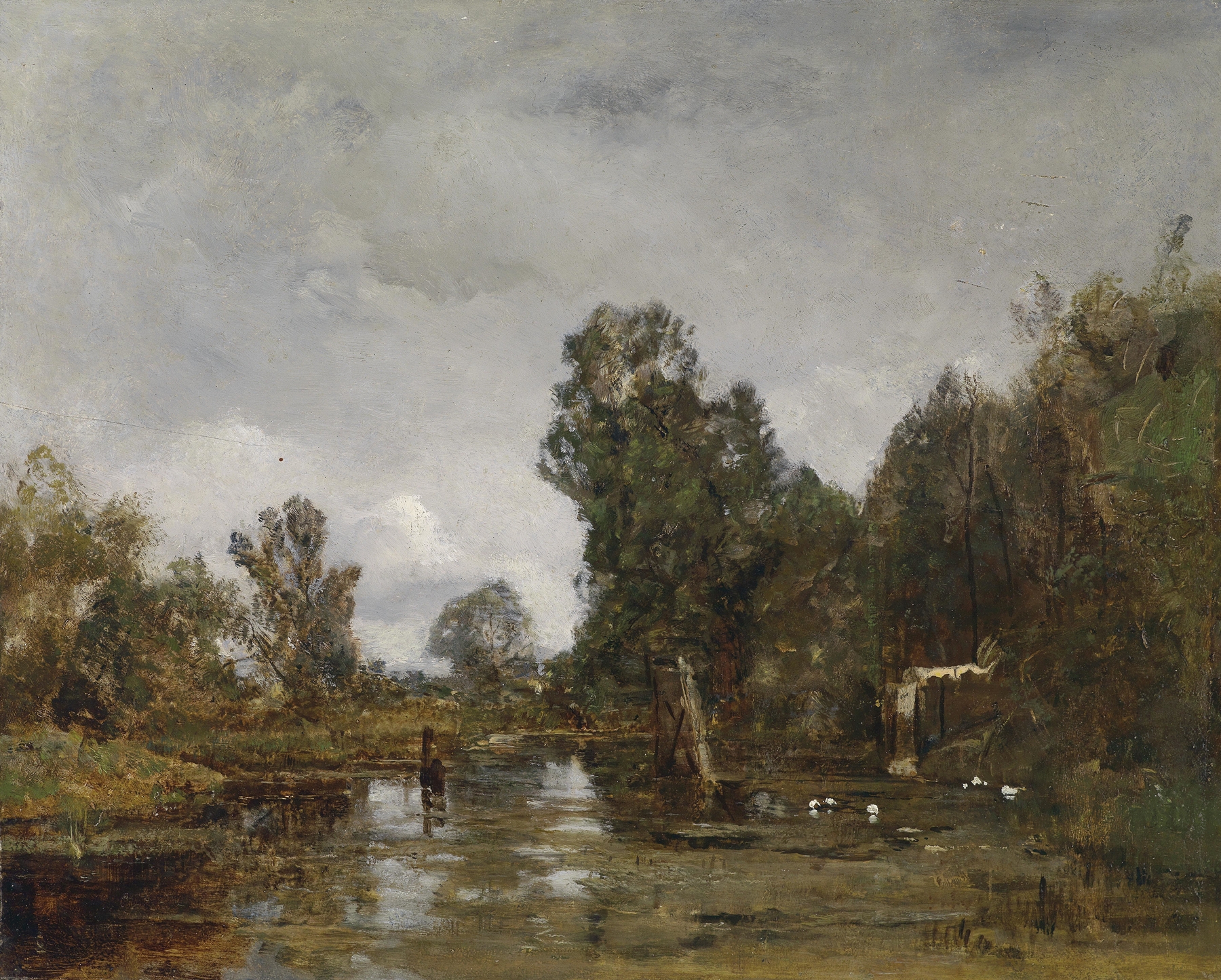
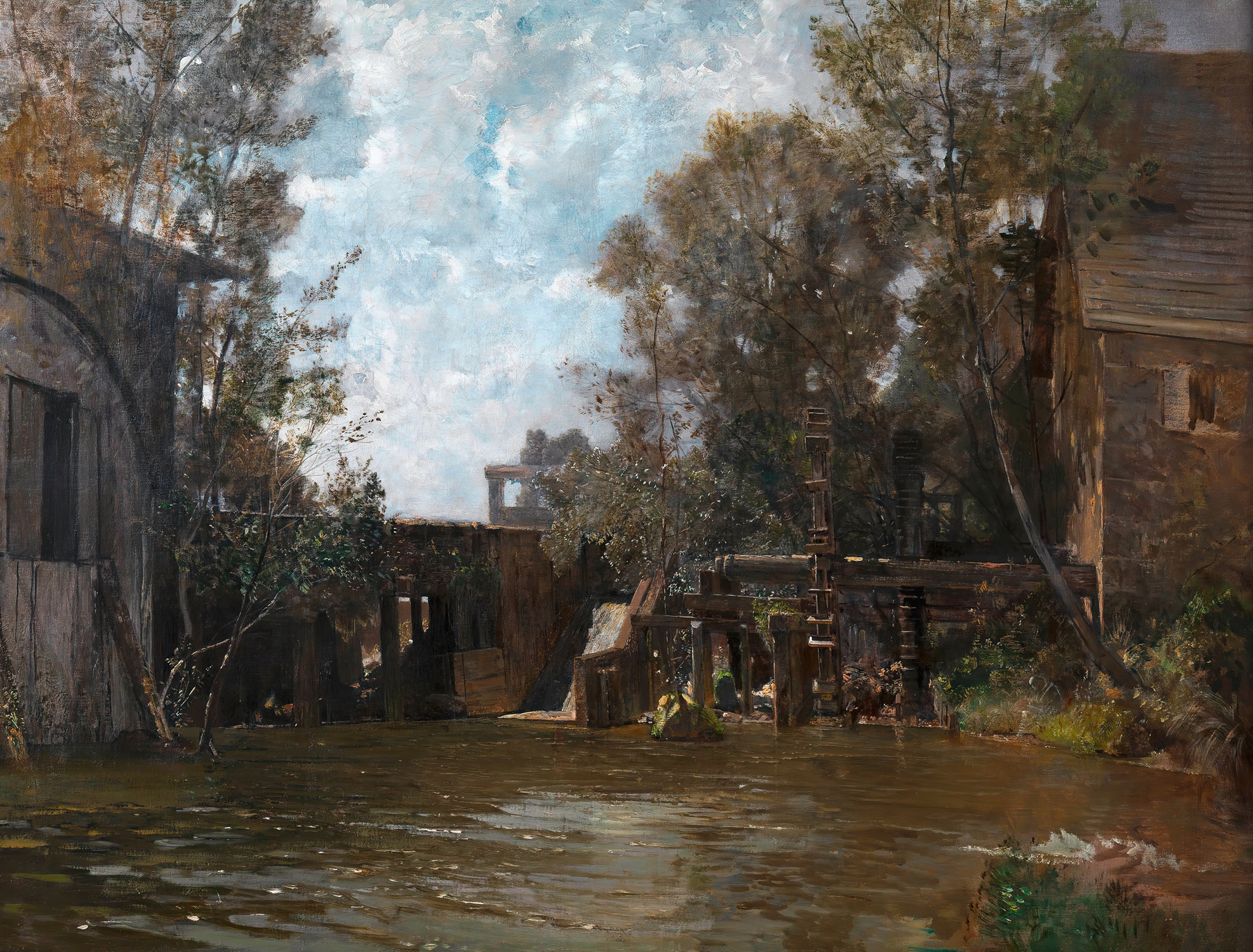
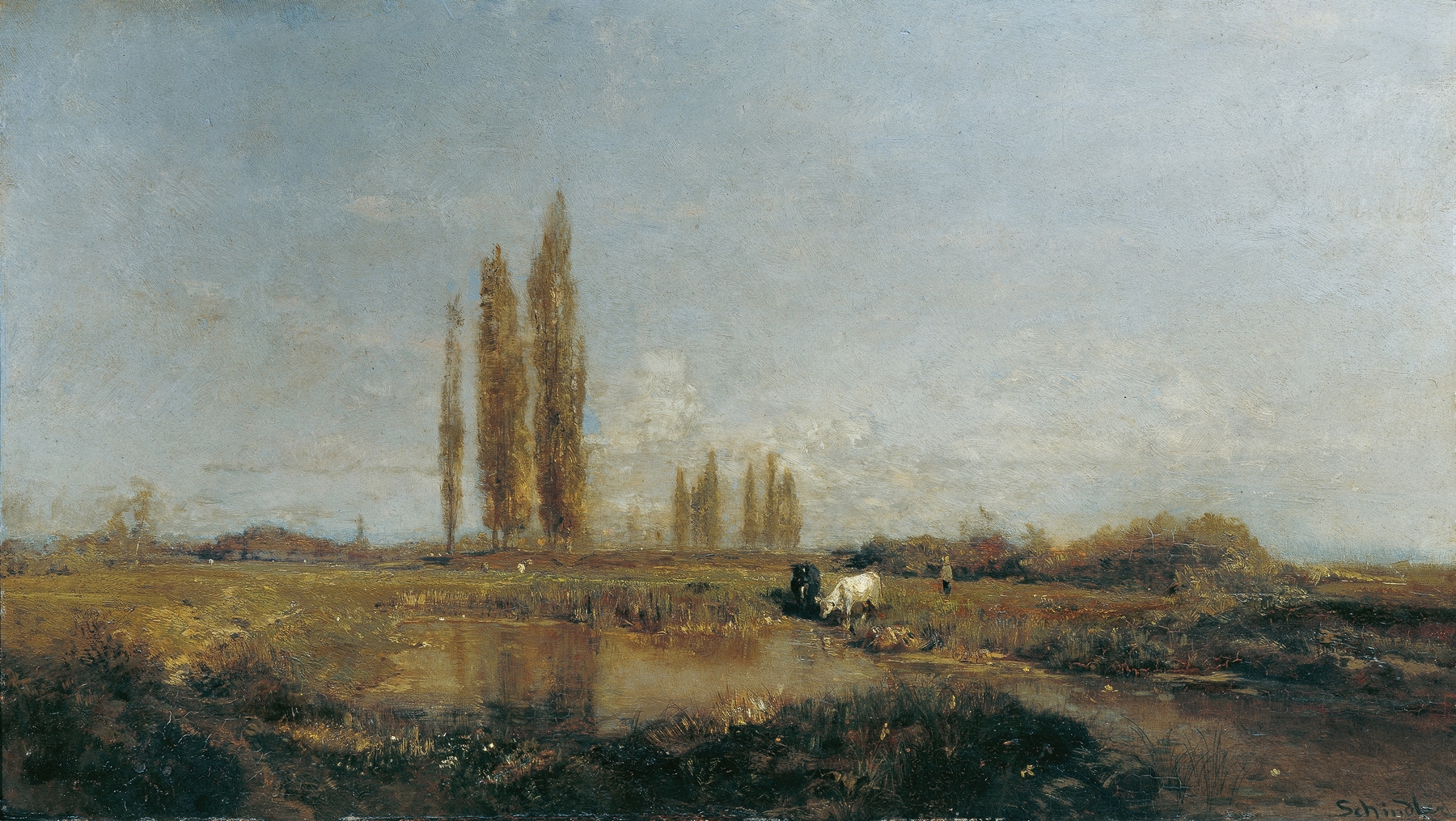
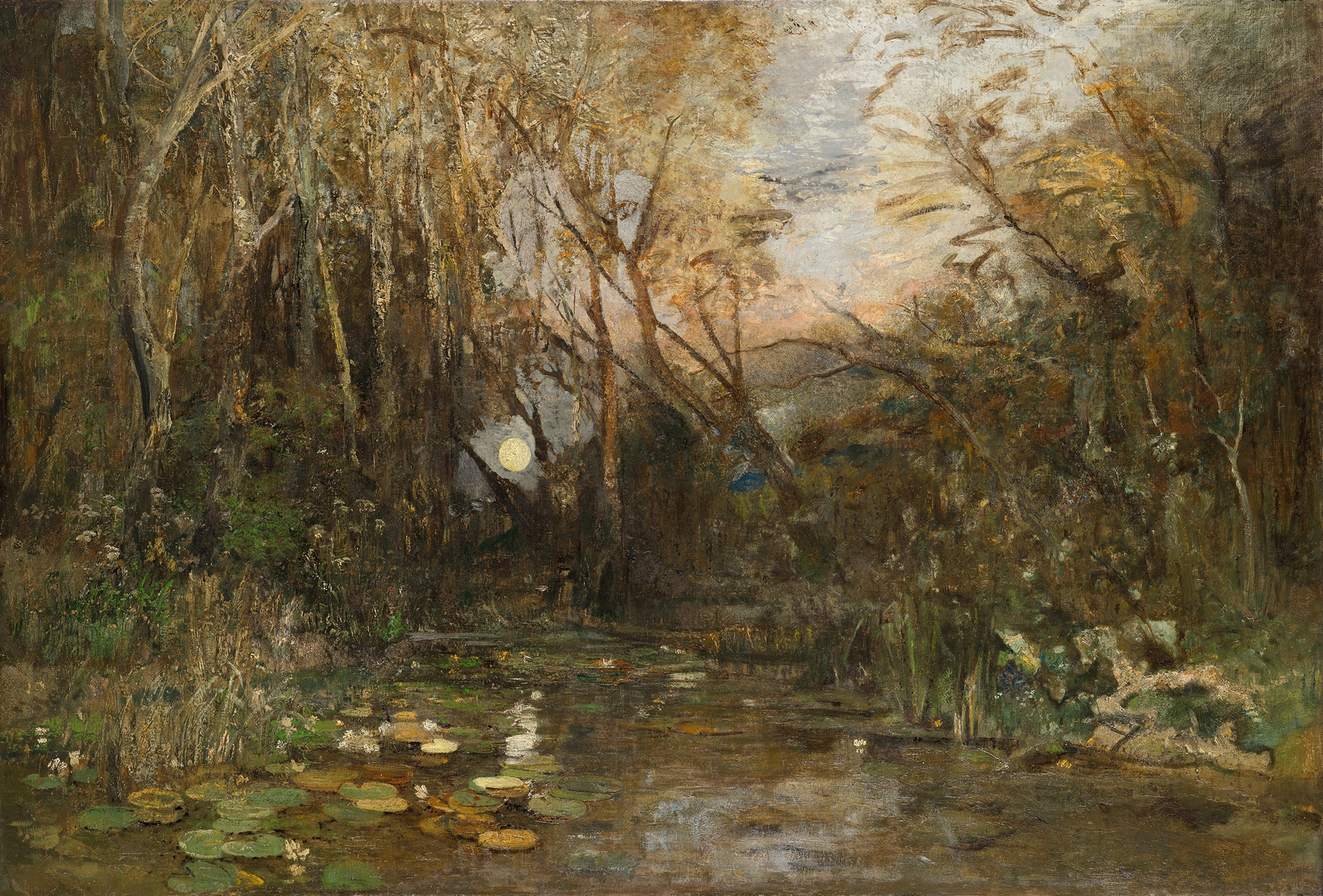
What if silence could speak through light? In Bach im Wienerwald, a serene yet powerful interaction unfolds between nature and artistry, anchored by the stillness that envelops the viewer. Look to the bottom left, where the gentle flow of water glints with dappled sunlight. The vibrant greens of the foliage above contrast sharply with the soft blues of the stream, drawing the eye upwards to where the trees cradle the sky.
Schindler's deft brushwork creates a sense of movement within the stillness, allowing the viewer to feel the rustle of leaves and the whisper of water. The composition feels alive, inviting a reflective journey through nature's sanctuary. Yet beneath this tranquil surface lies a quiet tension, as the serene landscape juxtaposes the social shifts of the era. The brushstrokes suggest an awakening, a revolution of thought in the very fabric of the natural world, hinting at the change sweeping through the art scene of the late 19th century.
The interplay of light and shadow also speaks to the duality of peace and unrest—where one can find beauty, there is always the potential for deeper reflection. In 1884, as Schindler painted this work, he was influenced by the burgeoning movement of Impressionism, which was challenging traditional forms of representation. Living in Vienna, he found himself in a world where the boundaries of perception were being explored, pushing the limits of both art and the human experience. Amidst this evolution, Bach im Wienerwald captures a moment that resonates beyond its serene surface, reflecting both the beauty of nature and an undercurrent of transformation.