Danube meadows — History & Analysis
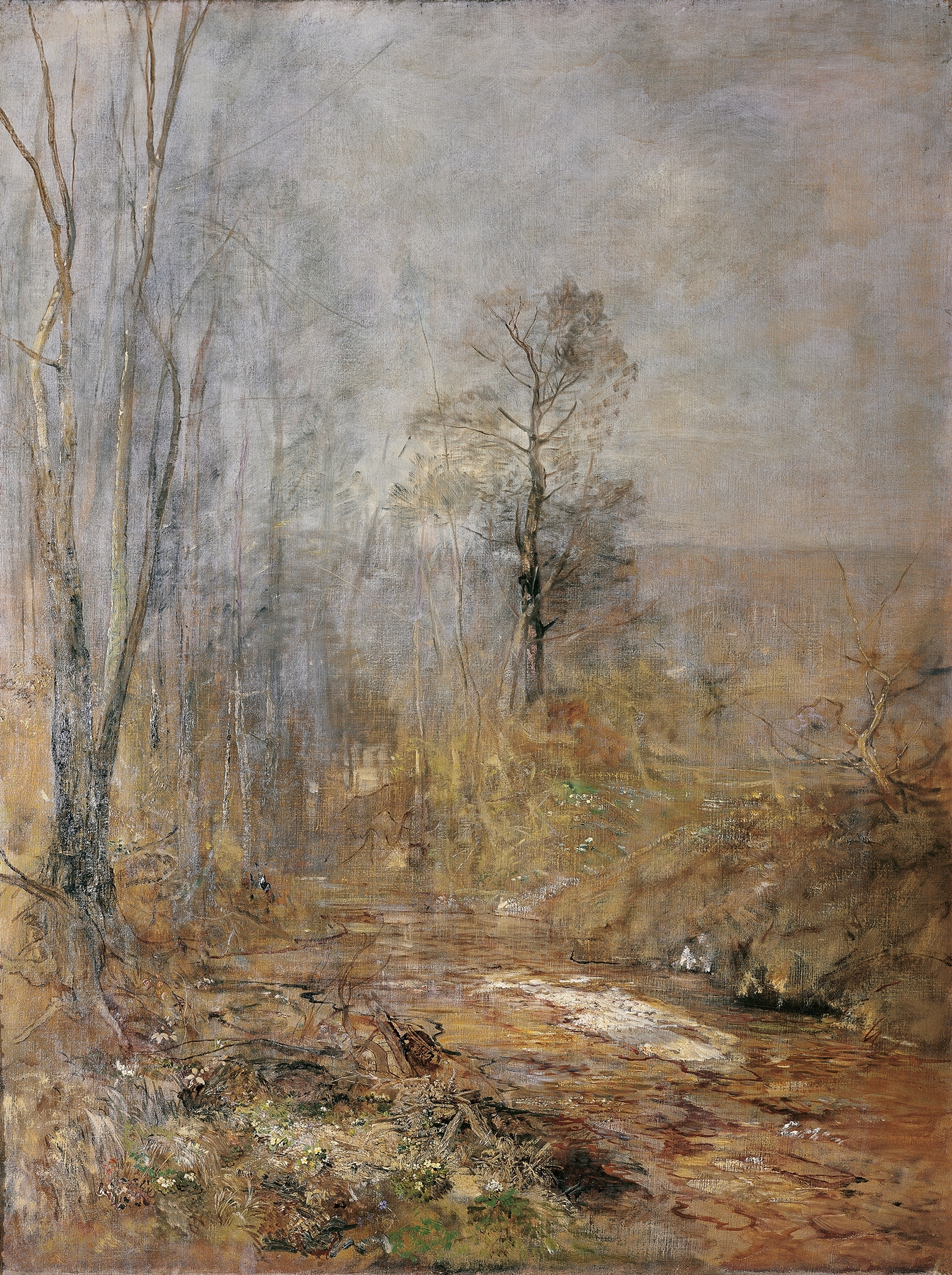
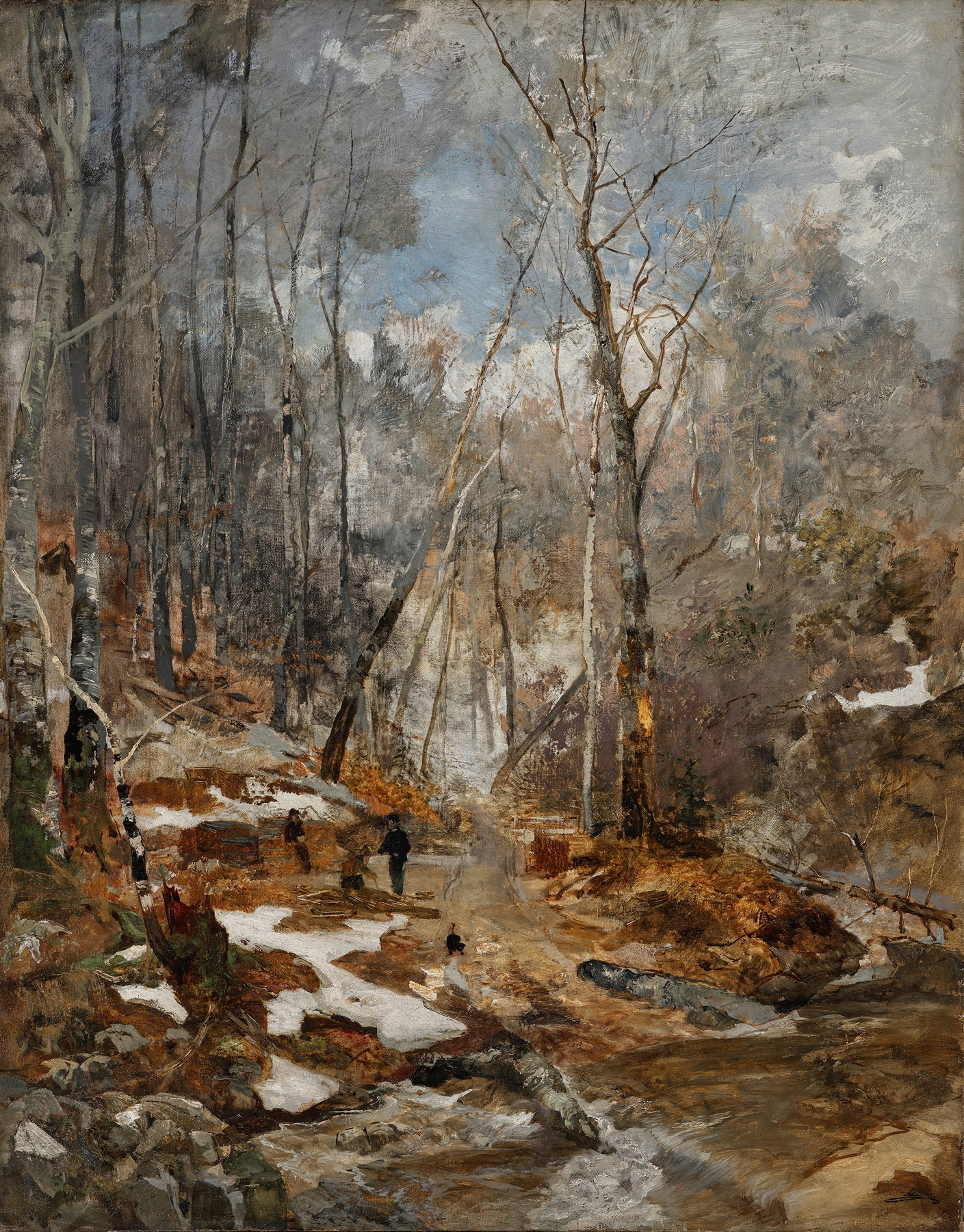
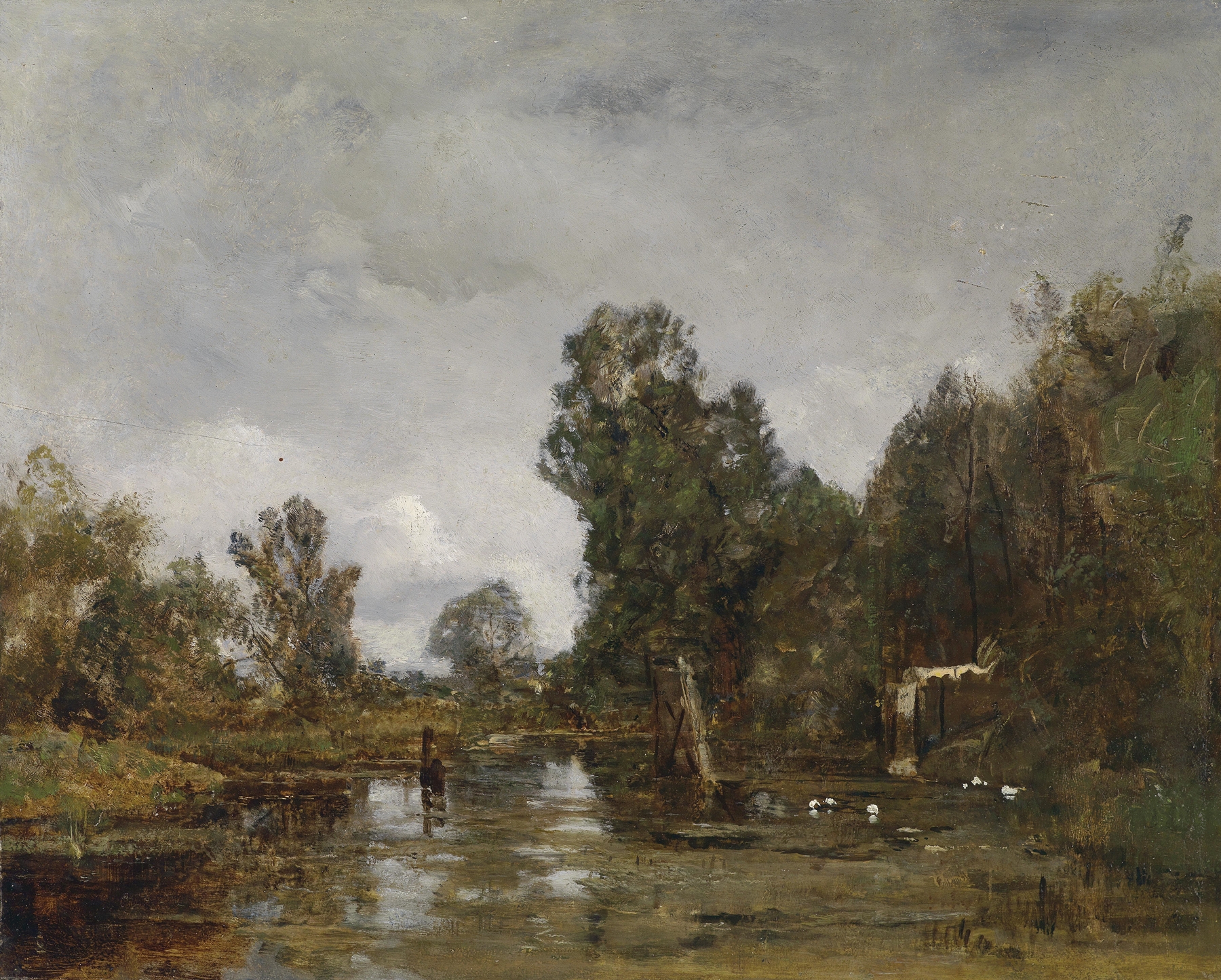
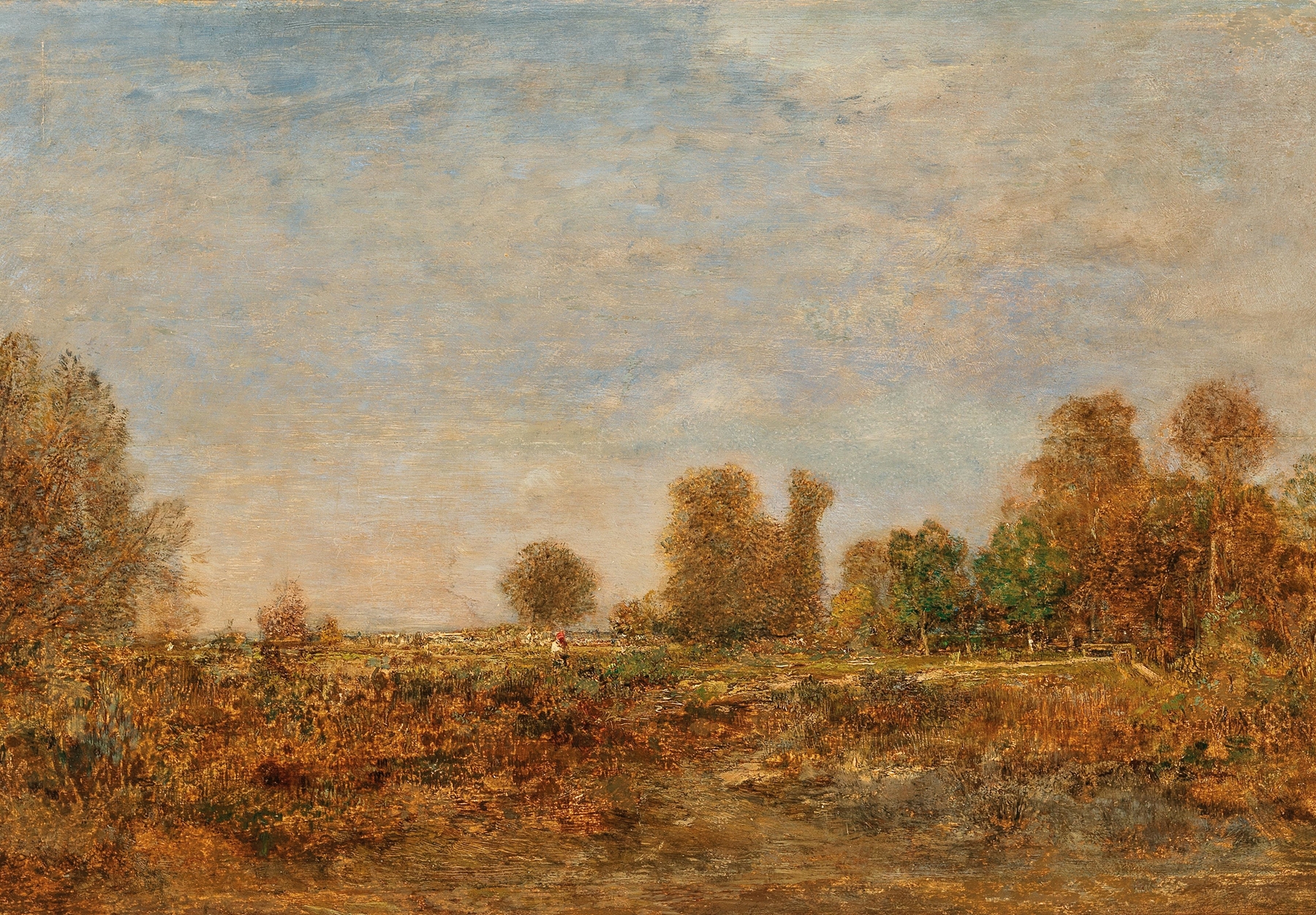
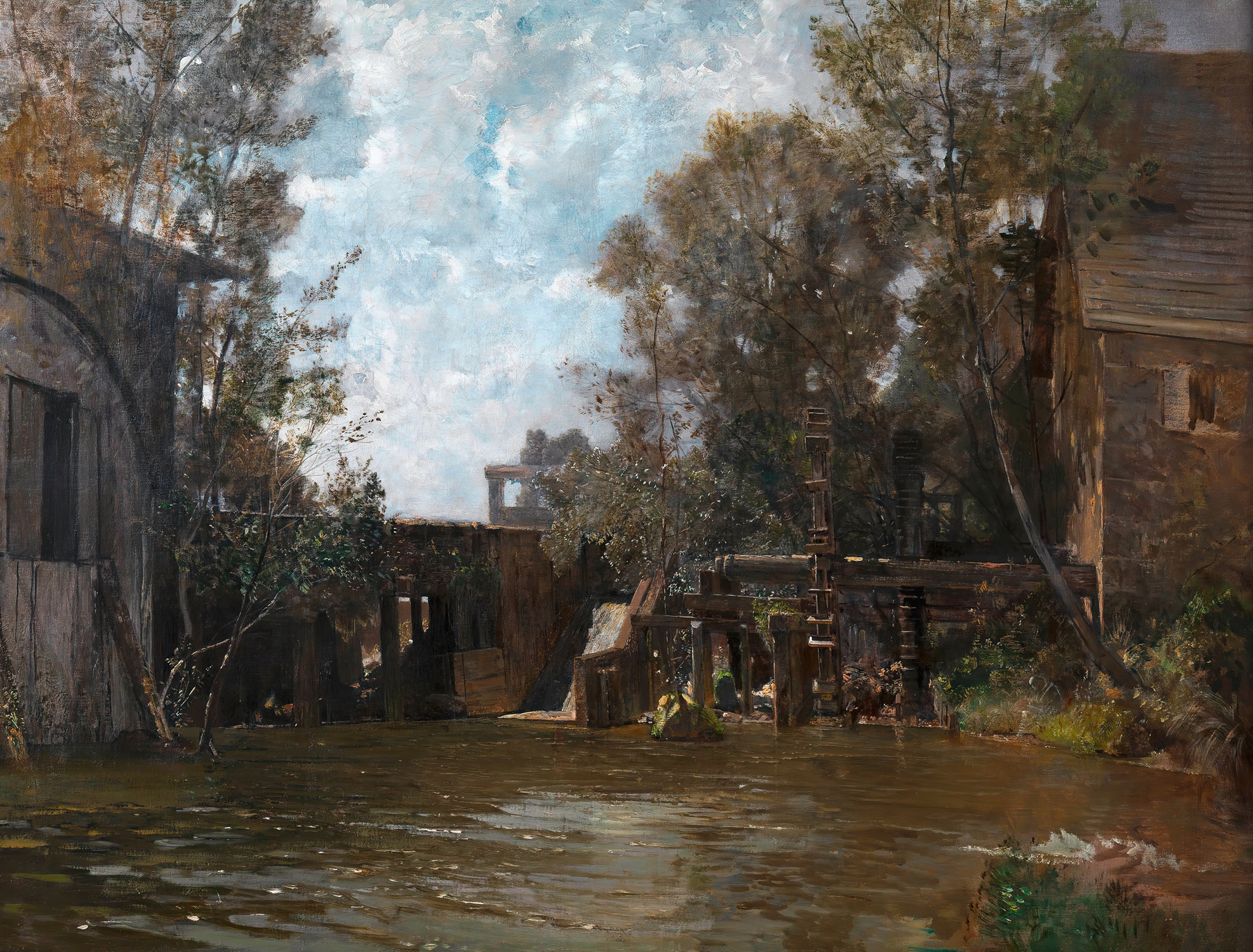
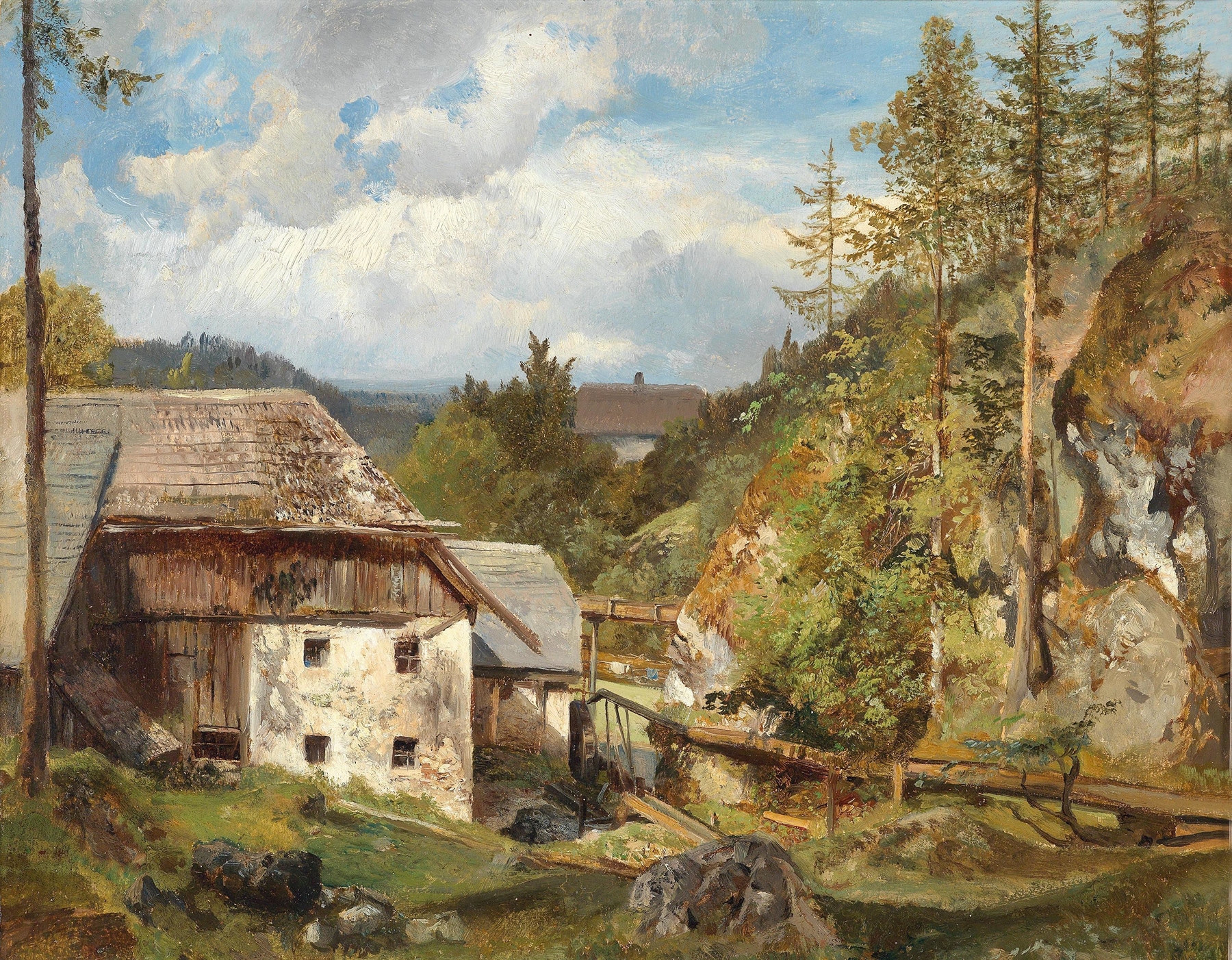
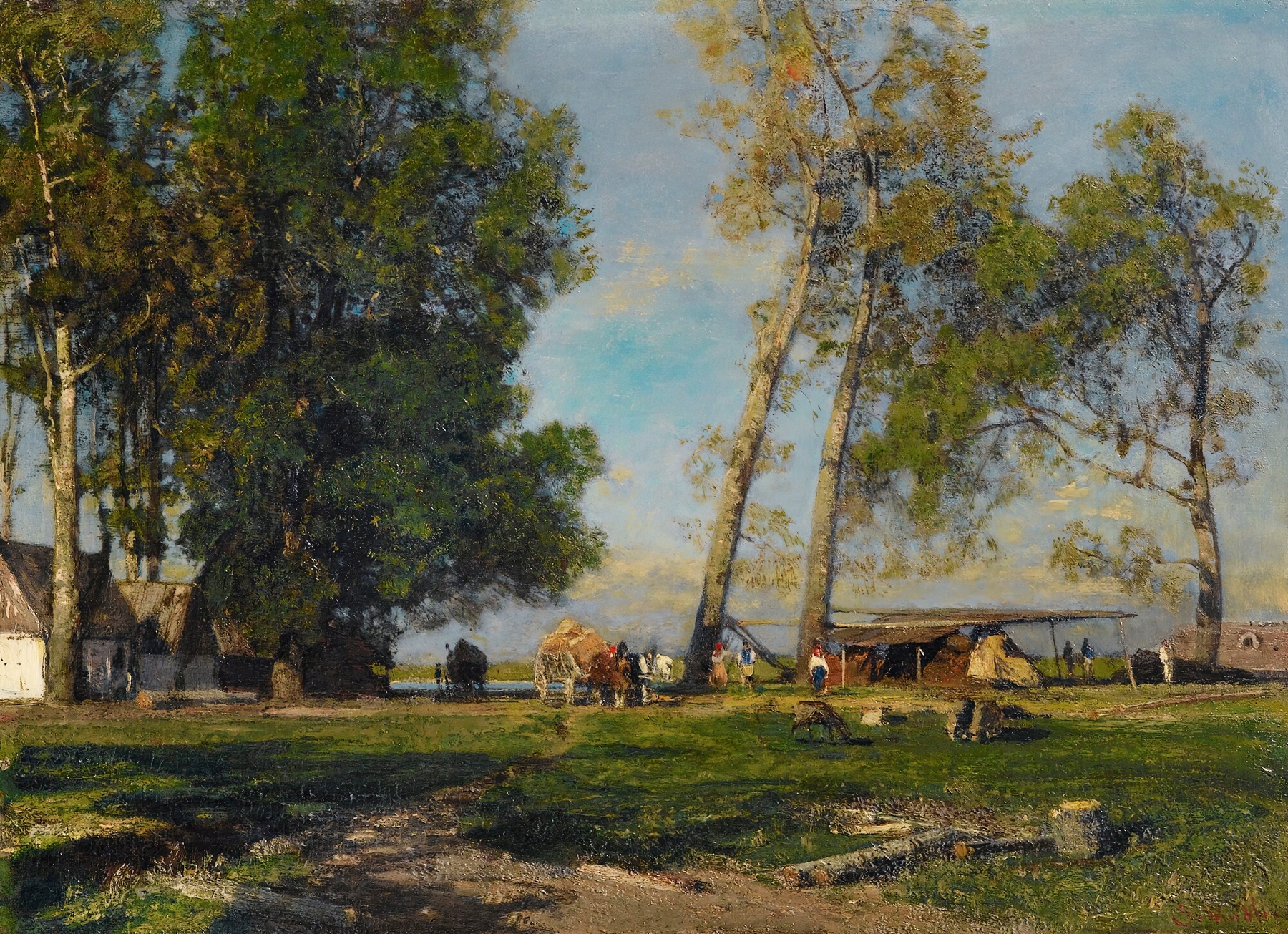
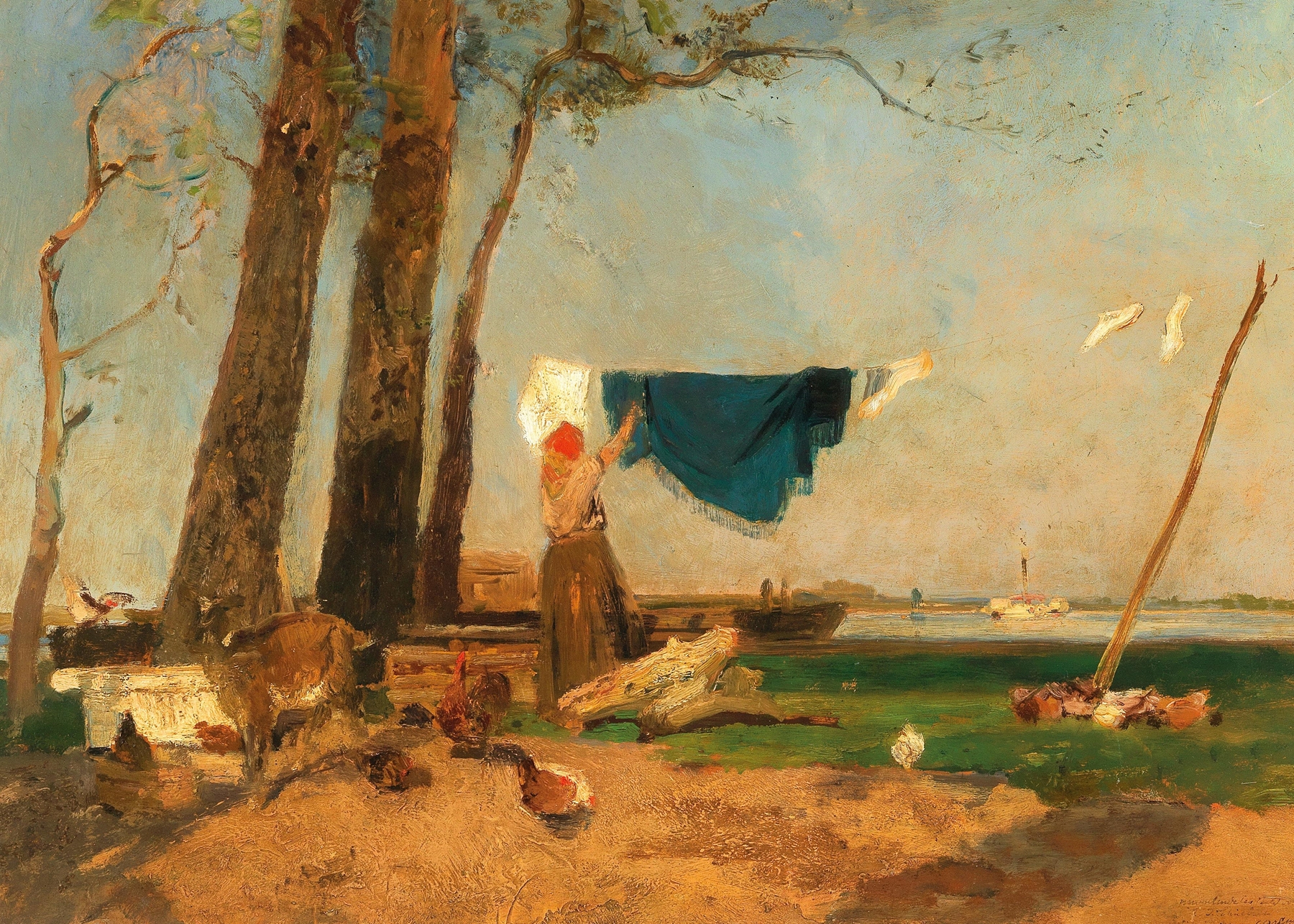
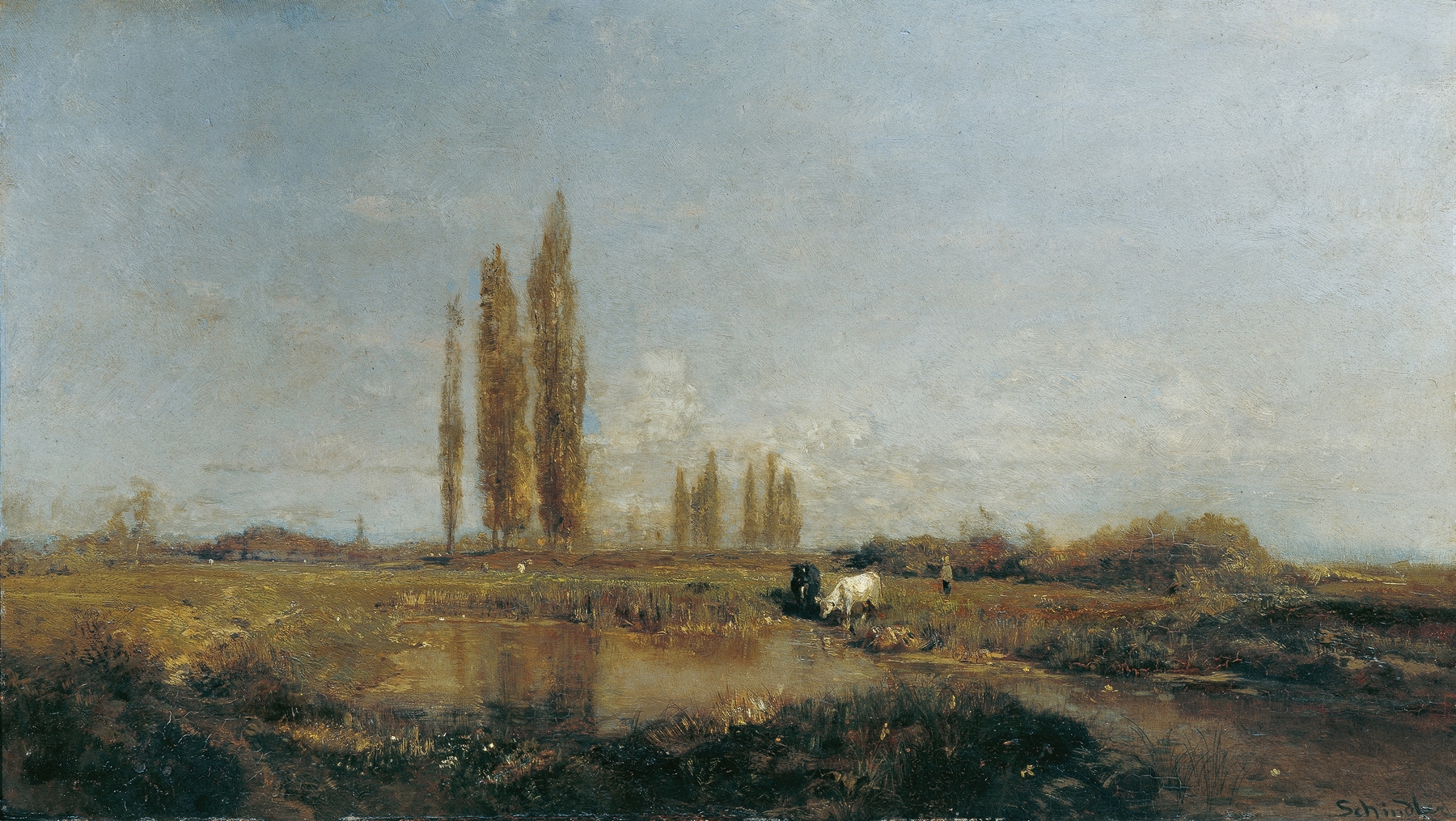
“To paint is to remember what time wants us to forget.” In the quiet embrace of nature, the fleeting essence of life and decay intertwines, whispering the fragility of beauty through the artist's brush. Look closely at the delicate strokes that capture the wild meadows along the Danube; the vivid greens and soft browns evoke an almost palpable sense of vibrancy. Notice how the sunlight dances across the canvas, illuminating the textures of grass and the subtle hints of flowers that seem to sway gently in an unseen breeze. The layered application of paint brings depth to the composition, creating an inviting yet ephemeral landscape.
Beneath the surface charm lies a poignant tension between life and decay, as suggested by the encroaching shadows and hints of withering flora. Each element is a reminder of time's passage, emphasizing the beauty found in transience. The hidden details—the slightly curled petals, the fading sunlight—echo the inevitability of change, urging the viewer to reflect on their own relationship with nature and mortality. Emil Jakob Schindler painted during a time when the Austrian art scene was evolving, in the late 19th century.
His work reflects the burgeoning movement of Realism, focusing on capturing nature with authenticity. As an artist deeply influenced by his surroundings, Schindler was likely responding to the rapid industrialization of Europe, which contrasted starkly with the serene, untouched landscapes he loved. This tension between nature and progress is a defining aspect of his oeuvre, echoing through pieces like this one.