Frühling in Hacking — History & Analysis
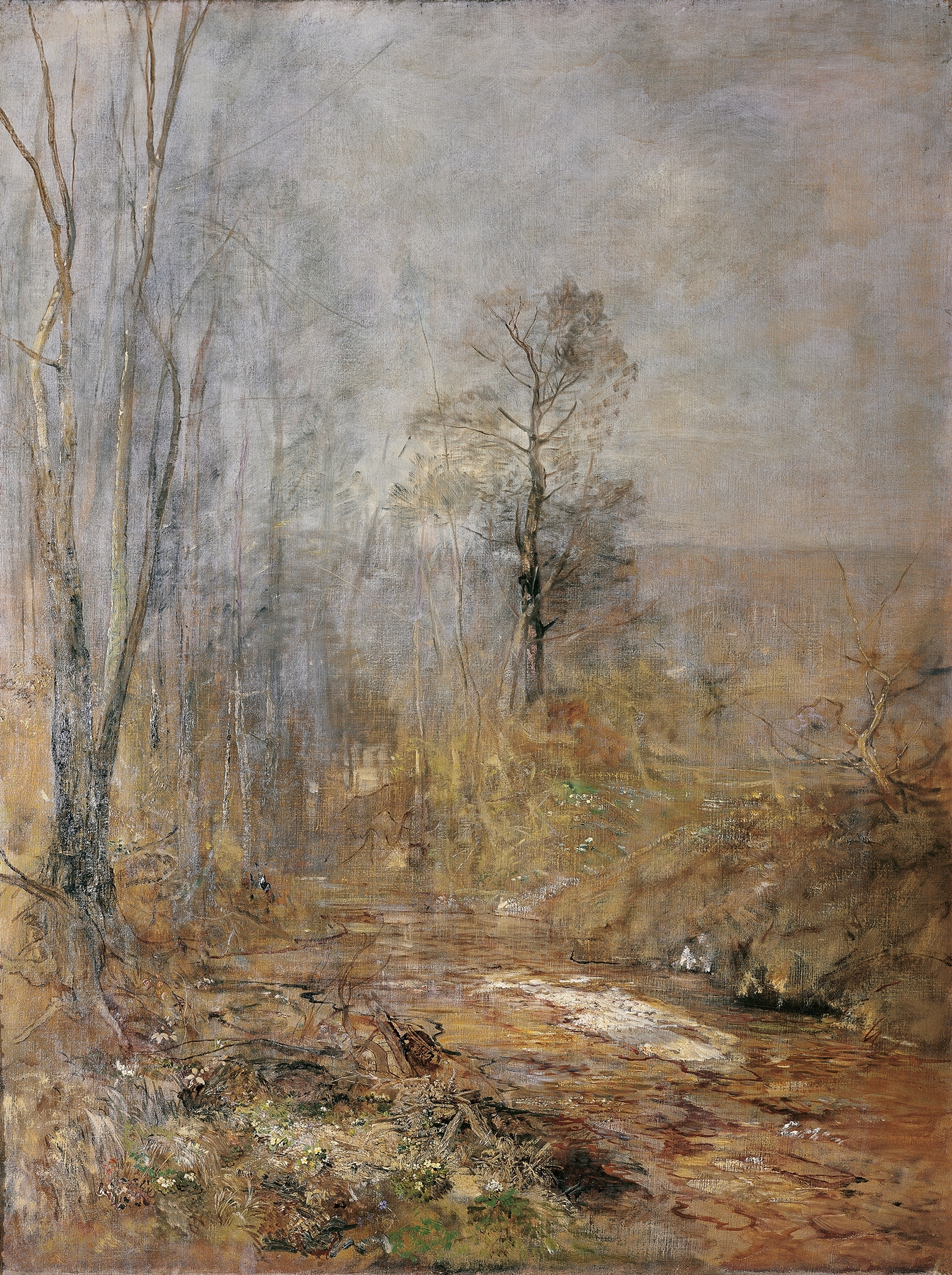
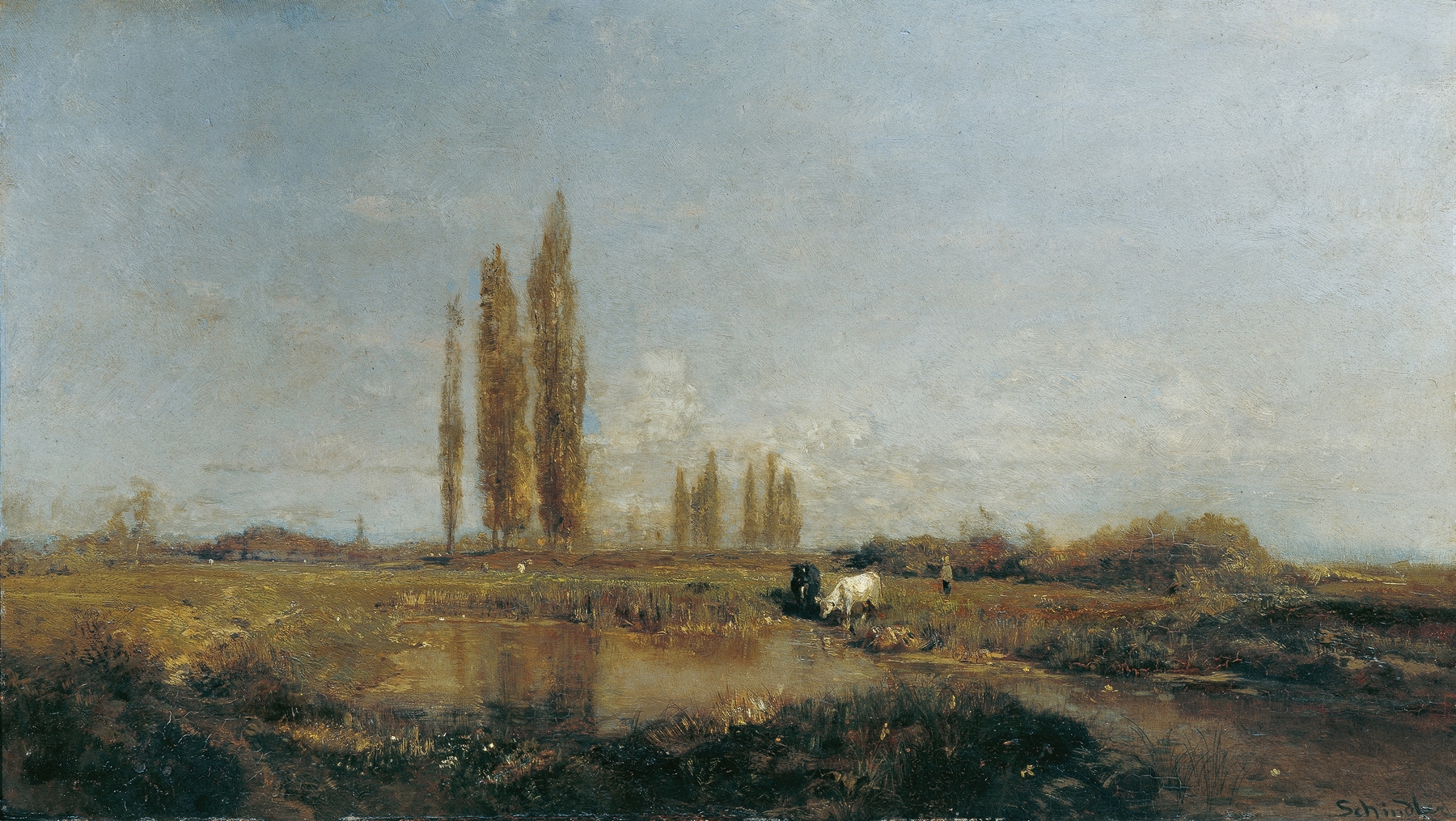
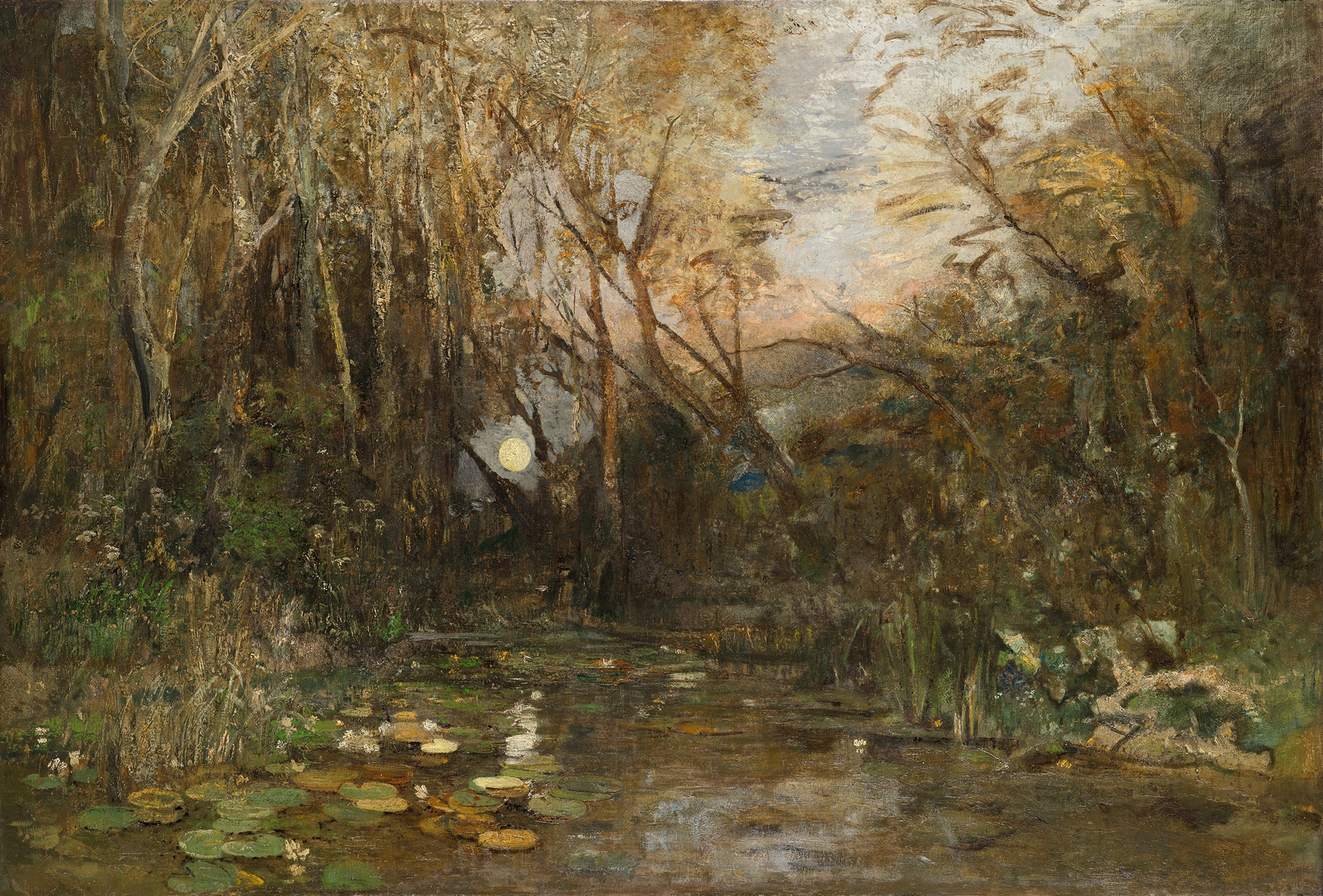
The canvas doesn’t lie — it simply waits. In the quiet yet profound embrace of spring, a sacred connection between nature and humanity unfolds, inviting us to witness the divine in everyday moments. Look to the left at the profusion of blooming flowers, their petals bursting with vivid yellows and soft pinks, drawing your gaze into an ethereal garden. The brushstrokes dance across the surface, each stroke a whisper of life, while the delicate play of light filters through the trees, casting intricate shadows that hint at secrets hidden within.
Notice how the figures in the background, adorned in modest, period attire, are rendered with a sense of intimacy, their gestures sharing a moment of contemplative stillness amidst the vibrant chaos of growth. In this serene composition, the artist captures the tension between the fleeting nature of spring and the seemingly eternal cycle of life. The juxtaposition of the lively flowers against the quiet figures suggests a bridge between the divine and the mundane, inviting viewers to reflect on the sacredness of life’s simple pleasures. The gentle unfolding of the scene hints at a powerful harmony, where every element resonates with an underlying spiritual purpose, urging us to find divinity in our own experiences.
Emil Jakob Schindler created Frühling in Hacking in 1883, during a period when he was deeply influenced by the natural landscapes surrounding Vienna. This was a time marked by a shift towards Impressionism, as artists sought to capture fleeting moments of beauty. While establishing his reputation within this evolving art world, Schindler focused on the connection between humanity and nature, striving to immortalize spring’s rejuvenating spirit on canvas.