Mt. Fuji at Dusk from Edo Bridge — History & Analysis
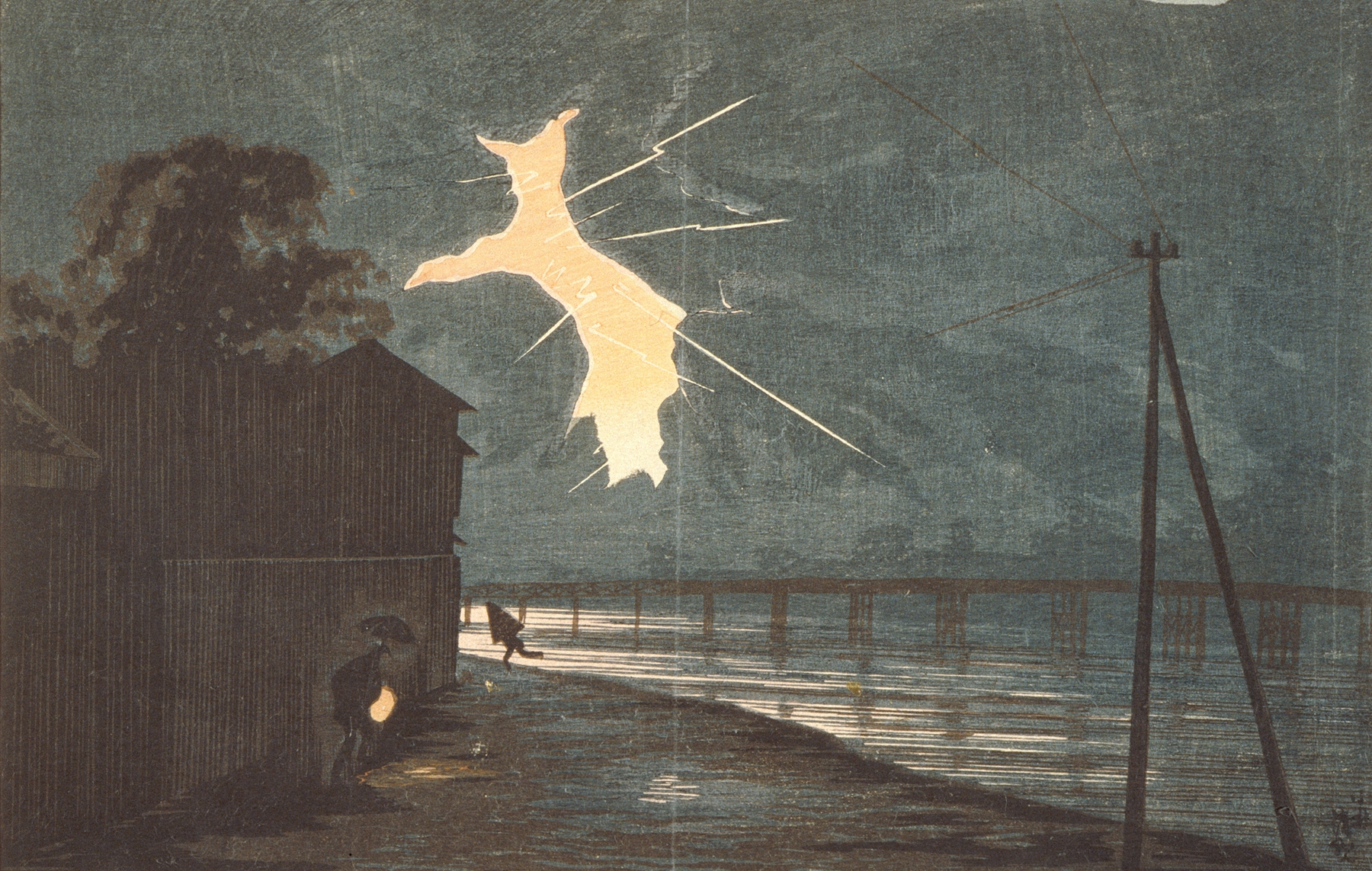
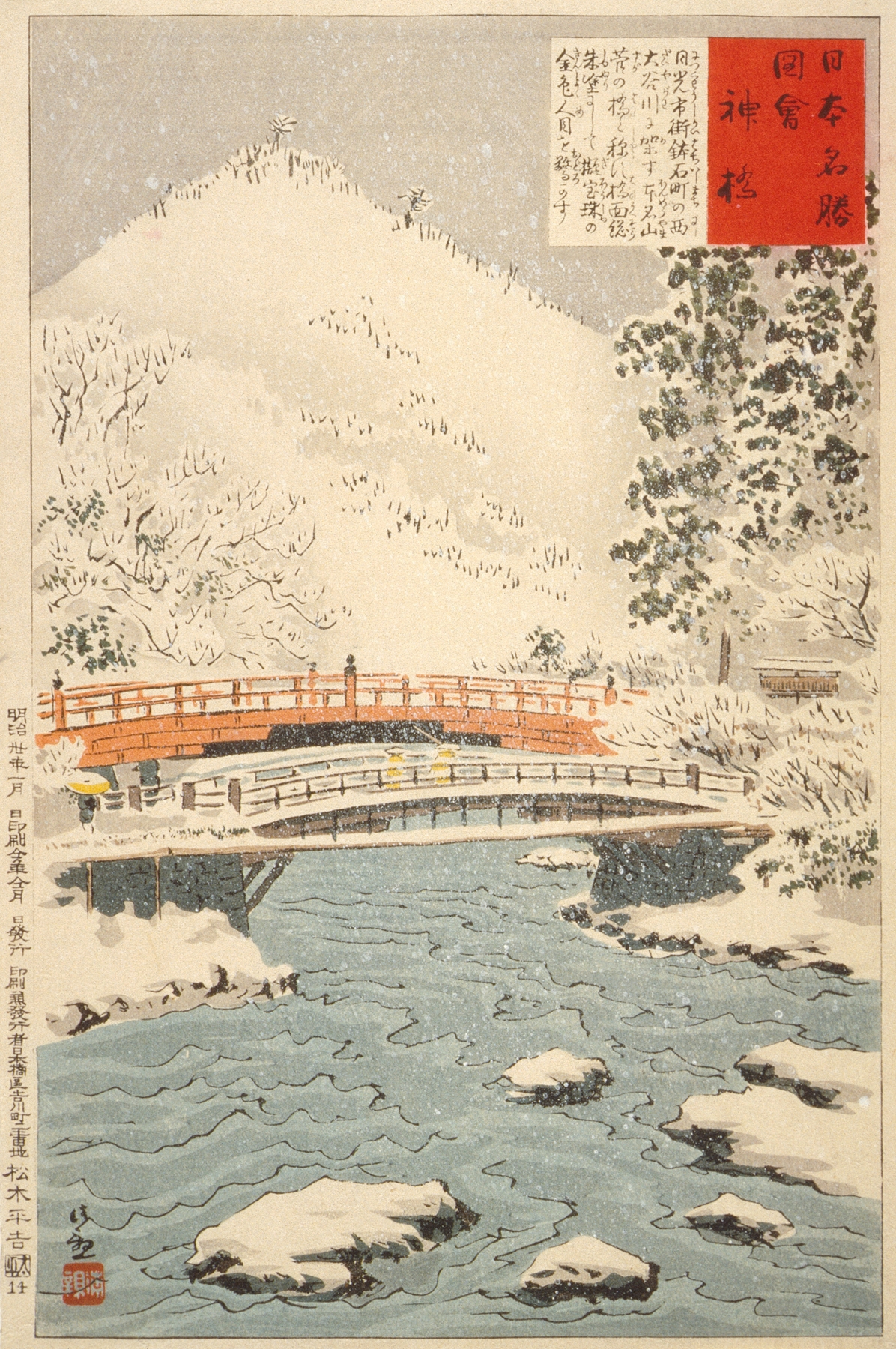
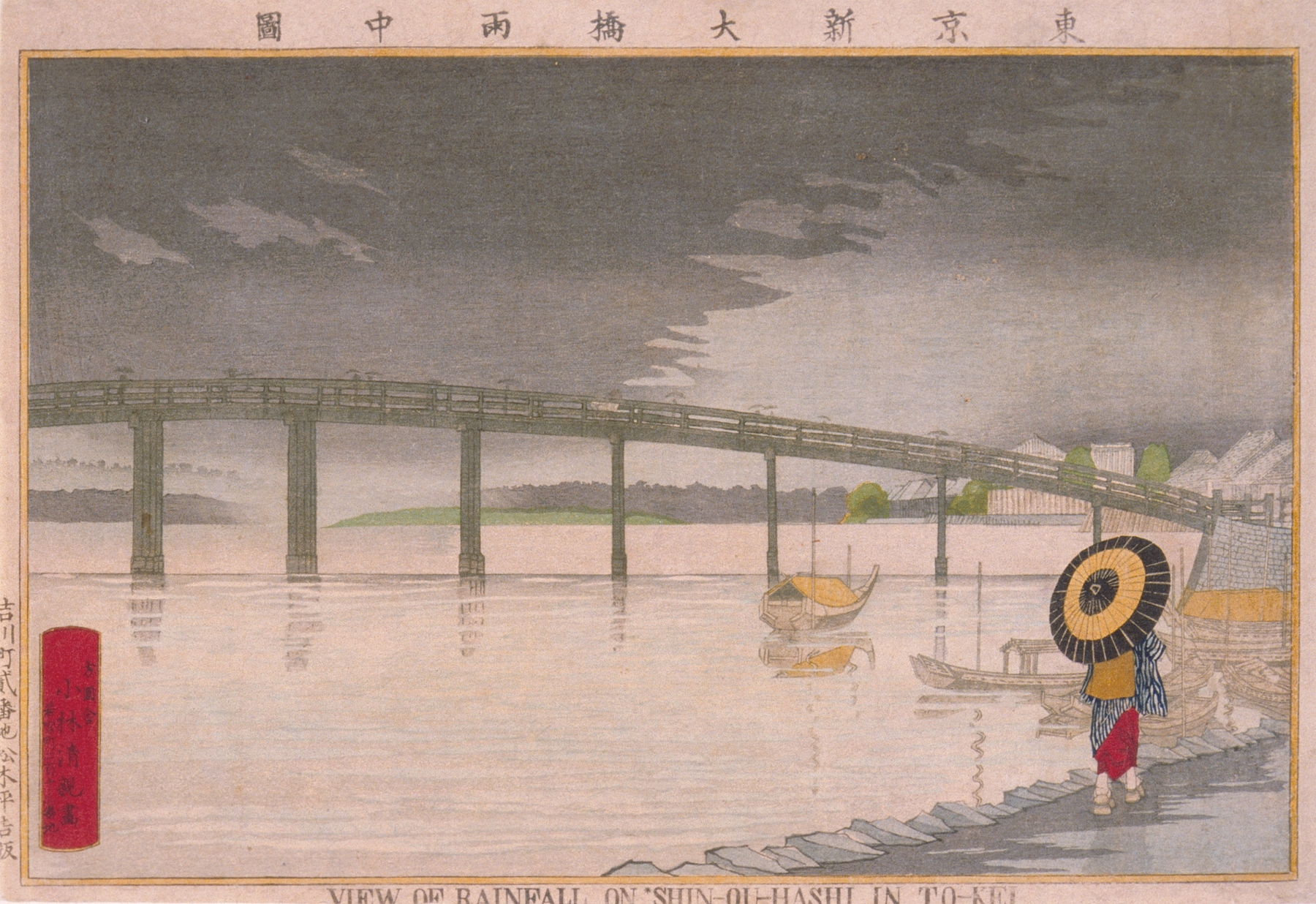
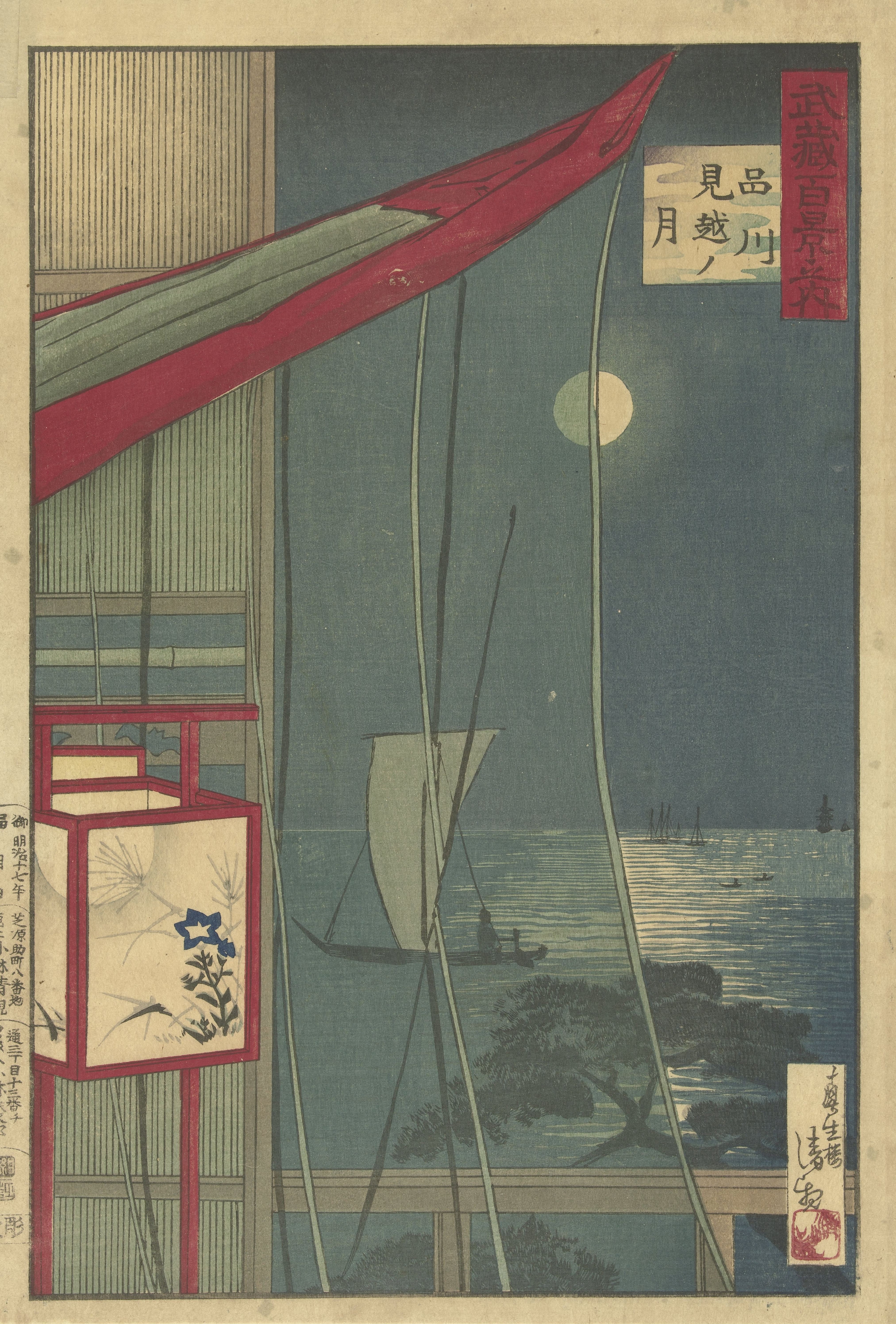
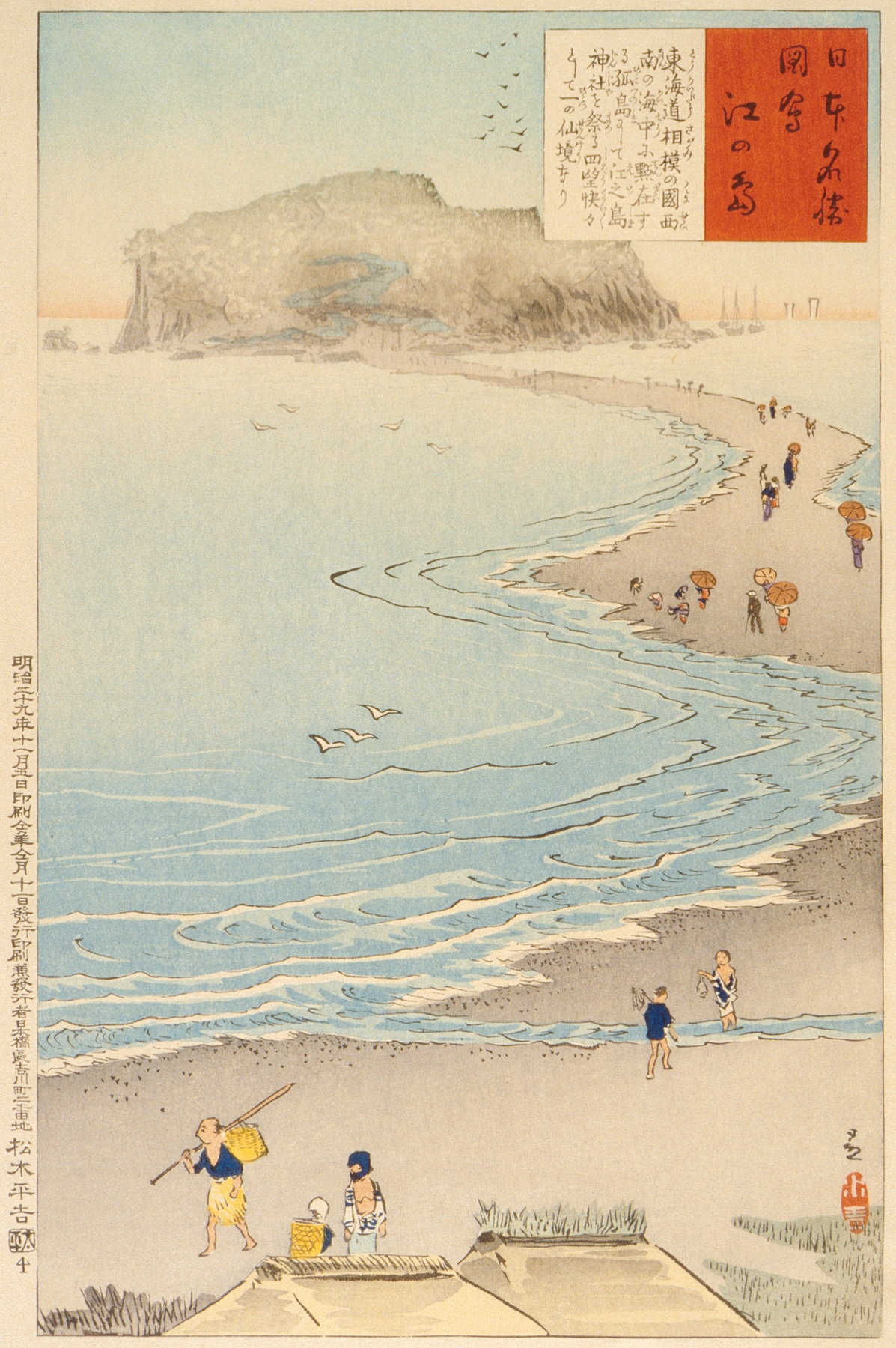
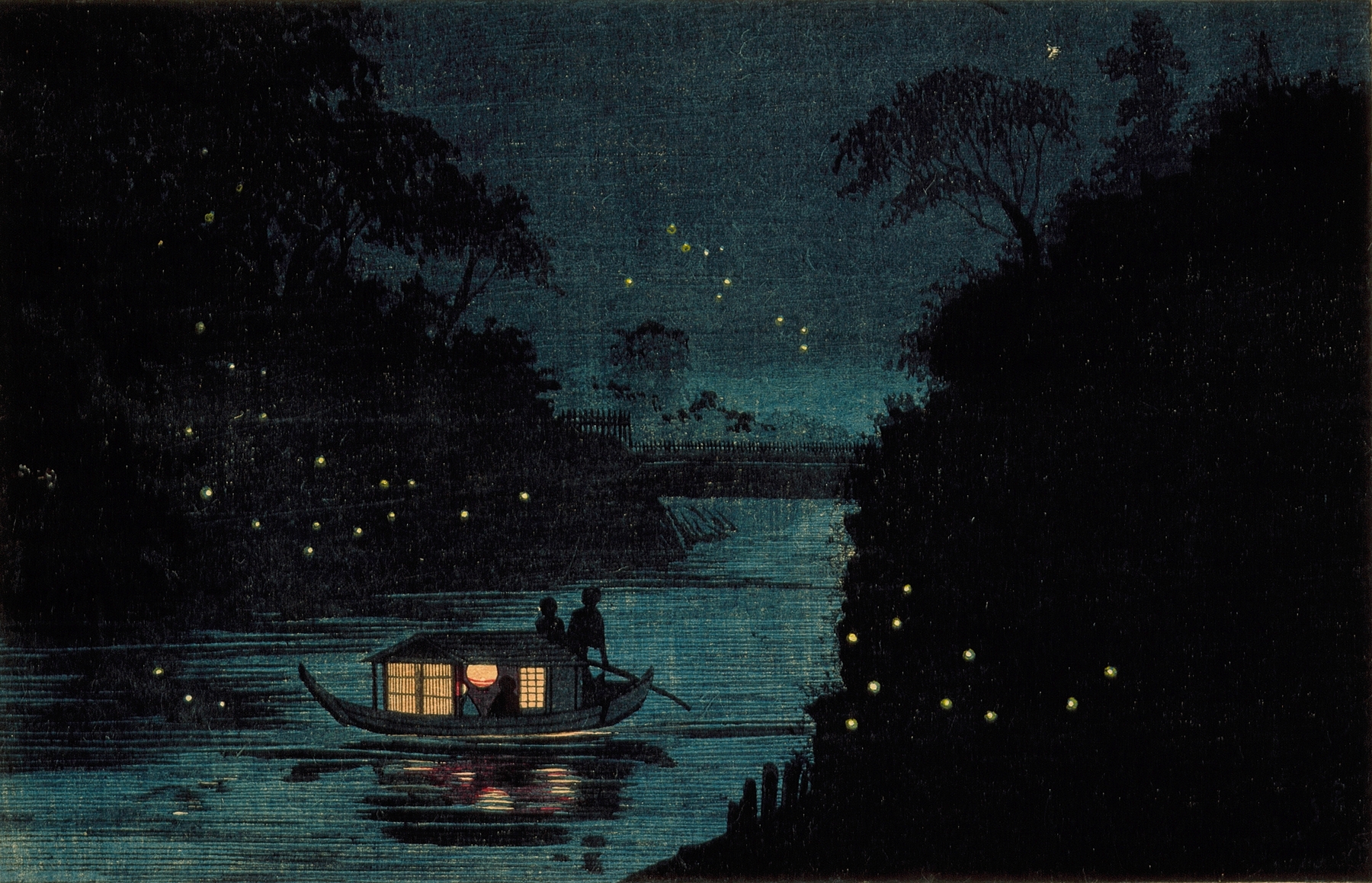
“The canvas doesn’t lie — it simply waits.” In the stillness of twilight, a divine presence seems to linger over the landscape, inviting the viewer to ponder both the ephemeral and the eternal. Look to the left, where the deep indigo sky transitions seamlessly into shades of violet and rose. The silhouette of Mt. Fuji rises majestically against this backdrop, its snowy peak catching the last glow of the sun.
Observe how the delicate brushwork captures the serene reflection of the mountain along the tranquil waters below, where the ripples echo the colors of the sky, creating a harmonious dialogue between earth and heaven. The meticulous detail of the bridge in the foreground draws the eye inwards, where figures momentarily pause, their forms becoming mere whispers against the vastness of nature. Within this serene tableau lies an intricate interplay of light and shadow, evoking both peace and mystery. The contrast between the vibrant colors of the sky and the subdued hues of the bridge hints at the passage of time, while the distant figures symbolize humanity's humble existence in the shadow of nature's grandeur.
There’s a spiritual resonance that suggests a moment of contemplation, inviting viewers to reflect on their connection to the divine and the world around them. Kobayashi Kiyochika painted this iconic work in 1879 during the Meiji era, a time marked by rapid modernization and cultural change in Japan. Emerging as a master of ukiyo-e, Kiyochika sought to blend traditional techniques with contemporary subjects, capturing the essence of his shifting society while retaining a deep reverence for nature. This piece reflects not only his mastery of color and composition but also his philosophical inquiry into the relationship between humankind and the divine.