Paysage de Bretagne — History & Analysis
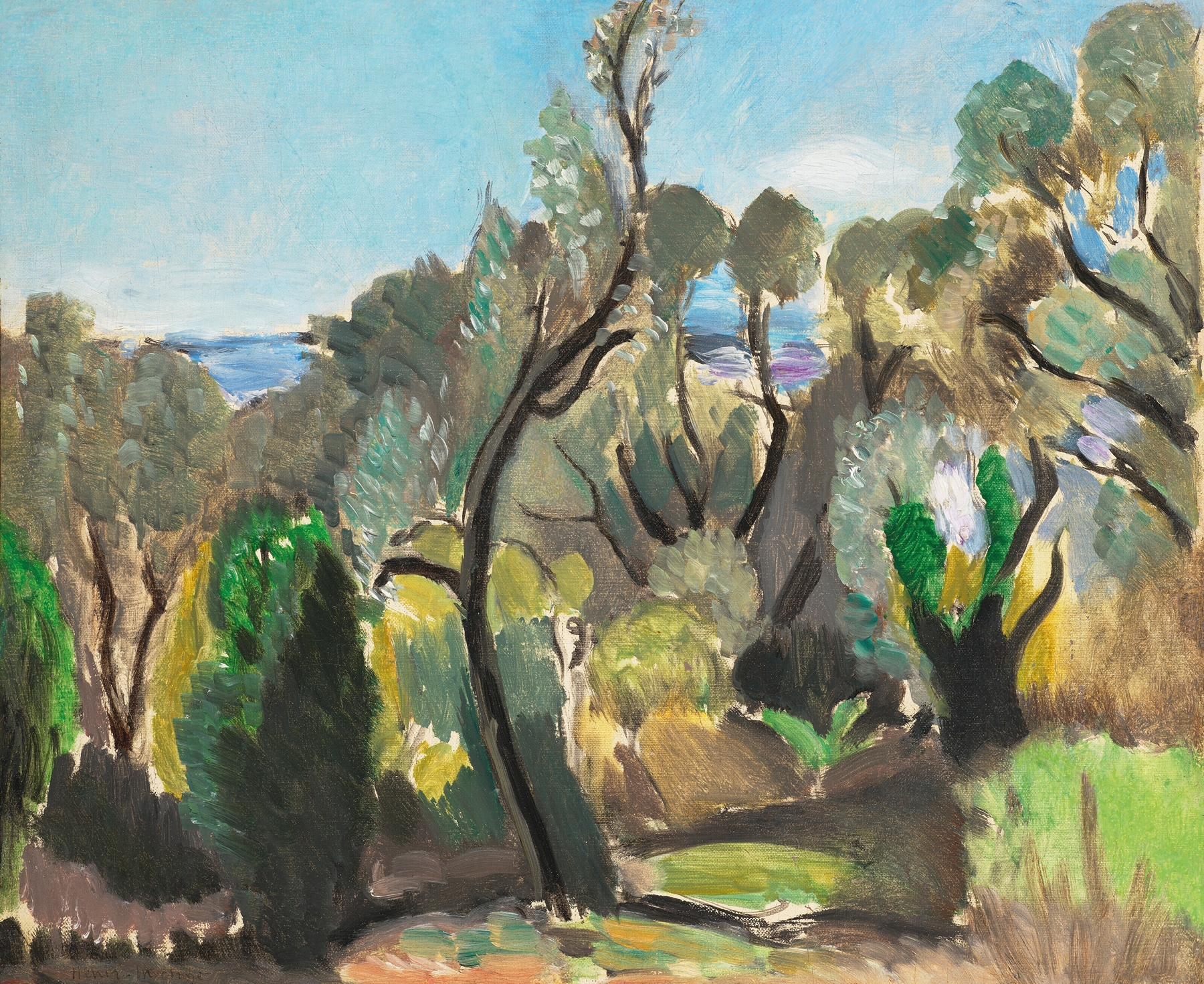
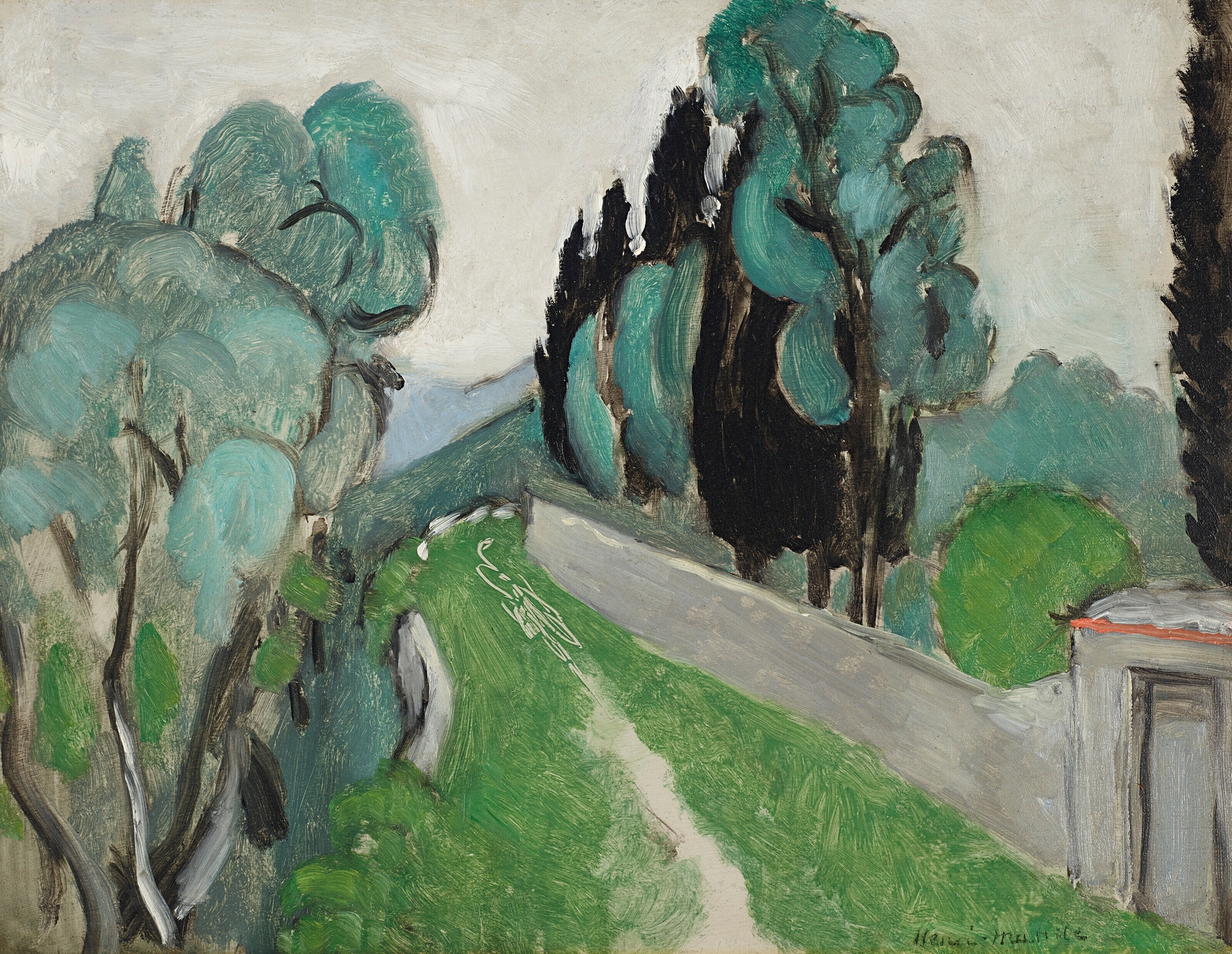
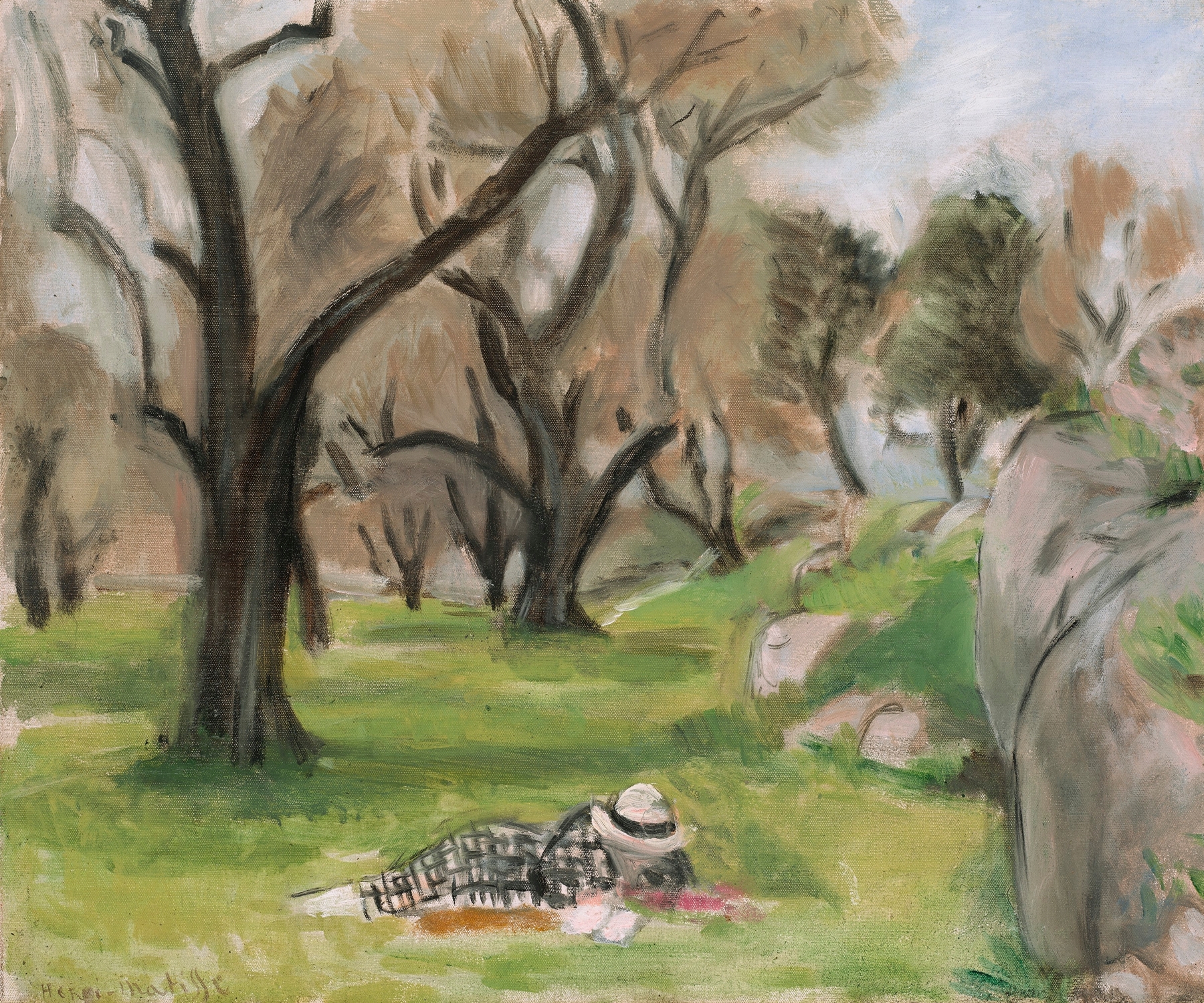
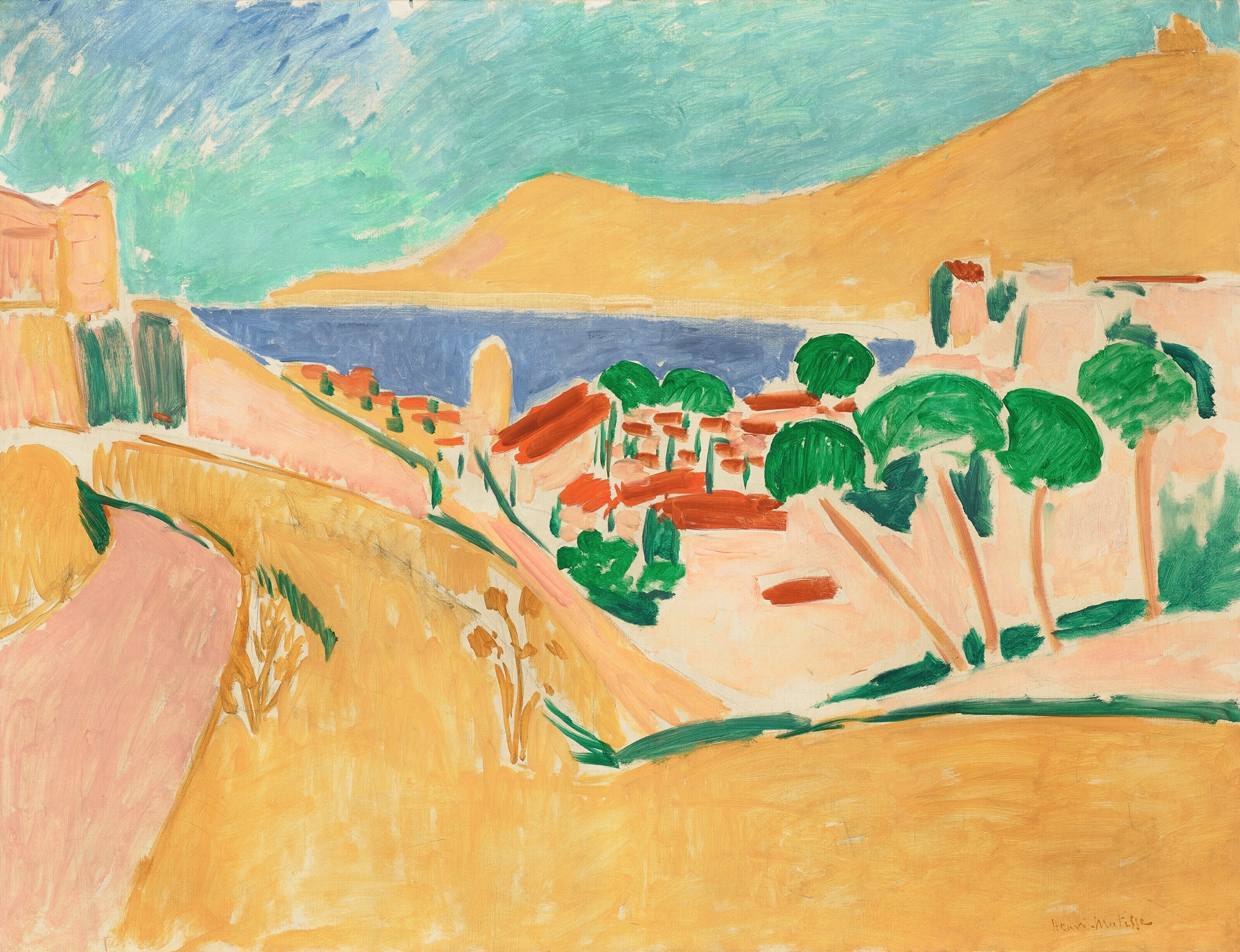
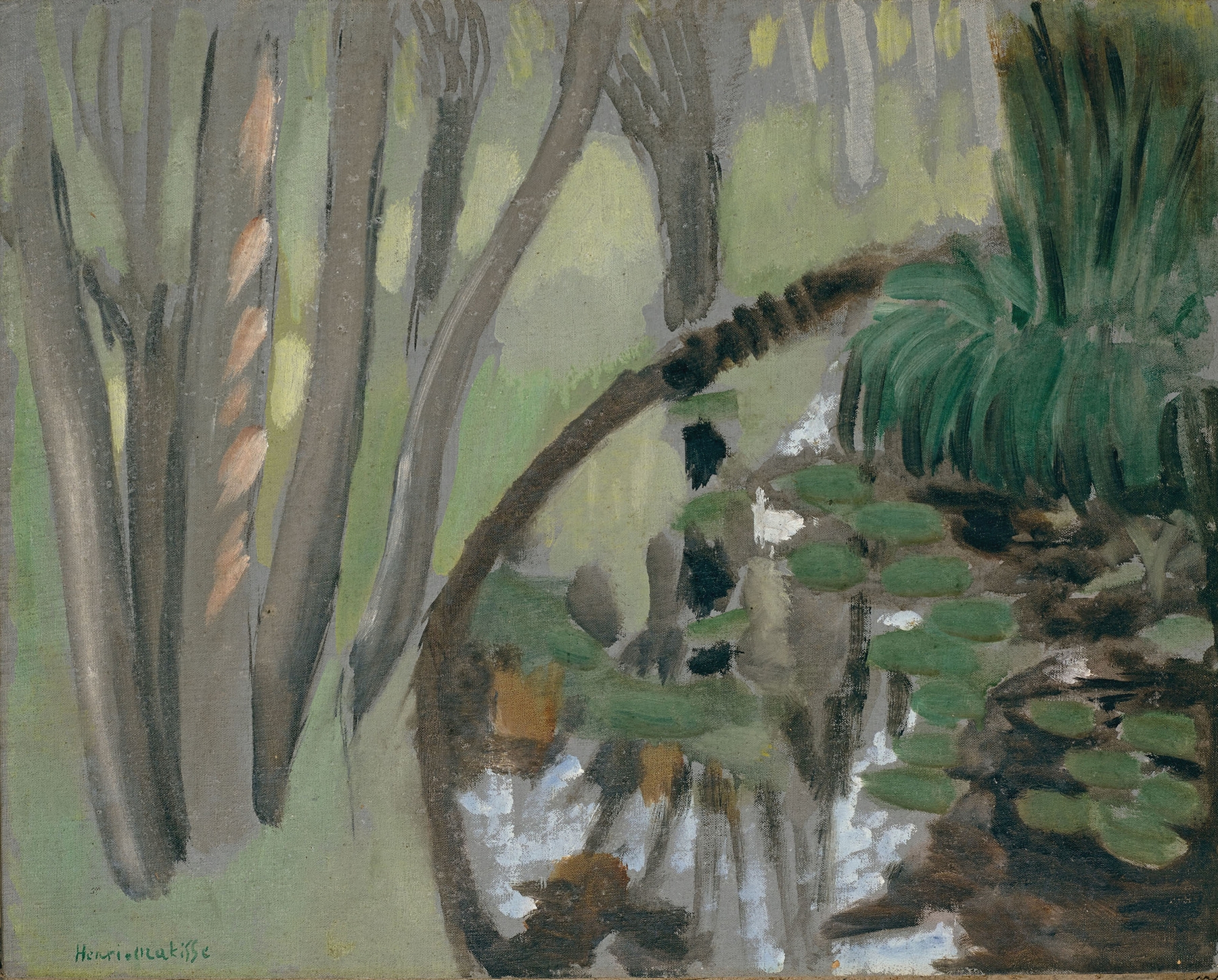
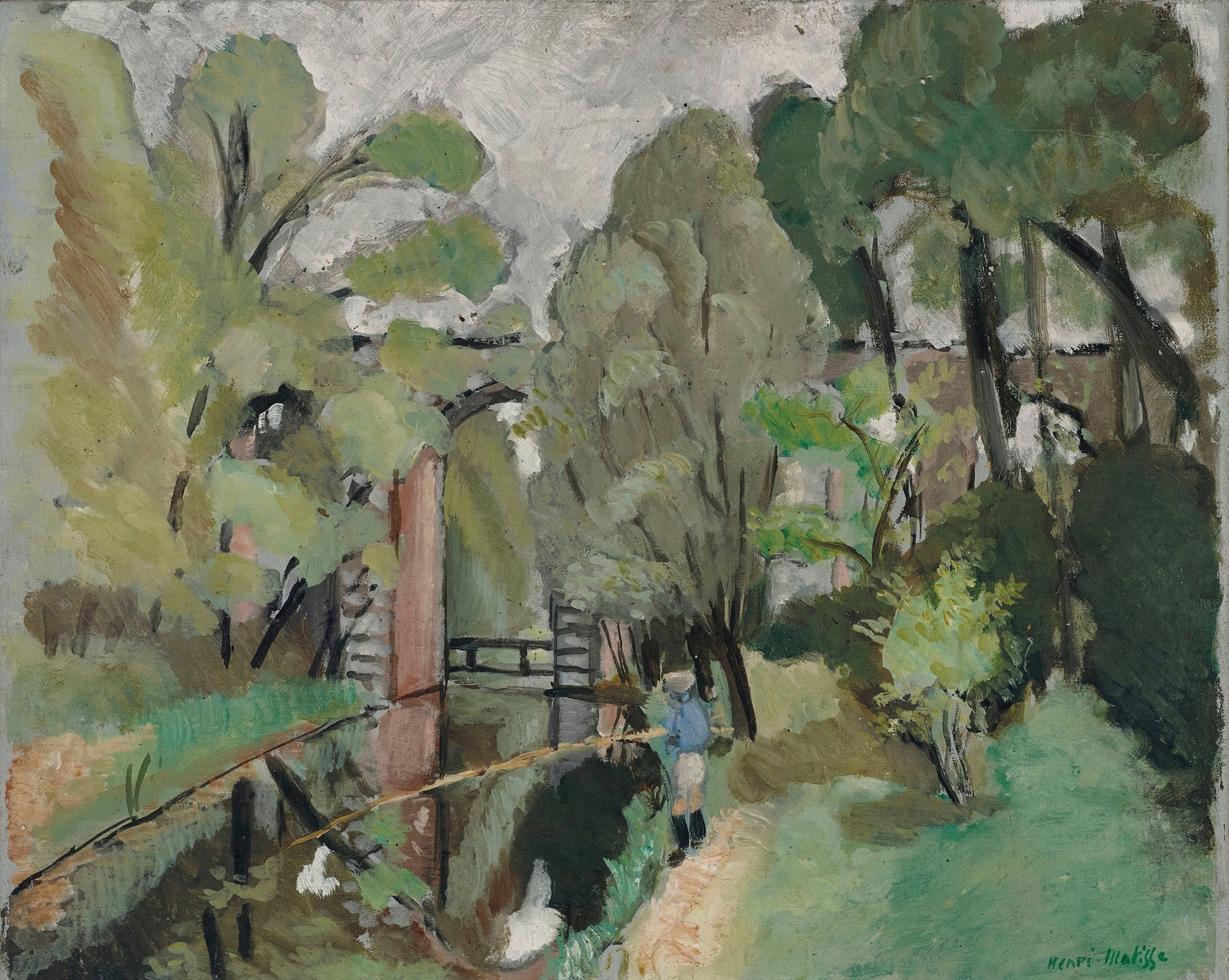
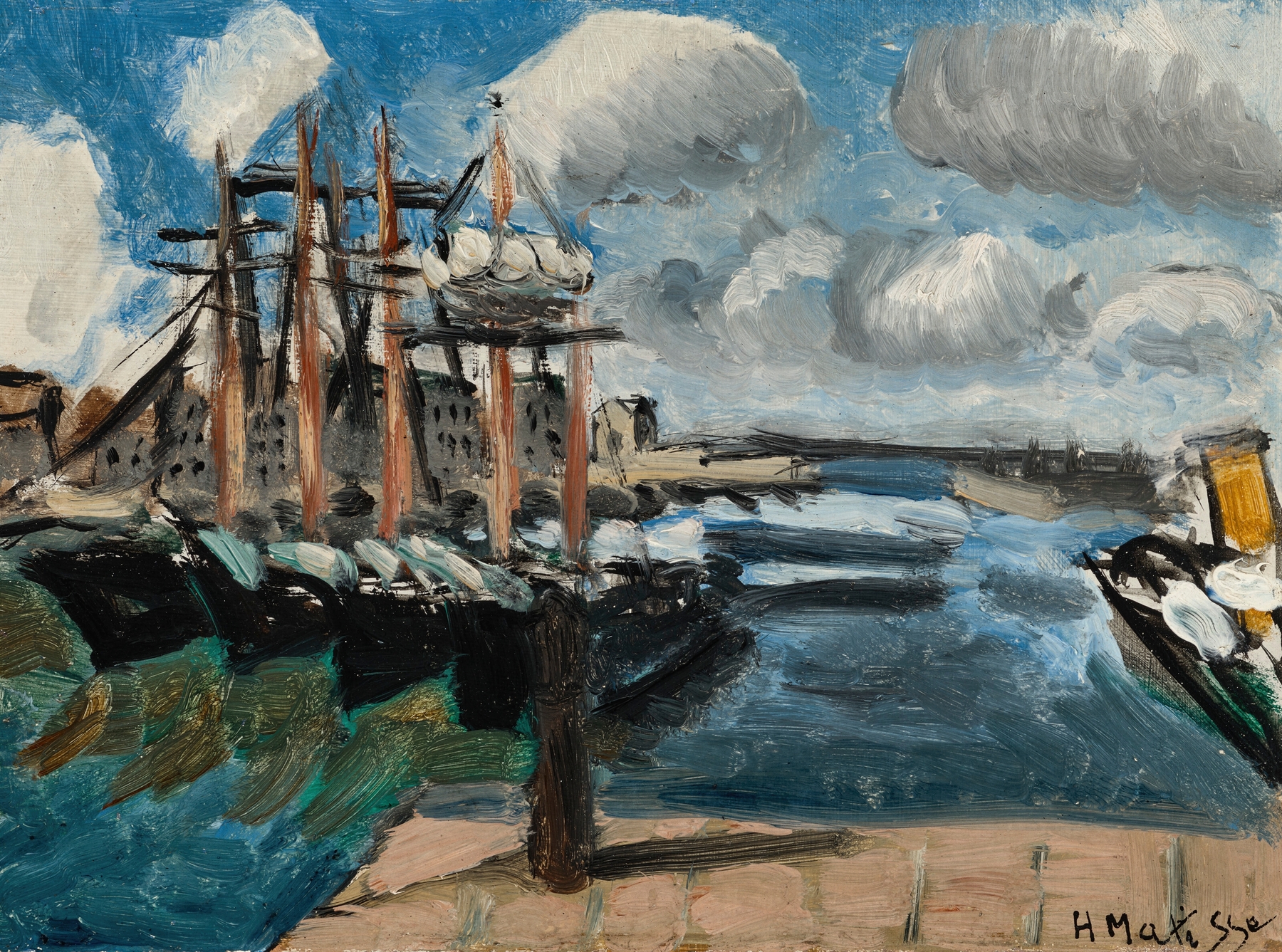
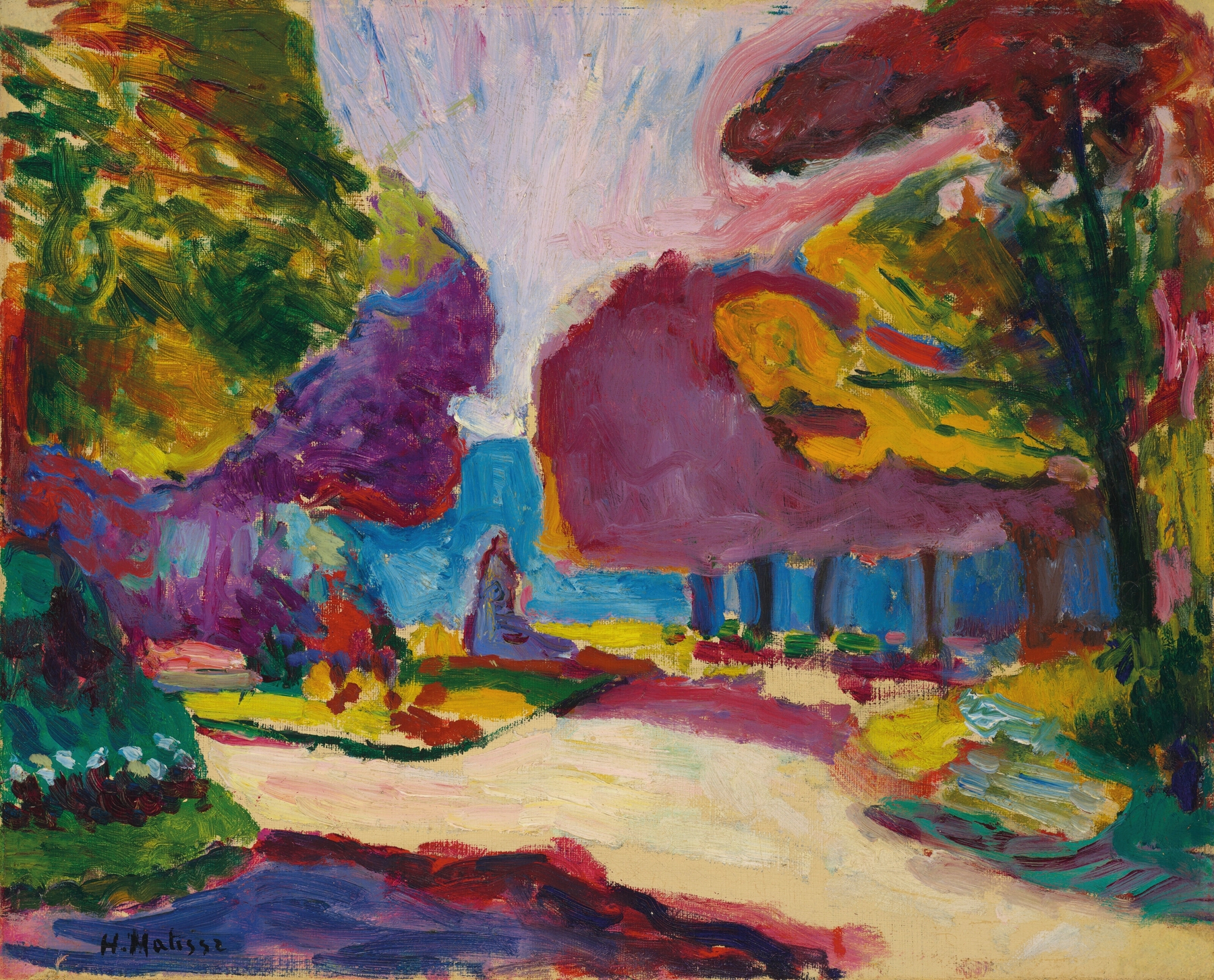
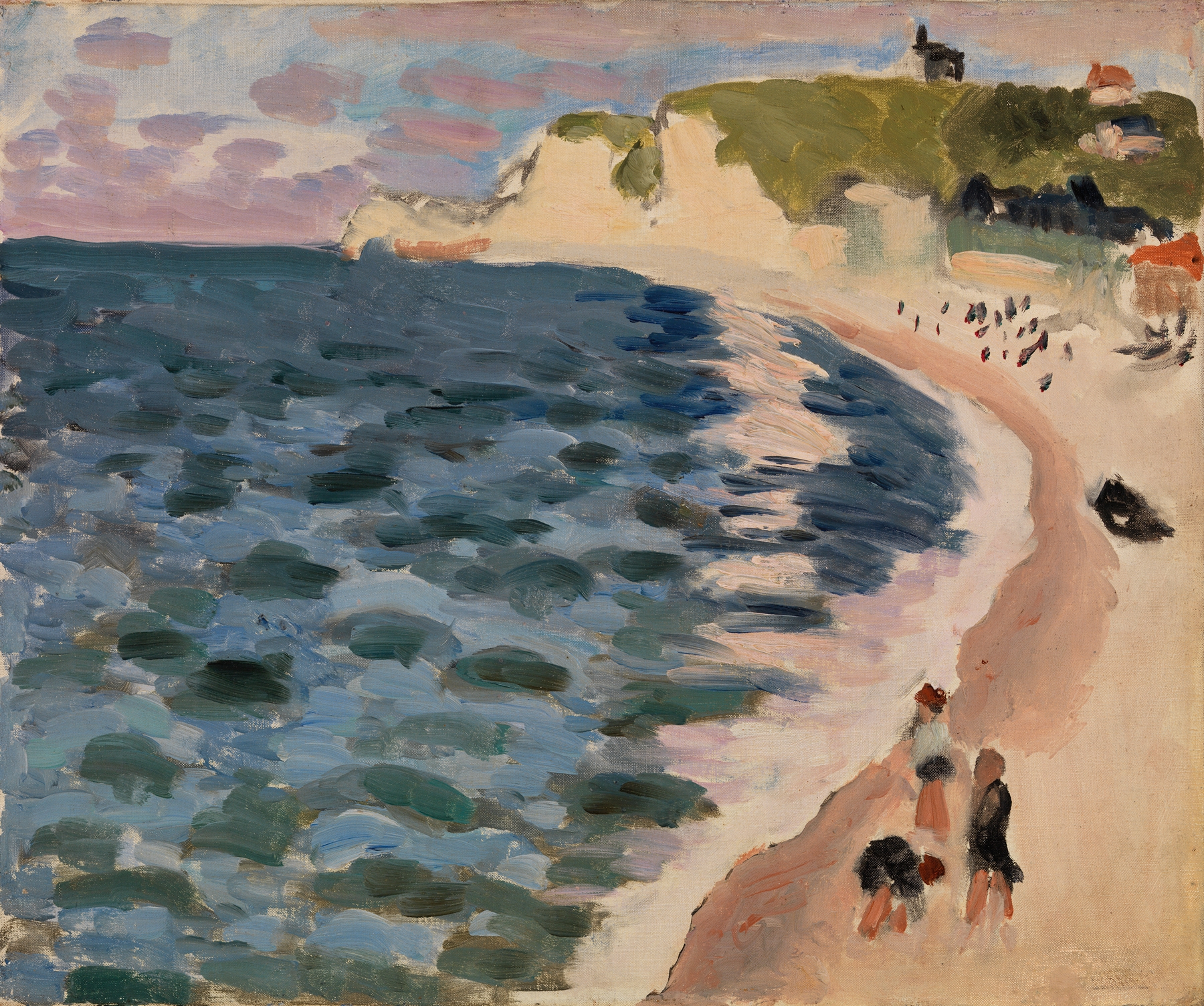
Can beauty exist without sorrow? In Paysage de Bretagne, the essence of fragility permeates through the vivid colors and bold brushstrokes, inviting us to ponder the delicate balance between joy and melancholy. Look to the lower left, where soft greens and blues intertwine, creating a peaceful meadow that beckons for exploration. Notice how the sky, a symphony of arid yellows and deep cerulean, spills warmth over the landscape, drawing your gaze upward.
Matisse’s use of sweeping curves in the hills contrasts sharply with the jagged coastline on the right, embodying the tumultuous relationship between nature’s beauty and its ever-present threat. This painting encapsulates not just the scenery but also the emotional landscape of its time. The juxtaposition of the serene land and the tumultuous sea evokes an awareness of nature’s duality — its capacity for creation and destruction. The fragile beauty of Brittany is mirrored in the strokes, suggesting that every vibrant moment is fleeting, shadowed by the inevitability of change and loss.
In 1897, Matisse was in a period of experimentation with color and form while living in France. This was a time of artistic transformation, as many sought to break free from traditional boundaries. The artist was also influenced by the Impressionists, yet he began forging his own path towards Fauvism, laying the groundwork for future exploration in modern art. The creation of Paysage de Bretagne reflects not only his personal journey but also the broader shifts in the art world, where emotion began to take precedence over mere representation.