Ruines de l’Hôtel de Ville en 1871 — History & Analysis
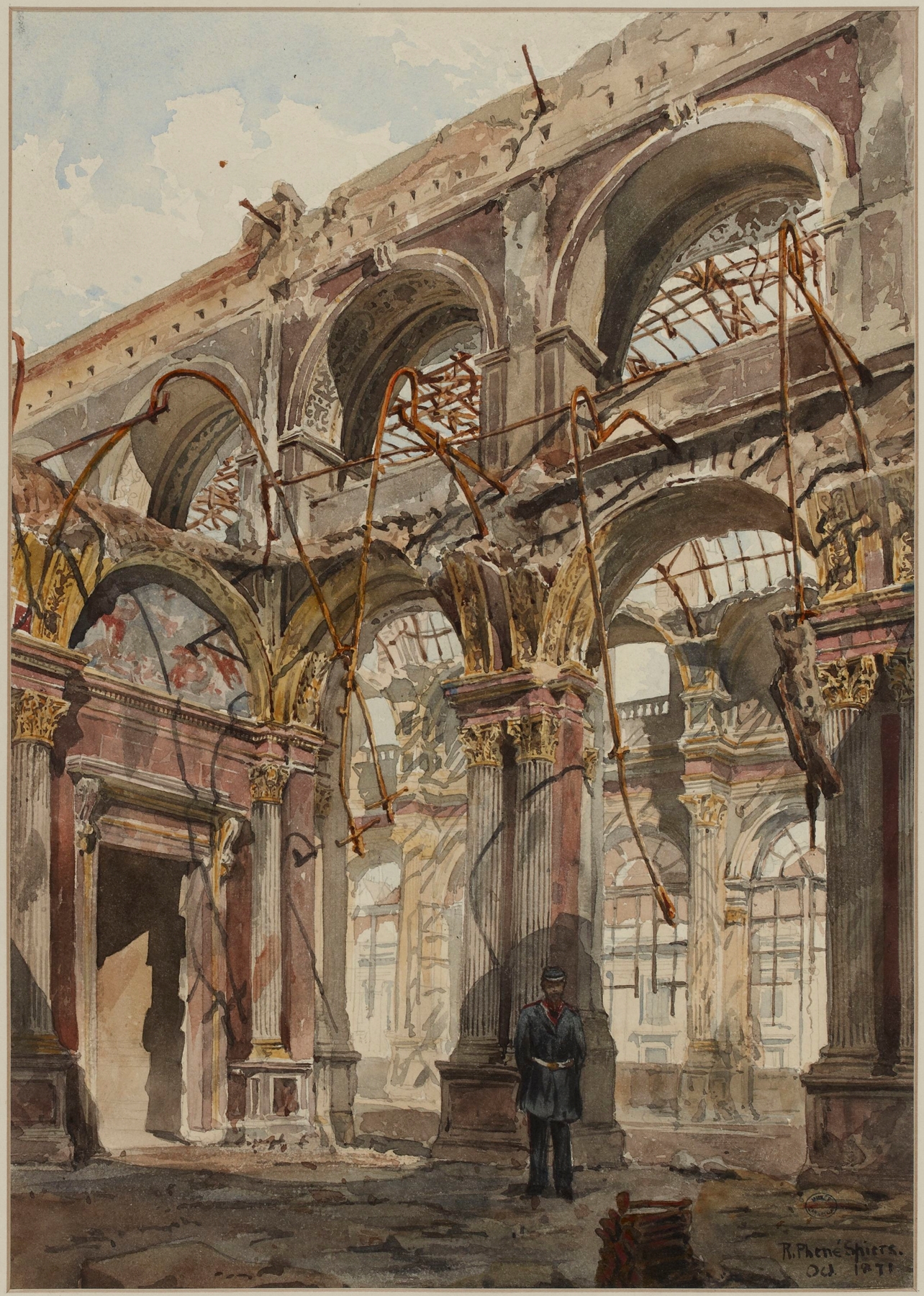
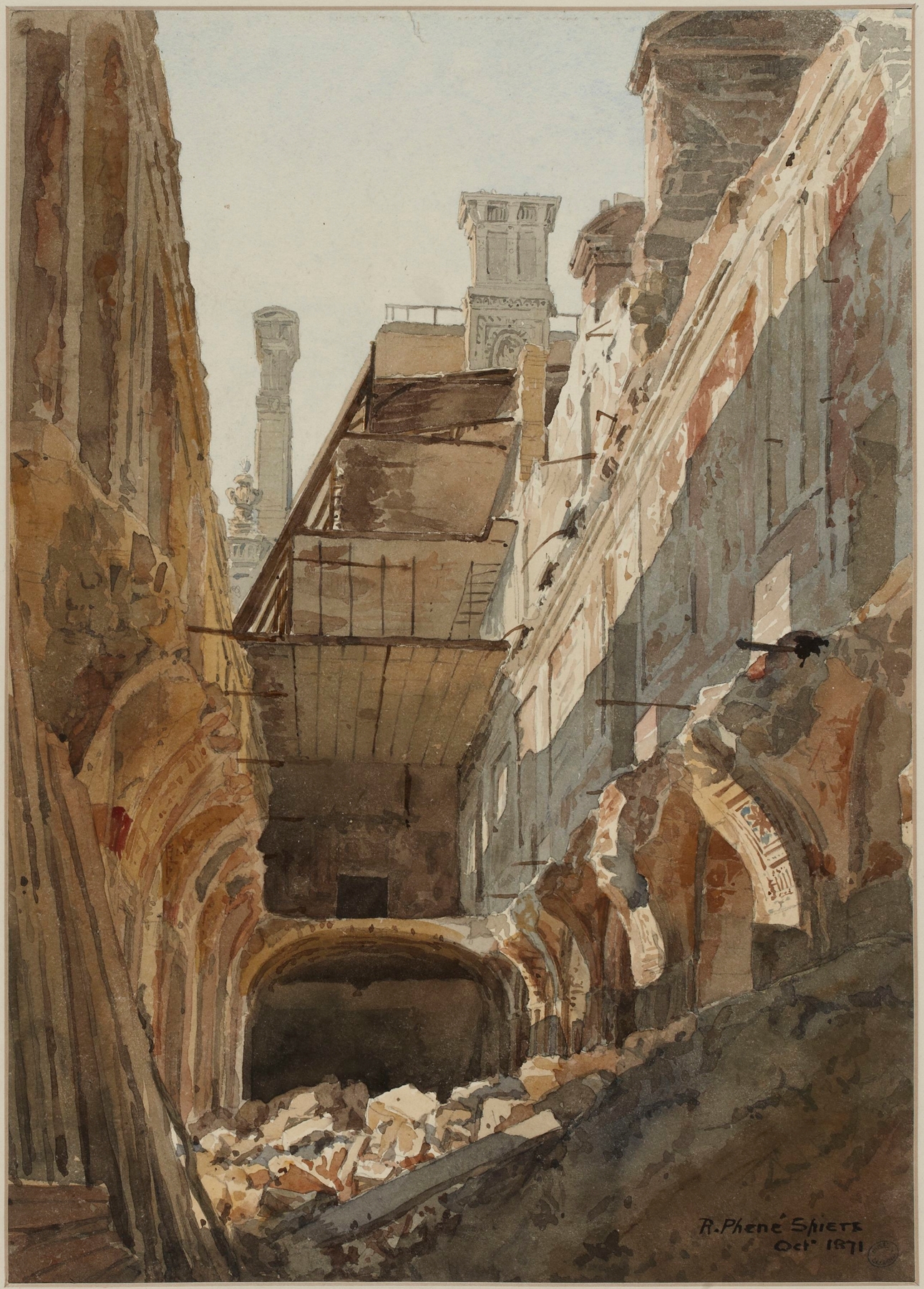
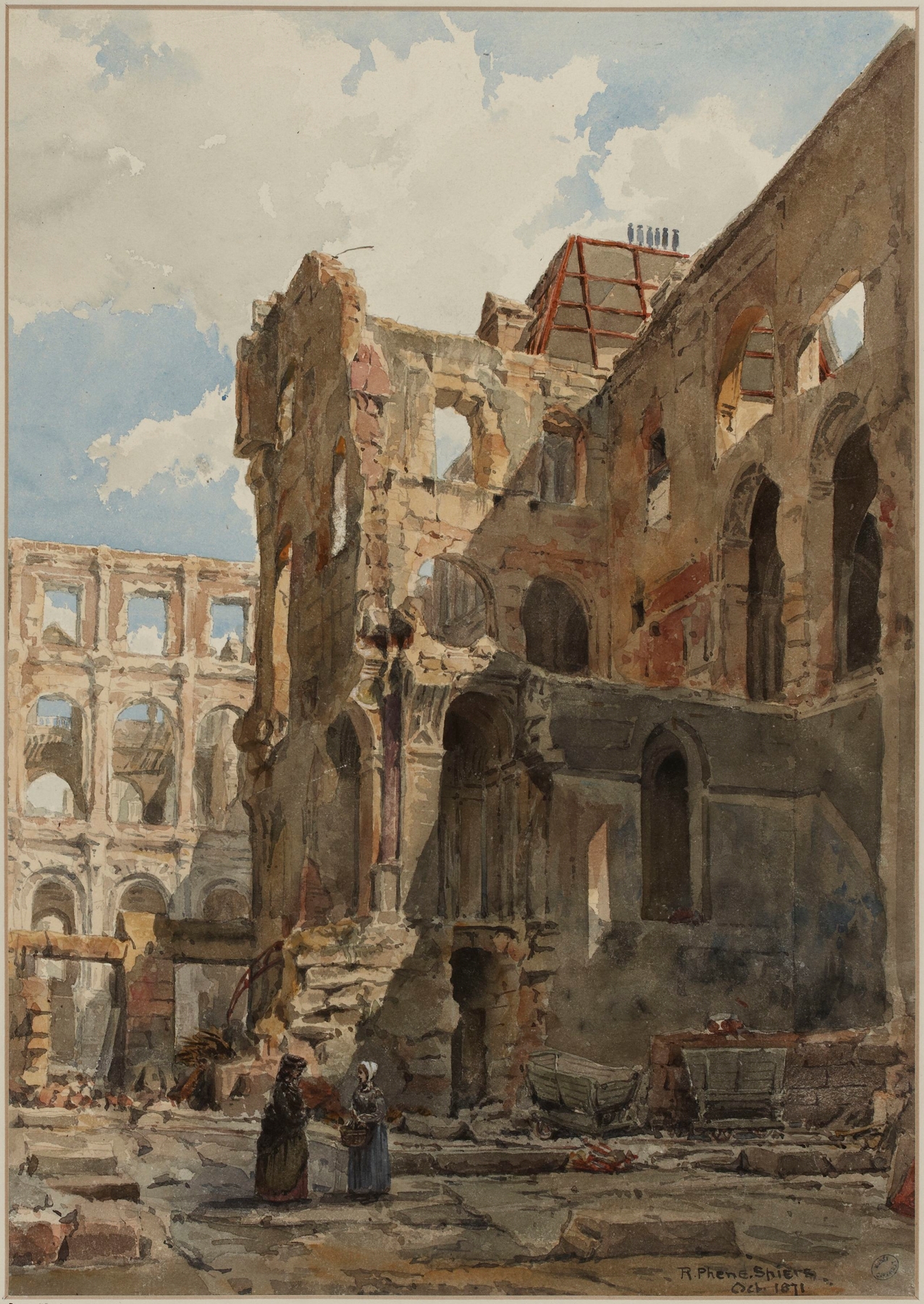
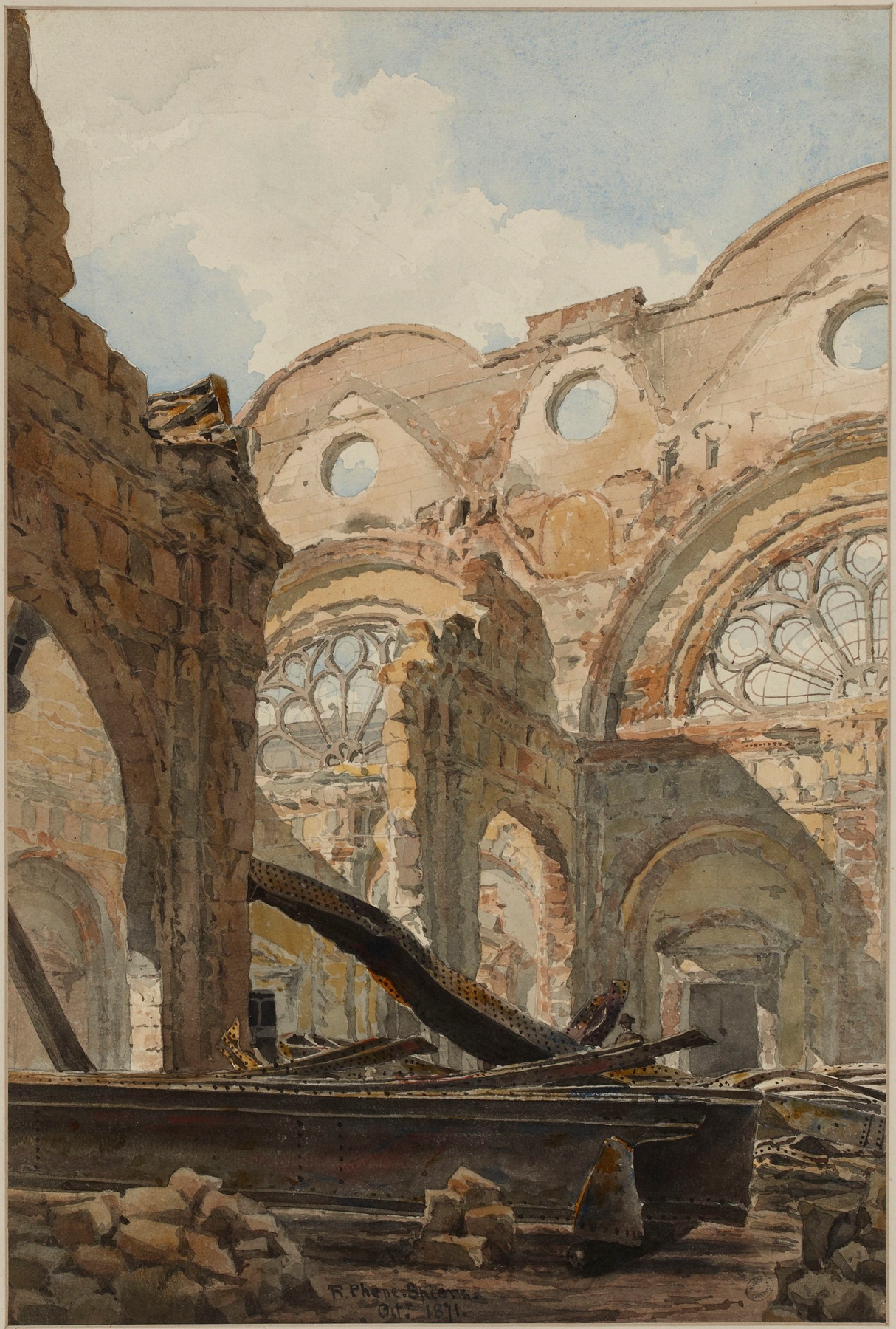
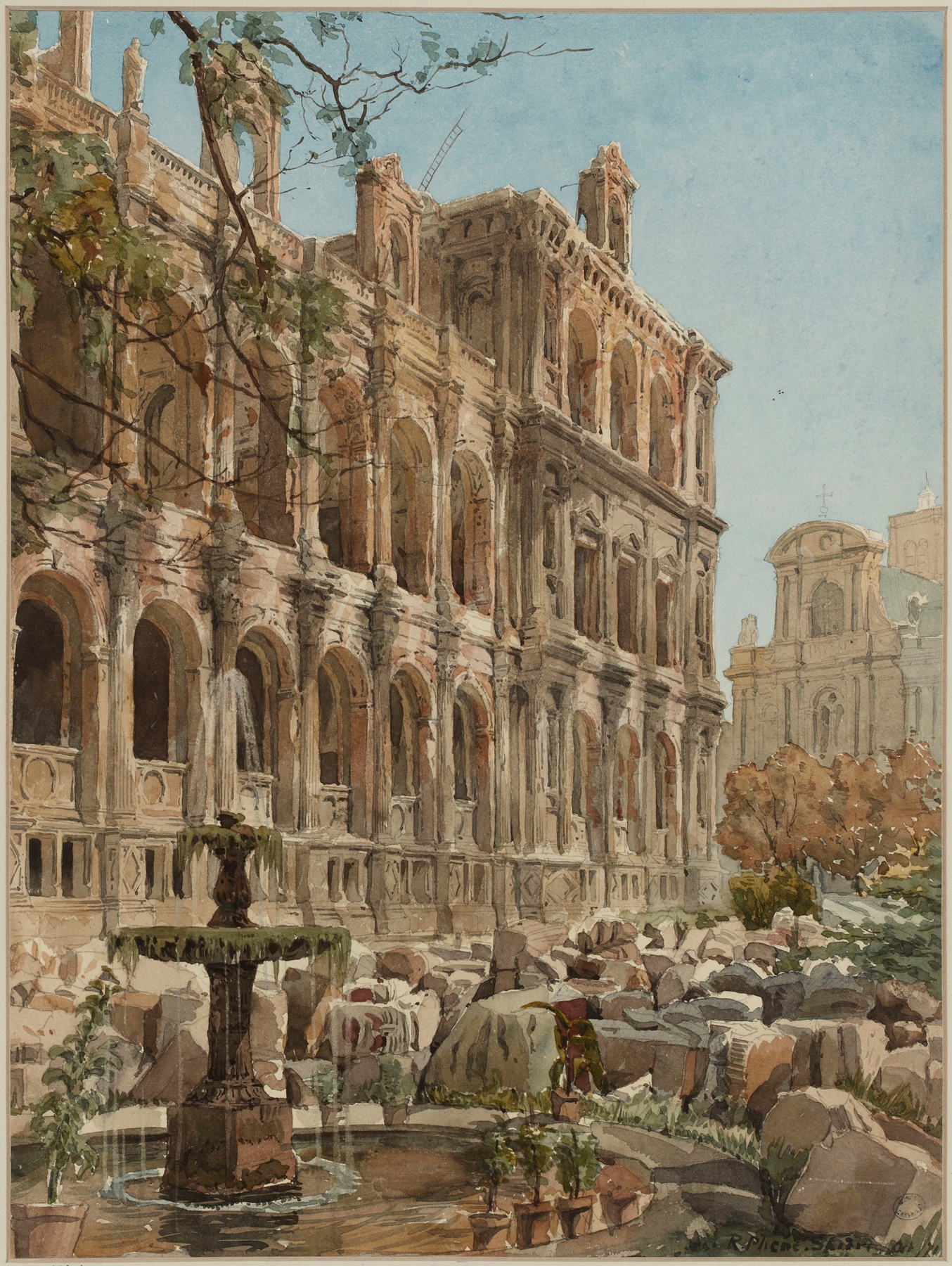
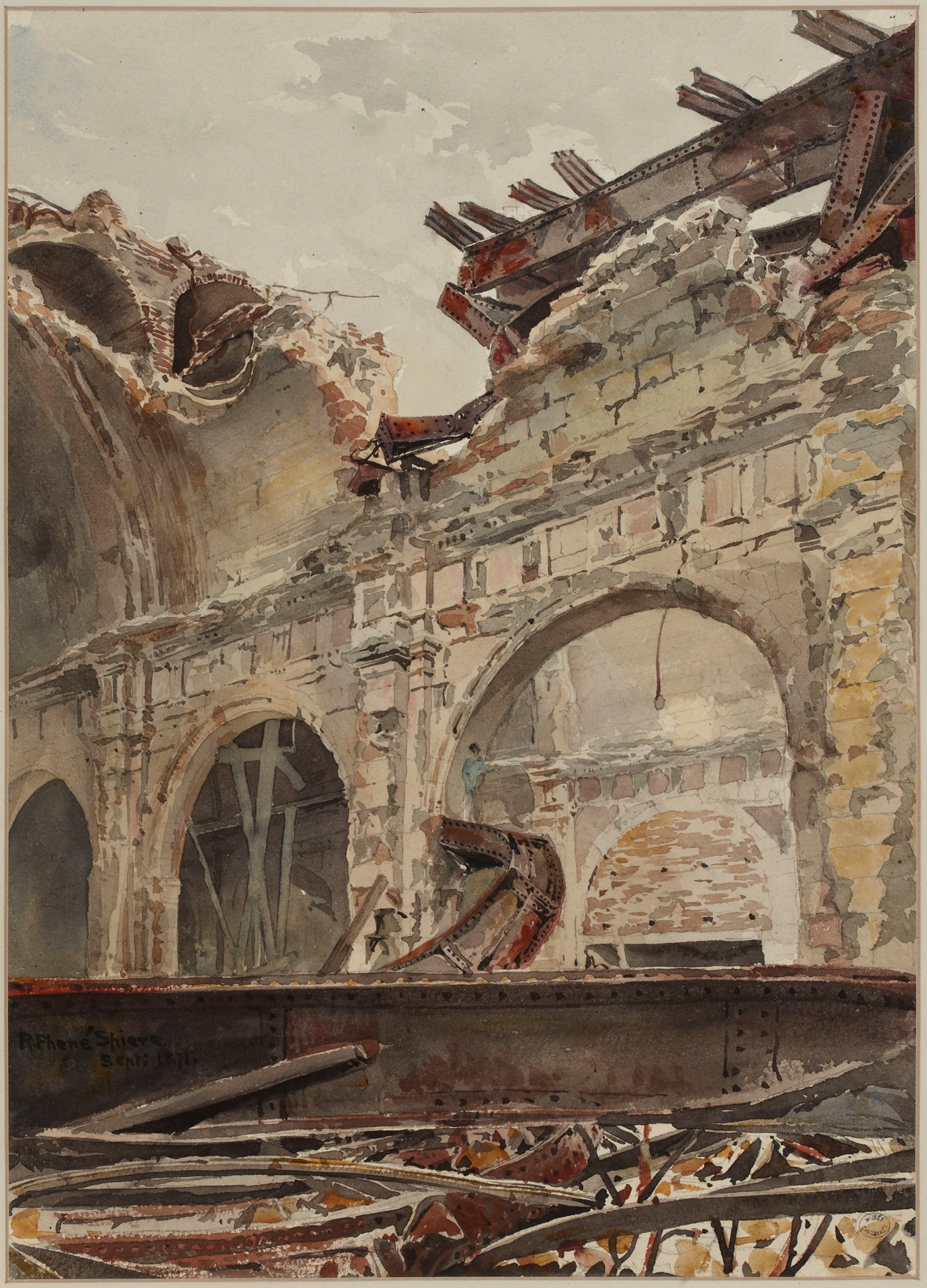
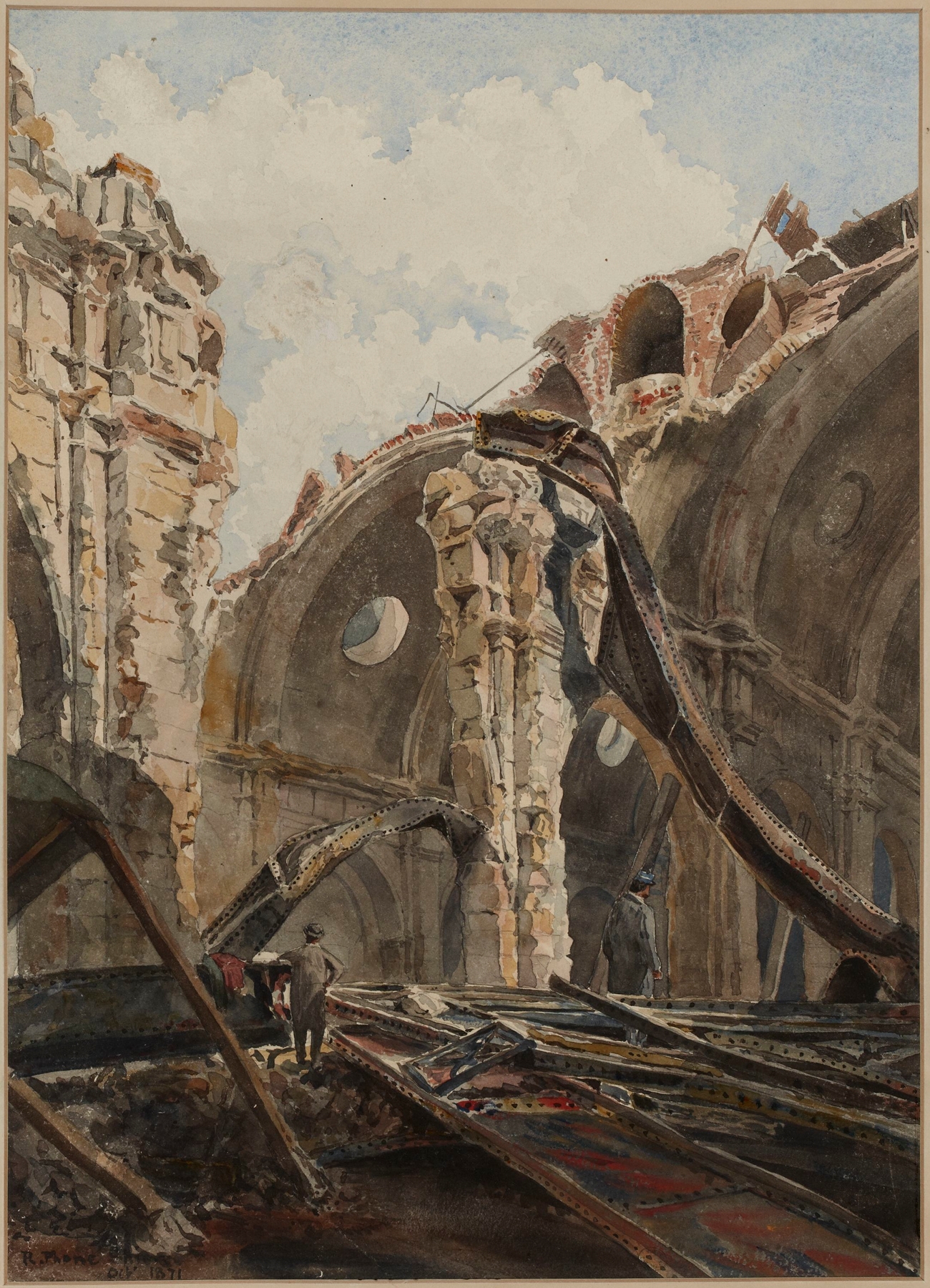
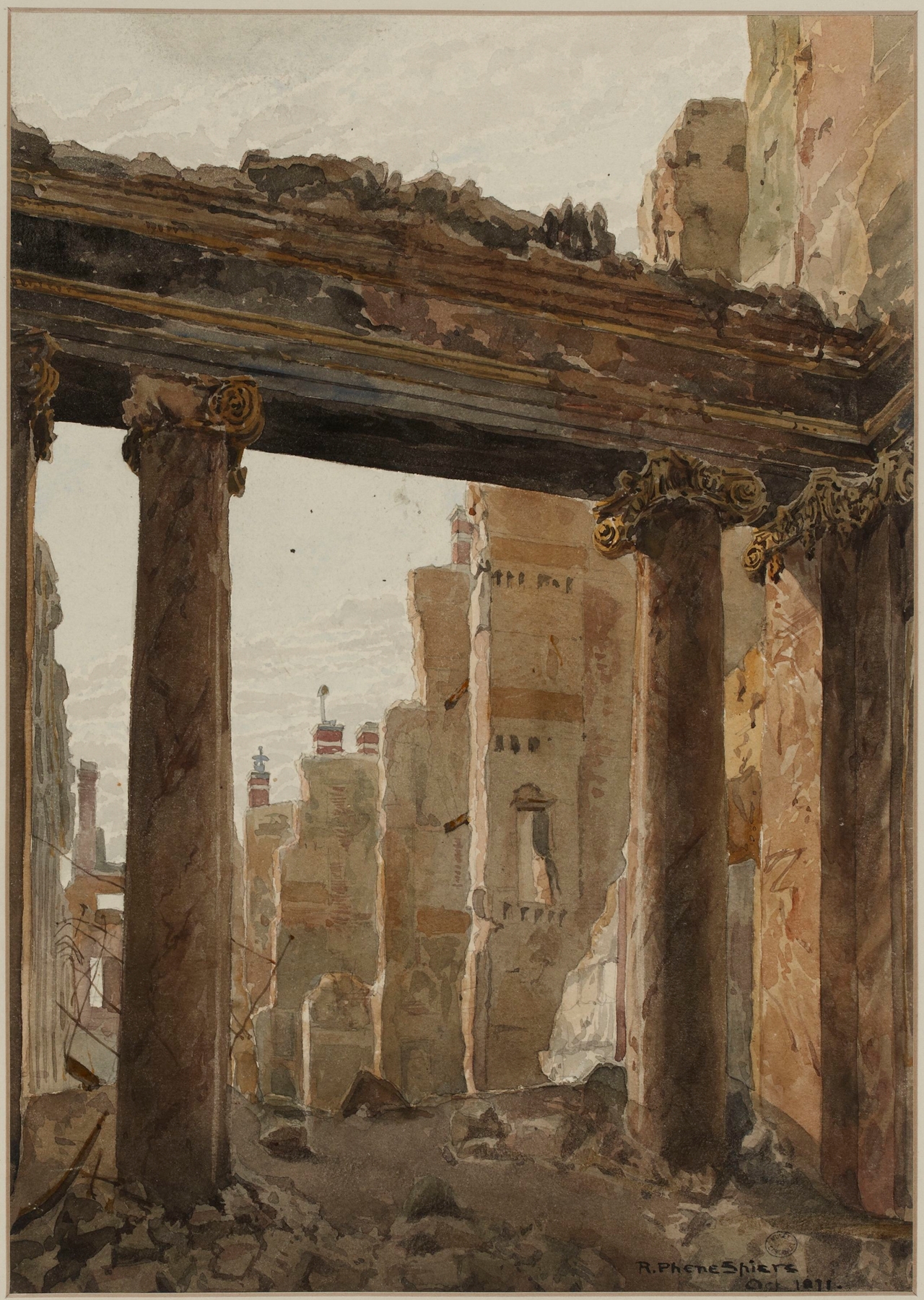
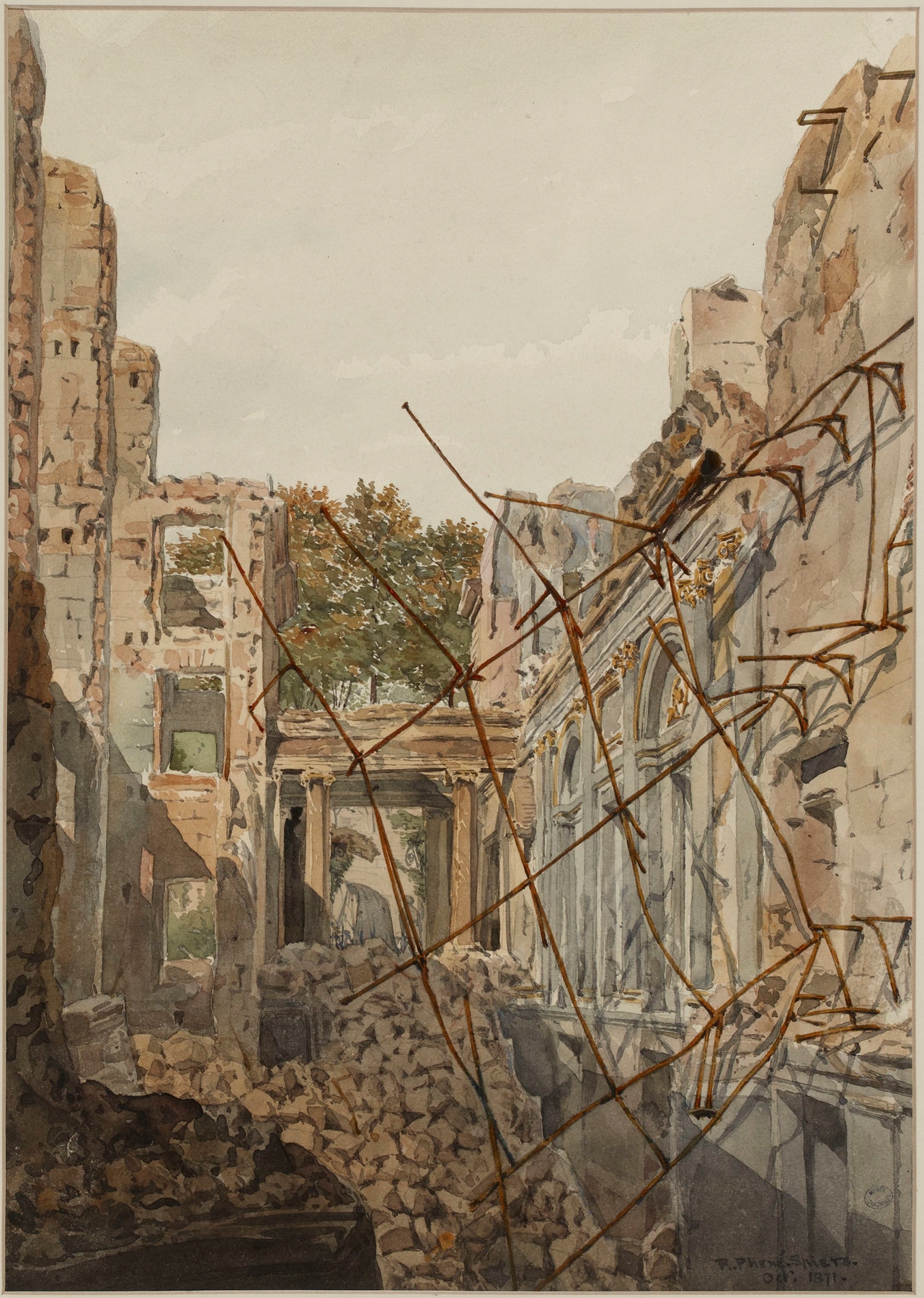
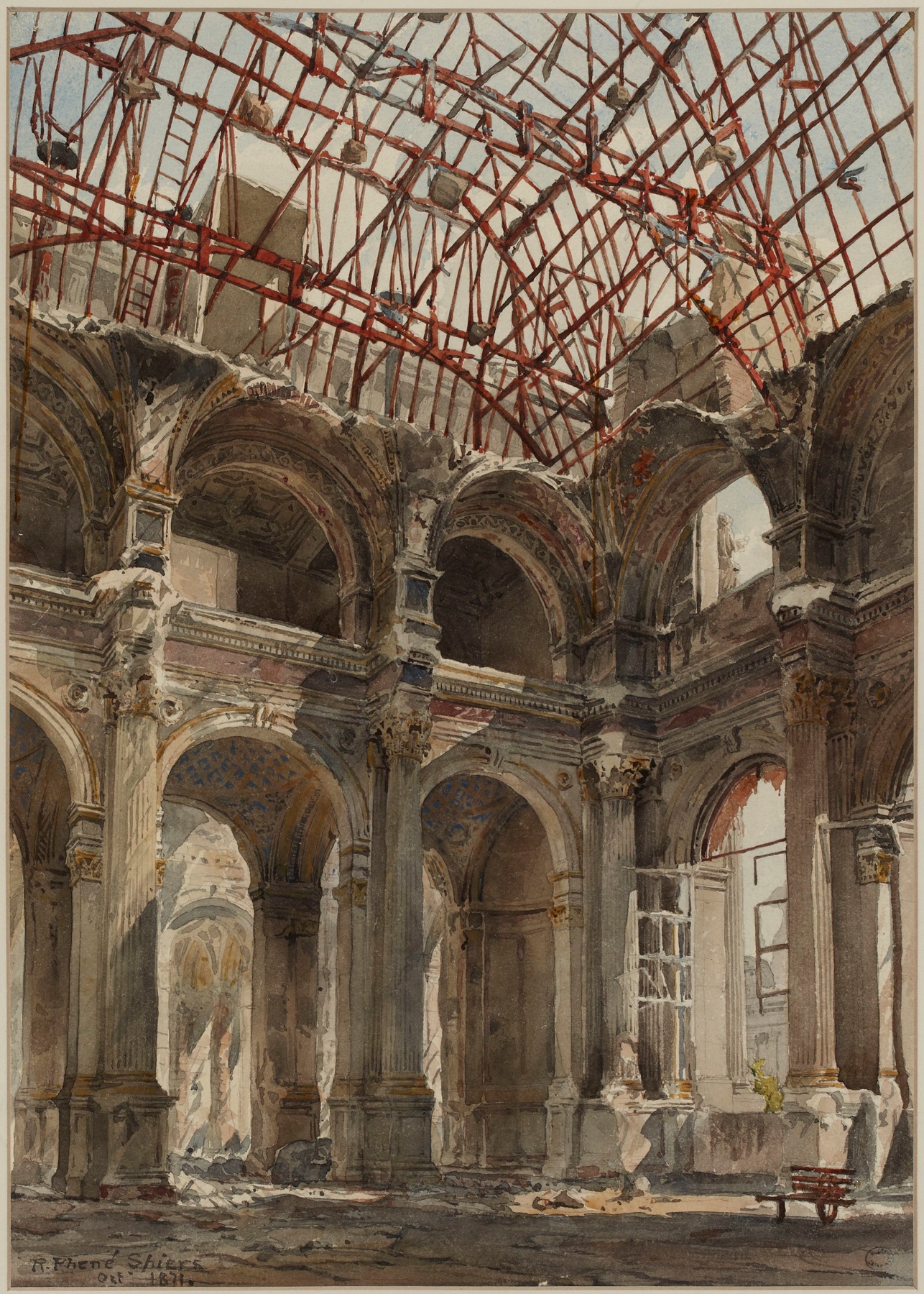
What if beauty was never meant to be finished? In the echoes of destruction, a haunting vision emerges, whispering of resilience and hope amid the ruins. Look to the center of the canvas, where the skeletal remains of a once-grand structure dominate the scene. Spiers skillfully captures the interplay of light and shadow, flooding the space with a soft, melancholic glow that contrasts sharply with the dark, jagged outlines of the crumbled architecture.
The muted palette of grays and browns hints at decay, yet within it, there’s a subtle warmth that beckons the eye to linger longer, revealing layers of detail in the rubble that speak to the passage of time. As you explore the edges, notice how the scattered debris seems to cradle the ghost of the building’s former glory. The juxtaposition of destruction and the lingering sense of beauty cultivates a profound emotional tension—an elegy for what was, and a celebration of what remains. Each fragment captures a story, a memory, urging the viewer to reflect on the fragility of civilization and the strength found in faith, even amidst chaos.
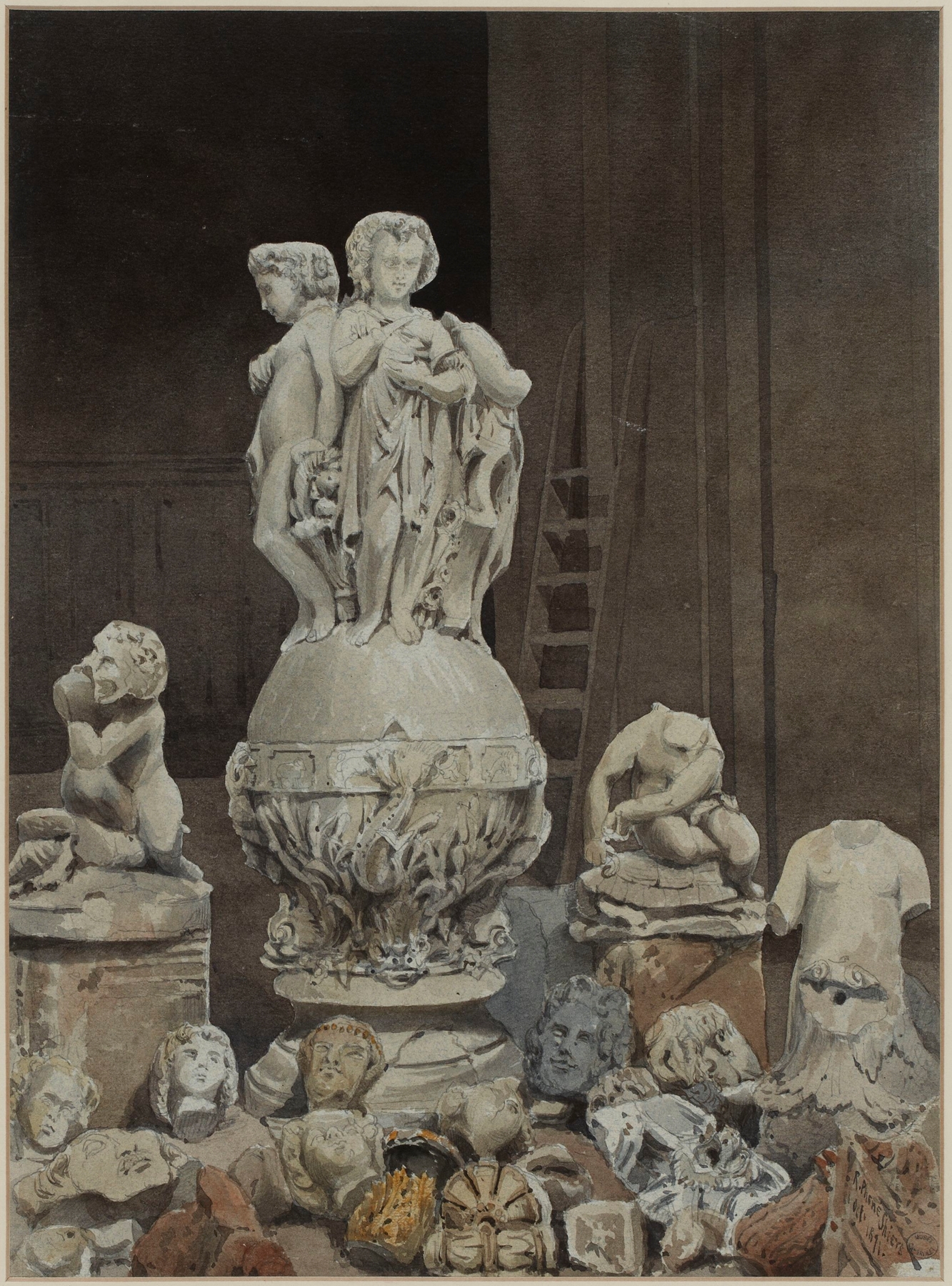
In 1871, Richard Phené Spiers painted this work during a tumultuous period marked by social upheaval in France following the Franco-Prussian War. The ruins depicted were the remnants of the Hôtel de Ville, a symbol of national pride, reduced to rubble. This moment served as a turning point in Spiers' career, reflecting both personal and collective loss while also embodying a vision for renewal in the face of despair.