Sketchbook — History & Facts
In the act of creation, artists grasp at the fleeting moments of existence, etching their legacies into permanence. A sketchbook is not merely a collection of drawings; it is a testament to the thoughts, emotions, and aspirations that shape human experience. Look closely at the top left corner of the page; the delicate lines seem to breathe, each stroke alive with anticipation. The muted colors blend seamlessly, inviting the observer to explore the nuanced subtleties present in every shaded contour.
Notice how the organization of the sketches reveals a journey — from the raw spontaneity of initial ideas at the top to more refined compositions lower down, illustrating the evolution of thought and technique. The juxtaposition between unfinished works and completed studies creates a dialogue about aspiration and realization. Within this intimate collection lies the tension between freedom and constraint. The freehand sketches convey a yearning for unrestrained creativity, while the precise details anchor them in reality.
Each page is a microcosm of the artist's inner world, a reflection of the struggle between the idealized and the tangible. This balance speaks to the broader narrative of legacy, suggesting that every fleeting thought captured within its pages can resonate beyond the moment of creation. In 1861, Bodichon was deeply entrenched in the art world, advocating for women's rights and pursuing her own artistic ambitions. Living in England, she was a leading figure in the Pre-Raphaelite movement and an influential member of the women’s suffrage movement.
This period in her life was marked by both personal and artistic exploration, leading her to create works that not only expressed her vision but also challenged societal norms.
More Artworks by Barbara Bodichon
Browse all →
Landscape with Rainbow
Barbara Bodichon

View of Snowdon with a Stormy Sky
Barbara Bodichon

Study of a Hill with Trees
Barbara Bodichon
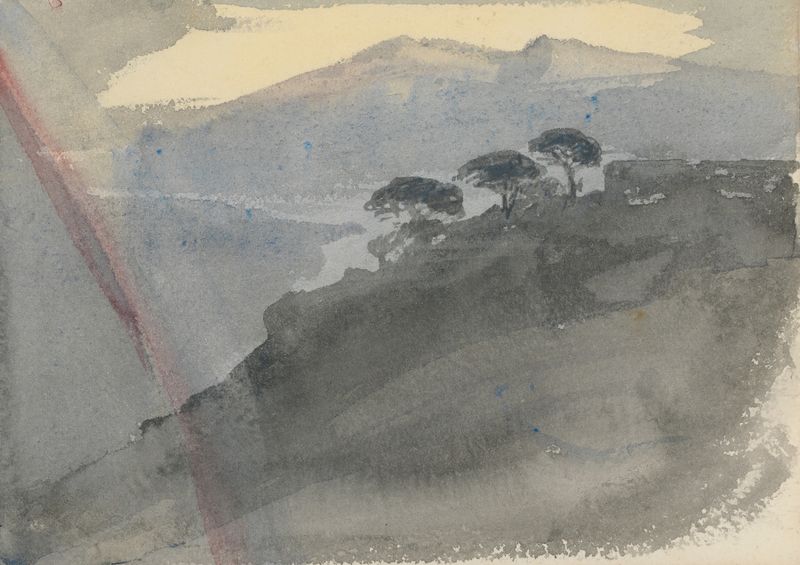
Landscape with Rainbow
Barbara Bodichon
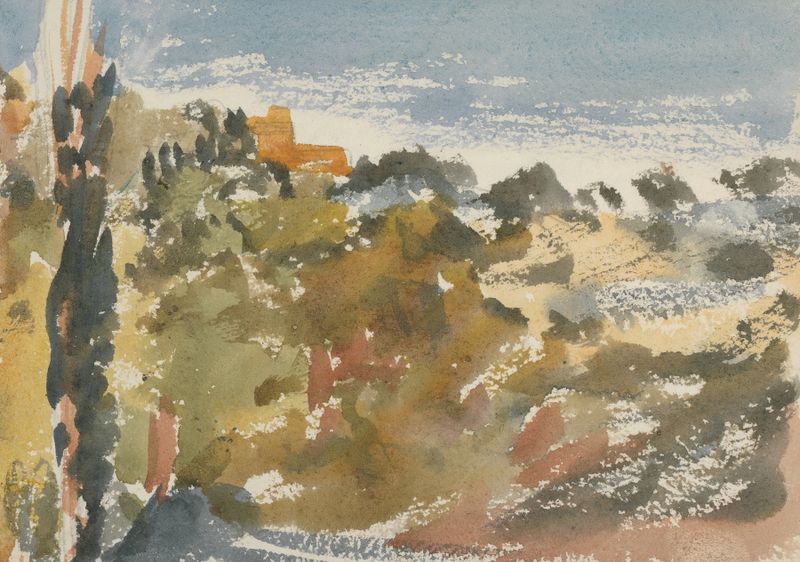
Sketchbook
Barbara Bodichon
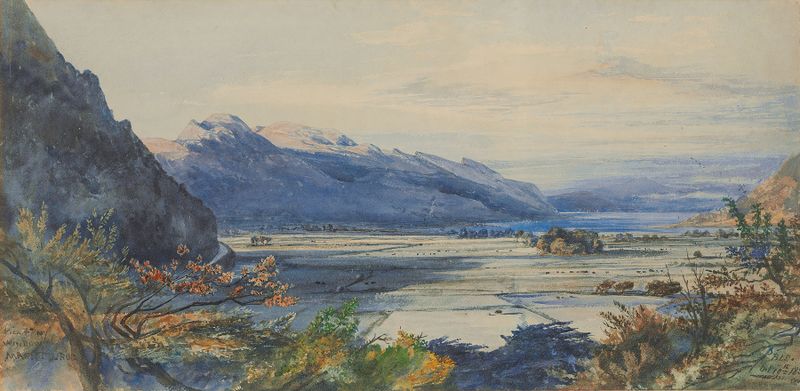
View from my window; Maentwrog, Snowdonia, Wales
Barbara Bodichon

Sketchbook
Barbara Bodichon

Study of a Cloudy Sky
Barbara Bodichon

Sketchbook
Barbara Bodichon
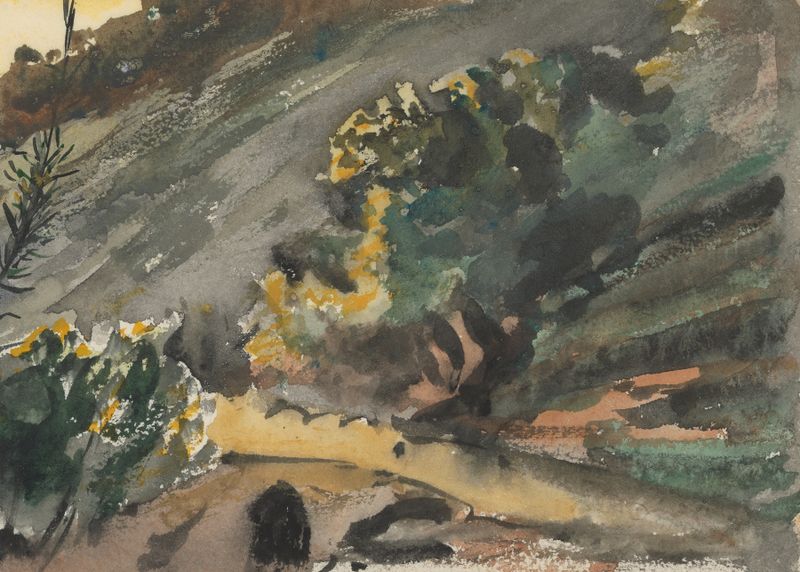
Sketchbook
Barbara Bodichon