Sketchbook — History & Facts
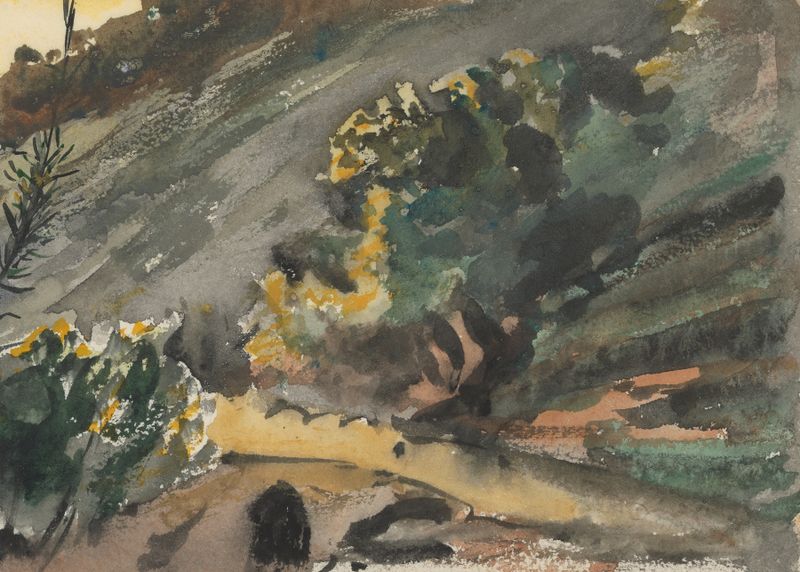
In a world where emotions swirl like restless paint on a palette, grief finds its voice through the delicate strokes of artistry. It whispers in colors, inviting us to delve into depths we often shy away from, revealing the beauty that can emerge from sorrow. Look closely at the spontaneous lines and soft hues that dance across the page. The artist’s hand appears both decisive and vulnerable, creating a juxtaposition between assurance and fragility.
Notice how the light washes over the surface, illuminating certain sections while allowing others to fade into obscurity. Each mark contributes to a narrative that flows organically, guiding the eye from one poignant detail to the next, as if inviting the viewer into a private conversation with loss. Within this intimate sketchbook lies a tapestry of emotions, where the absence of clarity mirrors the complexity of grief. The interplay of muted tones suggests a quiet melancholy, while the subtle variations in line weight convey a sense of urgency and reflection.
Each page holds the weight of unspoken thoughts, as if the artist captures fleeting moments of introspection—offering solace to those who dare to look deeper. In this way, the work transcends mere representation, becoming a vessel for shared human experience. In 1861, Bodichon, a trailblazer in her field and an advocate for women's rights, created this piece amidst the societal upheaval of her time. Living in London, she faced personal challenges, including the loss of her father, which undoubtedly influenced her emotional landscape.
The art world, still grappling with traditional constraints, began to open to new expressions, making her contributions both significant and pioneering as she forged a path for future generations of female artists.
More Artworks by Barbara Bodichon
Browse all →
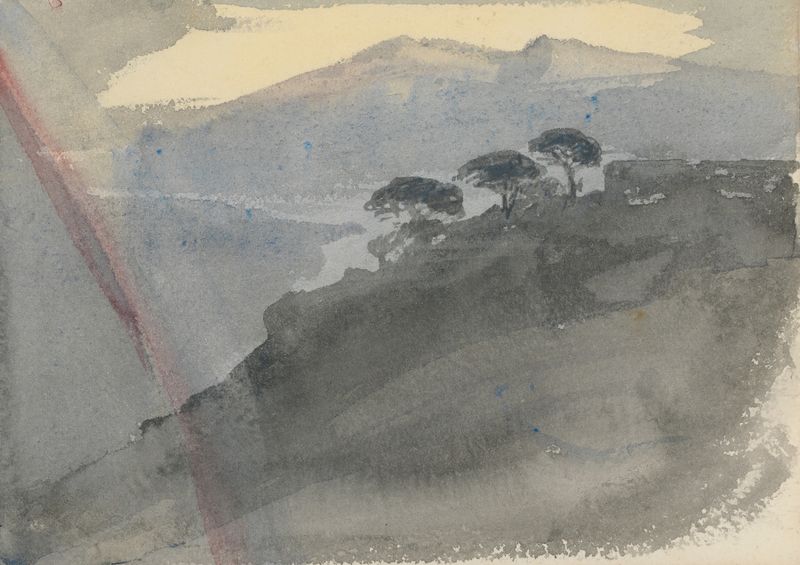
Landscape with Rainbow
Barbara Bodichon

View of Snowdon with a Stormy Sky
Barbara Bodichon

Study of a Hill with Trees
Barbara Bodichon
Landscape with Rainbow
Barbara Bodichon
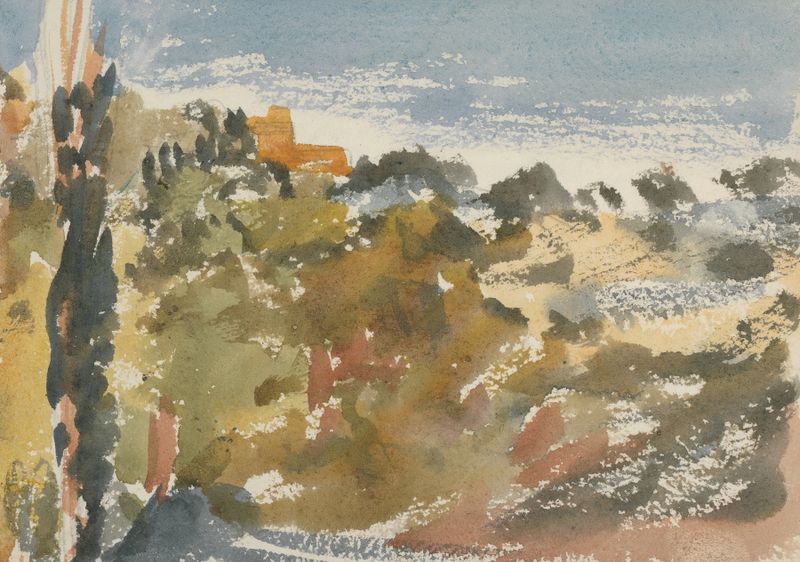
Sketchbook
Barbara Bodichon
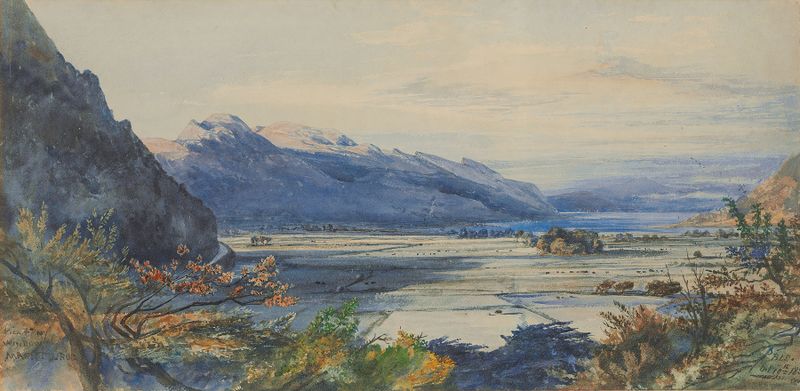
View from my window; Maentwrog, Snowdonia, Wales
Barbara Bodichon

Sketchbook
Barbara Bodichon

Study of a Cloudy Sky
Barbara Bodichon

Sketchbook
Barbara Bodichon
Sketchbook
Barbara Bodichon