Sketchbook — History & Facts
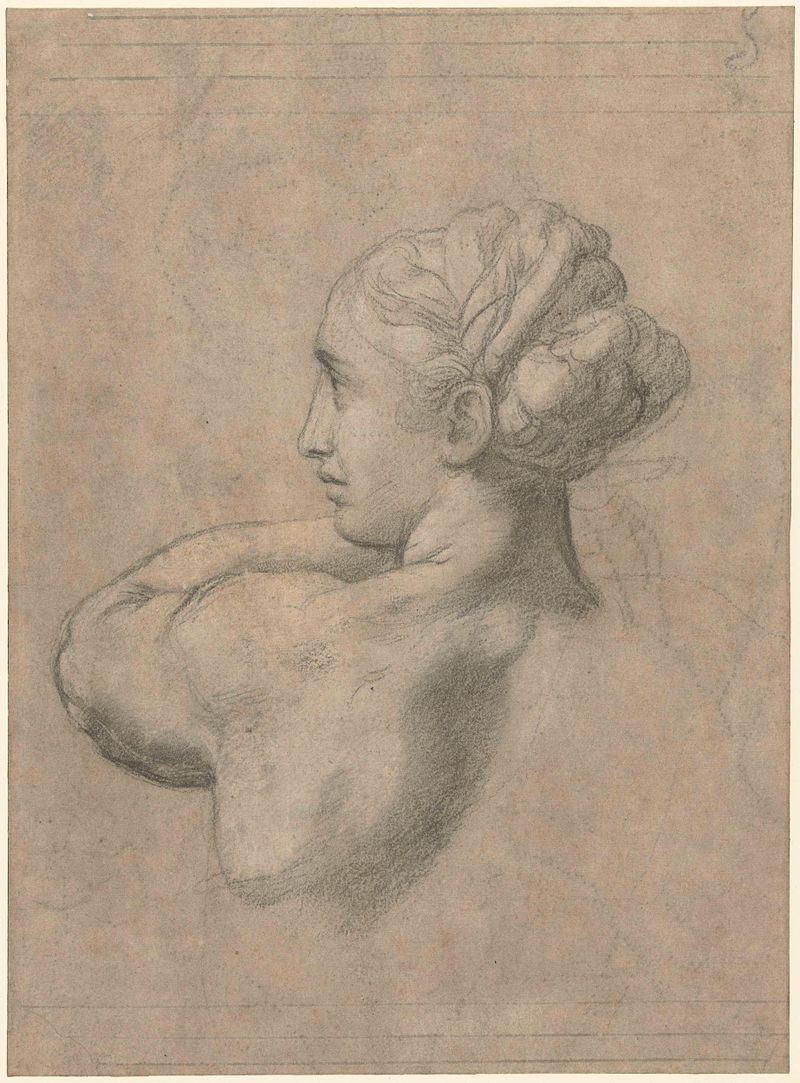
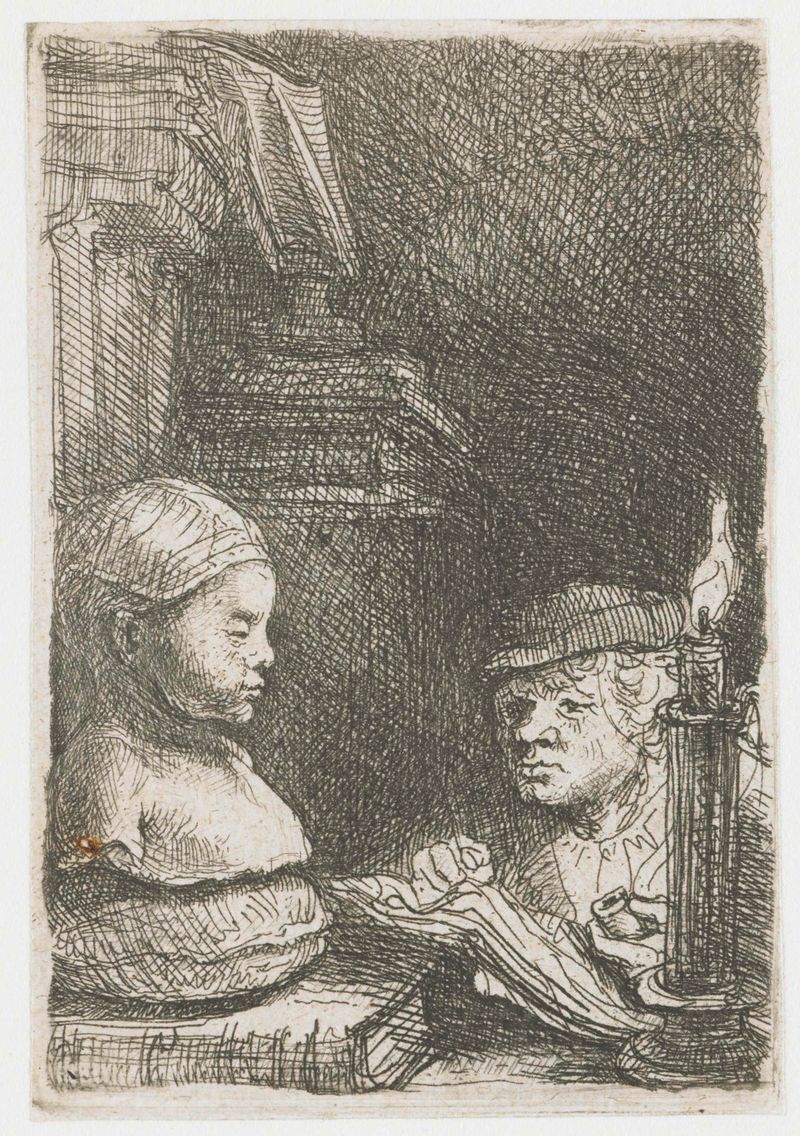
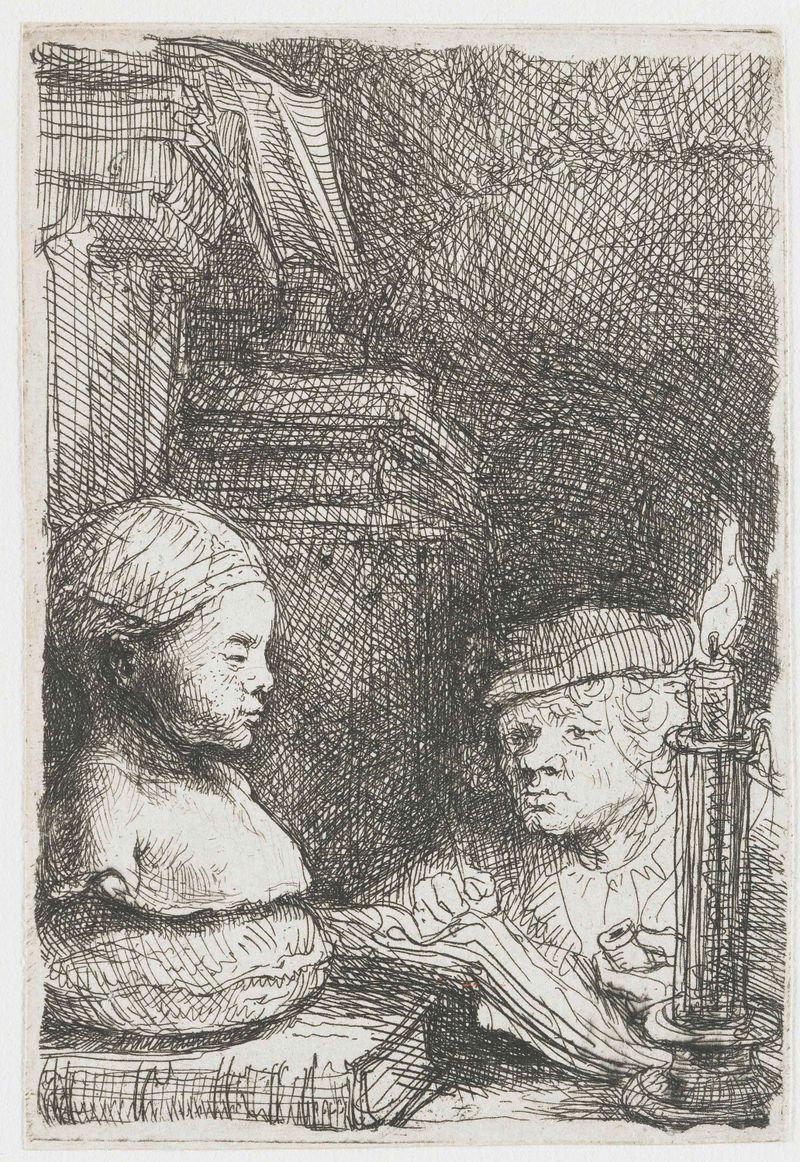
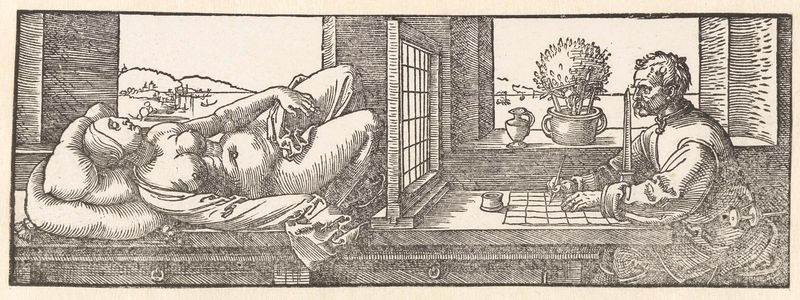
In the quiet embrace of a sketchbook, one confronts the transience of existence, where ephemeral thoughts take form and mortality lingers on every page. Look closely at the delicate strokes that weave through the drawings; each line carries the weight of unspoken words. Notice how the soft, muted palette gives life to the sketches while maintaining an aura of introspection. The interplay of light and shadow reveals a tender vulnerability, as if the viewer is peering into the artist’s innermost thoughts.
It invites you to explore not just a visual narrative but the very essence of being human. The juxtaposition of intricate details and unfinished sketches speaks to the tension between life’s fleeting nature and the desire for permanence. In some drawings, figures emerge almost seamlessly, while others remain suggestive silhouettes, hinting at the unfinished stories they may carry. This contrast evokes a sense of longing, urging the viewer to reflect on their own narrative and the notion of what remains unseen—a meditation on existence itself. Created in 1861, this work emerged during a period of intense social change and rising awareness of women’s rights, as Bodichon herself was a prominent advocate for education and independence.
Working in England, she was deeply engaged in the Pre-Raphaelite movement, which celebrated emotional depth and the beauty of the human experience. In many ways, Sketchbook reflects both her artistic pursuits and her philosophical inquiries into life, identity, and mortality.
More Artworks by Barbara Bodichon
Browse all →
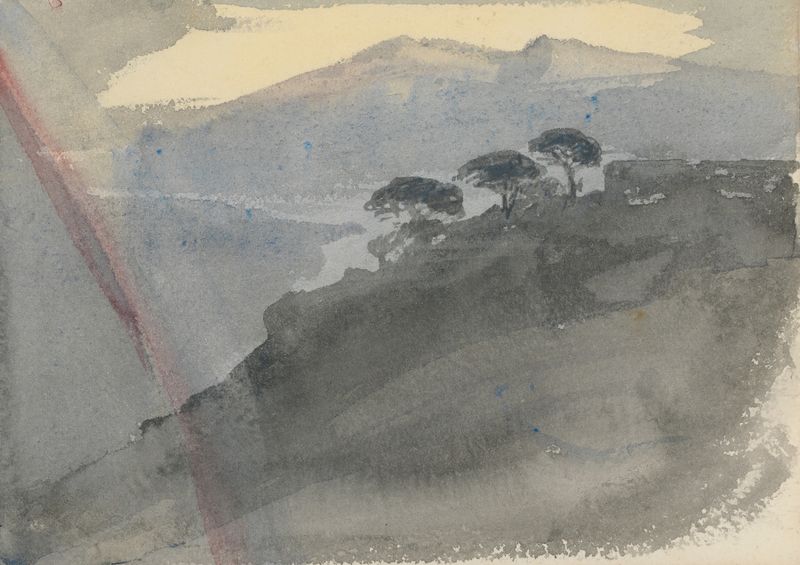
Landscape with Rainbow
Barbara Bodichon

View of Snowdon with a Stormy Sky
Barbara Bodichon

Study of a Hill with Trees
Barbara Bodichon
Landscape with Rainbow
Barbara Bodichon
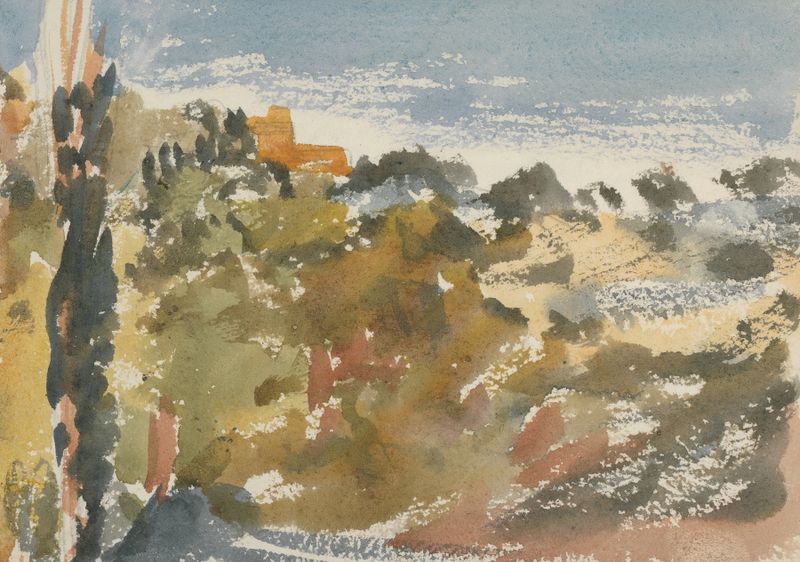
Sketchbook
Barbara Bodichon
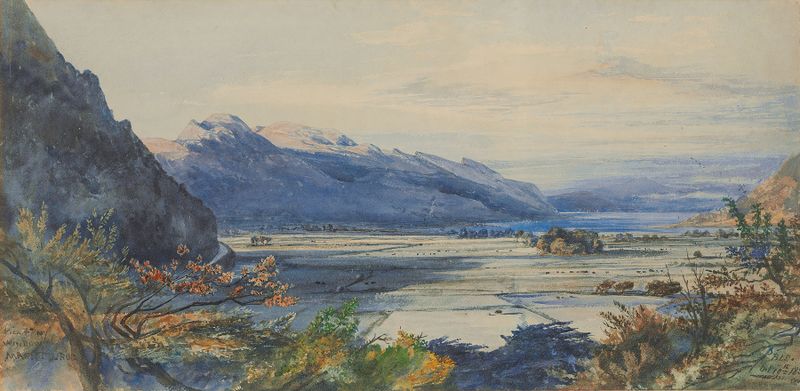
View from my window; Maentwrog, Snowdonia, Wales
Barbara Bodichon

Sketchbook
Barbara Bodichon

Study of a Cloudy Sky
Barbara Bodichon

Sketchbook
Barbara Bodichon
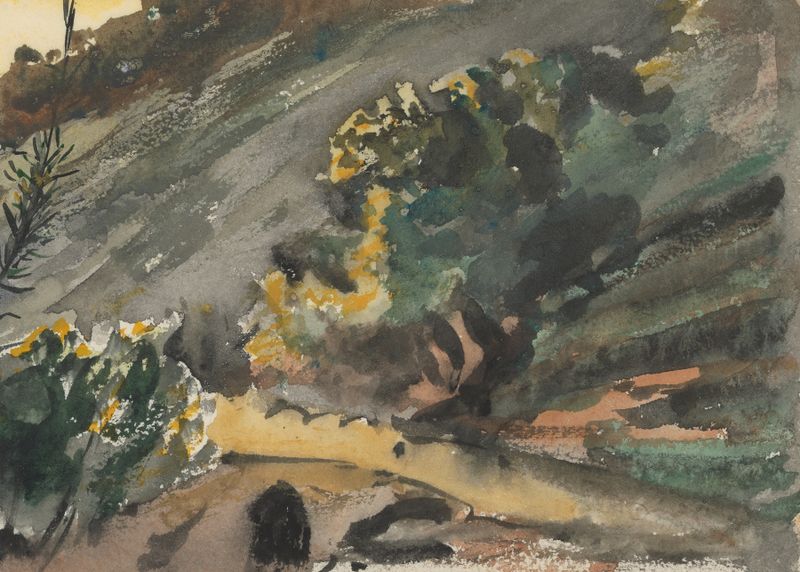
Sketchbook
Barbara Bodichon