Sketchbook — History & Facts
What if beauty was never meant to be finished? In Sketchbook, the ephemeral nature of art serves as a haunting reminder of the violence inherent in creation. Look to the center of the composition, where the delicate strokes and fluid lines intertwine, revealing a sense of intimacy and spontaneity. The muted palette, dominated by earthy tones, contrasts the vibrant bursts of color that represent the artist's passion and fury. Notice how the quick, almost violent brushwork captures fleeting moments, encouraging the viewer to see beyond the surface into the turbulent emotions that inspired each mark. The tension between chaos and order is palpable, as scribbles coexist with more refined sketches.
Each page tells a story, a snapshot of thought and feeling, reflecting the inner struggles of an artist grappling with self-expression. The juxtaposition of unfinished forms against the backdrop of a blank page reveals a deeper commentary on the creative process itself—a continuous cycle of destruction and rebirth, where beauty is perpetually elusive. In 1861, Barbara Bodichon was at a pivotal moment in her life, advocating for women's rights while navigating the male-dominated art world. Living in London, she was deeply engaged in the Pre-Raphaelite movement, although she often diverged from its conventions.
This work emerges from a period of personal and societal transformation, embodying both her innovative spirit and the turbulent emotions of her time.
More Artworks by Barbara Bodichon
Browse all →
Landscape with Rainbow
Barbara Bodichon

View of Snowdon with a Stormy Sky
Barbara Bodichon

Study of a Hill with Trees
Barbara Bodichon
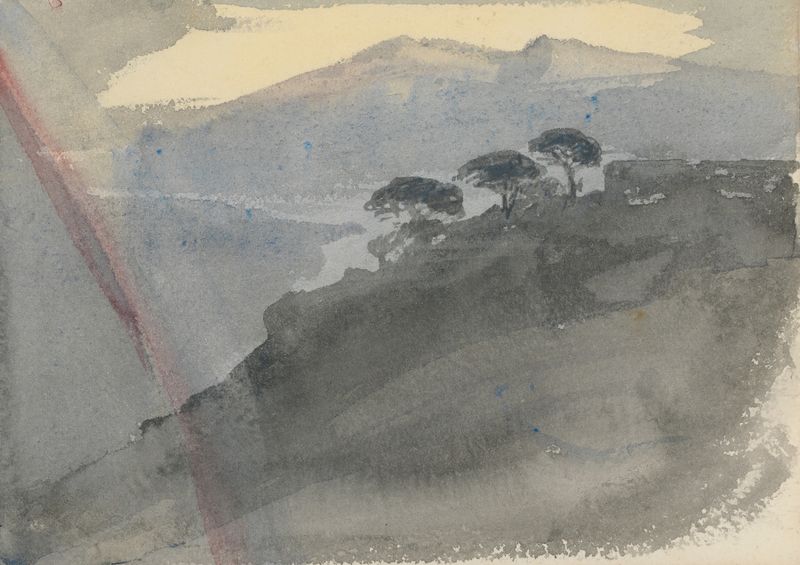
Landscape with Rainbow
Barbara Bodichon
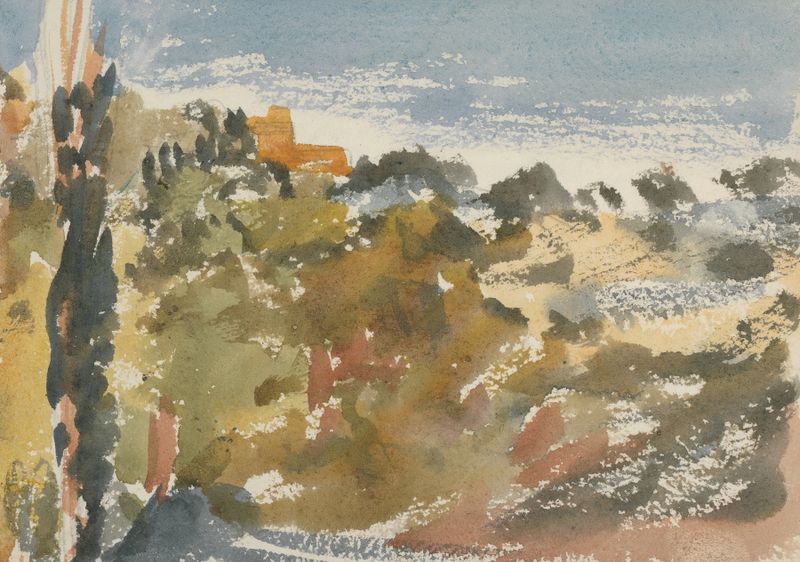
Sketchbook
Barbara Bodichon
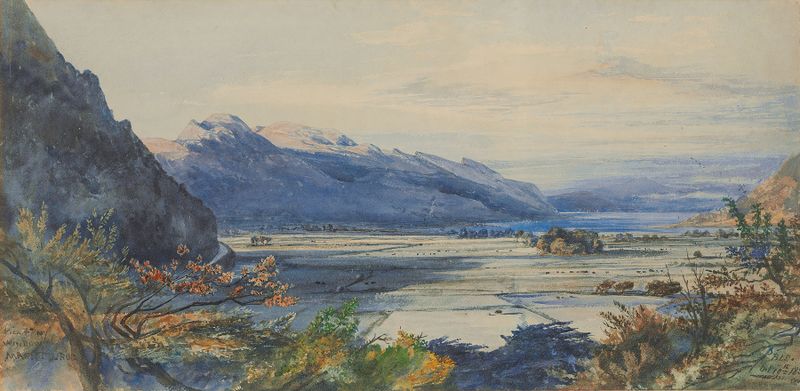
View from my window; Maentwrog, Snowdonia, Wales
Barbara Bodichon

Sketchbook
Barbara Bodichon

Study of a Cloudy Sky
Barbara Bodichon

Sketchbook
Barbara Bodichon
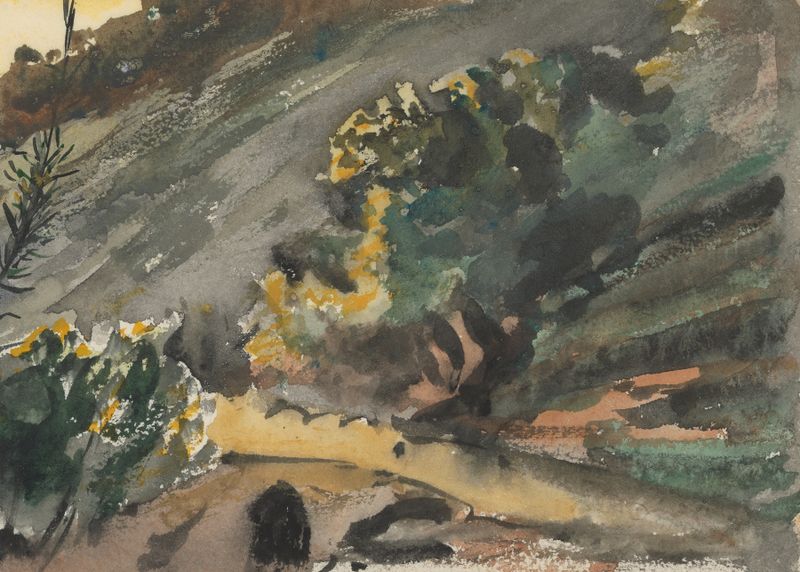
Sketchbook
Barbara Bodichon