Sous-bois — History & Analysis
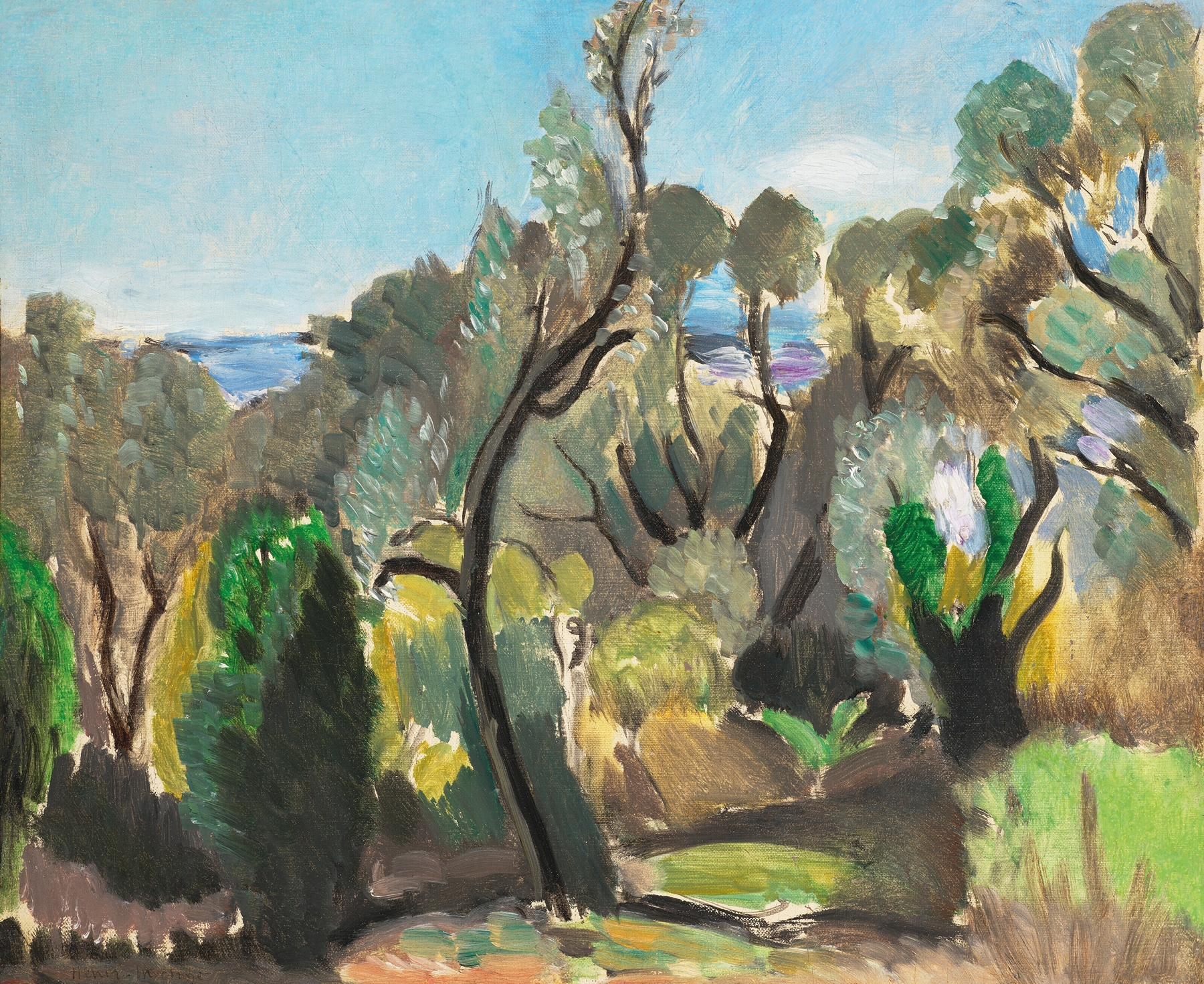
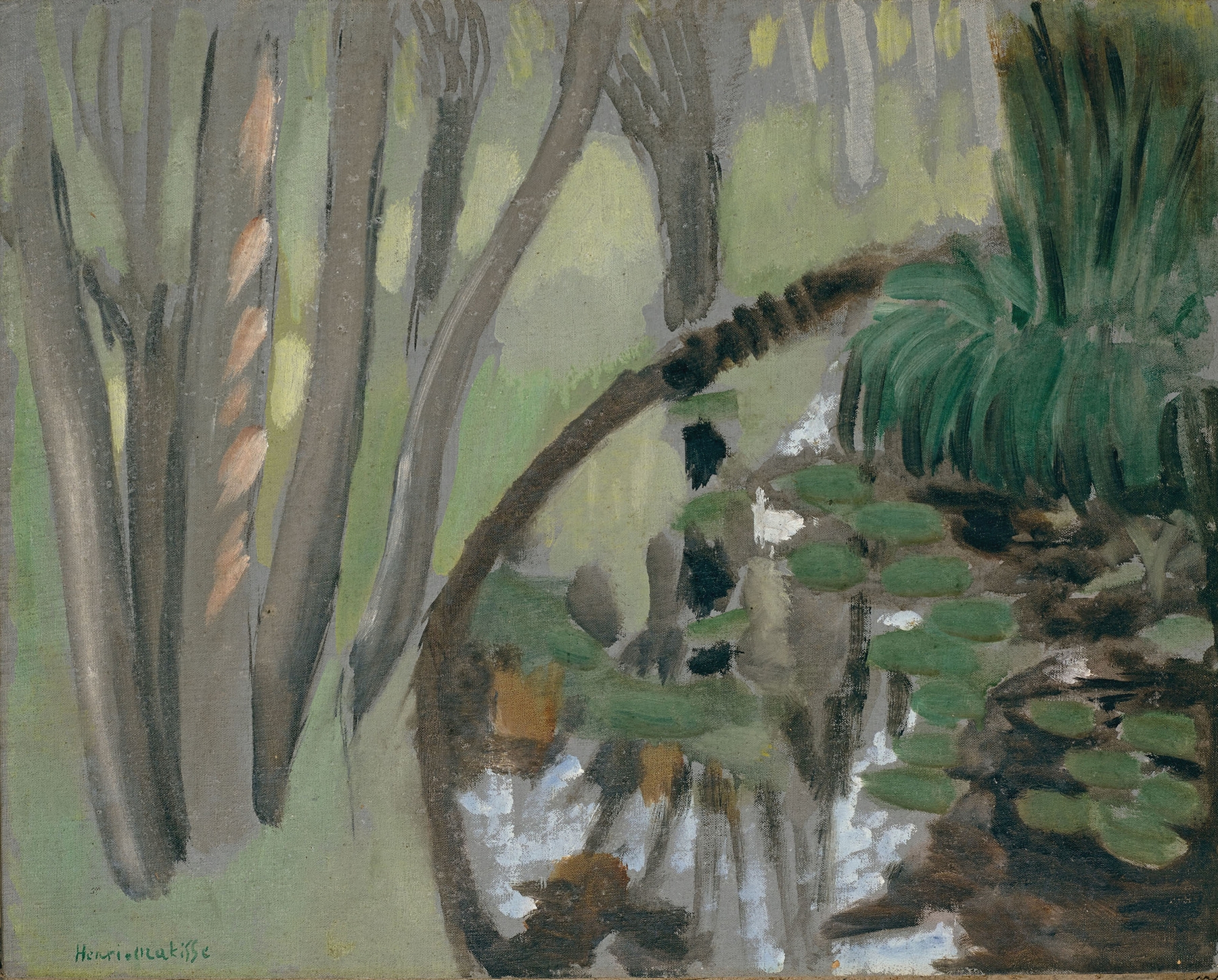
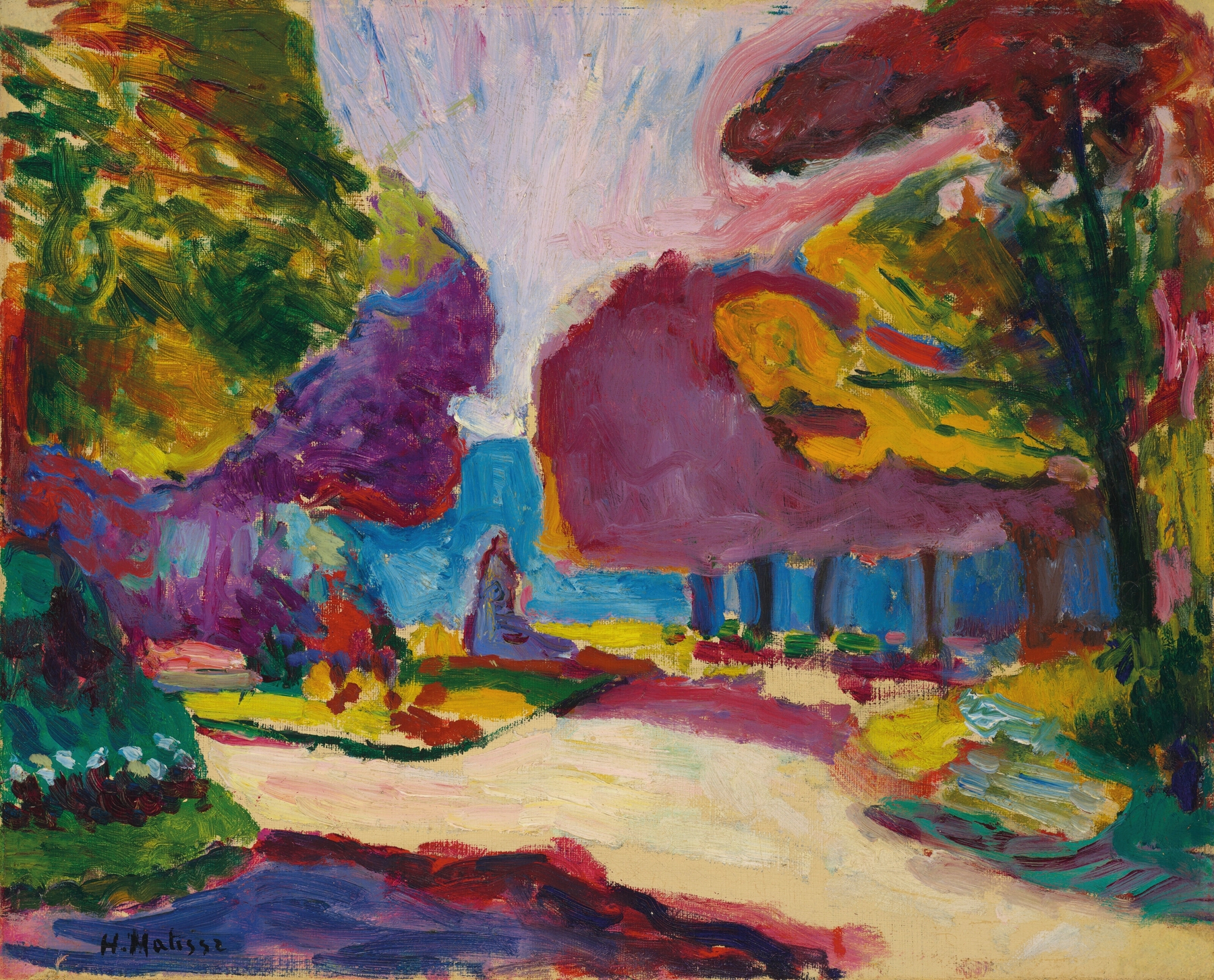
“Sometimes beauty is just pain, disguised in gold.” Beneath radiant colors lies the weight of unspoken loss, a reminder that not all beauty is easily understood. Look to the left at the vibrant greens, where dappled light peeks through the lush foliage, casting intricate patterns on the ground. Notice how Matisse’s brushstrokes create a sense of movement, as if the leaves themselves pulse with life, inviting you deeper into the dense underbrush. The interplay of light and shadow creates a sanctuary, while the deep blues and earthy browns ground the scene, revealing layers of complexity within the natural world.
The contrast between brightness and shadow speaks to the duality of existence. Each stroke captures a moment of serenity but hints at an underlying melancholy, suggesting that hidden amidst nature’s beauty lies grief. The vibrant colors may entice, yet there’s an unsettling stillness that lingers, evoking a sense of longing rather than mere joy. It becomes a meditation on the coexistence of joy and sorrow, a tapestry woven from both love and loss.
Painted between 1902 and 1903 in the south of France, this work emerged during a transformative period for its creator. Matisse was exploring new forms of expression, moving beyond Impressionism while grappling with personal changes and the broader shifts in the art world. As he sought to capture the essence of the world around him, he also confronted the complexities of human emotion, embedding those struggles in the very fabric of his art.