The Hakone Shrine In The Snow — History & Analysis
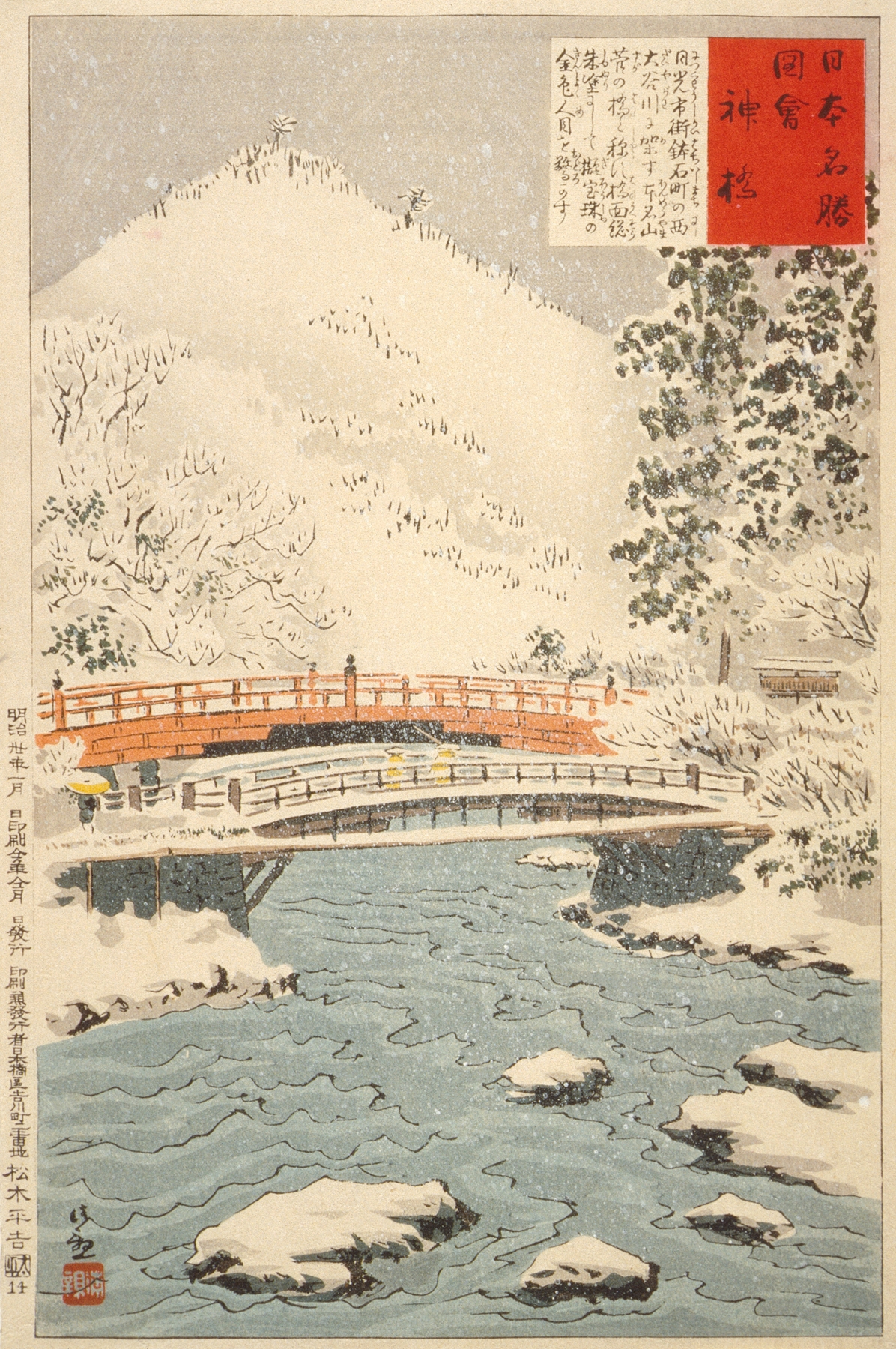
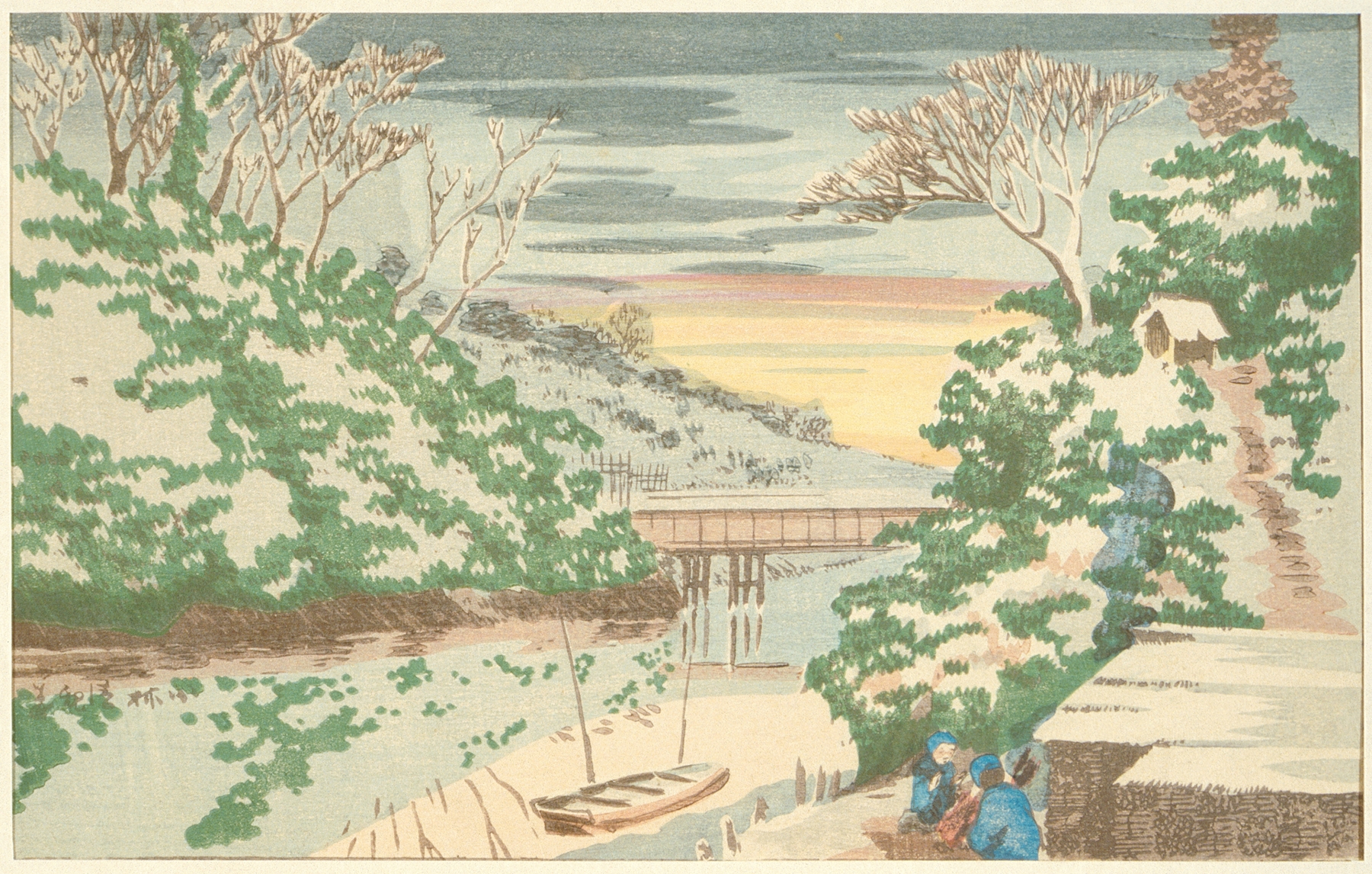
“Under the brush, chaos becomes grace.” In a world yearning for tranquility, the beauty of nature’s stillness holds a profound allure. The snow transforms every surface into a vessel of silence, inviting introspection and desire. To truly appreciate the artwork, look closely at the foreground where delicate, snow-laden branches reach toward the viewer. Notice how the light dances through the branches, casting intricate shadows on the path leading to the shrine. The soft blues and whites create a serene yet striking contrast, inviting one to step into this tranquil moment at Hakone.
The meticulous detailing reveals a masterful hand, crafting a narrative that unfolds with every glance, encouraging contemplation and peace. Delve deeper into the emotional tension within the scene—the juxtaposition of the vibrant reds of the shrine against the cool, muted tones of the snow. This contrast not only draws the eye but also evokes a sense of warmth amid the chilly embrace of winter. The shrine, a beacon of spiritual desire, seems to beckon with promises of solace and reflection, while the surrounding snow symbolizes the quietude of nature that envelops and protects it.
The delicate balance between warmth and cold creates a palpable longing for connection, both with nature and the sacred. Between 1880 and 1882, Kobayashi Kiyochika painted The Hakone Shrine In The Snow during a time of rapid modernization in Japan. This period was marked by a blending of traditional and contemporary aesthetics as the country navigated its place in a changing world. Kiyochika, influenced by both ukiyo-e and Western techniques, sought to capture the essence of Japan's natural beauty while also reflecting the emotional landscapes of his time, making this piece a cherished representation of that delicate balance.