The Temple Sensōji in Snow — History & Analysis
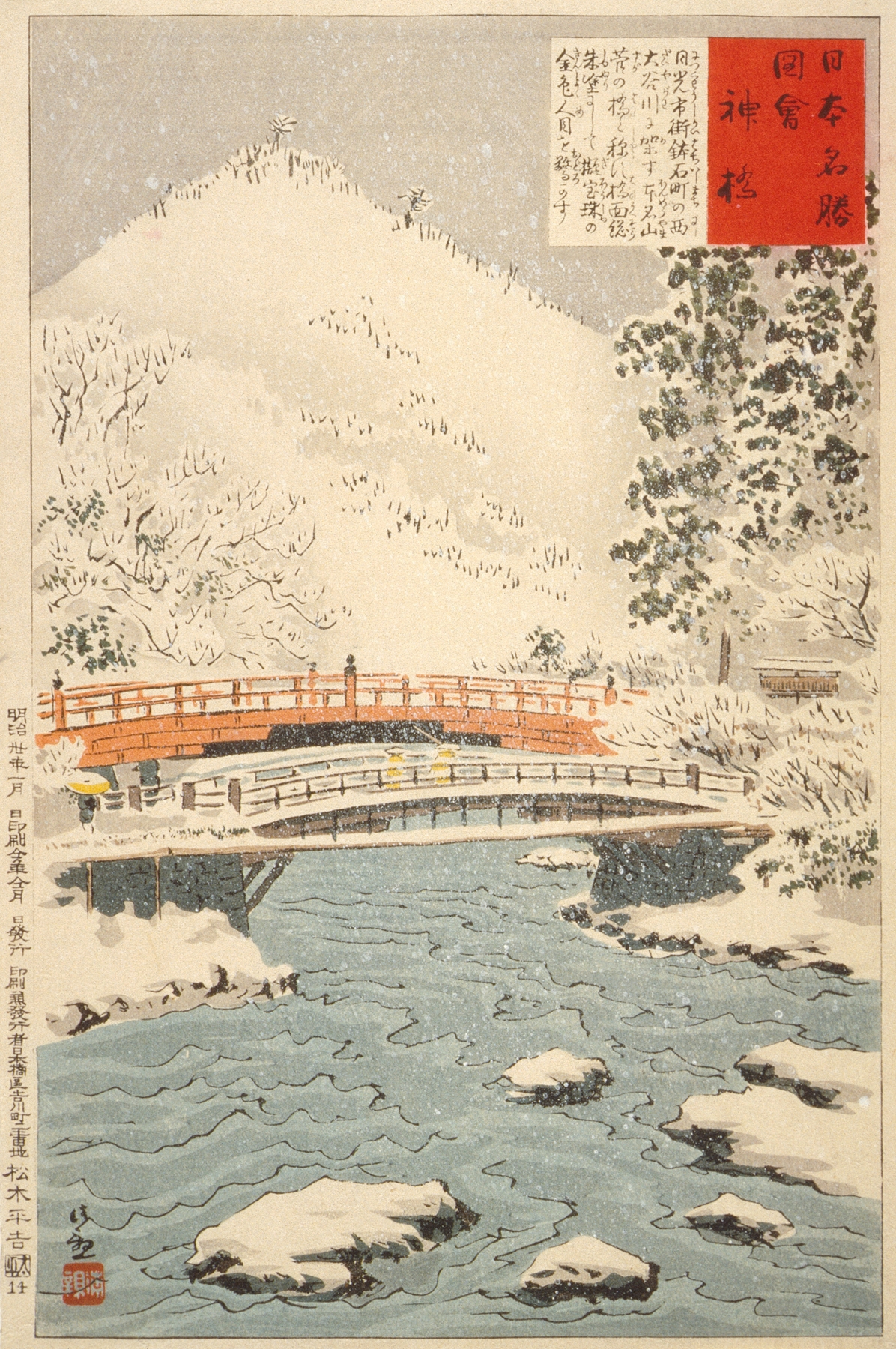
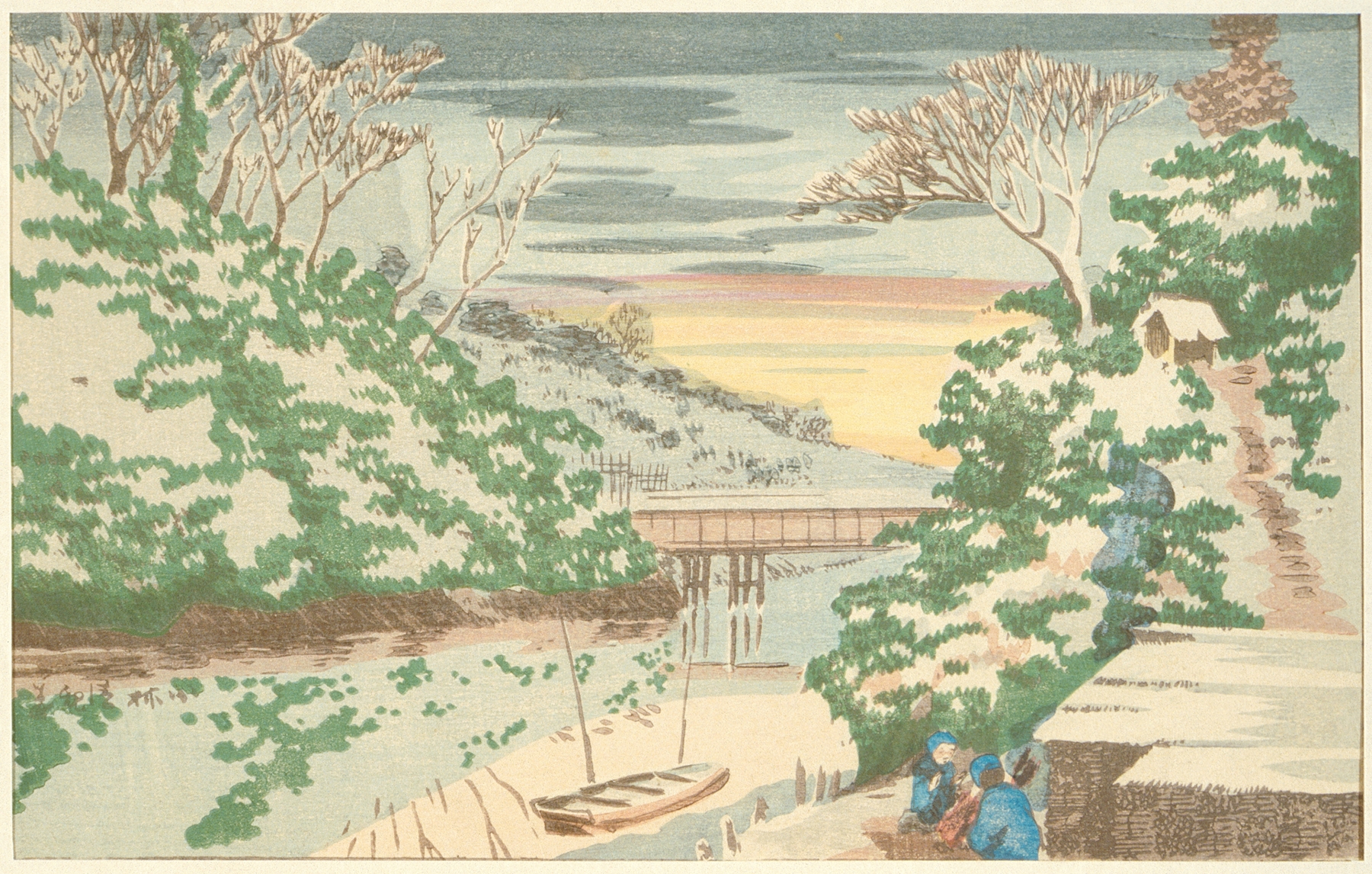
“Art reveals the soul when the world turns away.” In moments of quiet solitude, it is through the lens of creativity that we discover the deeper truths of existence. Look to the foreground of The Temple Sensōji in Snow and observe the gentle arch of the temple’s roof, awash in a soft blanket of white. The vivid reds and deep browns of the structure contrast beautifully against the cool hues of the snow, creating a harmonious balance between warmth and chill. Notice how the intricate details of the temple’s architecture are accentuated by the delicate snowflakes drifting down, each one a unique testament to nature’s artistry.
The composition, with its vertical emphasis, invites the viewer to gaze upward, feeling both the weight of the moment and the tranquility it embodies. Beneath the serene facade lies an emotional tension; the stillness of the snow juxtaposes the vibrant life typically found at this revered site. The absence of people evokes a sense of isolation, urging contemplation of what is often overlooked in the hustle of daily life. Each snowflake that lands carries the weight of memory and time, suggesting a fleeting beauty that must be cherished.
The contrast between the temple’s enduring presence and the ephemeral quality of snow captures the essence of life's transience, revealing profound reflections on permanence and change. In 1881, while painting this piece, Kobayashi Kiyochika found himself at the intersection of tradition and modernity in Japan. This period was marked by significant cultural shifts as the country opened to Western influences, creating a complex dialogue between old and new. Kiyochika, a master of ukiyo-e woodblock prints, responded to these changes with works that celebrated Japanese heritage while embracing innovative techniques, capturing moments that resonated with both contemporary and historical audiences.