Urami Waterfall — History & Analysis
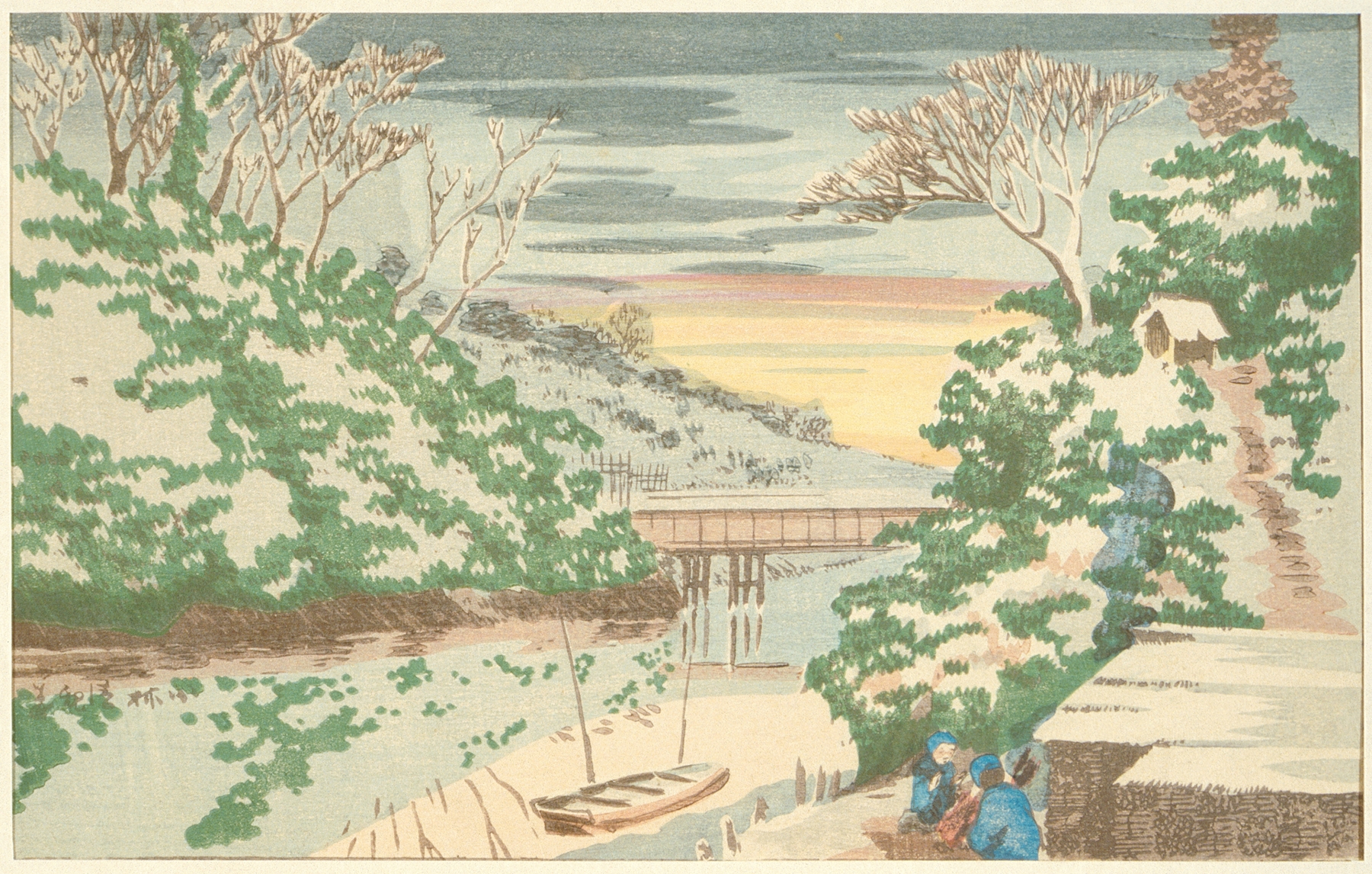
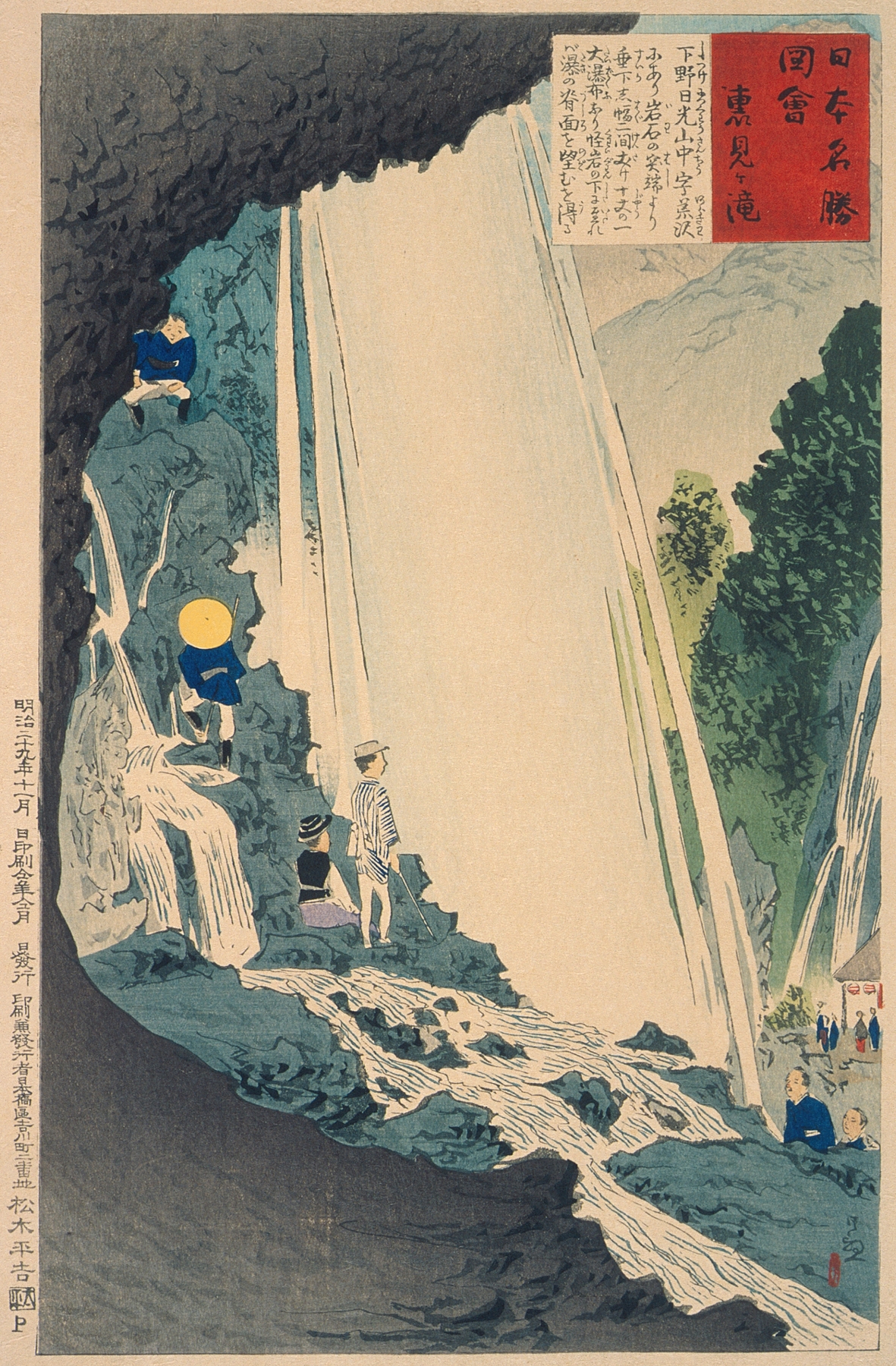
Can beauty exist without sorrow? In Urami Waterfall, the essence of ecstasy intertwines with a palpable sense of longing, inviting the viewer into a complex emotional landscape. Look to the left at the cascading waters, where the waterfall plunges with relentless vigor, each droplet catching the light and shimmering like a fleeting moment of joy. Notice how the rich blues and deep greens create a stark contrast with the subtly haunting greys that envelop the surrounding landscape, reflecting both the vibrancy and melancholy of nature.
The composition draws the eye upward, as if soaring into the depths of the sky, while the finely detailed trees frame the scene, accentuating the tumultuous beauty of the waterfall. Within this masterpiece, the duality of nature reveals itself: the waterfall, a symbol of both beauty and sorrow, encapsulates the idea of life's transient moments. The intricate brushwork suggests movement, yet there's a stillness in the air that evokes a sense of contemplation, pushing the viewer to consider the moments of ecstasy that are often shadowed by the weight of despair.
The contrast between light and dark, the rushing water against the serenity of the forest, creates a tension that speaks to the human experience. In 1896, during a time when Japan was navigating the complexities of modernization and Western influence, Urami Waterfall emerged from the hand of Kobayashi Kiyochika. Living in a period of rapid change, he sought to balance traditional aesthetic values with new techniques, infusing his work with a sense of both nostalgia and innovation, as he captured the essence of nature's beauty intertwined with the human psyche.