
A Gentleman — History & Facts
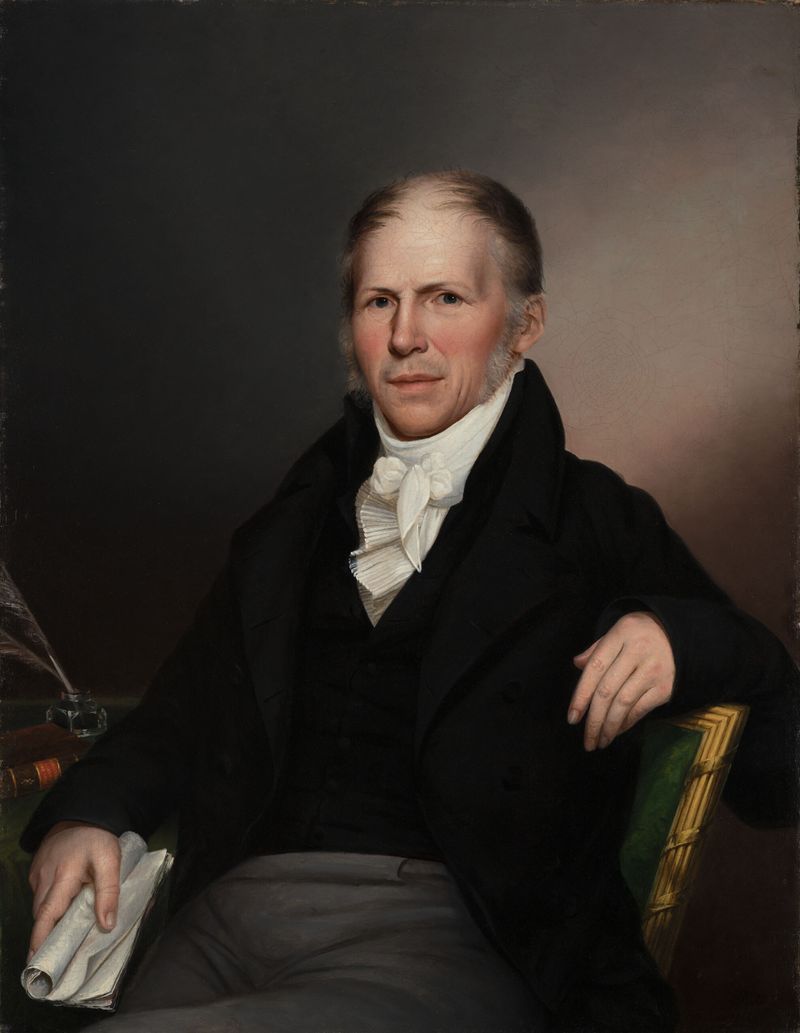
When did color learn to lie? In A Gentleman, the interplay of hues reveals a truth both poignant and elusive, inviting viewers to question the nature of identity and presentation. Focus on the meticulously rendered gentleman, his expression a delicate balance of confidence and introspection. Look closely at the subtle gradients of his clothing—rich greens and deep browns—that catch the light in a way that seems almost alive. Notice how the textures of his coat and waistcoat contrast with the smooth finish of his skin, creating a tension between the surface and the depths of his character.
The background, a muted blend of earth tones, allows him to stand out while simultaneously enveloping him, emphasizing his role as both subject and observer in this intimate moment. Further examination reveals the underlying emotional currents: the slight furrow in his brow hints at a story beyond the canvas, while the careful positioning of his hands suggests both poise and restraint. The intricate details of the lace at his collar and cuffs speak to a time when appearance was paramount, yet betray an inner vulnerability. This duality resonates deeply, suggesting that even in the elegance of dress, there exists a yearning for authenticity. James Peale painted A Gentleman in 1789, during a period marked by rising tensions in America, as the nation was defining its identity apart from European influences.
Peale, an esteemed portraitist, sought to encapsulate the essence of his subjects against the turbulent backdrop of a society in transition. His works not only captured likenesses but also revealed the nuanced character of emerging American identity in a time of profound cultural change.
More Artworks by James Peale
Browse all →


More Portrait Art
Browse all →
Las meninas
Diego Velázquez

Self-portrait with a Bandaged Ear and Pipe
Unidentified artist

Girl with a Pearl Earring
Johannes Vermeer

The Sampling Officials of the Amsterdam Drapers’ Guild, Known as ‘The Syndics’
Rembrandt van Rijn

The Hundred Guilder Print: the man seen on the back in the lower left corner
Rembrandt van Rijn

Portrait of Dr Gachet
Vincent van Gogh