
A Lady — History & Facts
What if beauty was never meant to be finished? In A Lady, the canvas whispers this question through soft hues and delicate lines, capturing the essence of a moment suspended in time. Look to the center of the canvas where the figure of a woman graces the scene, her serene expression drawing you in. Notice how the light dances on her pale skin, creating a luminous contrast against the deep azure of her gown. The subtle play of shadow and highlight reveals the nuanced textures of her attire, while the background fades into an ethereal softness, emphasizing her presence.
Each stroke of the brush seems deliberate yet effortless, inviting contemplation on both the subject and the artist's intention. Within the folds of her garment lies a story of contrasts—between the warmth of her skin and the coolness of her attire, between the stillness of her pose and the vibrant energy of the surrounding colors. The bouquet of flowers she holds hints at nature's fleeting beauty, echoing the idea that perfection is transient and continually evolving. Each detail reveals an emotional depth, evoking a sense of wistfulness and introspection in the viewer. Tischbein painted this work around 1770, during a period of burgeoning interest in the ideals of beauty and individuality in Europe.
Living in Germany, he found himself influenced by the neoclassical movement while simultaneously exploring romantic sensibilities. This era was marked by a shift towards personal expression in art, as well as a growing fascination with capturing the ephemeral qualities of life and beauty—an endeavor that A Lady exemplifies beautifully.
More Artworks by Johann Friedrich August Tischbein
Browse all →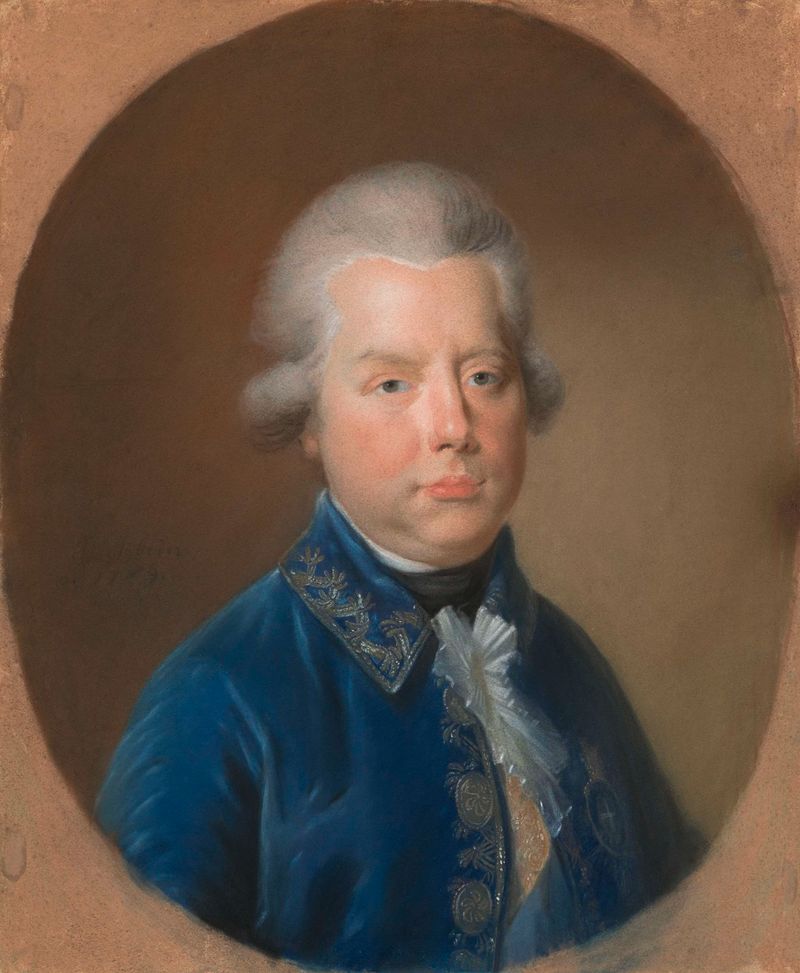
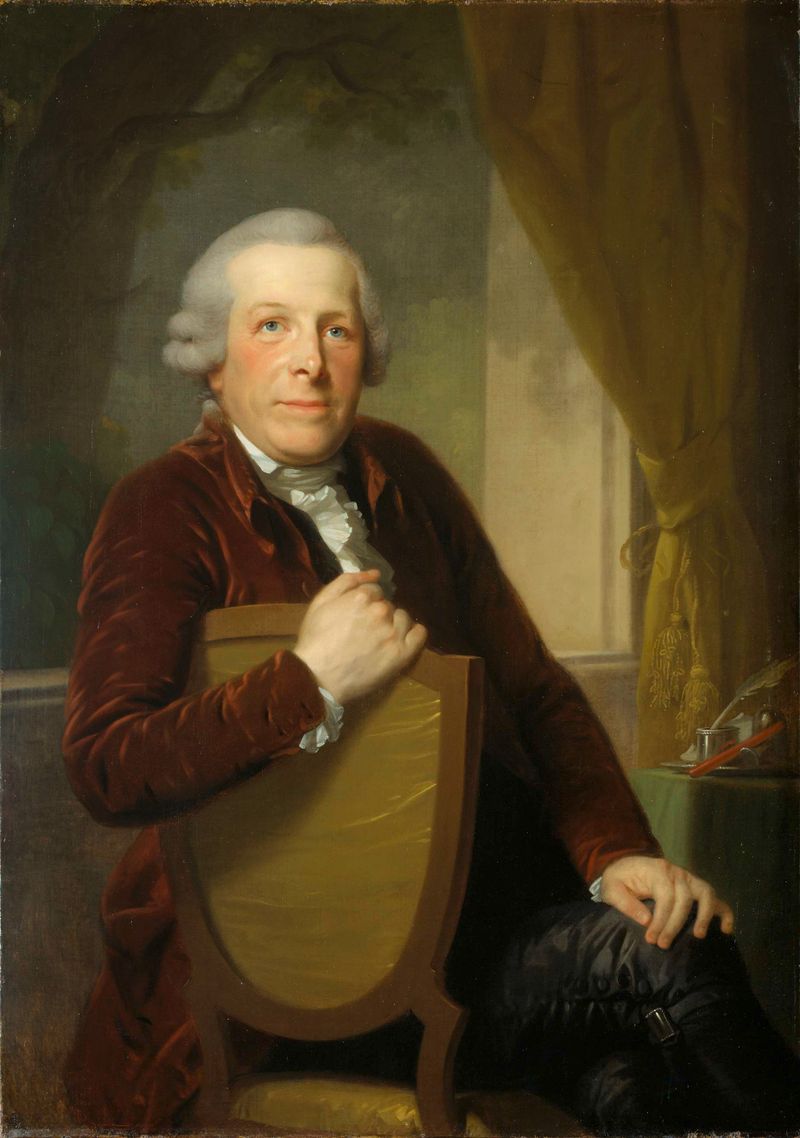
More Portrait Art
Browse all →
Las meninas
Diego Velázquez

Self-portrait with a Bandaged Ear and Pipe
Unidentified artist

Girl with a Pearl Earring
Johannes Vermeer

The Sampling Officials of the Amsterdam Drapers’ Guild, Known as ‘The Syndics’
Rembrandt van Rijn

The Hundred Guilder Print: the man seen on the back in the lower left corner
Rembrandt van Rijn

Portrait of Dr Gachet
Vincent van Gogh