
Alexander Agassiz (1835-1910) — History & Facts
Can beauty exist without sorrow? In the quiet gaze of Alexander Agassiz, one feels the weight of serenity amid the shadows of unspoken challenges. The artist captures the essence of a moment that blends both grace and introspection, suggesting that peace often walks hand in hand with life’s deeper trials. Focus your attention on the figure’s expression; the calm yet contemplative visage is a testament to a life lived in the pursuit of knowledge and exploration. Notice the soft interplay of light on the subject’s face, highlighting the gentle contours that reveal both strength and vulnerability.
The muted palette allows for a subtle richness, where earth tones evoke a sense of grounding, and touches of blue imbue the scene with a tranquil depth. Delve deeper into the nuances; the position of the hands resting by the side suggests a readiness to engage with the world, while the slight tilt of the head conveys a moment of reflection. This tension between action and stillness speaks to the internal struggles faced by those who seek knowledge, hinting at the sacrifices made for wisdom. Each brushstroke resonates with a narrative of discovery, echoing the artist’s understanding of the complexity of human experience. In 1910, as William Thorne painted this portrait, he was immersed in a world shifting rapidly with modernity and scientific advancement.
Agassiz, a prominent figure in the study of natural history, represents the intersection of intellect and emotion during a time when the arts were grappling with their own identity amidst these changes. This portrait stands not only as a testament to Agassiz's legacy but also as a reflection of the delicate balance between knowledge and the human soul in a tumultuous era.
More Portrait Art
Browse all →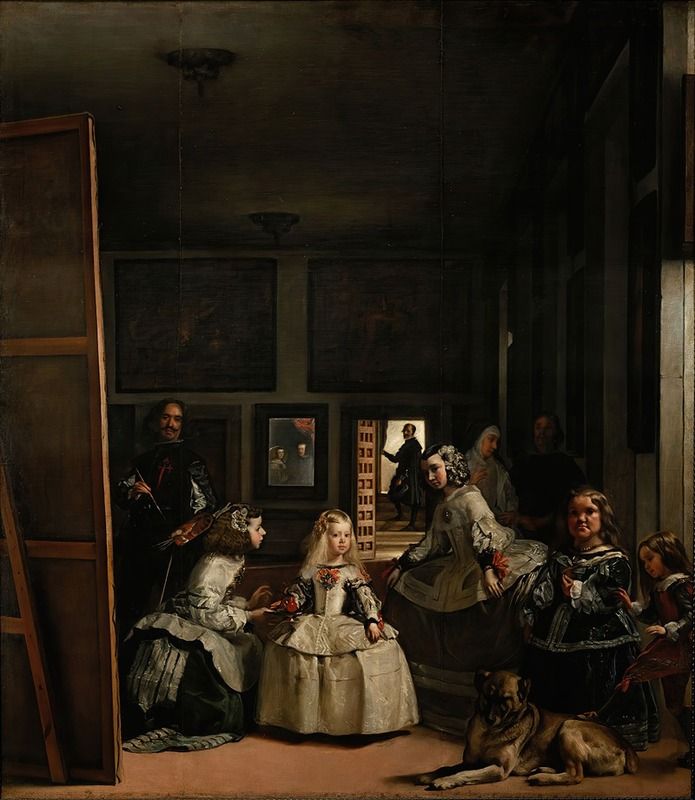
Las meninas
Diego Velázquez

Self-portrait with a Bandaged Ear and Pipe
Unidentified artist
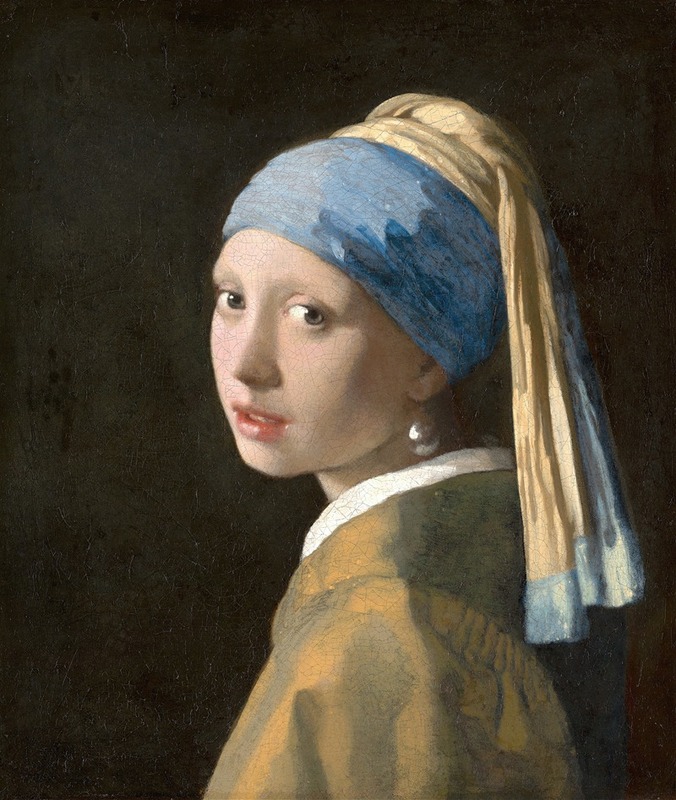
Girl with a Pearl Earring
Johannes Vermeer

The Sampling Officials of the Amsterdam Drapers’ Guild, Known as ‘The Syndics’
Rembrandt van Rijn

The Hundred Guilder Print: the man seen on the back in the lower left corner
Rembrandt van Rijn

Portrait of Dr Gachet
Vincent van Gogh