
Belinda Lull Randall (1816-1897) — History & Facts
Did the painter know this moment would outlive them? The revelation of a fleeting connection captured eternally on canvas speaks to the heart of human experience. Look to the left at the serene figure of Belinda, her gaze steady yet contemplative, as if she’s caught in a daydream. The gentle play of light across her pale dress accentuates the delicate fabric, while the rich, dark backdrop enhances her presence, framing her like a treasured memory. Notice the intricate brushwork that brings her features to life, a blend of realism and idealized beauty that draws the viewer into her world.
The soft, muted colors evoke a sense of calm, lulling us into the intimate moment Thompson has created. Delve deeper into the subtle details, where contrasts reveal hidden meanings. The juxtaposition of her stillness against the vibrant patterns in the background hints at the chaos of the world beyond her serene demeanor. A faint smile plays on her lips, suggesting an internal dialogue, a whisper of thoughts that transcend time.
In this mix of tranquility and underlying tension, we find a reflection of our own lives — the balance between external expectations and inner thoughts. This portrait was painted by Cephas Giovanni Thompson around 1840, during a period when he was establishing himself as a significant artist in America. At this time, the country was on the brink of social and political change, with the abolitionist movement gaining momentum. Thompson, who was one of the few African American artists of his era, sought to represent the dignity and humanity of his subjects through his work, forging a path for future generations to follow.
More Artworks by Cephas Giovanni Thompson
Browse all →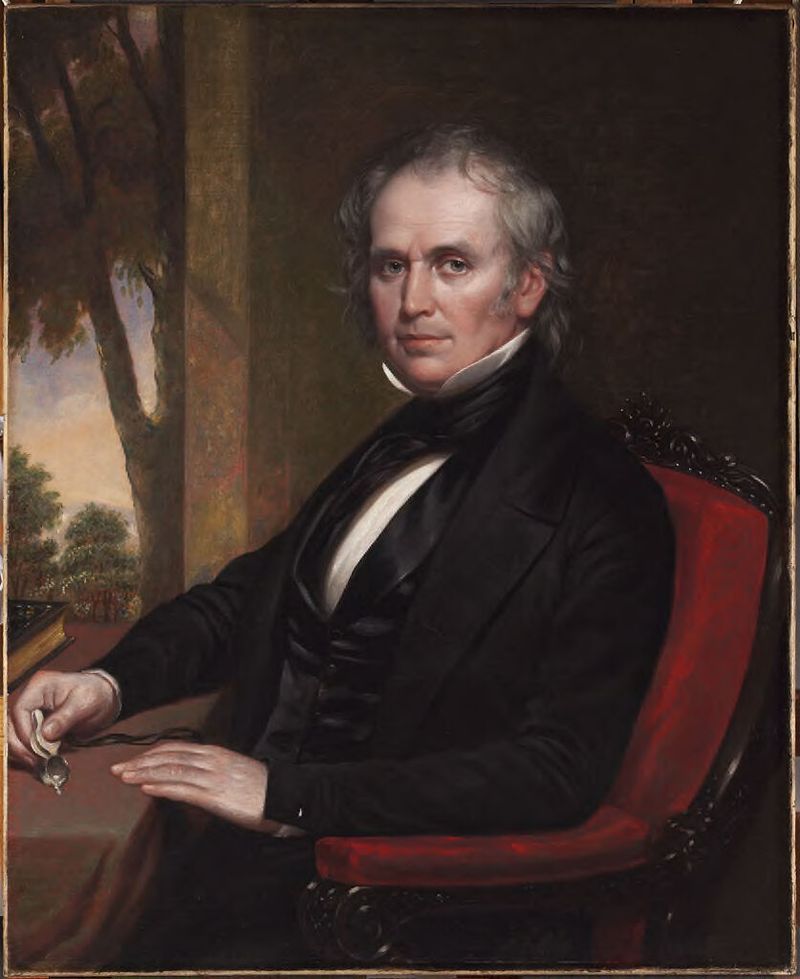
More Portrait Art
Browse all →
Las meninas
Diego Velázquez

Self-portrait with a Bandaged Ear and Pipe
Unidentified artist

Girl with a Pearl Earring
Johannes Vermeer

The Sampling Officials of the Amsterdam Drapers’ Guild, Known as ‘The Syndics’
Rembrandt van Rijn

The Hundred Guilder Print: the man seen on the back in the lower left corner
Rembrandt van Rijn

Portrait of Dr Gachet
Vincent van Gogh