
Boer met kind aan leiband — History & Facts
Can paint confess what words never could? In the delicate interplay of hues and shapes, nostalgia weaves through the canvas, whispering stories of simple joys and tender moments. Look to the left at the farmer's weathered face; each line etched by years of labor speaks of hardships and triumphs. Notice how the palette transitions from earthy browns to soft greens, mirroring the harmony between man and nature. The child, held close by the leash, captures the innocence of youth, their bright eyes reflecting a world of wonder.
The composition invites the viewer to linger, as the gentle brushstrokes evoke the warmth of a sun-drenched afternoon. Delve deeper into the bond depicted here—the farmer’s steady gaze meets the child’s playful spirit, symbolizing the fragile connection between generations. The leash, both a tether and a symbol of care, contrasts the freedom that the wide-open landscape suggests. This duality highlights the bittersweet nature of nostalgia; as we cherish the past, we also recognize its fleeting essence. During the early 19th century, Janson created this work against a backdrop of rapid change in the Netherlands, where agrarian life was slowly giving way to industrialization.
The artist, active between 1778 and 1823, was immersed in a period that saw the rise of Romanticism, which celebrated emotion and nature. Within this context, Boer met kind aan leiband stands as a poignant reminder of the simplicity and beauty that marked the artist's own experiences, echoing sentiments that resonate even today.
More Artworks by Johannes Christiaan Janson
Browse all →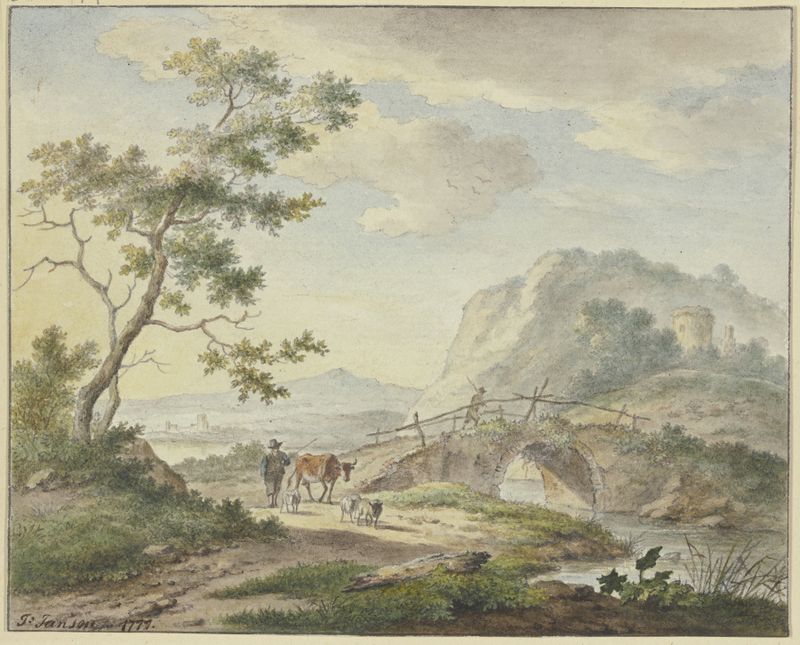
Über eine steinerne Brücke geht ein Mann, auf dem Weg ein Bauer mit einer Kuh und Schafen
Johannes Christiaan Janson
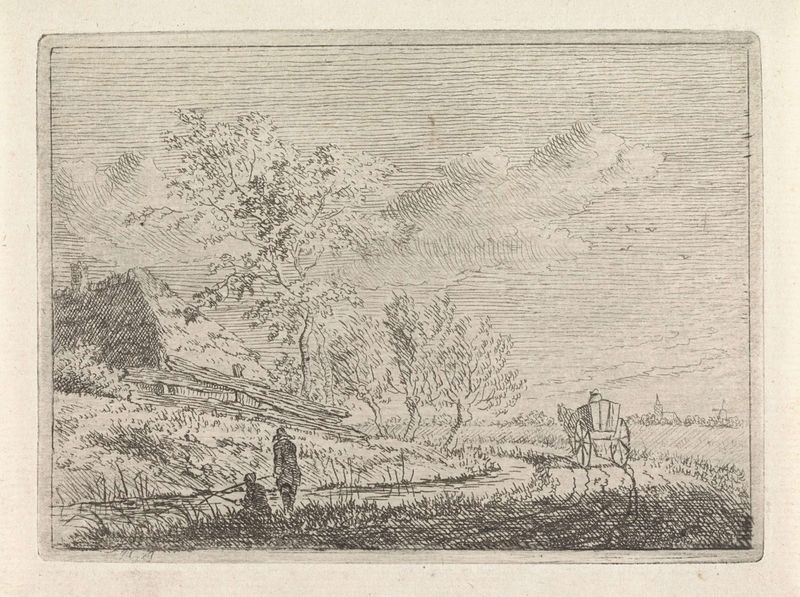
Landschap met kar en twee vissers
Johannes Christiaan Janson
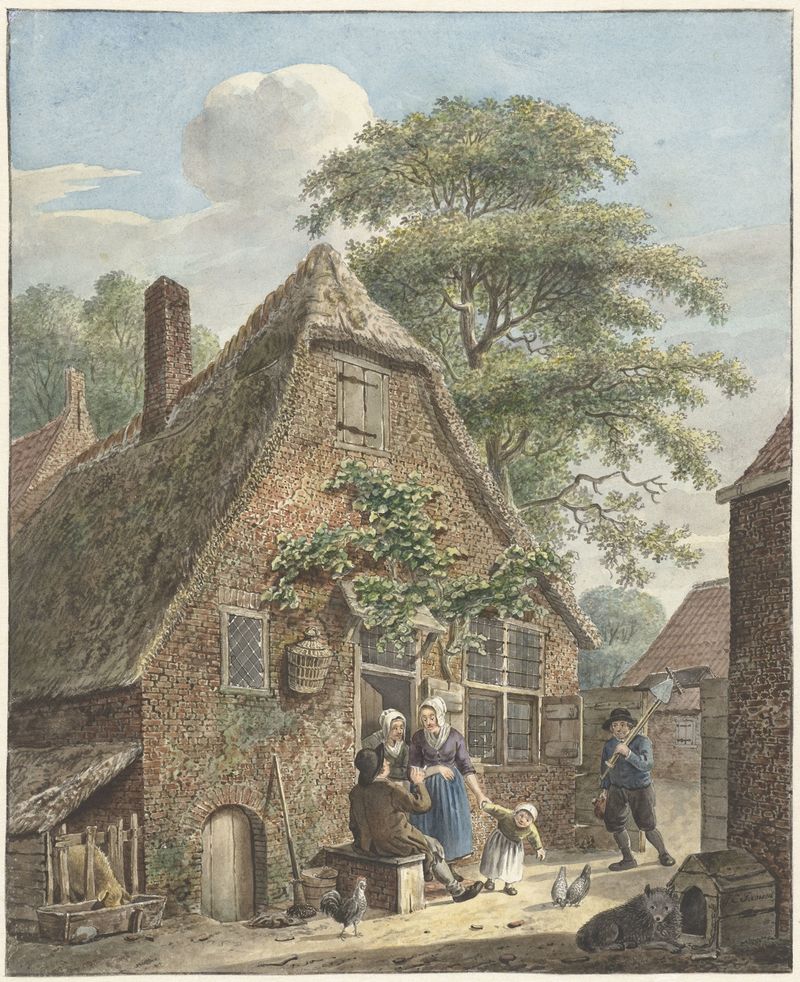
Gezin voor een boerenwoning
Johannes Christiaan Janson
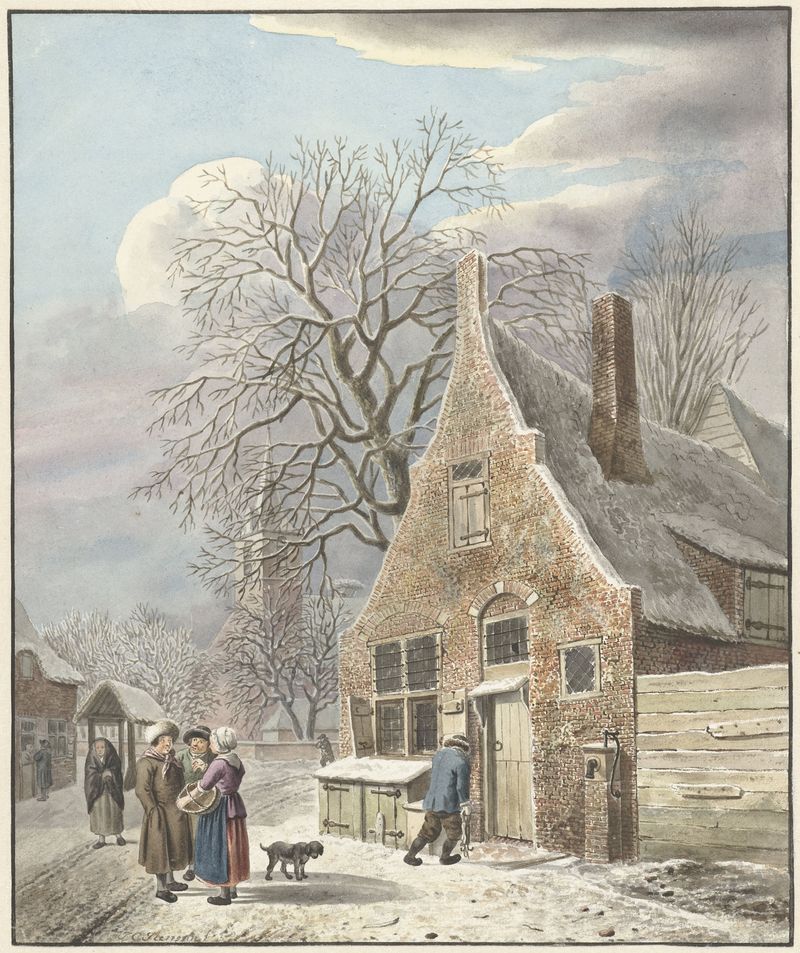
Dorp onder sneeuw
Johannes Christiaan Janson
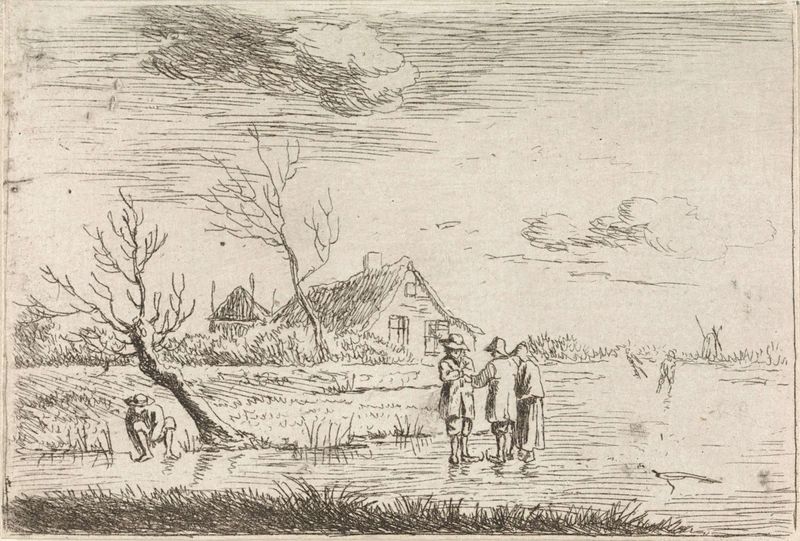
Landschap met schaatsers en boerderij
Johannes Christiaan Janson
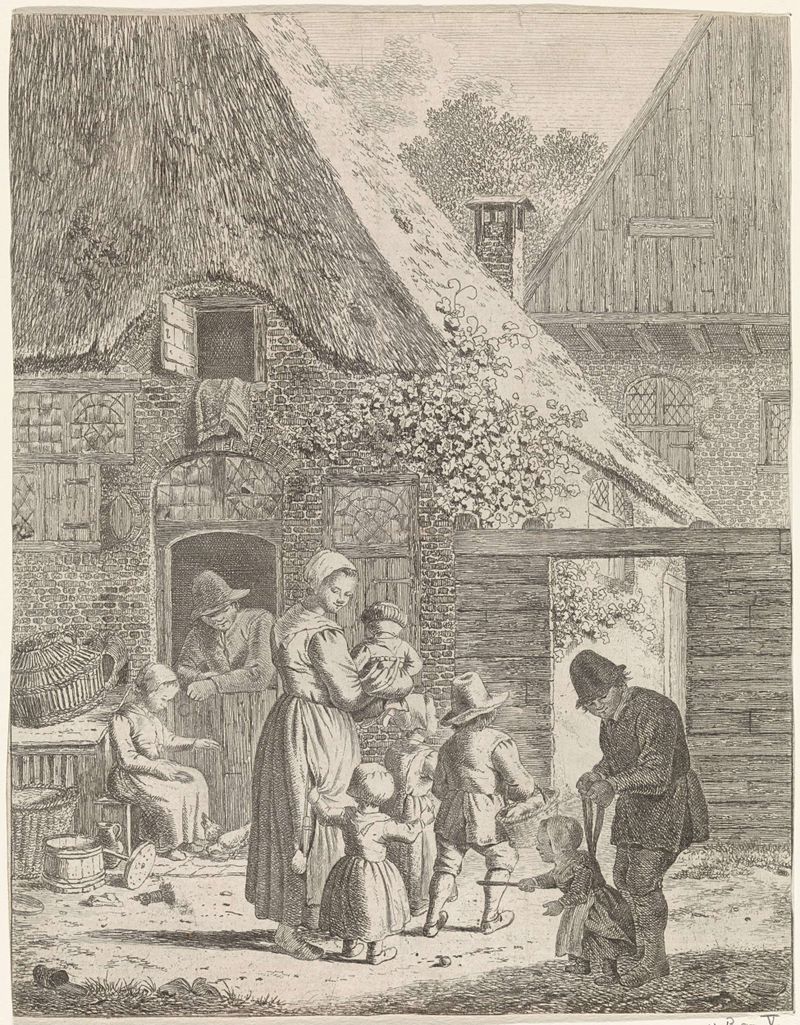
Boeren en kinderen bij boerderij
Johannes Christiaan Janson
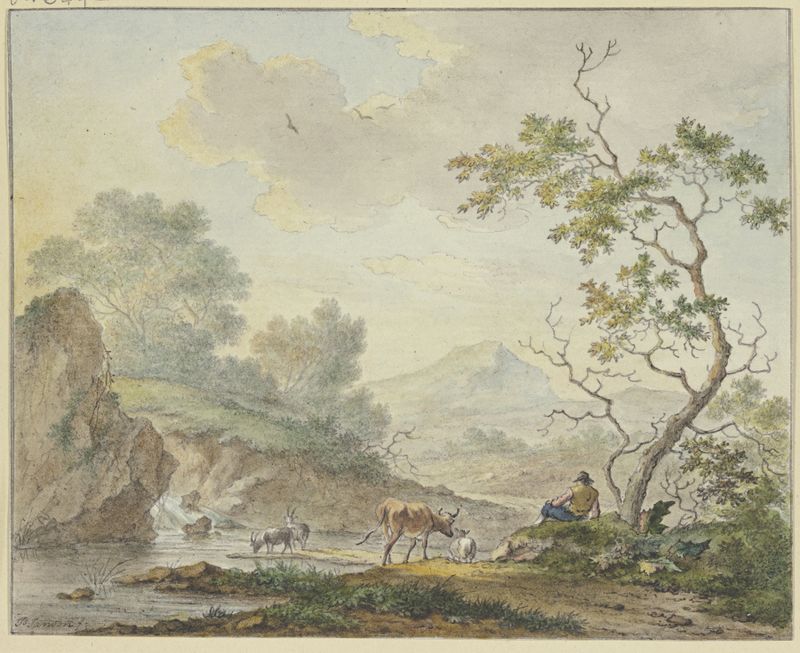
Bei einem Wasserfall ein Hirte mit einer Kuh und Ziegen
Johannes Christiaan Janson
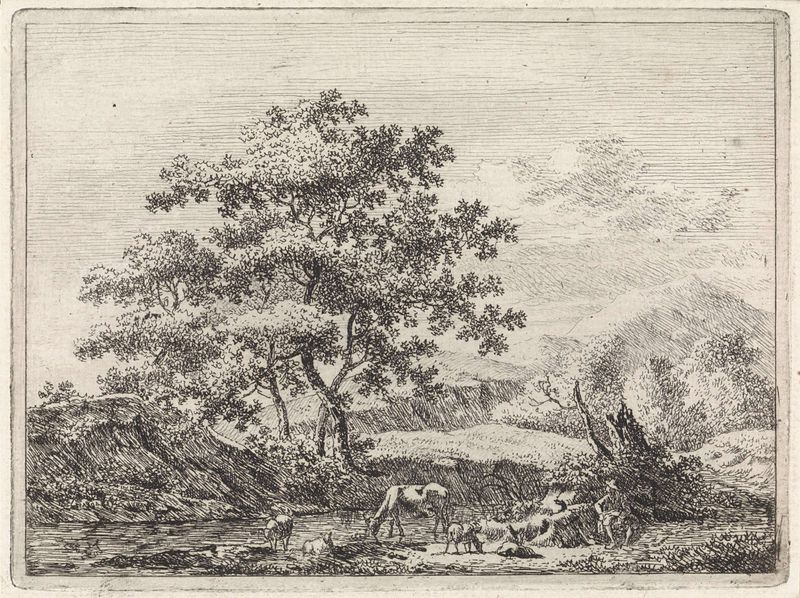
Herder met vee bij rivier
Johannes Christiaan Janson
More Portrait Art
Browse all →
Las meninas
Diego Velázquez

Self-portrait with a Bandaged Ear and Pipe
Unidentified artist

Girl with a Pearl Earring
Johannes Vermeer

The Sampling Officials of the Amsterdam Drapers’ Guild, Known as ‘The Syndics’
Rembrandt van Rijn

The Hundred Guilder Print: the man seen on the back in the lower left corner
Rembrandt van Rijn

Portrait of Dr Gachet
Vincent van Gogh