Brandewijnkom, met gedreven blad- en bloemranken — History & Facts
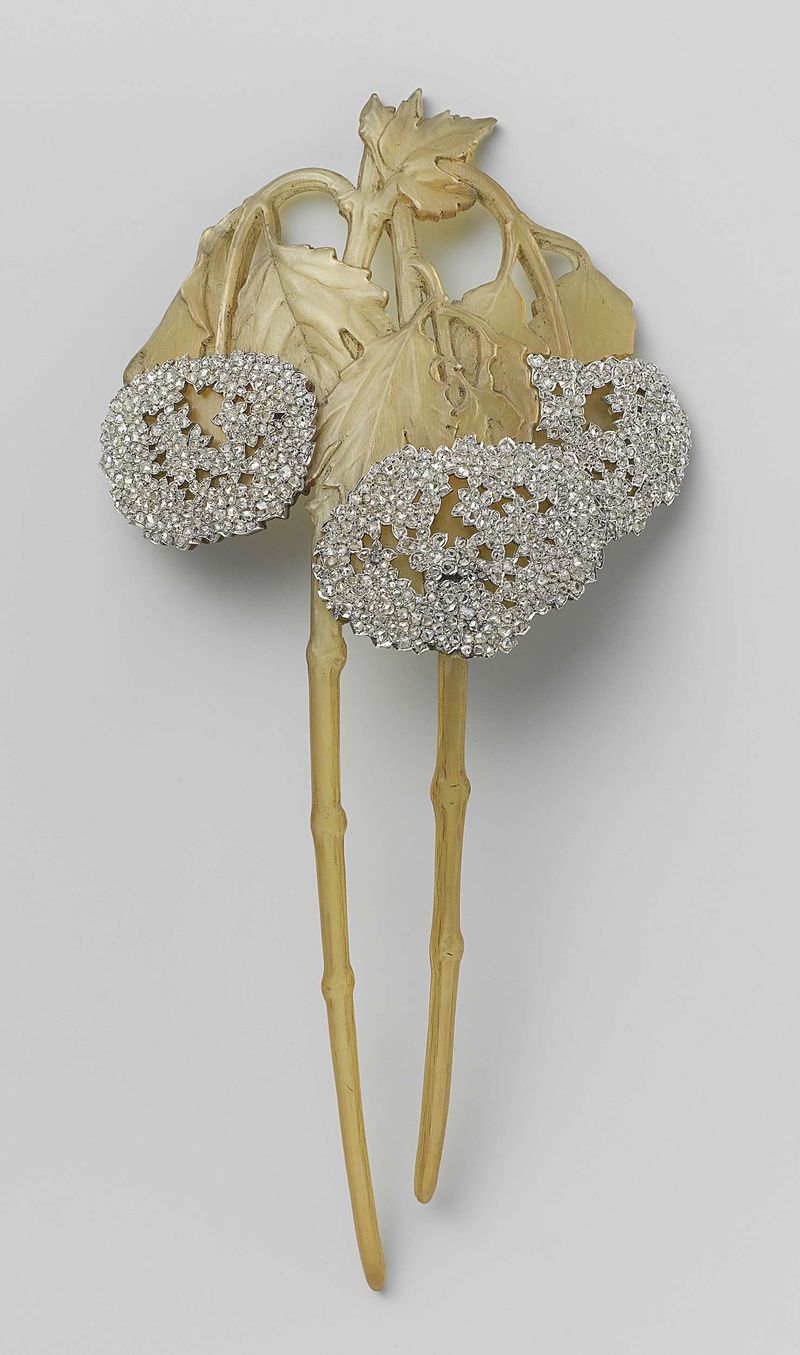
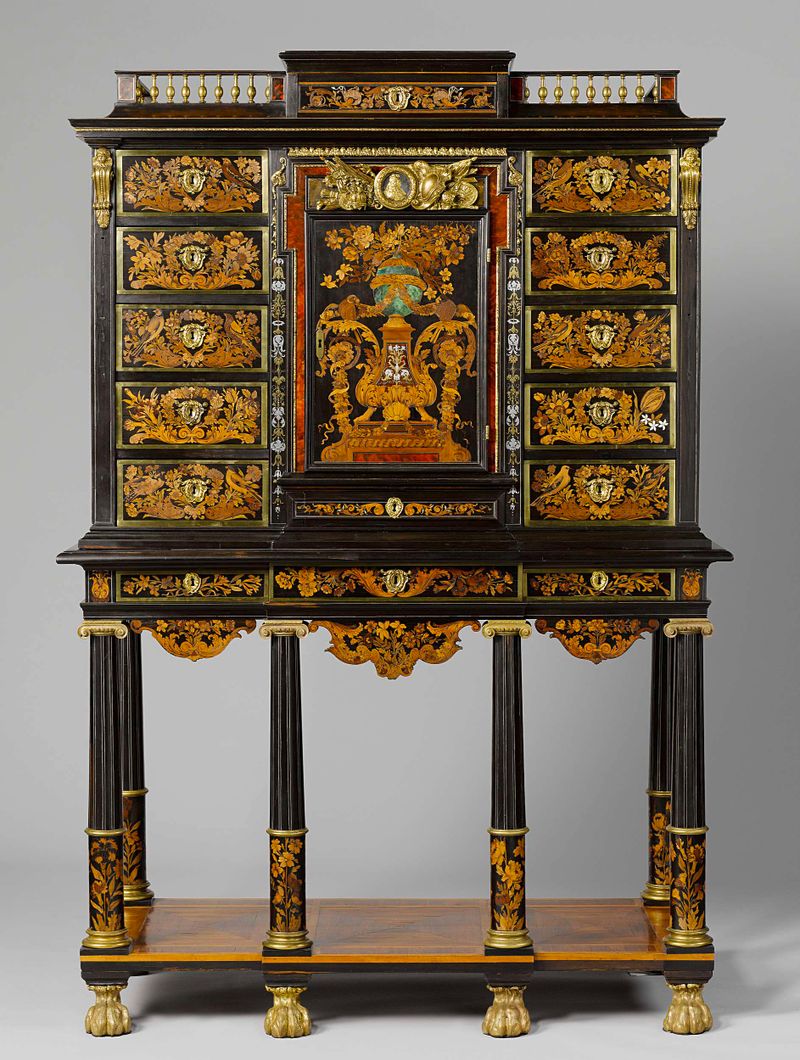
Could beauty survive in a century of chaos? This poignant question echoes through the delicate strokes and intricate details of an artwork that captures the essence of nostalgia and yearning, even amidst turbulent times. Look closely at the rich tapestry of swirling leaf and flower motifs that adorn the surface. Each vine winds gracefully, leading your eyes across the composition, inviting you to explore the interplay of vibrant greens and soft pastels. The meticulous rendering of textures evokes a sense of tactile richness, while the airy arrangement creates a feeling of lightness, as if the flora is caught in a gentle breeze.
The artist's attention to detail transforms this piece into a visual symphony of nature, a moment of serenity well worth savoring. Delve deeper, and you will uncover layers of meaning embedded within the ornamental display. The intertwining floral patterns suggest the resilience of nature in the face of adversity, embodying both beauty and fragility. The choice of colors sparks a nostalgic reverie, transporting the viewer to a time when such beauty was celebrated amidst the chaos of the 18th century.
There’s a tension between the exuberance of life and the inevitable passage of time, leaving us to ponder the fleeting nature of this elegance. In 1727, Johannes van der Lely created this piece during a period marked by great artistic transition in Europe, as the Baroque era was giving way to the more delicate Rococo style. Living in the Netherlands, he was influenced by the burgeoning interest in floral still life, which paired perfectly with the sentiments of his time. Amidst the shifting tides of artistic expression, this work stands as a testament to the enduring allure of beauty, an exquisite reminder that even in turmoil, art can capture the ephemeral.