
By the Wayside Cross — History & Facts
Could beauty survive in a century of chaos? The notion tantalizes the mind, inviting us to witness the delicate interplay of resilience and despair. Focus on the striking contrast between the rugged, weathered cross and the tender wildflowers that bloom at its base. The earthy tones of the wooden structure stand in stark opposition to the vibrant colors of the flora, skillfully rendered with an almost ethereal quality. Notice how the soft light illuminates the blossoms, suggesting a fleeting moment of grace amidst decay, while shadows from the cross stretch long, hinting at the passage of time and the weight of history. Dig deeper, and you'll find layers of meaning woven through this composition.
The juxtaposition of the sturdy cross and the fragile flowers speaks to the cycle of life and death, echoing themes of faith and mortality. Each petal, in its fragile beauty, can be seen as a symbol of hope, while the cross serves as a reminder of sacrifice and the enduring presence of loss. Together, they create a poignant dialogue between transformation and permanence, evoking the struggles and triumphs inherent in human experience. Josef Willroider painted this work during a period when Europe was grappling with the aftermath of war and social upheaval.
Little is known about the exact date of its creation, but it reflects a time when artists sought to capture the essence of human resilience in the face of adversity. Willroider’s ability to convey deep emotions through natural elements underscores his mastery in blending realism with a sense of profound spirituality, positioning him within the rich tapestry of 19th-century art.
More Artworks by Josef Willroider
Browse all →
An der Isar
Josef Willroider
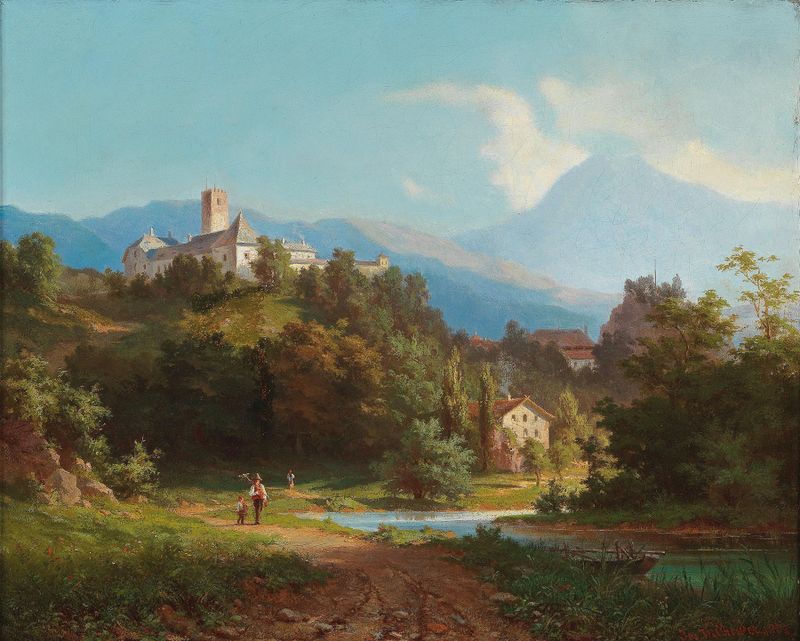
Ansicht einer Burg
Josef Willroider

Bavarian River Landscape with Women Gathering Wood
Josef Willroider
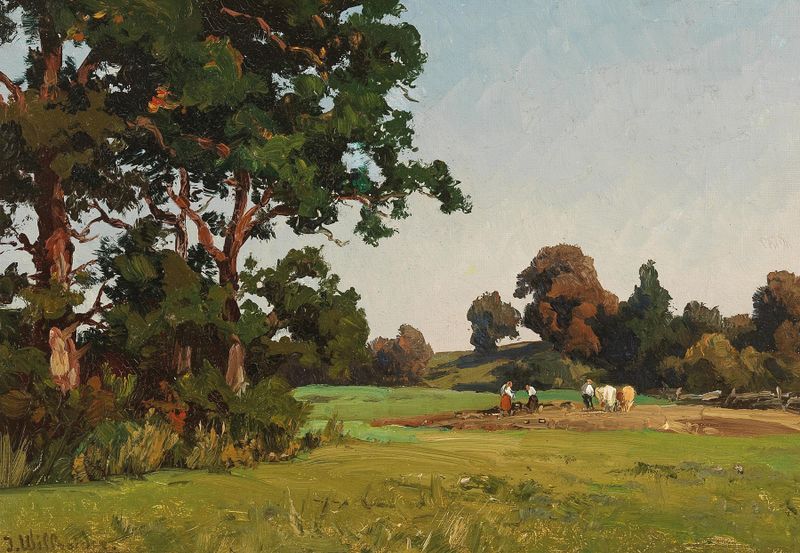
Am Feld
Josef Willroider
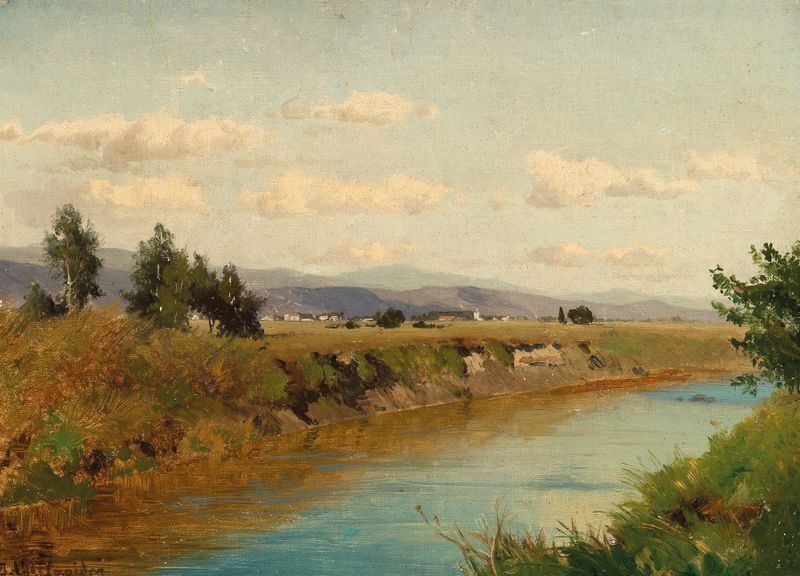
A Summer Landscape with Stream
Josef Willroider
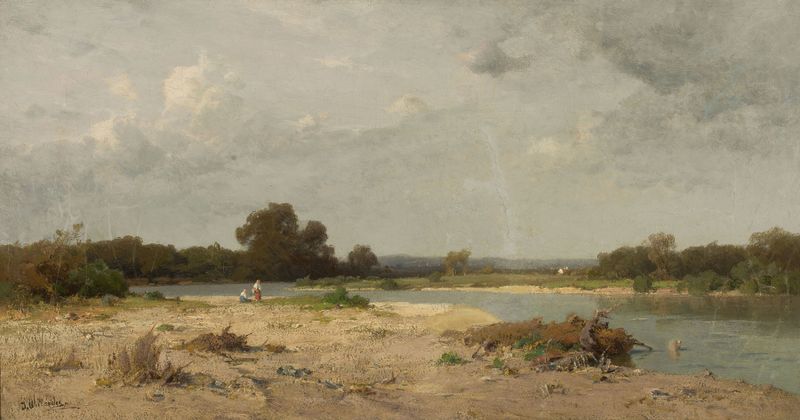
Waterside landscape
Josef Willroider

Landschaft mit abziehendem Gewitter
Josef Willroider

Blick auf Villach
Josef Willroider
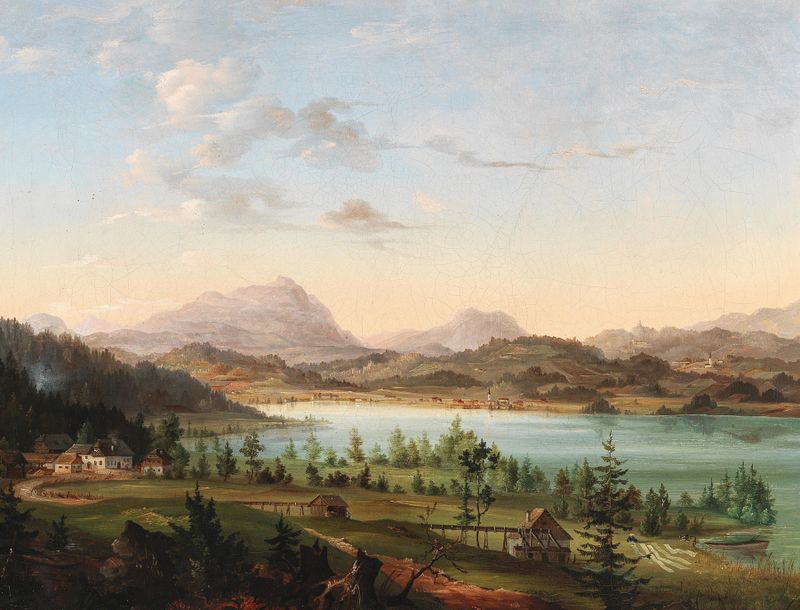
A View of Lake Ossiach
Josef Willroider

A river landscape
Josef Willroider
More Religious Art
Browse all →
The Return of the Prodigal Son
Rembrandt van Rijn

The Garden of Earthly Delights
El Bosco

Count Orgaz’ funeral
El Greco

The Hundred Guilder Print: the central piece with Christ preaching, the plate arched
Rembrandt van Rijn

The Descent from the Cross
Rogier van der Weyden

The return of the prodigal son
Rembrandt van Rijn